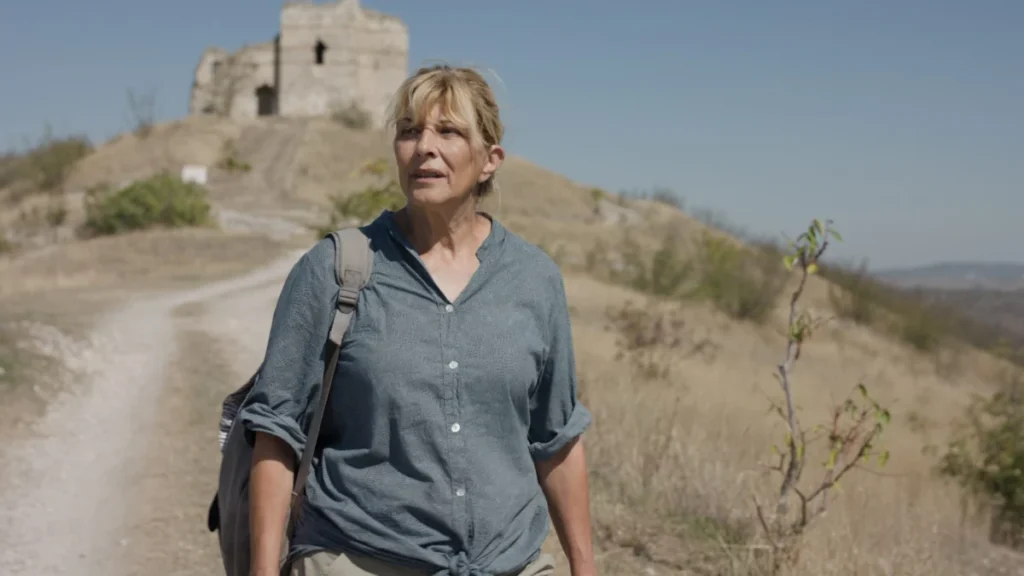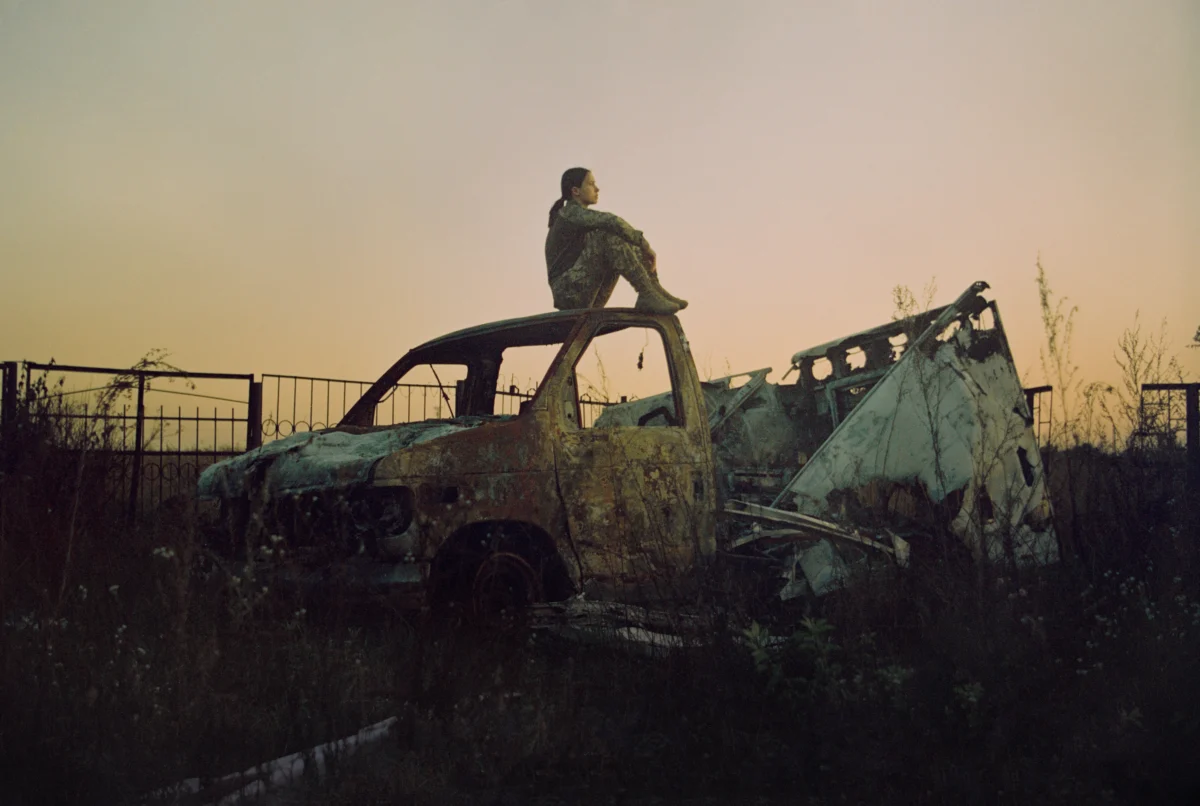
The acclaimed documentary, MARIINKA, directed by Pieter-Jan De Pue, known for his previous work The Land of the Enlightened, resonated deeply with festival attendees, earning the prestigious audience award at one of the world’s leading documentary film festivals. The announcement, made by festival organizers, highlighted the film’s profound emotional impact, describing it as "heartbreaking, eye-opening and visually poetic." This recognition underscores the powerful narrative woven through the film, which chronicles over a decade of conflict in the Donbas region, culminating in the devastating destruction of the eponymous town.
A Filmmaker’s Dedication and Emotional Resonance
Upon receiving the accolade, filmmaker Pieter-Jan De Pue expressed immense gratitude, emphasizing the significance of the audience’s emotional connection to his work. "My crew and I are incredibly honored with this audience award," De Pue stated. "Not only for this award as a recognition in itself, but primarily for the fact that MARIINKA apparently managed to evoke emotions in the audience, which is perhaps the most important thing of all—and ultimately the reason why we all make films." This sentiment articulates the core mission of documentary filmmaking: to connect, to inform, and to stir the human spirit, especially when confronting the harsh realities of war. The audience award, determined by public voting, is a testament to the film’s universal appeal and its success in conveying the human cost of geopolitical strife to a diverse international viewership.
CPH:DOX’s Endorsement and Global Premiere
MARIINKA celebrated its world premiere at the CPH:DOX opening gala, setting the tone for the festival’s thematic explorations. Festival directors Niklas Engstrøm and Katrine Kiilgaard articulated the film’s critical importance, noting, "MARIINKA is, above all, a film about what war does to people. To families. To relationships. To destinies that cross front lines and are never the same again." They further lauded De Pue’s distinctive approach, adding, "A film like this could not exist without a filmmaker with a truly unique perspective – and Pieter-Jan De Pue has that." This strong endorsement from the festival’s leadership underscored not only the film’s artistic merit but also its profound relevance in the current global context, where the Ukrainian conflict continues to dominate international headlines. CPH:DOX, renowned for its commitment to showcasing politically and socially engaged cinema, found in MARIINKA a quintessential example of documentary’s power to bear witness and foster global understanding.
The Decades-Long Shadow of Conflict: Mariinka’s Story
The genesis of MARIINKA spans an extraordinary period, with production extending over a decade. This prolonged engagement allowed De Pue to capture the evolving landscape of conflict and its enduring impact on a generation. The film’s narrative commences long before the world witnessed the full-scale Russian invasion of Ukraine in February 2022, delving into the initial phases of the conflict that began in 2014. By following several young Ukrainians, the documentary intricately portrays how their lives have been indelibly marked by over ten years of sustained war and instability in the Donbas region.
Mariinka itself, a town in the Donetsk Oblast, became a focal point of this protracted conflict. Situated just west of Donetsk city, it found itself on the front lines following the outbreak of hostilities in eastern Ukraine in 2014. For years, Mariinka was a scene of intense fighting, artillery duels, and daily threats, becoming a stark symbol of the "frozen conflict" that simmered for eight years. The film’s decade-long scope uniquely positions it to document this gradual descent into full-scale war, offering a critical historical perspective that predates the international media’s broader focus on the 2022 invasion. Tragically, the town of Mariinka has since been almost entirely destroyed, with no civilians remaining, a devastating consequence that lends an even greater urgency and poignancy to De Pue’s meticulous documentation. The film serves as a vital historical record, capturing the resilience and trauma of those who endured its slow demise.
Production and International Collaboration
MARIINKA is a testament to international collaborative efforts, emerging as a co-production between Belgium, the Netherlands, Germany, and Sweden. This multi-national backing not only provided the necessary resources for a project of such ambition and duration but also reflected a shared European commitment to documenting and understanding the complexities of the conflict in Ukraine. Such collaborations are crucial for independent documentary filmmaking, particularly for projects tackling sensitive and politically charged subjects that require extensive time and resources for authentic portrayal. The international partnership highlights the global recognition of the importance of telling these stories.
CPH:DOX: A Platform for Impactful Cinema
The Copenhagen International Documentary Film Festival (CPH:DOX) has solidified its reputation as a crucial international platform for documentary film, celebrated for its bold programming and focus on films that challenge, provoke, and inform. The 23rd edition, held in Copenhagen, Denmark, continued this tradition, presenting a diverse slate of films exploring pressing global issues. The festival’s audience award, presented in collaboration with DR, the Danish Broadcasting Corporation, holds particular significance. It not only signifies public approval and emotional connection but also ensures broader visibility through DR’s extensive reach as a national broadcaster. The accompanying prize of €10,000 (approximately $11,538 USD) further supports the filmmakers and acknowledges the financial commitment involved in producing such impactful work.
CPH:DOX is known for its five main competitive sections: Dox:Award, New:Vision Award, F:act Award, Nordic:Dox Award, and Next:Wave Award, in addition to several non-competitive sections. The audience award stands apart, reflecting the unfiltered sentiment of the general public rather than a jury’s critical assessment. This makes MARIINKA‘s win particularly meaningful, as it speaks directly to the film’s ability to transcend cultural and linguistic barriers and connect with viewers on a deeply human level. The festival’s commitment to fostering dialogue and understanding through film positions it as a vital cultural institution in an increasingly complex world.
Broader Implications and The Role of Documentary
The victory of MARIINKA at CPH:DOX carries significant implications for both the documentary film industry and the broader global discourse surrounding the conflict in Ukraine. In an era often characterized by information overload and media fatigue, documentaries like MARIINKA cut through the noise, offering deeply personal and nuanced perspectives that humanize geopolitical events. By focusing on the lives of young Ukrainians, De Pue’s film transforms abstract news headlines into relatable human experiences, fostering empathy and understanding.
This film’s success underscores the critical role of documentary cinema as a historical record and a tool for social commentary. It provides invaluable insight into the psychological, emotional, and physical toll of prolonged conflict, moving beyond simple reportage to explore the long-term societal scars. The fact that the film began production years before the full-scale invasion highlights the foresight of the filmmakers and the enduring nature of the conflict, challenging simplistic narratives that often characterize complex geopolitical situations. It serves as a stark reminder that for many in the Donbas, the war did not begin in 2022, but has been a relentless presence for years, shaping their formative experiences and futures.
Moreover, the international recognition for MARIINKA can contribute to maintaining global awareness and support for Ukraine. As the conflict grinds on, there is a risk of international attention waning. Films that powerfully depict the human realities of war play a crucial role in countering this fatigue, reminding audiences of the ongoing suffering and the urgent need for peace and justice.
Pieter-Jan De Pue’s Unique Perspective and Filmmaking Ethos
Pieter-Jan De Pue’s directorial style is characterized by a unique blend of observational storytelling and visually poetic aesthetics, often set against the backdrop of war-torn landscapes. His previous acclaimed work, The Land of the Enlightened (2016), offered a similar glimpse into the lives of children in Afghanistan, navigating a world shaped by conflict and remnants of war. This earlier film, lauded for its stunning cinematography and poignant portrayal of childhood resilience amidst desolation, established De Pue as a filmmaker deeply committed to exploring the human spirit in extreme circumstances. His consistent focus on the innocence and vulnerability of children in conflict zones lends a powerful, empathetic dimension to his work, distinguishing him in the documentary landscape. This thematic consistency, coupled with his ability to spend extended periods embedded within the communities he documents, allows for an authenticity and depth that is rarely achieved. His "unique perspective," as noted by the CPH:DOX directors, stems from this commitment to immersive storytelling and a visual language that elevates the documentary form beyond mere reporting.
A Strong Field of Contenders
While MARIINKA claimed the audience award, the 23rd CPH:DOX festival celebrated a diverse array of cinematic achievements across its various categories. Other notable winners unveiled included Whispers in May, a film likely exploring intimate narratives or personal struggles; Just Look Up, potentially a commentary on environmental issues or societal awareness; Amazomania, which, given its title, could delve into themes related to the Amazon rainforest, indigenous cultures, or ecological concerns; and The Secret Reading Club of Kabul, a powerful story undoubtedly shedding light on the challenges faced by women in Afghanistan under restrictive regimes. The strength and breadth of these winning films underscore CPH:DOX’s role in showcasing global stories that resonate with contemporary societal challenges and human experiences, making MARIINKA‘s triumph even more significant within such a competitive and high-quality field. Each of these films contributes to the broader dialogue initiated by the festival, affirming the power of documentary to illuminate, educate, and inspire.