As the calendar turns and April showers are expected to usher in a new season, movie theaters are offering a different kind of downpour: a nostalgic re-release of the 2001 action-adventure film, The Mummy Returns. This weekend, audiences will have the opportunity to revisit the familiar sands of Egypt and the charismatic performances of Brendan Fraser and Rachel Weisz, who reprise their roles as Rick O’Connell and Evelyn Carnahan-O’Connell, respectively. The film, a sequel to the highly successful 1999 The Mummy, is set to screen in select theaters for a limited engagement, tapping into a reservoir of cinematic memories for many.
The Mummy Returns is not the original 1999 iteration, which is often lauded for its blend of horror, adventure, and humor, nor is it the poorly received third installment, The Mummy: Tomb of the Dragon Emperor. Instead, this re-release focuses on the second chapter of the franchise, a film that, while perhaps not reaching the critical heights of its predecessor, offered a robust continuation of the O’Connell family’s exploits. The narrative plunges Rick and Evelyn, now married with a young son, Alex, into a renewed battle against the resurrected Imhotep, a powerful ancient Egyptian priest, and a new, formidable antagonist: the Scorpion King.
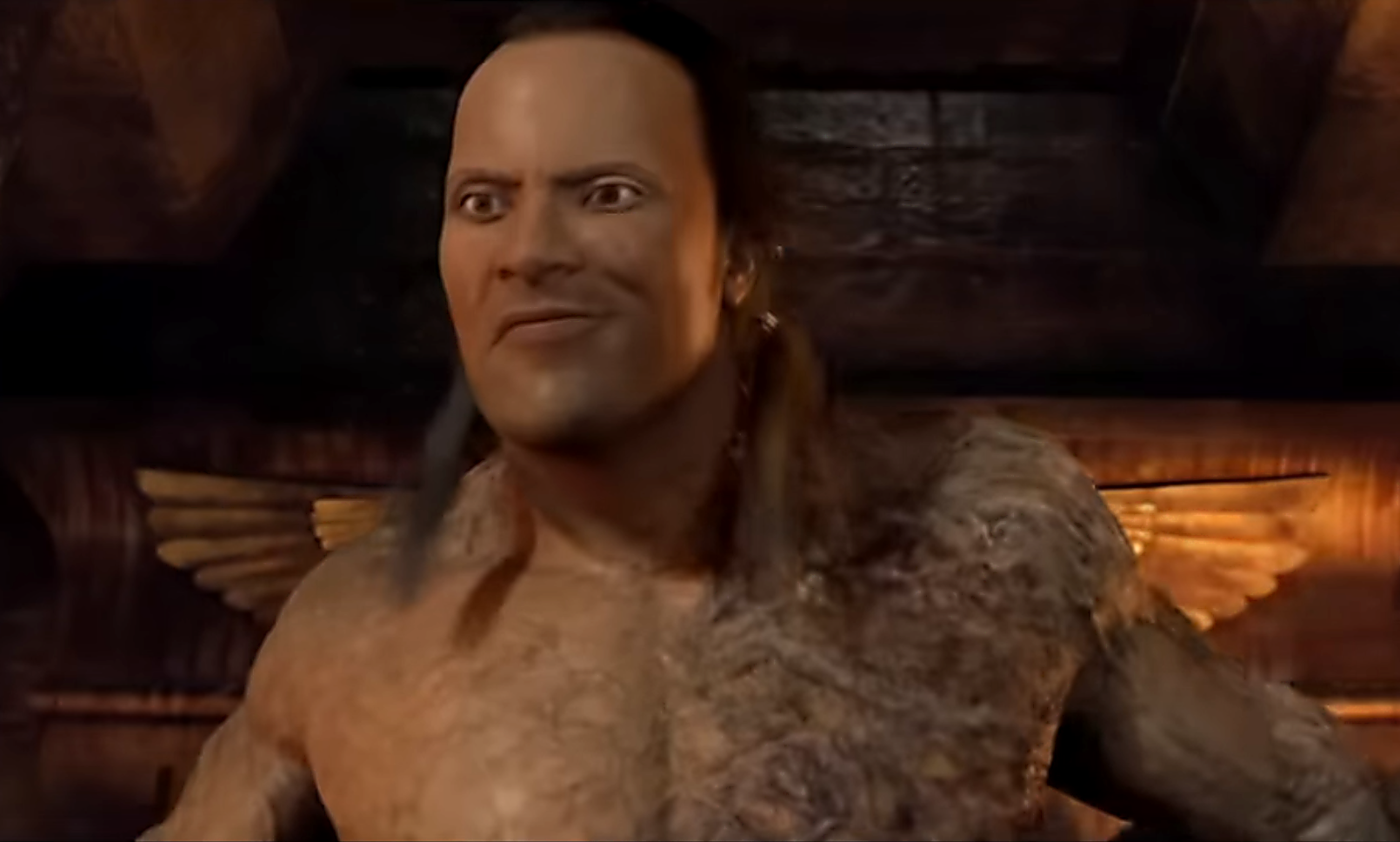
The film is notable for introducing audiences to Dwayne "The Rock" Johnson in his feature film debut, portraying the titular Scorpion King. At the time of its release, Johnson was at the height of his professional wrestling career, known as "The Rock." His transition to the silver screen in The Mummy Returns marked a significant step in his eventual evolution into one of Hollywood’s most bankable stars. While his role is primarily an antagonist, the casting signaled a strategic move by Universal Pictures to leverage established entertainment personalities for broader audience appeal.
The plot of The Mummy Returns unfolds in 1933, approximately eight years after the events of the first film. The discovery of the Bracelet of Anubis, an artifact tied to the Scorpion King, sets in motion a series of events that threaten to unleash an apocalyptic plague upon the world. Imhotep, seeking to resurrect the Scorpion King and harness his power, becomes the primary obstacle for the O’Connell family, who must race against time to prevent the catastrophic resurgence of ancient evils. The film features extensive special effects for its era, particularly in its depiction of Imhotep’s supernatural abilities and the monstrous creatures that populate its fantastical landscape.
The original The Mummy, released in 1999, revitalized the classic Universal monster property with a modern sensibility. Directed by Stephen Sommers, it grossed over $416 million worldwide against a production budget of $80 million, far exceeding expectations and paving the way for its sequel. Its success was attributed to its engaging blend of action, humor, and a sense of playful adventure, avoiding the pure horror tropes of earlier iterations. Brendan Fraser’s performance as the reluctant hero Rick O’Connell, coupled with Rachel Weisz’s portrayal of the intelligent and resourceful Evelyn Carnahan, formed the emotional core of the film, while Arnold Vosloo’s menacing Imhotep provided a compelling villain. John Hannah’s comedic relief as Jonathan Carnahan also proved to be a popular element.
The Mummy Returns, released in 2001, aimed to build upon this success. Directed again by Stephen Sommers, it boasted a significantly larger budget of $98 million and achieved even greater box office returns, grossing over $435 million worldwide. This financial success underscored the franchise’s popularity and its appeal to a global audience. However, critical reception for the sequel was more mixed. While many acknowledged the increased scale and ambition, some critics found the plot convoluted and the reliance on CGI effects to be more pronounced, sometimes overshadowing the character development and narrative cohesion that had made the first film so beloved. The introduction of the Scorpion King character, while significant for Dwayne Johnson’s career, also added another layer to an already complex mythology.
The decision to re-release The Mummy Returns this weekend aligns with a broader trend in the film industry of bringing beloved older titles back to the big screen. These "throwback" screenings often serve multiple purposes: they provide an opportunity for fans to relive cherished cinematic experiences, introduce classic films to younger generations, and capitalize on the enduring appeal of popular franchises. For a film like The Mummy Returns, which may not have the same critical veneration as some other re-released classics, its appeal likely lies in its association with the early 2000s era of blockbuster entertainment and the star power of its cast.
For those who might find the current cinematic offerings lacking or who possess a particular fondness for the Brendan Fraser-led Mummy saga, this weekend presents a unique chance to revisit the film. It offers a glimpse into a specific period of Hollywood’s blockbuster output, a time when practical effects were beginning to be supplemented by increasingly sophisticated computer-generated imagery, and when stars like Fraser and Johnson were solidifying their status as leading men.
Beyond the cinematic experience, the broader context of these re-releases can be seen as a reflection of cultural nostalgia. In times of uncertainty or rapid change, audiences often gravitate towards familiar narratives and characters that offer a sense of comfort and escapism. The Mummy Returns, with its clear-cut battle between good and evil, its exotic locales, and its blend of humor and action, provides precisely that kind of escapist fare. It represents a simpler era of filmmaking where the emphasis was often on grand adventure and pure entertainment.
The film’s re-release also serves as a gentle reminder of the evolving landscape of cinema. While The Mummy Returns pushed the boundaries of special effects for its time, it stands in stark contrast to the hyper-realistic CGI prevalent in today’s blockbusters. Watching it on a big screen might offer a unique perspective on how visual effects have transformed over the past two decades, highlighting both the innovations and perhaps some of the limitations of earlier digital techniques.
For fans who may have missed the film during its original theatrical run or who wish to experience it with the immersive quality of a cinema setting, this limited engagement is an opportune moment. It’s an invitation to step back into a world of ancient curses, daring rescues, and the enduring charm of a franchise that, for many, represents a formative part of their cinematic history. As the film’s trailer suggests, the weekend promises "April mummies," a playful nod to the unexpected offerings that can emerge from the cinematic archives.
The critical reception of The Mummy Returns upon its initial release was a mixed bag. While the Los Angeles Times acknowledged its "spectacular set pieces" and "amusing banter," they also noted that the film "suffers from an overload of plot and an overreliance on CGI." Similarly, Variety pointed out that the sequel "works hard to top its predecessor in scale and spectacle, but it often feels more like a chase sequence than a story." Despite these critiques, the film’s box office success demonstrated its strong audience appeal, particularly among younger demographics who were drawn to its fast-paced action and mythological themes. The introduction of Dwayne "The Rock" Johnson, who was then transitioning from wrestling superstardom to acting, was a significant talking point. His portrayal of the Scorpion King was seen as a bold move by Universal, aiming to inject new energy into the franchise and potentially launch a new star. While his screen time was limited, his presence added a formidable physical threat to the narrative.
The film’s narrative structure, which introduces multiple mythological elements and antagonists, has been a subject of discussion among fans and critics. The presence of Imhotep, the Mummy, and the Scorpion King, each with their own distinct powers and motivations, can lead to a densely packed plot. The film attempts to weave these elements together through the quest for the Bracelet of Anubis and the subsequent race to prevent the Scorpion King from rising to full power and unleashing a plague upon the world. The narrative timeline is relatively straightforward, focusing on a concentrated period of action following the discovery of the artifact.
The cultural impact of The Mummy franchise, particularly the first two films, can be seen in its contribution to the resurgence of the "mummy movie" subgenre. While mummy films had existed for decades, The Mummy (1999) infused the concept with a modern, adventurous spirit that resonated with contemporary audiences. This re-release of The Mummy Returns is a testament to the enduring appeal of this blend of action, fantasy, and ancient mythology. The film also played a role in the careers of its principal actors. Brendan Fraser, who had gained prominence with films like George of the Jungle, solidified his status as an action-adventure lead. Rachel Weisz, already an accomplished actress, further cemented her Hollywood credentials. For Dwayne Johnson, The Mummy Returns was the crucial first step in his transformation from a wrestling icon to one of the highest-grossing actors in the world. His subsequent career has seen him star in numerous blockbuster franchises, including Fast & Furious, Jumanji, and Black Adam.
The limited theatrical engagement of The Mummy Returns offers an opportunity to appreciate the film in its intended cinematic environment. While streaming services have made films more accessible than ever, the communal experience of watching a movie on the big screen, with its enhanced sound and visual presentation, can offer a unique appreciation for the technical aspects of filmmaking. For The Mummy Returns, this includes its extensive use of special effects, which, while perhaps dated by today’s standards, were cutting-edge for their time. The film’s visual design, from the bustling streets of Cairo to the ancient tombs and otherworldly landscapes, contributes significantly to its immersive quality.
The re-release also provides a point of comparison for audiences to reflect on the evolution of the film industry. The early 2000s marked a period of significant technological advancement in filmmaking, particularly in the realm of CGI. The Mummy Returns utilized these new tools extensively, creating sequences that were once unimaginable. Viewing it today allows for an analysis of how these effects have aged and how they contributed to the overall storytelling. It also invites reflection on the balance between practical effects and digital imagery, a topic that continues to be debated among filmmakers and audiences alike.
In essence, the return of The Mummy Returns to theaters is more than just a screening of an old movie; it’s an invitation to revisit a particular moment in cinematic history, to celebrate the careers of its stars, and to experience a film that, despite its critical reception, captured the imaginations of millions. It’s a chance to indulge in a dose of nostalgic adventure, a reminder of the escapist power of movies, and a testament to the enduring legacy of a franchise that continues to hold a special place in the hearts of many film enthusiasts.