Rachel Mason’s compelling true crime documentary, My Brother’s Killer, transcends the typical genre narrative to present a profound "love letter" to a lost era, a vibrant community, and a young life tragically cut short. Premiering at SXSW 2026, the film unravels the decades-old murder of 25-year-old porn actor and aspiring director Billy London, born William Newton, offering a poignant look at West Hollywood in the 1990s, the devastating impact of the HIV/AIDS crisis, and the enduring struggle against hate-fueled violence. The documentary not only seeks justice for Newton but also meticulously reconstructs the complex socio-cultural landscape that shaped his life and death, ultimately leading to the unexpected resolution of a cold case more than three decades later.
The Unsolved Mystery of Billy London
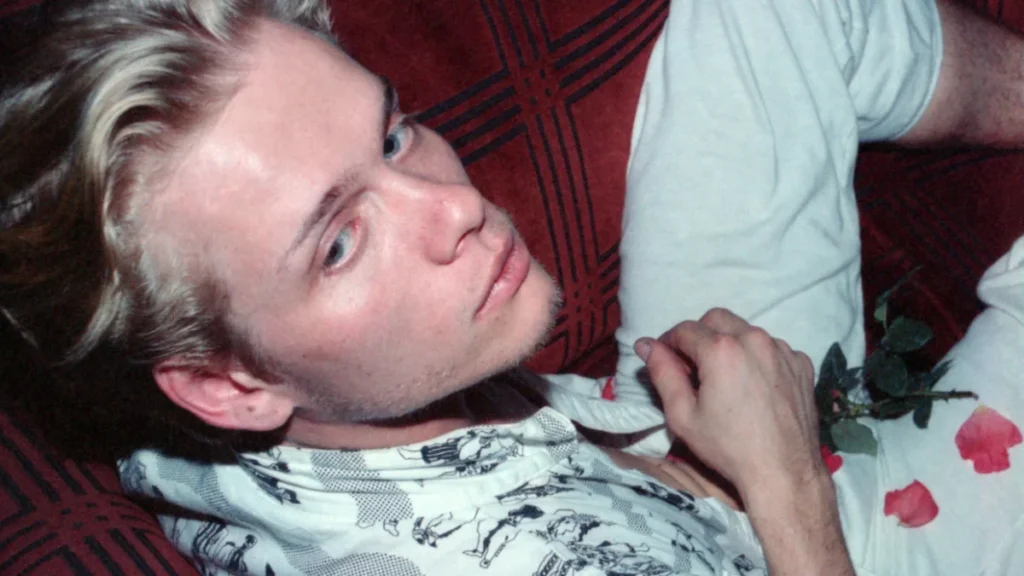
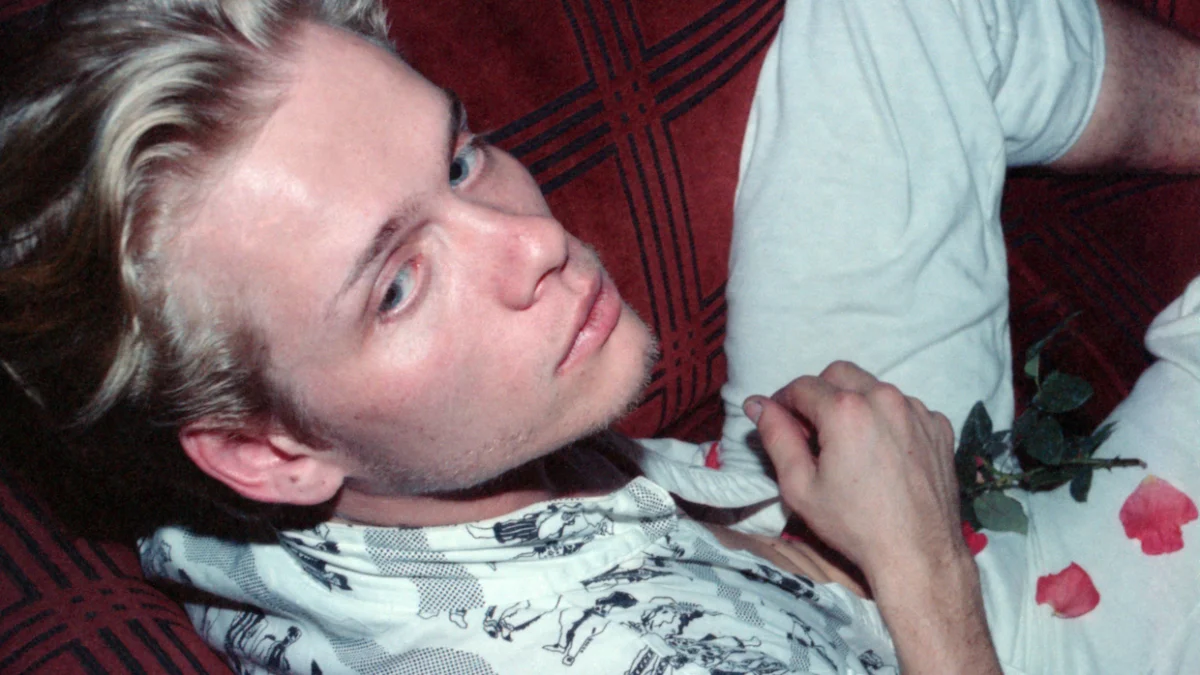
On October 28, 1990, the gruesome discovery of William Newton’s dismembered remains—his head and feet found in a West Hollywood dumpster by a transient—sent shockwaves through the local community. Newton, known professionally as Billy London, was a burgeoning figure in the adult film industry, a gay man who had journeyed from rural Wisconsin to the bustling, often hedonistic, streets of West Hollywood seeking acceptance and a place to belong. His murder briefly captured national media attention, yet the focus often veered towards stigmatizing the gay community amid the escalating HIV/AIDS epidemic, rather than a thorough investigation into the crime itself. Despite initial efforts, the case quickly grew cold, leaving family and friends without answers for decades.
Billy London’s story is emblematic of many queer individuals who flocked to urban centers like West Hollywood in the late 20th century, drawn by the promise of freedom and community, yet often vulnerable to societal prejudices and the dangers lurking within the very spaces meant to offer solace. His arrival as a teenager, hitchhiking to Los Angeles, paints a picture of a young man yearning for identity and connection in a world that often demonized his very existence. The 1980s and 1990s were a period of intense social and political upheaval for the LGBTQ+ community, marked by both growing visibility and fierce backlash, making the backdrop of London’s life and death particularly resonant.
West Hollywood: A Microcosm of an Era
Mason’s documentary is deeply rooted in the specific cultural milieu of West Hollywood’s Santa Monica Boulevard during the 1990s. This stretch was renowned as a haven for the gay community, a vibrant hub of nightlife, activism, and burgeoning subcultures. It was an era defined by the rise of VHS porn, gay magazines, and the influence of pioneering figures like adult film director Chi Chi LaRue, whose video awards ceremonies marked a distinct cultural moment. Filmmakers like Bruce LaBruce were experimenting with cyberpunk aesthetics, contributing to a diverse and often defiant queer artistic scene.
However, this vibrancy existed under the shadow of the HIV/AIDS crisis, which relentlessly ravaged the gay male community. The documentary subtly yet powerfully portrays this duality: a community characterized by its resilience, celebratory spirit, and quest for liberation, even as it grappled with immense loss and widespread societal discrimination. Rachel Mason herself, having grown up around her parents’ West Hollywood gay porn bookstore, Circus of Books, witnessed this firsthand. Her earlier documentary, Circus of Books, explored her family’s unique connection to this community, and it is from this personal history that My Brother’s Killer partially emerges. Mason recalls the constant stream of patrons who would disappear, succumbing to the virus, a tragic reality that shaped her understanding of the era. The sheer volume of death made individual losses, even a brutal murder, difficult to fully process at the time, underscoring the profound collective trauma experienced by the community.
The Documentary’s Personal Genesis and Investigative Journey
Rachel Mason’s connection to the story of Billy London runs deeper than a mere journalistic interest. Her work often takes on an "accidental personal" dimension, as she describes. The Circus of Books bookstore served as a community hub where Mason, as a child, interacted with many of the men who frequented it, including individuals like Billy London. The murder resonated with her, particularly in the context of the AIDS crisis. "How on earth does a gay man get murdered when everyone is getting killed [by AIDS]?" she pondered, a question that fueled her determination to uncover the truth.
The film’s title, My Brother’s Killer, carries a profound emotional weight. It was inspired by a casual remark from one of Billy Newton’s sisters, who asked Mason, "Have you been talking to my brother’s killer?" This haunting phrase became a central metaphor for Mason, extending beyond the individual perpetrator to encompass the broader societal forces that contributed to Newton’s death. Mason felt a strong sense of kinship with Billy, relating to his sisters’ grief as a sister to a gay brother herself. "Billy could have been my own brother," she reflects, emphasizing the deep personal investment in the project.
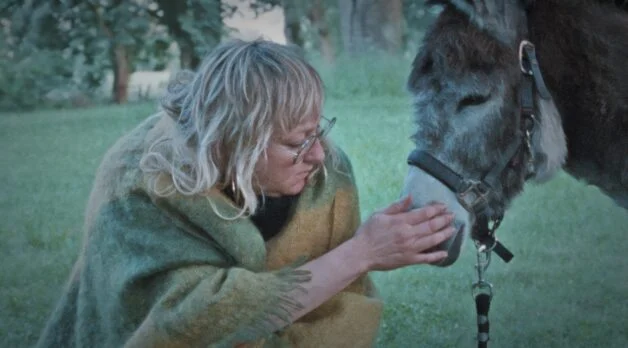
The investigative process, meticulously captured in the documentary, involved a confluence of unlikely factors and dedicated individuals. Old boyfriends and roommates of Billy London, true crime podcast hosts who had explored the cold case, a persistent LAPD detective, and even a determined empty nester in Billy’s hometown of Eau Claire, Wisconsin, all played crucial roles. Mason and her editor, Dion Labriola, employed keen filmmaking and forensic instincts to piece together a narrative that not only solved the murder but also illuminated the systemic brutalities that continue to echo in contemporary society.
The Cold Case Heats Up: A Decades-Long Pursuit of Justice
For decades, Billy London’s murder remained an unsolved mystery, one of countless cold cases that haunt law enforcement agencies across the country. Cold cases, defined by a lack of investigative leads and often spanning years or even decades, present significant challenges due to the fading of memories, loss of evidence, and the passing of witnesses or suspects. However, advancements in forensic science, coupled with the rise of true crime media and renewed public interest, have provided new avenues for investigation.
The turning point in Billy London’s case arrived unexpectedly, spearheaded by a persistent LAPD detective, John Lamberti, who refused to let the file gather dust. His approach, described by Mason as leaving "no stone unturned," proved pivotal. A crucial development emerged from an unlikely source: serial killer Jeffrey Dahmer. In 1991, homicide detectives in Milwaukee, while questioning Dahmer about various murders across the country, specifically inquired about Billy London’s case in Los Angeles. This documented interaction, a letter from Milwaukee detectives confirming Dahmer was questioned, became a key artifact in Mason’s film and reignited the LAPD’s investigation. While Dahmer was not connected to London’s murder, this lead inadvertently propelled the case back into active investigation, demonstrating how seemingly unrelated inquiries can provide critical momentum to cold cases.

The synergy between traditional law enforcement and modern media, specifically true crime podcasts, also played a significant role. These podcasts often generate renewed public interest and can sometimes uncover forgotten details or prompt witnesses to come forward, creating a collaborative environment that can be invaluable for cold case investigations. The documentary effectively showcases this multifaceted approach, presenting a timeline that moves from the initial shock and subsequent silence to the methodical unraveling of clues decades later.
Unmasking the Broader "Killer": Hate Crime and White Nationalism
Beyond identifying the individual perpetrator, My Brother’s Killer delves into a more profound analysis of the societal forces that enabled such violence. Mason explicitly states that Billy’s murder was a hate crime, deeply intertwined with the white nationalist skinhead movement that his killer was associated with. This movement, particularly active in the early 1990s, openly advocated for violence against gay people and non-white individuals. The timing of London’s murder, occurring shortly after a prominent white nationalist leader publicly called for increased attacks on gay and non-Aryan individuals, underscores the chilling ideological motivation behind the crime.
This historical context draws a stark parallel to contemporary societal issues. Mason highlights the terrifying resurgence of white nationalism and hate speech in the present day, noting that these movements are no longer confined to the underground but have found their way into mainstream political discourse. The documentary serves as a powerful reminder that the fight against prejudice and hate-motivated violence is ongoing.
However, Mason also emphasizes the incredible resilience and defiance that emerged from the oppressed gay community of that era. Despite facing immense brutality and the devastation of the AIDS crisis, the community remained vibrant and celebratory. Movements like Queer Nation, with its militant activism and defiant slogans such as "Hey, Bigots! An attack on one of us is an attack on all of us," exemplified this spirit. This era, preceding the widespread adoption of the LGBTQIA+ acronym, was characterized by diverse gay subcultures—punk rockers, preppies, and myriad other groups—each contributing to a rich, complex tapestry of identity and resistance, often without the connective tissue of modern social media. The film’s portrayal of this defiant joy amidst sorrow is a crucial element, showcasing how marginalized communities find strength and celebration even in the face of profound adversity.
The Art of Storytelling: Weaving Narrative and Meaning
The construction of My Brother’s Killer is a testament to the collaborative artistry of Rachel Mason and her editor, Dion Labriola. Labriola, a gay man from the Midwest born in the same year as Billy Newton, brought a unique and invaluable sensitivity to the project. Mason credits him with being indispensable, noting his personal connection to the victim’s generation and background. "I couldn’t have willed a more perfect editor for this film into existence," she states, highlighting Labriola’s dedication even without initial financing.
A pivotal element in the film’s narrative structure is Billy London’s own poetry. Mason discovered a collection of his stream-of-consciousness poems, preserved by his lover, Marc Rabins, who had also worked for Mason’s parents. One particular poem, titled "A Piece of Me" and featuring the recurring line "This piece here. That piece there," resonated profoundly with the gruesome circumstances of Billy’s murder. This poem bookends the film, serving as a powerful metaphorical device that not only hints at the dismemberment but also represents the piecing together of clues to solve the mystery. It provides Billy with his own voice, centering his humanity rather than solely his victimhood.
Mason and Labriola consciously chose to build suspense chronologically, aligning the film’s unfolding with the real-life discovery of information. They sought feedback from experienced filmmakers like Penelope Spheeris, whose notes were instrumental in crafting an engaging and compelling narrative. While classified as a true crime documentary for sales purposes, both Mason and Labriola envisioned it primarily as a "portrait of a person and a victim," ensuring Billy’s voice and humanity remained central. This approach elevates the film beyond a simple whodunit, transforming it into a nuanced exploration of identity, community, and historical justice.
Broader Impact and Contemporary Relevance
The resolution of Billy London’s murder, brought to light through My Brother’s Killer, offers a measure of closure to his family and the community that grieved his loss. However, the film’s impact extends far beyond this individual case. It serves as a vital addition to the historical record, particularly for understanding queer history in the late 20th century. By meticulously documenting the life of Billy London and the socio-political climate of West Hollywood during the AIDS crisis, the documentary enriches our understanding of a period often oversimplified or overlooked.
The film’s exploration of hate crimes and the insidious nature of white nationalism resonates deeply with contemporary concerns. As Mason points out, the movements and ideologies that fueled Billy’s murder are disturbingly visible today, underscoring the urgent need for continued vigilance and advocacy against all forms of prejudice. The enduring message from Queer Nation, "An attack on one of us is an attack on all of us," remains profoundly relevant, serving as a rallying cry for solidarity and collective resistance against hate.
My Brother’s Killer is not merely a story of crime and punishment; it is a testament to the power of memory, the resilience of marginalized communities, and the tireless pursuit of truth. It reminds us that every life lost to violence, especially hate-motivated violence, leaves an indelible mark and that justice, no matter how long delayed, can still be found. The documentary challenges viewers to reflect on the past, understand its echoes in the present, and commit to fostering a more inclusive and just future.