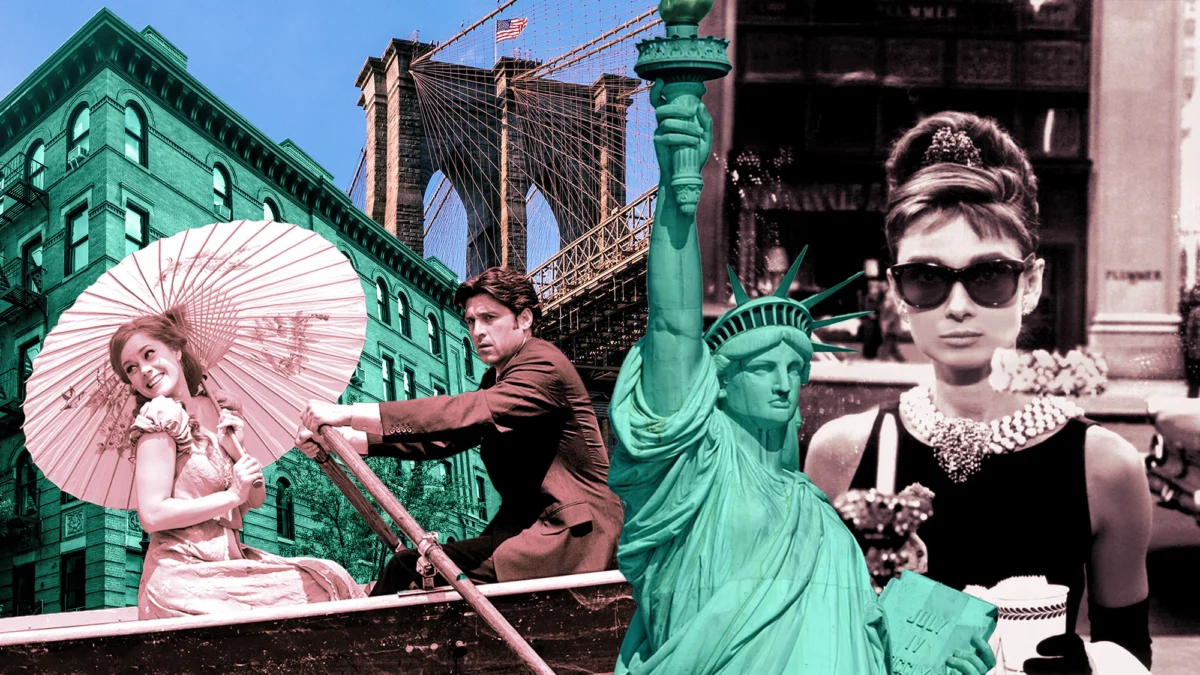
New York City, a sprawling metropolis home to over 8 million people, stands globally recognized not only as a crucible of finance, culture, and innovation but also as an indelible character in the annals of film and television. From the gritty realism of mid-20th-century dramas to the vibrant romantic comedies and cutting-edge television series of today, the city’s distinctive landscape, diverse neighborhoods, and iconic landmarks have provided an unparalleled backdrop for storytelling, cementing its status as one of the world’s most filmed locations. This deep symbiotic relationship between New York City and the entertainment industry has transcended mere aesthetics, evolving into a critical economic driver and a powerful shaper of global cultural perceptions.

A Storied History: New York’s Cinematic Evolution

The city’s journey to becoming a cinematic icon began almost as soon as motion pictures emerged. Early silent films often utilized New York’s bustling streets and burgeoning skyline to capture the dynamism of modern life. The Flatiron Building, Brooklyn Bridge, and Times Square were already recognizable symbols by the early 20th century, offering filmmakers a ready-made sense of place and grandeur. Classics such as D.W. Griffith’s The Musketeers of Pig Alley (1912), often cited as one of the earliest gangster films, showcased the city’s nascent urban grit.

As Hollywood’s golden age dawned, many productions, though studio-bound in California, frequently recreated New York on elaborate soundstages. However, the allure of authentic location shooting grew, particularly after World War II. Films like The Naked City (1948), celebrated for its pioneering documentary-style approach, famously concluded with the line, "There are eight million stories in the naked city. This has been one of them," underscoring the city’s vast human tapestry and its role as a living, breathing entity. This film, shot entirely on location, set a precedent for a more realistic portrayal of urban life.

The 1950s and 60s continued this trend, with masterpieces like On the Waterfront (1954), capturing the harsh realities of dockworkers in Hoboken (just across the Hudson), and Breakfast at Tiffany’s (1961), romanticizing Fifth Avenue and Central Park. The late 1960s and 1970s marked a pivotal shift, as New York City itself faced significant social and economic challenges. This era saw a surge in films that embraced the city’s darker, grittier side, reflecting contemporary anxieties. Martin Scorsese’s Taxi Driver (1976) depicted a decaying, morally ambiguous New York through the eyes of Travis Bickle, creating an indelible image of urban alienation. Simultaneously, films like The French Connection (1971) showcased exhilarating car chases through its labyrinthine streets, further solidifying the city’s reputation for raw, unvarnished realism.

The 1980s and 90s witnessed a resurgence of more romantic and comedic portrayals alongside the continued exploration of urban complexities. Ghostbusters (1984) famously turned the New York Public Library and a Tribeca firehouse into iconic supernatural battlegrounds. Nora Ephron’s When Harry Met Sally… (1989) wove its witty narrative through Washington Square Park, Katz’s Delicatessen, and the Metropolitan Museum of Art, transforming everyday New York locales into settings for timeless romance. The explosion of television in this period also found a natural home in New York, with groundbreaking shows like Seinfeld and Friends (though primarily studio-shot in LA, their narratives were intrinsically linked to NYC’s cultural fabric) defining a generation’s perception of apartment living and coffee shop culture in the city. More direct location shooting was evident in shows like Law & Order, which became a staple of network television, utilizing countless actual New York City streets, courthouses, and police precincts to lend authenticity to its procedural drama.

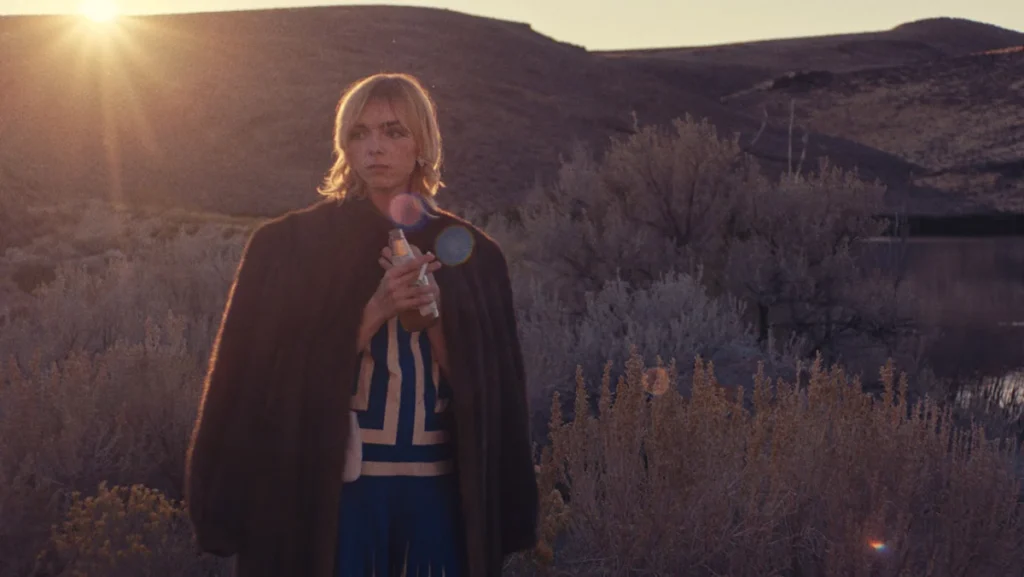
The 21st century has seen an unprecedented boom, fueled by technological advancements, the rise of streaming services, and robust state-level incentives. From superhero blockbusters like The Avengers (2012), which staged an epic battle for New York, to critically acclaimed dramas and comedies, the city remains a versatile and sought-after canvas. Contemporary titles, including a diverse range of productions like Love Story, Highest 2 Lowest, and Is This Thing On? (as referenced in the original prompt), continue to leverage the city’s dynamic character, ensuring that new generations of viewers worldwide experience New York through the lens of cinematic artistry.

Economic Powerhouse: The Industry’s Impact

Beyond its cultural significance, New York City’s film and television industry is a colossal economic engine. The Mayor’s Office of Media and Entertainment (MOME) reports that the industry contributes billions of dollars annually to the city’s economy and supports tens of thousands of jobs. Prior to the global pandemic, the sector was generating approximately $9 billion in economic activity each year and employing over 100,000 New Yorkers across various trades, including actors, directors, writers, crew members, caterers, transportation specialists, and equipment providers.

A significant catalyst for this sustained growth is the New York State Film Tax Credit program. Introduced in 2004 and periodically enhanced, this program offers eligible productions a fully refundable tax credit, typically ranging from 25% to 45% on qualified production expenditures. This incentive has proven instrumental in attracting both major studio blockbusters and independent productions, making New York a highly competitive destination compared to other global filming hubs. The impact extends far beyond direct production costs, creating a ripple effect throughout the local economy. Restaurants see increased business from crews, hotels house visiting talent and production staff, and local hardware stores, dry cleaners, and transportation services all benefit from the constant demand generated by film and television shoots.

Furthermore, the industry significantly bolsters tourism. The phenomenon of "set-jetting," where travelers visit locations featured in their favorite movies and TV shows, is particularly strong in New York. Fans flock to places like the steps of the Metropolitan Museum of Art (featured in Gossip Girl), Katz’s Delicatessen (from When Harry Met Sally…), or the iconic Friends apartment building in Greenwich Village, directly contributing to the city’s tourism revenue and reinforcing its global appeal.

Navigating the Urban Landscape: Official Responses and Regulatory Framework

Managing the sheer volume of productions in a dense urban environment like New York City requires sophisticated coordination. The Mayor’s Office of Media and Entertainment (MOME) plays a crucial role in this ecosystem. MOME serves as the primary liaison between film and television productions and various city agencies, streamlining the permitting process for street closures, park access, and other logistical necessities. The office is responsible for issuing thousands of permits annually, ensuring that filming activities can proceed efficiently while minimizing disruption to residents and businesses.

Officials within MOME frequently emphasize the city’s unwavering commitment to fostering a vibrant and supportive environment for the entertainment industry. "New York City offers an unparalleled combination of iconic locations, a vast talent pool, and robust infrastructure," stated a MOME representative in a recent industry report, "Our role is to ensure that productions can access these resources effectively, maintaining our status as a world-class filming destination while prioritizing the quality of life for our residents." The office actively works to balance the economic benefits of filming with the inevitable challenges, such as temporary traffic congestion, noise, and parking restrictions. Community outreach and clear communication protocols are essential components of MOME’s strategy to address resident concerns and ensure smooth operations.

The city also boasts a robust network of soundstages and post-production facilities, further solidifying its infrastructure. Major studios like Silvercup Studios in Long Island City and Steiner Studios in Brooklyn provide state-of-the-art facilities, allowing for both on-location and studio-based shooting, which is critical for long-running television series. This comprehensive infrastructure, coupled with the city’s diverse and experienced workforce, makes New York a self-sufficient production hub capable of handling projects of any scale.

Iconic Locations and Their Enduring Cinematic Legacies

New York City’s architectural marvels and distinctive neighborhoods are characters in themselves, each with a rich cinematic history.

- Central Park: This 843-acre urban oasis has been a recurring star in countless productions. From the horse-drawn carriage rides in When Harry Met Sally… to the romantic strolls in Love Story, the ice skating in Home Alone 2: Lost in New York, and the various chase scenes in action films, Central Park embodies both serenity and dynamic urban life. Its Bethesda Terrace, Bow Bridge, and Gapstow Bridge are instantly recognizable worldwide.
- Times Square: The "Crossroads of the World" epitomizes the dazzling, often overwhelming energy of New York. Its neon-lit spectacle provided a stark, almost hallucinatory backdrop for Travis Bickle’s descent in Taxi Driver and a futuristic urban landscape in films like Vanilla Sky. It’s a perennial setting for celebratory scenes, urgent news reports, and moments of dramatic revelation in blockbusters.
- Brooklyn Bridge: A marvel of 19th-century engineering, the Brooklyn Bridge is more than just a crossing; it’s a symbol of connection, aspiration, and resilience. It features prominently in establishing shots, romantic sequences, and dramatic escapes across genres, from Godzilla to countless dramas and romantic comedies. Its pedestrian walkway offers panoramic views of Manhattan, making it a favorite for filmmakers capturing the city’s grandeur.
- Grand Central Terminal: This Beaux-Arts masterpiece is not just a transportation hub but a grand stage. Its iconic main concourse has hosted everything from the tense espionage of North by Northwest to the climactic alien invasion in The Avengers and the mysterious arrivals in Men in Black. The sheer scale and architectural beauty of Grand Central make it an unforgettable setting.
- Greenwich Village: Known for its bohemian spirit, historic brownstones, and tree-lined streets, Greenwich Village has long been a haven for artists and intellectuals. It’s the quintessential setting for independent films, character-driven dramas, and romantic comedies, embodying a more intimate, neighborhood-centric New York. The Friends apartment building, though primarily an exterior shot, draws legions of fans to its Bleecker Street intersection.
- Lower Manhattan (Financial District, Tribeca, SoHo): These areas represent the historical and modern heart of the city. The narrow, cobblestone streets of Tribeca, the cast-iron architecture of SoHo, and the towering skyscrapers of the Financial District offer diverse visual textures. They’ve served as backdrops for everything from gritty crime dramas to sophisticated thrillers and the headquarters of fictional financial empires.
Broader Impact and Future Outlook

The continuous stream of films and television series shot in New York City has a profound impact on its cultural identity and global perception. It crafts the image of the city for millions who may never visit, shaping their understanding of its vibrancy, diversity, and challenges. This "soft power" extends NYC’s influence far beyond its geographical boundaries, making it a universal symbol of urbanity.

Looking ahead, New York City’s role in the entertainment industry is poised for continued evolution. The proliferation of streaming services has created an insatiable demand for content, with many platforms actively seeking authentic, diverse storytelling that New York naturally provides. There’s an increasing emphasis on showcasing the city’s myriad cultures and communities, moving beyond traditional Manhattan-centric narratives to highlight the distinct character of boroughs like Brooklyn, Queens, and the Bronx. Technological advancements in virtual production and special effects will continue to enhance storytelling capabilities, yet the irreplaceable authenticity of New York’s real-world locations will ensure its enduring appeal.

Challenges persist, including managing the increasing demands of production with urban density, ensuring sustainable practices, and fostering greater diversity and inclusion within the industry workforce. However, the symbiotic relationship between New York City and the entertainment world remains robust. As the city constantly reinvents itself, so too does its cinematic reflection, ensuring that New York will continue to be a dynamic character in countless stories yet to be told, forever captivating audiences worldwide.