Universal Pictures is set to embark on a highly anticipated new chapter for its beloved The Mummy franchise, with the confirmation that veteran actor John Hannah will reprise his iconic role, reuniting with original stars Brendan Fraser and Rachel Weisz. This reunion signals a significant return to the roots of the horror-adventure series that captivated audiences at the turn of the millennium. The project will be helmed by the critically acclaimed directorial duo Matt Bettinelli-Olpin and Tyler Gillett, collectively known as Radio Silence, whose impressive track record includes revitalizing the Scream franchise and delivering the hit Ready or Not films. David Coggeshall, known for his work on The Family Plan and Orphan: First Kill, has penned the script for this eagerly awaited installment.
A Nostalgic Resurgence: The Core Trio’s Return
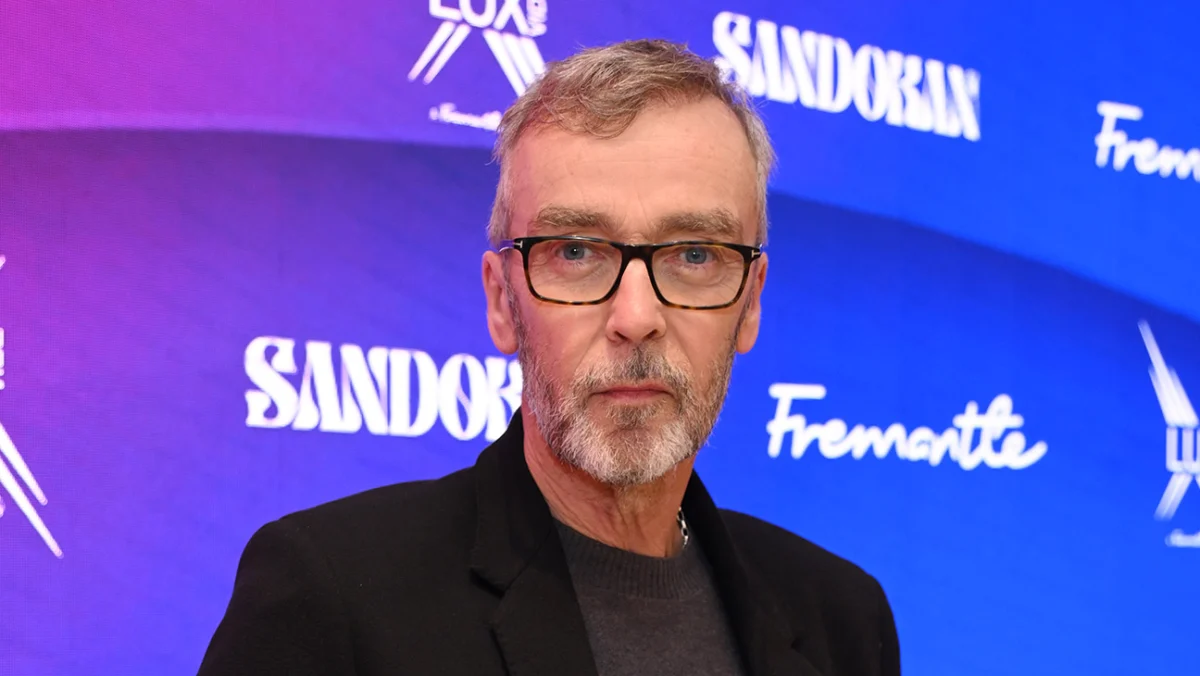
The news of John Hannah’s involvement has sent waves of excitement through the fanbase, confirming the return of the beloved comedic relief character, Jonathan Carnahan. Hannah’s portrayal of Jonathan, the perpetually scheming and often bumbling brother of Rachel Weisz’s Evelyn Carnahan, was a cornerstone of the original films’ charm, providing a crucial balance to the action and horror elements. His character, always seeking personal gain amidst supernatural chaos, consistently found himself entangled in epic adventures, often ending up with a modest treasure despite the larger stakes. Hannah appeared in all three films of the original trilogy alongside Brendan Fraser, while Rachel Weisz starred in the first two before Patricia Velásquez took over the role of Anck-su-namun and Maria Bello stepped in as Evelyn for The Mummy: Tomb of the Dragon Emperor. The current announcement explicitly states Weisz’s return, marking a full-circle moment for the franchise’s central trio.
Brendan Fraser’s return, in particular, has been a subject of fervent fan desire for years. Following a period away from major studio productions, Fraser has experienced a remarkable career resurgence, dubbed the "Brenaissance," culminating in an Academy Award win for Best Actor for his profound performance in The Whale (2022). His comeback has been met with widespread acclaim and goodwill from both critics and audiences, making his reprisal of adventurer Rick O’Connell an incredibly powerful draw for the new film. Rachel Weisz, too, has maintained a distinguished career since her last Mummy appearance, earning an Academy Award for Best Supporting Actress for The Constant Gardener (2005) and starring in a diverse range of acclaimed films and television series, further elevating the prestige of this reunion. Her return as the intelligent and spirited Evelyn Carnahan is crucial for recapturing the original films’ dynamic chemistry and narrative heart.
The Creative Minds Behind the Revival
The selection of Matt Bettinelli-Olpin and Tyler Gillett of Radio Silence to direct the new Mummy film is a strategic move by Universal, signaling a clear direction for the franchise. The filmmaking collective has proven their ability to breathe new life into established properties while honoring their legacy, as demonstrated by their successful revitalization of the Scream franchise. Their Scream (2022) and Scream VI (2023) films were critical and commercial hits, successfully blending nostalgic elements with fresh, contemporary storytelling. Their work on Ready or Not (2019) showcased their talent for crafting suspenseful, darkly comedic, and action-packed narratives, a tonal blend that aligns perfectly with the spirit of the original Mummy movies. This expertise in genre-blending and maintaining a balance between humor and genuine thrills makes them an ideal choice to steer the franchise back to its beloved roots.
David Coggeshall, the screenwriter for this installment, brings experience from both family-oriented action-comedies like The Family Plan and darker horror thrillers such as Orphan: First Kill. This diverse background suggests an ability to weave together the various thematic threads—adventure, horror, comedy, and familial bonds—that defined the initial Mummy films. The plot details are currently being kept under wraps, or as Universal playfully puts it, "in the sarcophagus." However, the involvement of these creative talents suggests a focus on compelling character dynamics, thrilling set pieces, and a fresh take on ancient curses, while still paying homage to the elements that made the original films so popular.
Production Timeline and Key Dates
Universal has set a theatrical release date of May 19, 2028, for the new Mummy feature. This extended lead time suggests a meticulous pre-production process, allowing the filmmakers ample opportunity to develop the script, conceptualize visual effects, and plan the ambitious scope expected of a blockbuster adventure. Principal photography is scheduled to commence in the fall of this year, with filming locations spanning the historic and atmospheric landscapes of London and Morocco. London, with its rich history and cinematic infrastructure, will likely serve as a hub for interior scenes and potentially urban sequences, while Morocco, known for its stunning desert vistas and ancient architecture, will undoubtedly provide the authentic, evocative backdrops essential for a Mummy adventure set in the heart of ancient mystery.
As an "amuse-bouche" for fans, Universal will rerelease The Mummy Returns (2001) in theaters nationwide on March 27, 2026. This strategic rerelease will coincide with the film’s 25th anniversary, offering both a nostalgic trip for long-time fans and an opportunity to introduce the classic to a new generation of viewers. It serves as a shrewd marketing move, designed to reignite excitement for the franchise and remind audiences of the enduring appeal of Brendan Fraser, Rachel Weisz, and John Hannah’s chemistry before the new film’s debut.
Legacy and Evolution of The Mummy Franchise
The original The Mummy (1999) was a runaway success, grossing over $416 million worldwide on a $80 million budget. Directed by Stephen Sommers, it masterfully blended elements of classic Universal monster horror with swashbuckling adventure reminiscent of Indiana Jones and a healthy dose of comedic banter. It introduced audiences to the charismatic treasure hunter Rick O’Connell (Fraser), the brilliant but sometimes clumsy Egyptologist Evelyn Carnahan (Weisz), and her perpetually opportunistic brother Jonathan (Hannah). Their accidental awakening of the vengeful High Priest Imhotep (Arnold Vosloo) launched a thrilling saga that resonated deeply with audiences globally. The film was praised for its innovative visual effects, thrilling action sequences, and the undeniable chemistry of its lead cast.
Its sequel, The Mummy Returns (2001), continued the story, introducing Rick and Evelyn’s son, Alex, and featuring the debut of Dwayne "The Rock" Johnson as the Scorpion King. This film also performed exceptionally well at the box office, solidifying the franchise’s standing. However, The Mummy: Tomb of the Dragon Emperor (2008), which saw Rob Cohen take over directorial duties and Maria Bello replace Rachel Weisz, received a more mixed reception, though it still achieved commercial success. The franchise also spawned the Scorpion King spin-off series, further expanding its universe.
Universal’s relationship with its classic monster properties has been a complex journey. After the initial success of The Mummy trilogy, the studio attempted a bold new strategy in 2017 with a reboot starring Tom Cruise, intended to kickstart a "Dark Universe" shared cinematic universe for its iconic monsters. This ambitious project, however, failed to resonate with critics or audiences and was a significant box office disappointment, leading Universal to reassess its approach. The failure of the 2017 reboot underscored a crucial lesson: that audiences connect not just with monster lore, but with compelling characters, genuine thrills, and a distinct tone. The decision to bring back the original cast and creative spirit for this new installment suggests Universal has learned from past endeavors, opting for a nostalgia-driven, character-centric revival rather than another attempt at a sprawling shared universe. This pivot reflects a broader industry trend where studios are increasingly revisiting beloved franchises with their original casts, capitalizing on built-in fanbases and the powerful draw of nostalgia.
Production Team and Executive Oversight
The new Mummy film benefits from a blend of returning veteran producers and fresh, successful blood. Sean Daniel, who produced the original Mummy movies with his late partner James Jacks, is back as a producer, providing a vital link to the franchise’s successful past. Joining him are William Sherak, James Vanderbilt, and Paul Neinstein, who will produce under their Project X Entertainment banner. Project X Entertainment has been instrumental in the recent successes of Radio Silence, having produced films like Abigail and the aforementioned Scream movies, ensuring a cohesive creative partnership between the directors and producers.
Adding further weight to the production, Brendan Fraser himself will serve as an executive producer, alongside Jason F. Brown of Hivemind. Fraser’s involvement in an executive capacity not only underscores his commitment to the project but also suggests a significant creative input, reassuring fans that the spirit of the original films will be carefully preserved.
John Hannah’s Illustrious Career
Beyond his memorable role as Jonathan Carnahan, John Hannah boasts a distinguished career spanning decades across film, television, and theatre. The Scottish actor first gained widespread international recognition for his poignant and comedic performance as Matthew in the 1994 romantic comedy classic Four Weddings and a Funeral, a role that solidified his status as a scene-stealer. His versatility has allowed him to tackle a wide array of genres and characters.
On television, Hannah has had prominent roles in several acclaimed series. He was a key figure in the Starz historical drama Spartacus, portraying Quintus Batiatus’s right-hand man, Lucius. He also ventured into the Marvel Cinematic Universe, appearing in Agents of S.H.I.E.L.D. as Dr. Holden Radcliffe, an ethically ambiguous scientist. More recently, he has graced screens in critically lauded productions such as HBO’s The Last of Us, where he delivered a powerful guest performance, and Charlie Brooker’s dystopian anthology series Black Mirror. His consistent presence in high-profile projects, coupled with his ability to imbue characters with both humor and depth, makes his return to The Mummy a significant asset. Hannah is represented by Artist’s Rights Group and Felker Toczek, reflecting his established presence in the entertainment industry.
Broader Implications and Anticipation
The decision to revive The Mummy with its original, beloved cast and a team of directors known for revitalizing dormant franchises is a calculated and potentially highly rewarding move for Universal Pictures. In an era dominated by intellectual property and a strong appetite for nostalgia, this project taps directly into a wellspring of audience affection. The "Brenaissance" surrounding Brendan Fraser, coupled with Rachel Weisz’s enduring star power and John Hannah’s iconic comedic timing, creates a formidable ensemble that promises to recapture the magic of the original films.
The long lead time to the 2028 release date allows for careful crafting and extensive marketing, building anticipation over several years, further bolstered by the 25th-anniversary rerelease of The Mummy Returns. This approach suggests Universal is committed to delivering a high-quality production that can stand alongside its predecessors, rather than a rushed reboot. The global box office potential for such a project is immense, given the international appeal of the original films and the universal themes of adventure, ancient curses, and heroic escapism. As the project moves into production, fans around the world will undoubtedly be watching closely, eager to see how this beloved family reunites to once again face the ancient horrors of the world.