The inaugural volume of Tower of God establishes a compelling, albeit familiar, narrative framework: a shonen bildungsroman intertwined with the archetypal Hero’s Journey. This story, however, distinguishes itself by grounding its profound themes of social inequity in the visceral thrill of advanced technology and its acquisition. At its core, the series interrogates the concept of upward mobility within a rigidly stratified society, where the promise of advancement is tantalizingly close, yet seemingly insurmountable for those at the lowest rungs. The narrative masterfully leverages the allure of "cool gear" as a tangible catalyst for change, transforming a classic tale of struggle into a dynamic exploration of technological empowerment and rebellion.
The Abyss of Despair: Kuro’s Subjugation
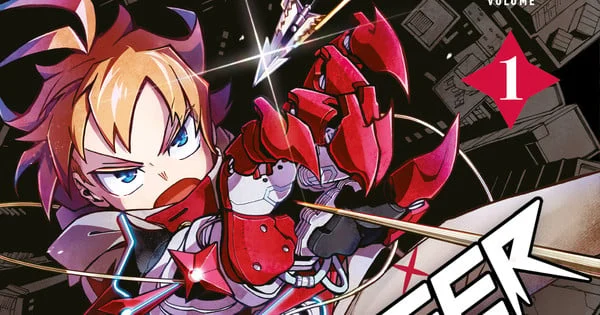
The protagonist, Kuro, embodies the nadir of this oppressive social structure. Existing as a slave among slaves, his existence is defined by relentless physical and emotional abuse at the hands of his master, a figure whose authority is derived from his ownership of another sentient being. Kuro’s life is a bleak landscape devoid of hope, punctuated only by fleeting glimpses of a distant light – a symbol of a world beyond his immediate suffering. This yearning for something more, this act of daring to dream, subjects him to even greater torment. His master, a character exhibiting the pathological rage often associated with individuals wielding power over the powerless, perpetuates a cycle of violence fueled by his own insecurities. Tales of an eternal, bright fire at the apex of the Tower circulate among the downtrodden, offering a mythical beacon of hope. Yet, the Tower itself, a monumental structure symbolizing societal hierarchy, is engineered to perpetually suppress Kuro and his fellow slaves. The narrative pivots when Kuro, following the death of his sole remaining relative, discovers a pair of sophisticated robotic claws. This discovery ignites a fervent vow to escape the confines of his predetermined fate.
The Ascent Begins: Echoes of Classic Narratives
The foundational premise of Kuro’s journey resonates with established literary tropes. His life, confined to the literal lowest echelon of society, necessitates a radical departure. He is compelled to abandon everything he knows to embark on a perilous climb up the literal precipice of societal structure. This act of leaving is not merely an option but an imperative, as he possesses nothing left to lose. Along this arduous path, Kuro is destined to encounter both allies and adversaries, each interaction shaping his trajectory as he "rises" toward the pinnacle of his world.
His initial companion is Hopper Legwing, a character whose deeply ingrained cynicism serves as a stark contrast to Kuro’s burgeoning hope. Hopper reveals that Kuro is wielding a remarkable "Gizmo," specifically identified as the Gazer Claw. This revelation marks a critical juncture, shifting the narrative from a purely existential struggle to one imbued with technological potential.
Beyond the Grail Quest: Legacy and Mystery
While the narrative initially suggests a quest akin to the pursuit of a Holy Grail – an object of immense significance that must be attained through arduous effort – the execution of this foundational quest proves to be the least developed aspect of the initial volume. The act of "rising" is presented not merely as a physical ascent but as a profound act of rebellion, a path to redemption, and a reclaiming of legacy. Both Kuro and Hopper harbor connections to individuals who may have "risen" approximately fourteen years prior. The fate of these predecessors remains enigmatic, leaving open the possibility of their survival, particularly given their successful transmission of their Gizmos down through generations. The broader narrative concerning the upper echelons of the Tower hints at a vague lore of unlimited energy or other similarly intriguing, yet ultimately underdeveloped, concepts.
When Hopper produces a fragmented portion of a book containing critical information, Kuro’s belief solidifies. He is convinced that the Gazer Claw he now wields is the key to locating his father, who, like him, once "rose" from the depths of slavery. Hopper then guides Kuro to Glass, an information broker who orchestrates their next move: becoming "cyberhobos" aboard a freight train, a journey that symbolizes their transition to a more nomadic and resourceful existence. This segment of the narrative evokes the spirit of classic "Boys’ Own Adventures," a genre that often features young protagonists embarking on perilous journeys into the unknown. Kuro, a boy estranged from his father, mirrors archetypal characters setting out to change the world and potentially reclaim their family’s legacy. This echoes narrative devices observed in works like One Piece, where the absence of a parent often serves as a catalyst for the protagonist’s grand adventure.
Artistic Vision: The Power of Dynamic Imagery
The artistic execution of the series is particularly striking when it emphasizes action, which constitutes a significant portion of the narrative. Whether depicting Kuro’s street-level skirmishes or his broader confrontations with the established order, the artwork conveys a palpable sense of energy and intensity. The artist, Titan, employs subtitled sound effects extensively, which, while contributing to a visually crowded page, is an understandable choice given the sheer volume of auditory cues being translated into visual representation. This stylistic decision effectively enhances the dynamism of the action sequences, immersing the reader in the visceral experience of the unfolding events.
Unfolding Horizons: The Promise of Future Volumes
It is evident that further adventures await Kuro, Hopper, and a growing cohort of Gizmo users. Their immediate objectives will likely involve locating the remaining fragments of the book, continuing their ascent of the Tower, and uncovering the truth about their world and the events of fourteen years prior. In its ambitious endeavor to craft a grand adventure, the narrative occasionally sacrifices plot coherence, opting instead to inundate the reader with a rapid succession of events. While the desire to see Kuro "rise" and instigate positive change is compelling, the plot elements often feel less like organic clues and more like contrived complications designed to elicit a reactive response from the protagonist. The first volume, in particular, struggles to elucidate the "why" or "how" behind the societal structure. The existence of the Tower and the inherent inequity are presented as immutable facts, leaving the reader to assume that subsequent volumes will provide the necessary exposition.
A Multifaceted Narrative: Strengths and Weaknesses
Despite its narrative shortcomings, the book is far from being a failure. However, it demonstrably attempts to juggle too many thematic and plot elements simultaneously. Kuro’s struggle against a seemingly insurmountable set of adversities is inherently relatable, and his unwavering pursuit of "rising," augmented by his Gizmo, which grants him both technological superiority and enhanced physical prowess, is commendable. The societal structure, while thinly defined, requires the reader to accept its premise of literal top and bottom strata, serving as a broad metaphor for social mobility, societal inequity, and the inherent injustice of subjugation. While the message that "slavery is bad" is implicitly present, it is not the primary focus. This ambition to explore multiple facets, while admirable, leaves one wishing for a more thoroughly developed conceptual foundation.
An interesting observation is the complete absence of an age rating on the book. The narrative’s tone and thematic focus might suggest a target audience of tweens, yet the level of violence depicted leans more towards an adult readership. This discrepancy may present a challenge for potential readers attempting to gauge its suitability.
Conclusion: A Promising, Yet Unpolished, Beginning
For readers seeking a meticulously crafted plot, this volume may prove disappointing. However, for those who appreciate action-oriented narratives featuring a young protagonist overcoming significant obstacles, this manga offers a compelling experience. The core appeal lies in Kuro’s tenacious spirit and the visually engaging depiction of his struggle. The promise of technological advancement as a means of social liberation, coupled with the enduring allure of a heroic ascent, positions Tower of God as a series with considerable potential, provided it can refine its narrative focus in future installments. The series’ success will hinge on its ability to weave its ambitious thematic threads into a more cohesive and explanatory narrative tapestry.