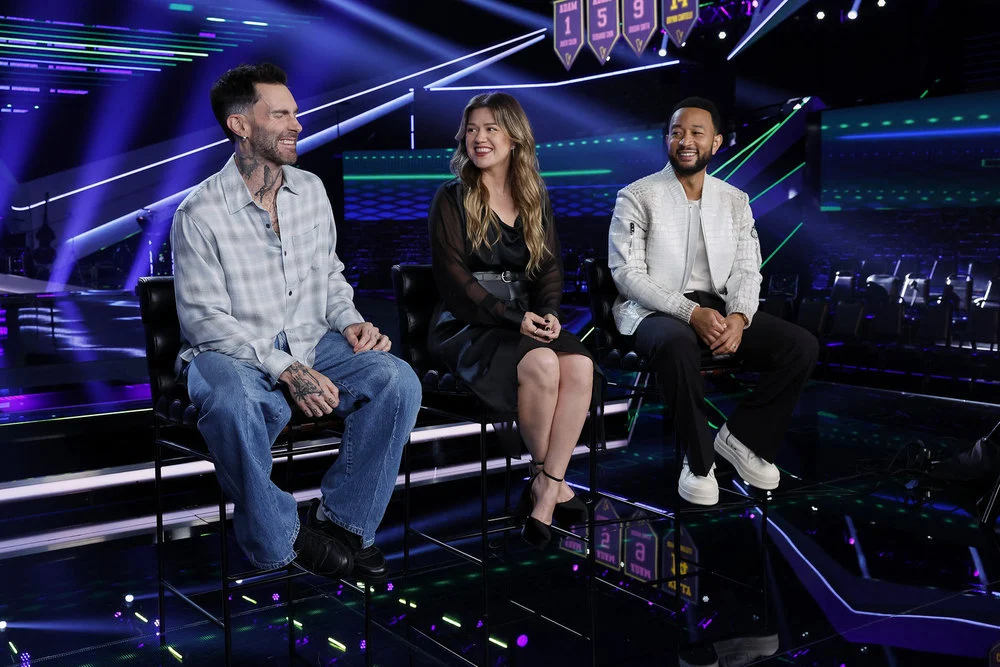
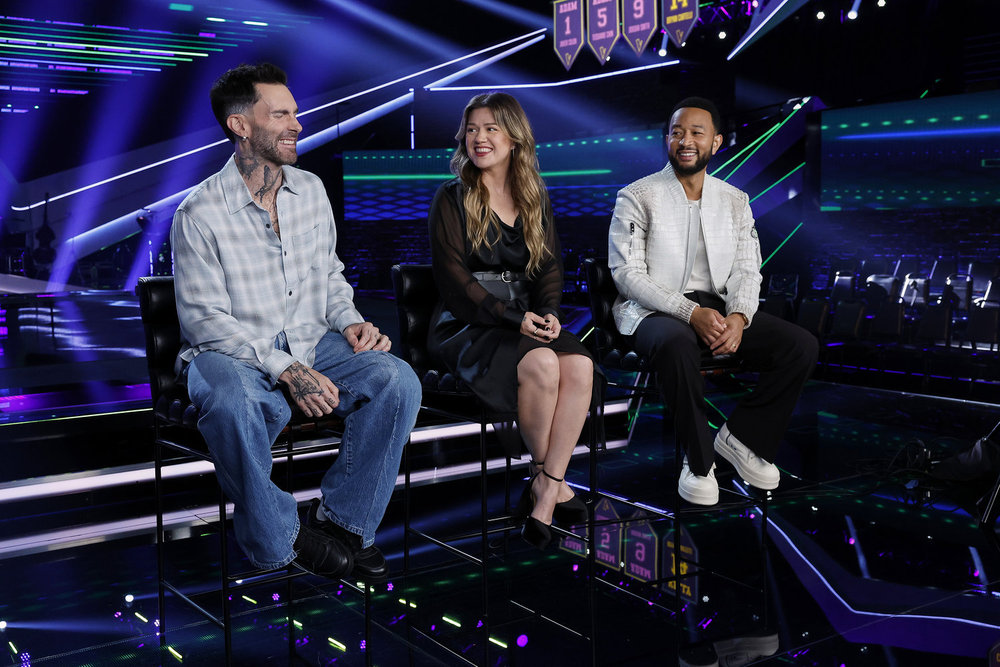
The transition from the Battle Rounds to the Knockouts on Season 29 of NBC’s long-running vocal competition, The Voice, has officially commenced, marking a pivotal shift in the tournament’s trajectory. Following the intense culling of the talent pool during the Battles, coaches John Legend, Adam Levine, and Kelly Clarkson entered this phase with rosters consisting of six artists each. Unlike previous rounds where coaches often have the safety net of "Steals" or "Saves" to rescue eliminated contestants, the current Knockout Round is defined by its high-stakes, "sudden death" format. For the first time this season, the power rests entirely with the individual coaches to determine who advances to the Semifinals, with no external interventions allowed. This shift in rules forces a more rigorous evaluation of vocal consistency, stage presence, and marketability.
The structure of the Knockouts remains one of the most demanding phases of the competition. Contestants are paired by their coaches but are granted the autonomy to select their own songs—a move designed to showcase their artistic identity and musical direction. This autonomy serves as a litmus test for the artists’ self-awareness and their ability to handle the pressure of a head-to-head performance on a national stage. To assist in this critical juncture, the production brought in seasoned industry veterans as Mega Mentors. Team Legend and Team Adam received guidance from CeeLo Green, an original coach whose return to the franchise provides a bridge to the show’s foundational years. Meanwhile, Team Kelly was mentored by multi-Grammy Award winner Michael Bublé, whose expertise in vocal phrasing and performance dynamics offered a different perspective for Clarkson’s diverse roster.
The Evolution of the Season 29 Competition
Season 29 has been framed by NBC as an "All-Star" iteration of the franchise, a designation that has heightened expectations for both the contestants and the coaching panel. The return of Adam Levine to the red chair after a multi-season hiatus has reinvigorated the show’s internal chemistry, particularly his storied rivalry with Kelly Clarkson and his mutual respect for John Legend. Data from the preliminary rounds suggests that the talent level in Season 29 is among the highest in the show’s history, with a significant percentage of the Top 18 possessing professional-grade recording experience or viral social media backgrounds.
The elimination of Steals and Saves in this specific Knockout Round is a strategic production choice. According to historical competition data, removing these lifelines during the mid-game forces coaches to make "hard cuts," which often results in more focused and competitive Semifinals. It also eliminates the "safety net" mentality that can sometimes lead to complacent performances. As the artists took the stage, the atmosphere in the studio reflected the gravity of the situation: one song would either propel them toward the finale or end their journey on The Voice.
Opening Matchups: Team Legend and the Battle of Stylistic Identities
The night began with Team Legend’s Lucas West and Moses G. This pairing was particularly noteworthy because Moses G. had been a "Steal" for Legend during the Battle Rounds, originally starting the season on Team Adam. The narrative of the "stolen" artist seeking redemption is a recurring theme in the franchise, and Moses G. leaned into this by selecting the Marvin Gaye classic, "Let’s Get It On." Conversely, Lucas West chose to showcase his technical precision with Billy Joel’s "New York State of Mind."
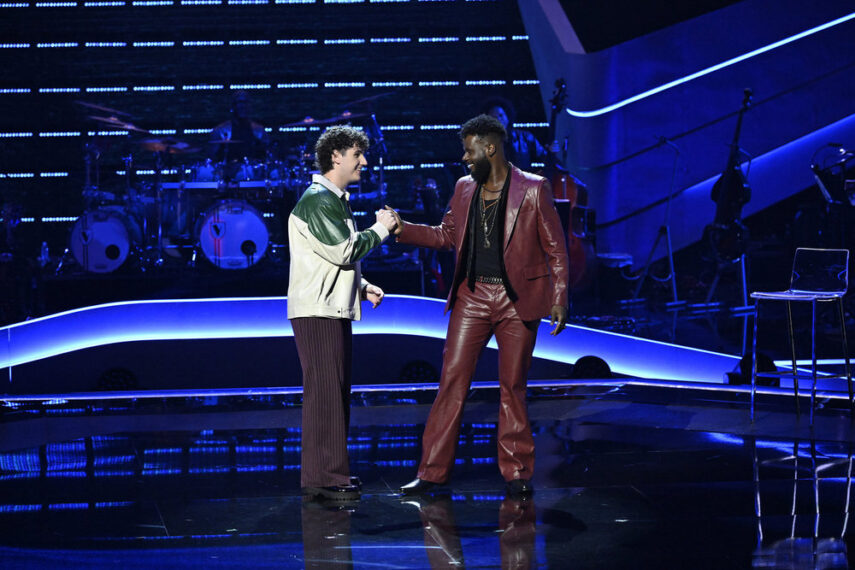
The contrast in styles presented a difficult choice for Legend. Moses G. focused on charisma and physical performance, a move that prompted Adam Levine to remark that the song cannot be performed effectively without the specific energy Moses brought to the stage. However, Lucas West’s performance was characterized by vocal evolution. Kelly Clarkson noted that while Moses made her "happy," Lucas was the stronger competitor in terms of vocal growth. John Legend ultimately prioritized the "new things" Lucas demonstrated vocally, selecting him as the winner. This decision underscored a broader trend in Season 29: coaches are favoring technical progression over purely charismatic performances as they look toward the Semifinals.
Team Kelly’s Country Duel and the "Competition Ready" Standard
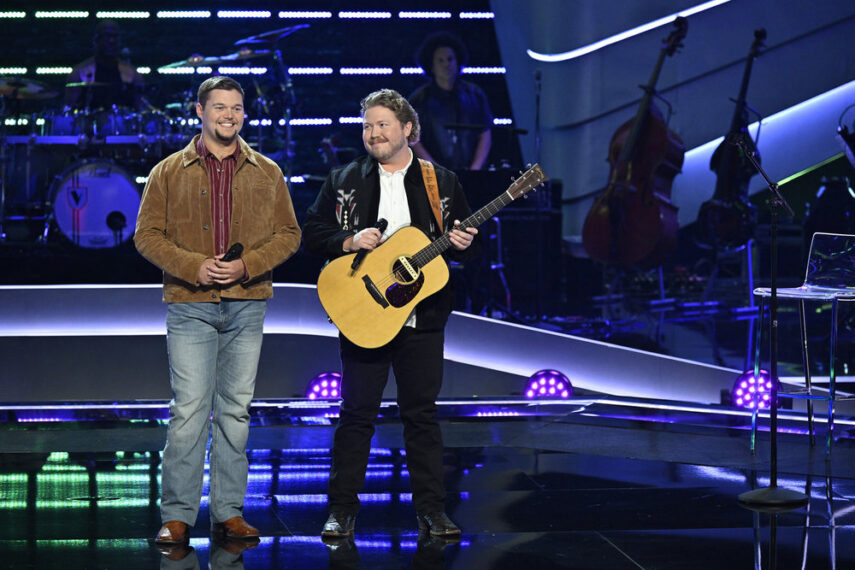
Kelly Clarkson, often recognized for her success with country and powerhouse vocalists, paired Houston Kelly and JW Griffin in a battle of "country dudes." Houston Kelly performed "Love You Anyway" by Luke Combs, while JW Griffin opted for the gritty, bluegrass-infused "If It Hadn’t Been for Love" by The SteelDrivers.
The feedback from the panel highlighted the nuance required in modern country music. John Legend praised the "warmth" of Houston’s delivery but was visibly impressed by the "crackle" in JW’s tone, suggesting that JW’s voice had immediate radio viability. Adam Levine went as far as to declare himself a fan of JW, stating he would buy a ticket to his concert. Clarkson’s final decision was based on a pragmatic assessment of the competition’s demands. She selected JW Griffin, citing that he was "a little more ready for competition right now." This rationale reflects the increased pressure on coaches to field artists who can withstand the rigors of live television and public voting.
Team Adam: Powerhouse Vocals vs. Artistic Authenticity
One of the most anticipated matchups of the evening occurred within Team Adam, featuring Alexia Jayy and Bay Simpson. Alexia Jayy took a significant risk by choosing Whitney Houston’s "You Give Good Love," a song that requires immense vocal control and range. Bay Simpson counter-programmed with the alternative rock staple "One Headlight" by The Wallflowers.
The reactions from the coaches were among the most enthusiastic of the season. Clarkson, moved by Alexia’s performance, compared her vocal quality to a hybrid of Whitney Houston and Lauryn Hill. While the panel acknowledged Bay Simpson’s "cool" and authentic vibe, Levine was faced with the reality of Alexia’s rare vocal gift. He described her voice as one of the best he had ever heard in the history of the show. Despite his appreciation for Bay’s artistry, Levine chose Alexia Jayy to move forward, reinforcing the idea that in an "All-Star" season, raw vocal power often trumps stylistic niche.
Strategic Risks: Team Kelly and the "Coach’s Song" Gambit
Liv Ciara, whom Clarkson had saved using her "Super Steal" in the Battles, faced off against Abigayle Oakley. In a bold strategic move, Liv chose to sing Clarkson’s own hit, "Breakaway." Singing a coach’s song is historically a high-risk, high-reward strategy on The Voice; it can either demonstrate a deep connection to the mentor’s work or highlight the contestant’s vocal deficiencies in direct comparison to the original artist.
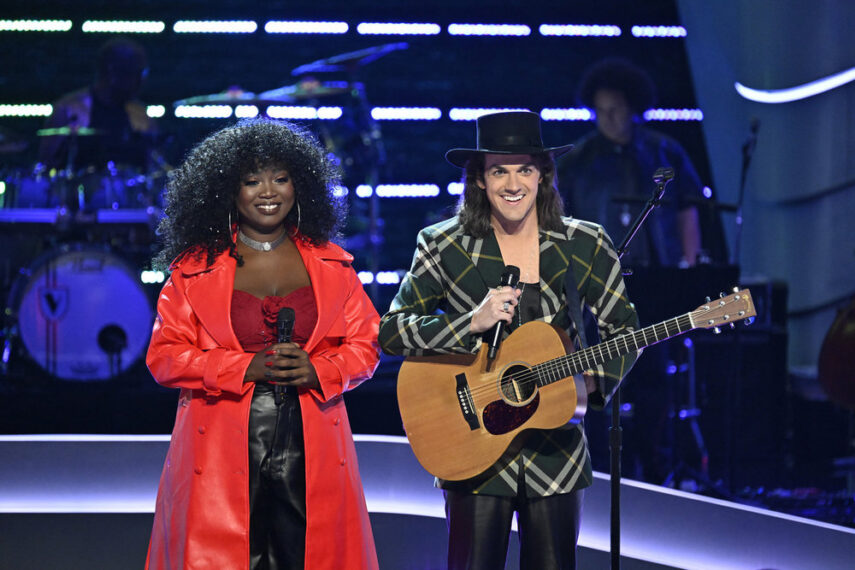
Abigayle Oakley performed Sabrina Carpenter’s "Feather," leaning into a contemporary, "quirky" pop sound. While Legend and Levine praised Abigayle’s ability to connect with lyrics, the consensus was that Liv Ciara’s rendition of "Breakaway" was a "showstopper." Clarkson admitted she was impressed by how Liv reinterpreted the song to make it competition-worthy. By selecting Liv as the winner, Clarkson validated the risk, moving a "Super Steal" artist one step closer to the finish line.
Team Legend: Range vs. Connection
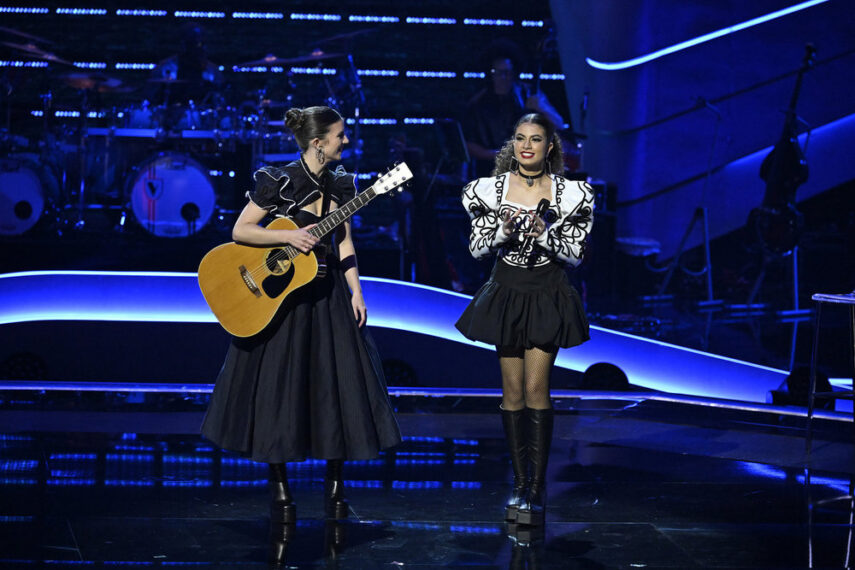
The penultimate pairing featured Natasha Blaine and Syd Millevoi. Natasha chose the sultry "Another Sad Love Song" by Toni Braxton, while Syd tackled Demi Lovato’s "Tell Me You Love Me." This matchup highlighted a common critique in the Knockout Rounds: the balance between technical ability and emotional connection.
Syd Millevoi’s performance showcased an extraordinary vocal range, hitting notes that Clarkson and Levine described as nearly impossible for most singers. However, both coaches cautioned that Syd needed to "connect" more with the audience to reach the next level. Natasha Blaine was praised for her "lounge singer vibe" and clear identity. Despite the concerns regarding connection, John Legend gambled on Syd’s undeniable talent, banking on the belief that emotional resonance can be coached, whereas Syd’s natural vocal range is a rare asset that must be preserved for the later rounds.
Final Showdown: The Battle of "Pure Singing" and "Swag"
The evening concluded with Team Adam’s Jeremy Keith and Mike Steele. Jeremy performed Marvin Gaye’s "Ain’t Nothing Like the Real Thing," while Mike Steele, a Battle Round steal, sang Tyrese’s "How You Gonna Act Like That."
The coaches were divided on the outcome. Legend categorized Jeremy as the "better pure singer" but noted that Mike possessed an undeniable "swag." Clarkson found both to be phenomenal, noting that Mike "got lost" in his runs in a positive way. Adam Levine, faced with the final decision of the night, chose Jeremy Keith. Levine’s reasoning—that Jeremy was "ready now"—mirrored Clarkson’s earlier sentiment. In the high-pressure environment of Season 29, the coaches are increasingly prioritizing stability and immediate readiness over long-term potential.
Broader Impact and the Road to the Semifinals
As the first week of Knockouts concludes, the field for the Season 29 Semifinals is beginning to take shape. The current standings show a diverse array of talent:
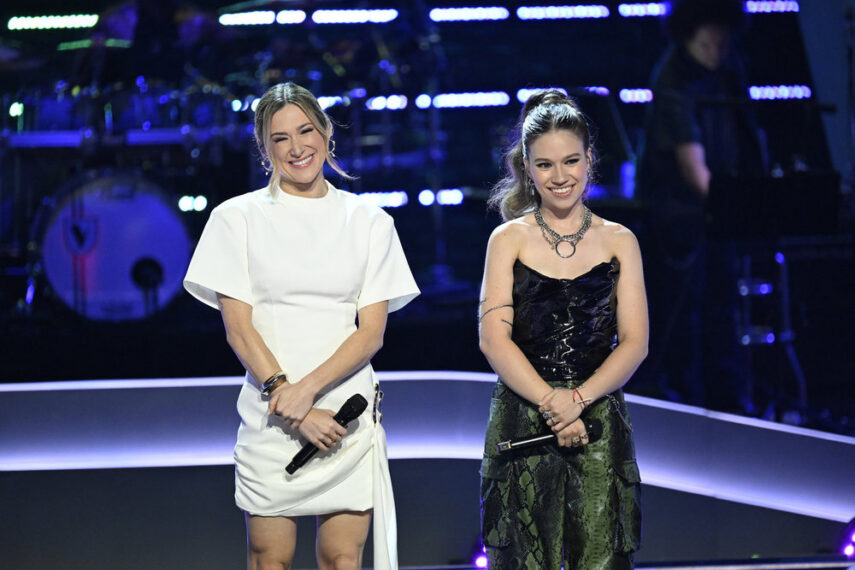
- Team Adam: Alexia Jayy, Jeremy Keith
- Team Kelly: JW Griffin, Liv Ciara
- Team Legend: Lucas West, Syd Millevoi
The implications of these choices will be felt in the coming weeks as the show moves into the live performance phase. From a production standpoint, the absence of Steals in this round has successfully heightened the drama and forced the coaches to take definitive stances on their artists. Ratings for Season 29 have remained strong, buoyed by the return of Levine and the "All-Star" branding, which has successfully re-engaged long-term fans of the series.
The remaining slots on each team are scheduled to be filled in the upcoming episode, after which the competition will shift to the Semifinals. At that stage, the power will transition from the coaches to the viewing public, a shift that historically favors artists with strong emotional connections and relatable backstories. For now, the coaches have set the stage, selecting a roster of performers who represent a mix of technical mastery, commercial viability, and competitive grit. The Voice continues to air Mondays on NBC, with the next episode expected to finalize the rosters for the most critical phase of the season.