Production Background and Directorial Debut
The development of Our Hero, Balthazar represents a significant milestone for Oscar Boyson, a veteran producer known for his collaborations with independent cinema icons like the Safdie brothers. Moving into the director’s chair, Boyson sought to craft a narrative that balances satirical wit with a serious examination of modern American culture. The screenplay, developed in collaboration with Ricky Camilleri, was designed to navigate the thin line between a coming-of-age story and a psychological thriller.
The film was produced under the banner of independent production houses that prioritized a gritty, authentic aesthetic to ground its more heightened satirical elements. Filming took place across multiple locations, capturing the stark contrast between the affluent environments of the protagonist’s upbringing and the rural landscapes of Texas, where the film’s climax unfolds. The production utilized a blend of traditional cinematography and digital-media-inspired visuals to reflect the protagonist’s immersion in the online world.
Narrative Structure and Plot Overview
The story centers on a wealthy teenager, portrayed by Jaeden Martell, who finds himself disconnected from the social realities of his peers. In an attempt to garner the attention and affection of a classmate, he begins producing and posting a series of videos advocating for stricter gun control laws. While his initial motivations are rooted in a desire for romantic validation rather than deep-seated political conviction, the videos quickly gain traction within various online circles.
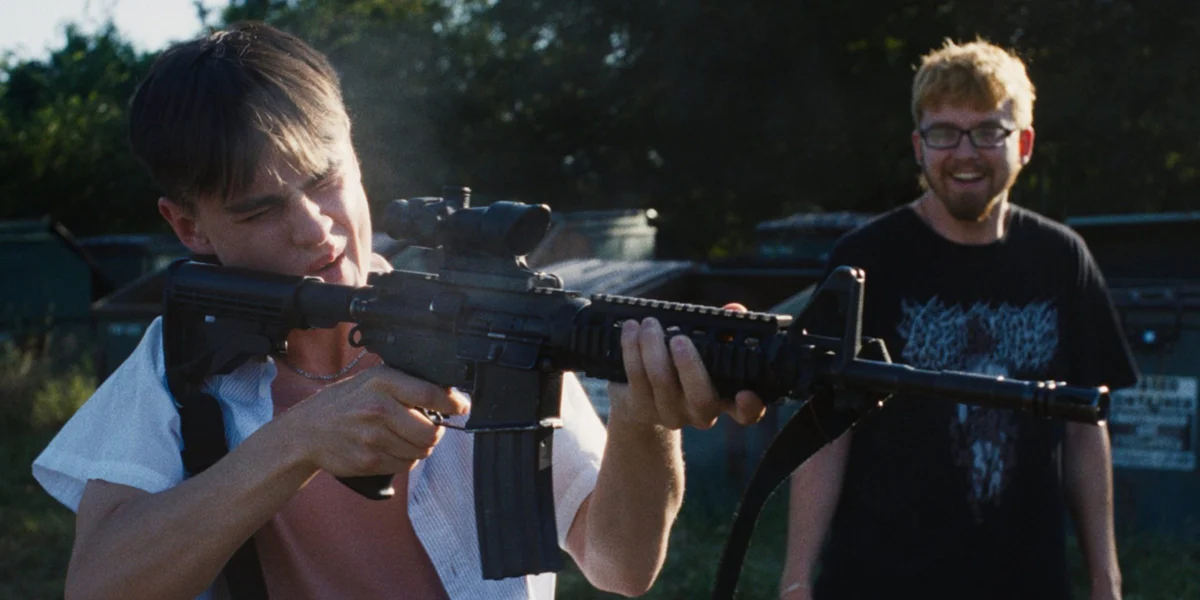
The narrative takes a dark turn when the protagonist becomes the target of a persistent online troll. This digital antagonist, whose identity remains shrouded in mystery for much of the film, mocks the teenager’s videos with increasing vitriol. As the harassment intensifies, the protagonist becomes convinced that the troll is not merely a bored internet user but a potential mass shooter planning an imminent attack. This obsession leads him on a cross-country journey to Texas, where he intends to confront the individual he believes is a threat to society.
The film utilizes this journey to explore themes of radicalization, the echo chambers of social media, and the "savior complex" often found in performative activism. The transition from a dark comedy to a more tense drama occurs as the protagonist moves further away from his sheltered life and into a reality he is ill-equipped to handle.
Lead Performances and Ensemble Cast
The film’s critical success has been largely attributed to the performances of its lead actors. Jaeden Martell, known for his roles in It and Knives Out, provides a nuanced portrayal of a young man caught between genuine concern and performative ego. Critics have noted Martell’s ability to maintain the audience’s empathy even as his character makes increasingly erratic and dangerous decisions.
Asa Butterfield, widely recognized for his work in Sex Education and Hugo, takes on a role that contrasts sharply with his previous "nice guy" personas. His involvement in the film adds a layer of tension, as the narrative questions the nature of the relationship between the harasser and the harassed. The supporting cast includes veteran actors such as Chris Bauer and Jennifer Ehle, who ground the film’s more satirical moments with gravitas. Anna Baryshnikov, Noah Centineo, Becky Ann Baker, Avan Jogia, and Pippa Knowles round out the ensemble, each contributing to the film’s exploration of various archetypes within the American social landscape.
The 2025 Tribeca Festival Premiere and Critical Reception
Our Hero, Balthazar had its world premiere at the 2025 Tribeca Festival, an event renowned for showcasing innovative independent cinema. The festival served as the ideal platform for the film, given its focus on contemporary social issues and its bold narrative choices. Following its debut screening, the film received a positive response from critics and industry professionals alike.
Reviewers praised Boyson’s direction, noting his ability to maintain a consistent tone despite the film’s shift between genres. The writing was also highlighted for its sharp dialogue and its refusal to provide easy answers to the complex questions it raises regarding gun culture and digital identity. The performances of Martell and Butterfield were frequently cited as highlights, with many suggesting that the film could be a contender during the upcoming awards season in the independent categories.

Distribution and Theatrical Rollout
The distribution rights for Our Hero, Balthazar were acquired by Picturehouse, a distributor known for its commitment to director-driven independent films. The company has implemented a strategic rollout plan designed to build word-of-mouth momentum. The film opened in New York City to strong per-screen averages, reflecting a high level of interest among urban audiences.
Following its New York debut, the film is scheduled to open in Los Angeles on April 3rd. Throughout the remainder of April, Picturehouse plans to expand the film’s reach nationwide, targeting major metropolitan areas and university towns where its themes of digital activism and social justice are expected to resonate most strongly. This staggered release strategy is a common tactic for independent films seeking to maximize their cultural impact and longevity in a crowded theatrical market.
Chronology of Key Events
The journey of Our Hero, Balthazar from conception to screen follows a clear timeline of development:
- Script Development (2023-2024): Oscar Boyson and Ricky Camilleri finalize the screenplay, focusing on the intersection of Gen Z culture and the gun control debate.
- Casting and Pre-Production (Mid-2024): The lead roles are filled by Martell and Butterfield, and the project secures financing through independent channels.
- Principal Photography (Late 2024): Filming takes place on location, moving from the East Coast to Texas to mirror the protagonist’s journey.
- Post-Production (Winter 2024-2025): The film is edited and scored, with a focus on integrating digital interface visuals.
- Tribeca Premiere (Early 2025): The film debuts to critical acclaim at the Tribeca Festival.
- New York Theatrical Release (Current): The film begins its commercial run in select New York theaters.
- Los Angeles and Nationwide Expansion (April 2025): The film expands to broader audiences across the United States.
Analysis of Thematic Implications
Our Hero, Balthazar arrives at a time of significant cultural debate regarding the role of social media in shaping political discourse. The film’s exploration of "slacktivism"—the practice of supporting a political or social cause by means such as social media, involving very little effort or commitment—serves as a critique of modern engagement. By showing a protagonist who begins his activism for selfish reasons, the film asks whether the intent behind activism matters if the result is a heightened state of public paranoia.
Furthermore, the film’s depiction of the "online troll" addresses the growing concern over digital harassment and the difficulty of discerning real-world threats from online bluster. The protagonist’s journey to Texas symbolizes a collision between two different Americas: the digital-native, affluent youth of the coast and the more traditional, often misunderstood landscapes of the South. This geographical shift serves as a metaphor for the ideological divides that define the current American zeitgeist.
Industry Context and Media Engagement
The promotion of the film has been bolstered by in-depth media coverage, including interviews with the cast and crew. The Next Best Picture Podcast recently featured conversations with Jaeden Martell, Asa Butterfield, Oscar Boyson, and Ricky Camilleri. During these discussions, the actors and filmmakers shared insights into the creative process and the challenges of tackling such sensitive subject matter.
Boyson spoke about the importance of making his directorial debut with a story that felt urgent and reflective of the current moment. Martell and Butterfield discussed the complexities of their characters and the preparation required to portray the psychological toll of online obsession. These interviews, available through the Evergreen Podcasts Network and various digital platforms, have provided audiences with a deeper understanding of the film’s objectives and the artistic vision behind it.
Broader Impact and Future Outlook
As Our Hero, Balthazar expands to theaters nationwide, it is poised to spark conversations among audiences and critics alike. Its blend of dark comedy and social commentary makes it a unique entry in the 2025 cinematic landscape. The film’s success at Tribeca and its strong initial theatrical performance suggest that there is a significant appetite for stories that confront the complexities of modern life with both humor and sincerity.
In the broader context of the film industry, Boyson’s successful transition to directing may encourage other producers to take similar creative risks. Additionally, the film’s distribution by Picturehouse reinforces the viability of independent cinema in an era often dominated by large-scale franchises. By focusing on character-driven narratives and timely social issues, Our Hero, Balthazar demonstrates the enduring power of film to reflect and challenge the world in which we live.