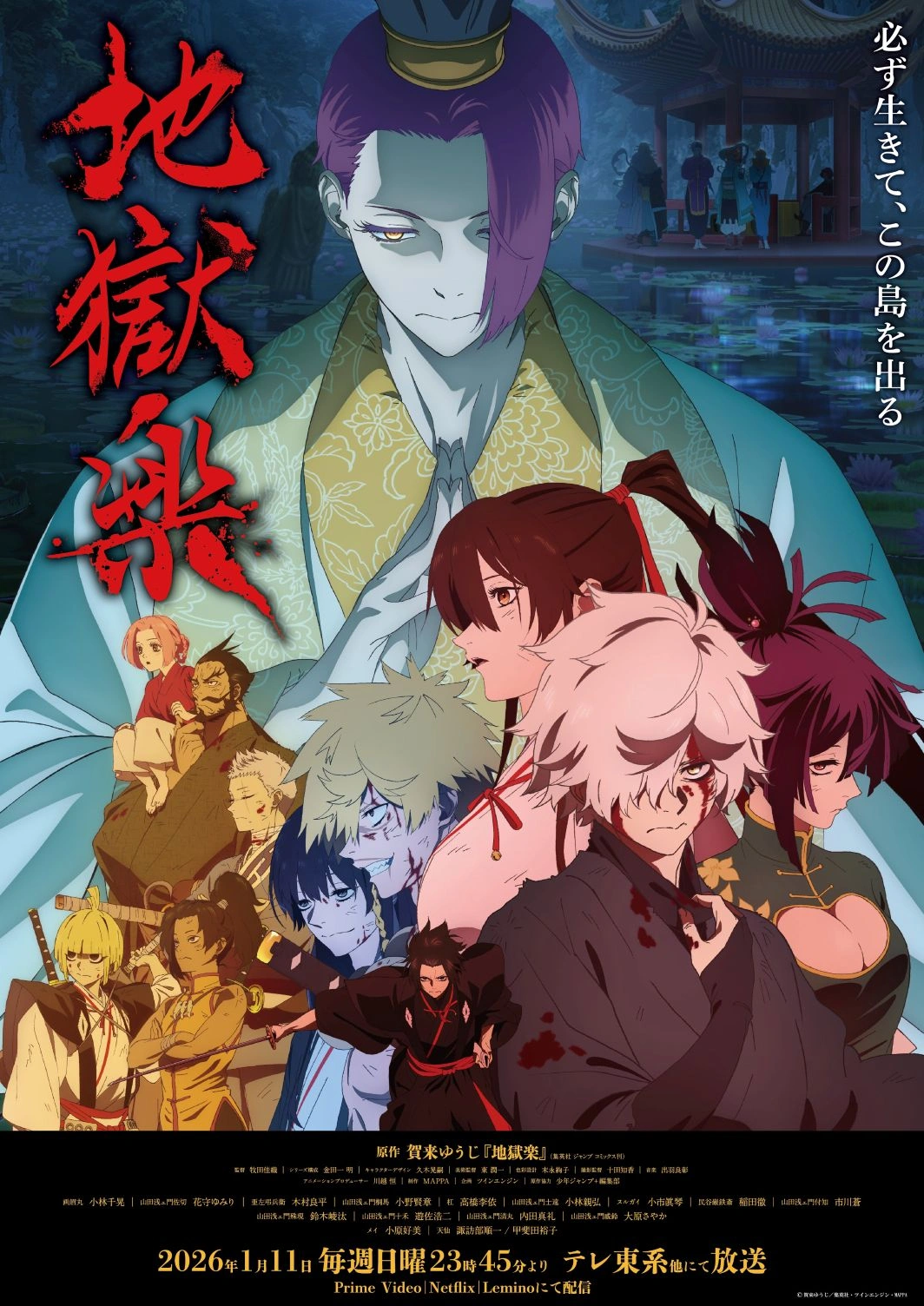
The Genesis of Hell’s Paradise: Jigokuraku
To fully appreciate the significance of Hells Paradise Season 2, it is essential to contextualize the series within its original manga form and the landscape of contemporary dark fantasy. Hell’s Paradise: Jigokuraku began serialization in Shueisha’s Shonen Jump+ digital magazine in January 2018, quickly garnering a dedicated readership and critical acclaim for its unique blend of historical Edo-period setting, brutal action, philosophical undertones, and striking art style. Written and illustrated by Yuji Kaku, a former assistant to Chainsaw Man creator Tatsuki Fujimoto, the manga concluded its run in January 2021, having published 13 volumes. Its commercial success was notable, with millions of copies in circulation worldwide, establishing it as a breakout hit in the increasingly competitive digital manga market. The series distinguished itself by exploring themes of life, death, morality, and the human condition through the lens of a death row convict’s desperate quest for an elixir of immortality.
The first anime season, which aired in 2023, was instrumental in catapulting the franchise to global prominence. MAPPA’s initial adaptation was lauded for its faithful portrayal of Kaku’s intricate character designs, the visceral and fluid animation of its intense fight sequences, and its ability to capture the manga’s dark, mystical atmosphere. The initial season concluded on a tantalizing cliffhanger, leaving protagonists Gabimaru and Sagiri deeper into the perilous mysteries of Shinsenkyo, thereby fueling immense anticipation for their continued journey. Fans and critics alike praised the production quality, reinforcing MAPPA’s reputation for handling complex and visually demanding adaptations.
A Detailed Production Timeline and Studio Excellence
The three-year gap between seasons provided MAPPA and Twin Engine ample time to meticulously craft the second installment, ensuring a consistent level of quality that has become synonymous with MAPPA’s productions. The studio, known for its ambitious projects such as Jujutsu Kaisen, Attack on Titan The Final Season, and Chainsaw Man, brought its considerable expertise to Hell’s Paradise. Kaori Makita, who served as director for the first season, returned to helm Season 2, ensuring continuity in the creative vision and narrative pacing. Akitsugu Hisagi, the character designer, also reprised his role, which proved crucial in maintaining the distinct aesthetic that blended traditional Japanese artistry with grotesque horror elements.
The broadcast schedule, running weekly from January to March 2026, allowed the narrative to unfold steadily, building tension and allowing viewers to fully immerse themselves in the island’s escalating dangers. International distribution, primarily handled by Crunchyroll, ensured that the global fanbase could access the episodes simultaneously with their Japanese release, fostering a unified viewing experience and widespread online discussion. This synchronized release strategy is a hallmark of modern anime distribution, maximizing engagement and mitigating piracy. The consistent technical prowess demonstrated by MAPPA throughout its productions, including Hell’s Paradise, reflects a significant investment in animation talent and technology, solidifying its position as a powerhouse in the anime industry.
The Perilous Journey on Shinsenkyo: Character Evolution and New Dynamics
Hells Paradise Season 2 plunges deeper into the enigmatic island of Shinsenkyo, continuing the harrowing odyssey of Gabimaru the Hollow and Yamada Asaemon Sagiri as they relentlessly pursue the elusive elixir of life. The narrative skillfully builds upon the established foundations, showcasing profound character evolution amidst increasingly dire circumstances.
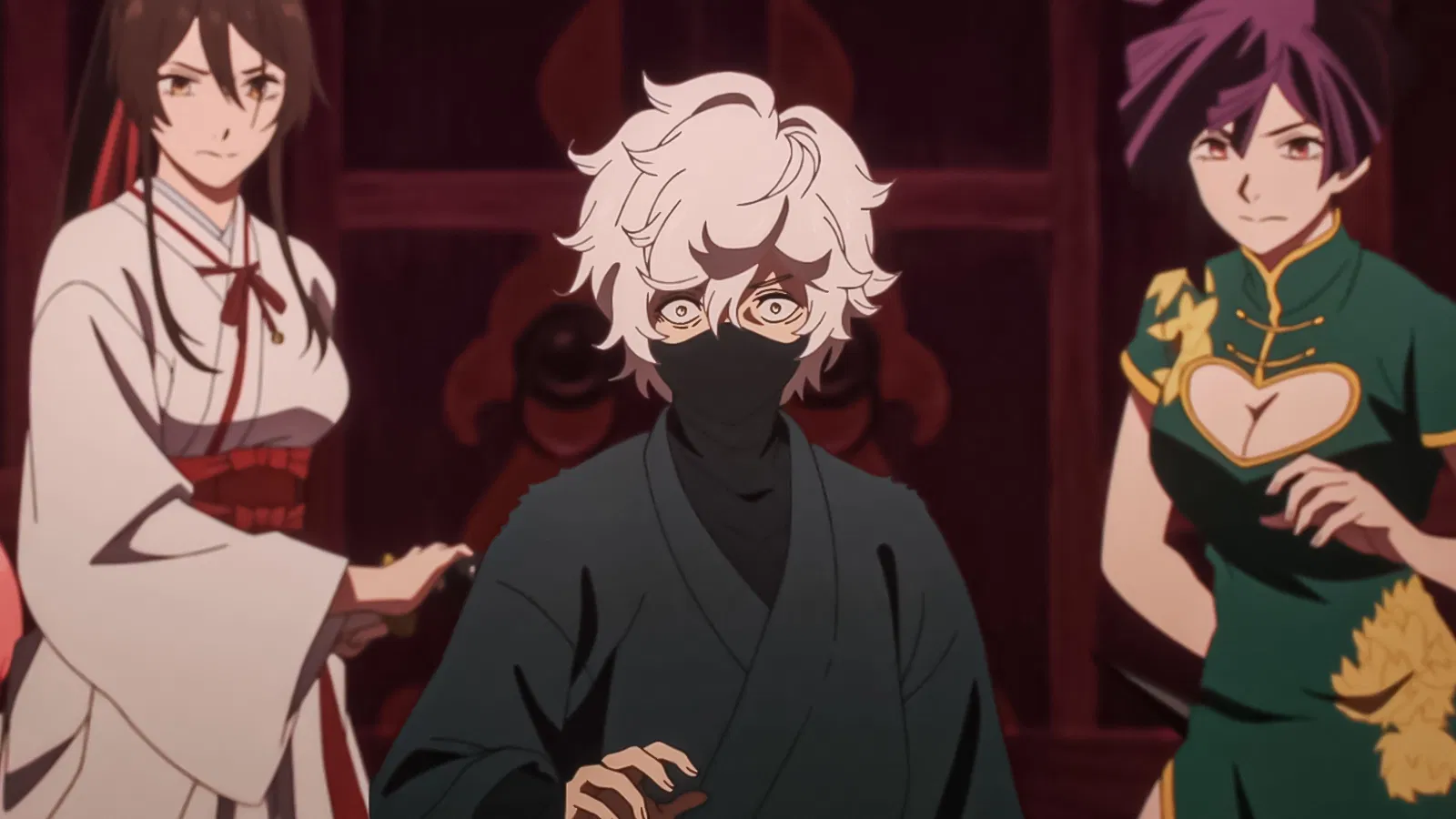
Gabimaru, initially portrayed as an emotionless, nihilistic ninja, undergoes a significant internal transformation. His unwavering desire to return to his wife, Yui, becomes the central anchor of his humanity and his driving motivation. This emotional core provides a poignant counterpoint to the island’s brutality, deepening his character from a mere instrument of death to a man grappling with love, regret, and the desperate hope for a peaceful future. His past arc with Yui is further explored, adding layers of dramatic weight and explaining the genesis of his complex personality and his profound attachment.
Yamada Asaemon Sagiri, likewise, experiences substantial growth. Her journey is one of reconciling her duty as an executioner with her burgeoning empathy for the convicts she supervises. Her resolve and leadership capabilities are continually tested and refined, pushing her to balance the cold pragmatism of her role with a growing understanding of the nuanced humanity within those condemned to die. Her internal philosophical struggles, particularly regarding the morality of her profession and the value of life, are brought to the forefront, making her a compelling moral compass for the chaotic ensemble.
The supporting cast also sees significant development and expansion. Yuzuriha, the cunning kunoichi, remains a figure of unpredictable wit and self-preservation, often cloaking her true intentions behind a playful and seductive demeanor. Her resourcefulness and adaptability prove invaluable to the group’s survival, though her motivations consistently keep allies and enemies alike on edge. The blind swordsman Shion emerges as a pivotal strategic mind and a mentor figure, his wisdom and combat prowess becoming indispensable. His personal quest for retribution and his deeper understanding of the island’s mystical properties provide crucial insights and guidance.
As the story progresses, the surviving expedition members are forced into uneasy, often volatile, alliances to navigate the island’s escalating dangers. Characters such as Nurugai, whose agility, sharp senses, and adaptability make her an essential scout and fighter, find their roles solidified within the evolving group dynamics. The powerful convict Aza Chobei and his unwavering bond with his younger brother, Toma, play a significant role in their actions and motivations, highlighting themes of familial loyalty and the extremes individuals will go to protect loved ones.
Crucially, the enigmatic child Mei reveals critical information about Shinsenkyo’s ancient origins and the fundamental nature of Tao, the life energy permeating the island. Her unique connection to the island’s flora and fauna, and her deep knowledge of its true inhabitants, make her an indispensable guide, unraveling the mysteries that have plagued the expedition.
The complexity further intensifies with the arrival of a new, formidable expedition led by the highly skilled Yamada Asaemon Shugen. Accompanied by additional executioners and shinobi, Shugen’s group introduces a fresh wave of motivations, rivalries, and distinct interpretations of justice onto the already volatile island. The influx of new players transforms the narrative into a multi-factional conflict, with shifting alliances and heightened stakes. Shugen, in particular, emerges as a rather appealing and enigmatic figure, his solemn demeanor and occasional "tears" (as observed by the original article) functioning both dramatically and with a subtle touch of dark humor, hinting at a deeper emotional complexity beneath his formidable exterior.
The Escalation of Conflict: Confronting the Tensen
Expectedly, the narrative arc of Hells Paradise Season 2 builds towards an epic confrontation with the Tensen, the god-like beings who preside over Shinsenkyo. As more about their true nature, immense power, and intricate connection to the island’s ecosystem is gradually revealed, the conflict transcends a simple good-versus-evil dichotomy, evolving into a much more complicated and morally ambiguous struggle.
One of the most compelling aspects of this season is the nuanced exploration of both protagonists and antagonists. Director Kaori Makita masterfully allocates significant screen time to delve into the backstories and motivations of the Tensen, adding substantial context and depth to the overarching narrative. This approach prevents the villains from becoming one-dimensional threats, instead portraying them as complex entities with their own twisted philosophies and origins. This characterization profoundly highlights the intricate interrelationships between all characters, fostering greater empathy and making the overarching story significantly more engaging. The theme of "villains as products of their circumstances," while a familiar trope, is executed with sufficient depth here to prevent it from feeling cliché, instead adding tragic weight to their existence.
The battles, which truly intensify after the middle of the season, are once more rendered with breathtaking scale and intensity. As the Tensen unleash more of their terrifying powers, the expedition members are forced to push their limits, learning to control and master the mysterious energy of Tao more effectively. The transformations the Tensen undergo are particularly spectacular, showcasing Akitsugu Hisagi’s character design at its peak, blending beauty with grotesque power. The visual spectacle of these forms, combined with MAPPA’s fluid animation, creates truly memorable combat sequences.
Furthermore, the additional revelations about the antagonists’ backgrounds and the true function of the island amplify the dramatic weight of the conflict. The stakes are raised not only by the Tensen’s overwhelming power but also by the unpredictable nature of the battles, especially after the arrival of the new participants. The constant tension that the outcomes could swing either way keeps viewers on the edge of their seats, investing them deeply in each clash.
Artistic and Technical Mastery: A Visual Feast
The artistic and technical execution of Hells Paradise Season 2 stands as a testament to MAPPA’s unparalleled animation prowess. The studio’s animation is consistently top-notch, particularly in the meticulous detail of how battles unfold and the profound impact of characters’ actions on an environment that is simultaneously breathtakingly colorful, lushly flowery, and lethally dangerous. The intricate blending of serene natural beauty with sudden, brutal violence is a visual hallmark of the series.
Moments where characters accelerate, blurring across the screen with incredible speed, are especially memorable, conveying the raw power and agility of the fighters. The group confrontations, intricate in their choreography and dynamic in their execution, stand out as highlights of the season, showcasing MAPPA’s ability to manage multiple combatants and complex interactions without sacrificing clarity or impact.
Returning to the character design, Akitsugu Hisagi’s work on the new characters is rendered with exceptional detail, ensuring that each new arrival is clearly distinguished despite the increasing number of players. Hisagi’s ability to adjust their appearances according to the events of the various confrontations—showing weariness, injury, or the unleashing of new powers—adds a layer of realism and dynamism. The antagonists, in particular, draw inspiration from works like Takashi Miike’s MPD Psycho and the distinctive style of Yoshihiro Nishimura, known for his unique blend of body horror and surrealism. This aesthetic choice perfectly complements the dark, often grotesque, and otherworldly tone of Hell’s Paradise, creating villains that are both terrifying and visually striking. Furthermore, an element of sensuality, particularly evident in the designs of some female characters, is subtly woven into the fabric of the visual presentation, adding another layer to the entertainment value without overshadowing the core narrative.
The direction by Kaori Makita ensures that the pacing is expertly managed, oscillating between intense action sequences and quieter moments of character introspection. This balance is crucial for a series of this thematic depth, allowing the audience to process the emotional beats alongside the adrenaline-pumping battles. While not explicitly detailed in the original article, the importance of sound design and the musical score in such a production cannot be overstated. A compelling soundtrack and immersive soundscape would undoubtedly enhance the atmosphere, amplify the impact of every sword clash and energy burst, and deepen the emotional resonance of the narrative.
Thematic Resonance and Broader Implications
Hells Paradise Season 2, while not entirely avoiding the familiar trope of introducing increasingly powerful enemies whose battles with the protagonists drive their growth, distinguishes itself through the rich context and profound characterization it provides. This elevates the series significantly above average. The narrative complexity, coupled with the exceptional overall execution, firmly establishes it as one of the most impressive anime releases of the year.
The season delves deeply into themes of mortality and immortality, questioning the true nature of the elixir of life and the inherent costs of defying natural order. It explores the blurred lines between humanity and monstrosity, particularly as convicts, executioners, and the Tensen themselves confront their own inner demons and external appearances. Gabimaru’s journey, driven by his profound love for his wife, underscores the power of human connection as a counterpoint to the island’s brutal reality. The philosophical concept of Tao, introduced as the fundamental energy of the island, becomes central to the characters’ understanding of their powers and the world around them, adding a layer of spiritual exploration to the action.
The resounding success of Hells Paradise Season 2 carries significant implications for the franchise and the broader anime industry. It solidifies Hell’s Paradise as a major player in the dark fantasy genre, attracting new viewers while satisfying its established fanbase. For MAPPA, it further cements their reputation as a premier studio capable of delivering high-quality, high-impact adaptations, reinforcing their dominant position in the industry. The series contributes to the evolution of shonen and seinen dark fantasy, showcasing how intricate character development and profound thematic exploration can be seamlessly integrated with thrilling action.
With the adaptation of the "Lord Tensen" and "Horai" arcs, the series has covered a substantial portion of Kaku’s original manga. Given the manga’s complete status and the consistent critical and commercial success of the anime, the prospect of a third season to adapt the remaining arcs appears highly probable. This would allow the anime to fully conclude Gabimaru’s epic journey and provide a definitive resolution to the mysteries of Shinsenkyo, ensuring Hell’s Paradise leaves a lasting legacy in the anime landscape.