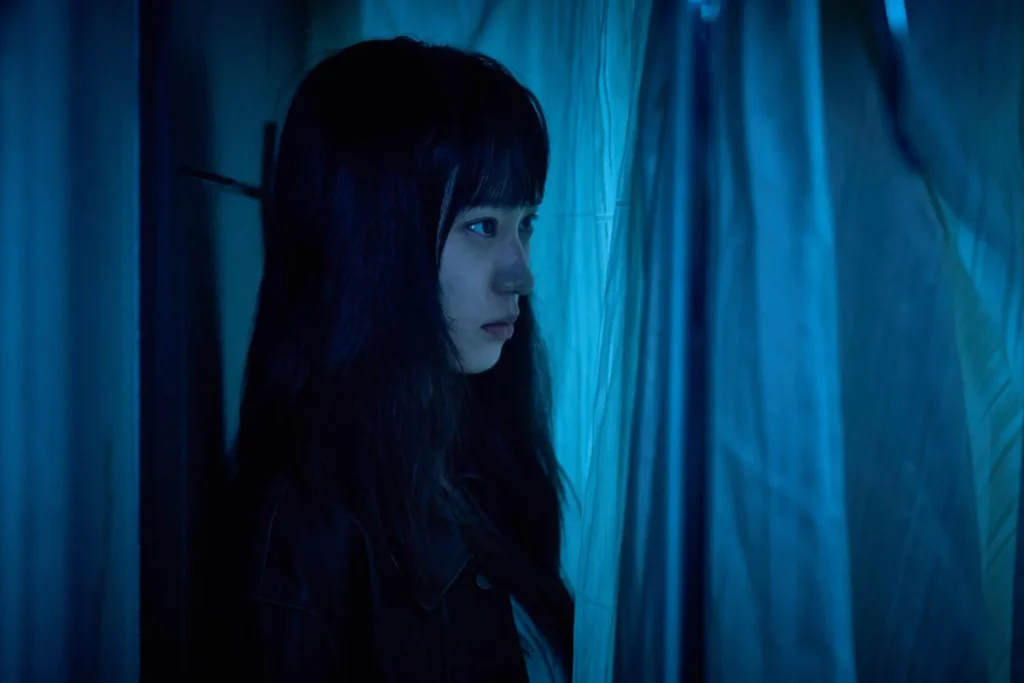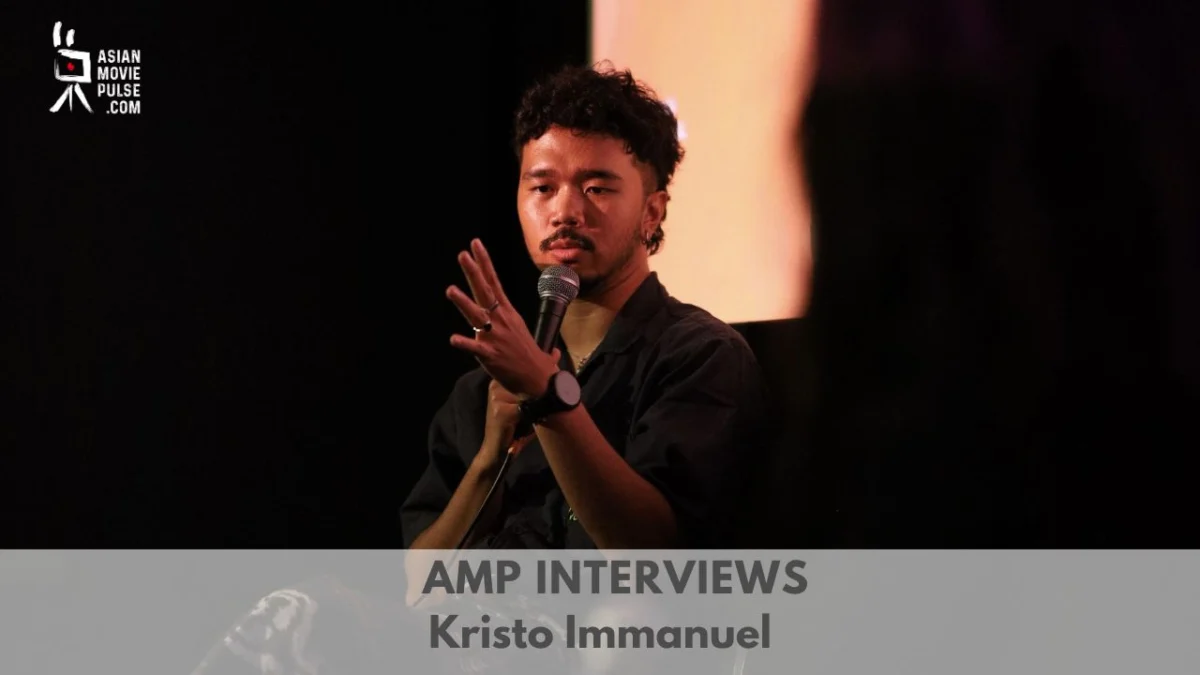
Kristo Immanuel, a figure who first garnered widespread public attention through his viral impersonation videos on Instagram in 2019, has made a remarkable transition from social media comedian to critically acclaimed filmmaker. His directorial debut, "Better Off Dead," a distinctive dark comedy, achieved significant success at the 54th Indonesian Film Festival (Festival Film Indonesia, FFI) in 2025, securing five awards from its five nominations. This impressive sweep underscored the film’s innovative approach and Immanuel’s burgeoning talent behind the camera. Following its national triumph, "Better Off Dead" has commenced its international festival circuit, recently featuring prominently at the CinemAsia Film Festival in Amsterdam, where it continued to spark robust discussions among critics and audiences alike regarding its unconventional narrative, use of fourth-wall-breaking narration, and the profound neurodivergent readings it has evoked.
The Genesis of a Multifaceted Talent: From Digital Stardom to Cinematic Craft
Kristo Immanuel’s trajectory into the world of filmmaking is a testament to the evolving landscape of talent discovery and career diversification in the digital age. His initial rise to prominence in 2019 was spearheaded by a series of highly engaging and often humorous impersonation videos shared on Instagram. These short-form content pieces, known for their sharp observational humor and uncanny mimicry of public figures and everyday scenarios, quickly captivated a massive online audience, accumulating millions of views and followers. This period marked a significant shift in how entertainers could build a platform, with social media acting as a powerful launchpad bypassing traditional industry gatekeepers. Immanuel’s ability to connect directly with an audience and demonstrate a natural comedic flair laid the groundwork for his subsequent ventures.
Following his digital breakthrough, Immanuel transitioned into acting, primarily featuring in Indonesian comedies. This move was a natural progression, allowing him to leverage his established comedic persona and stage presence in a more structured narrative environment. While specific filmography from this period is not detailed in the initial announcement, it is common for social media personalities in Indonesia to be cast in lighthearted productions that capitalize on their existing fan bases. This phase provided him with invaluable on-set experience, exposing him to the mechanics of film production and the collaborative nature of storytelling, skills that would prove instrumental in his eventual shift to directing.
"Better Off Dead": A Directorial Debut of Distinction
The year 2025 marked a pivotal moment in Immanuel’s career with the release of "Better Off Dead," his debut as a feature film director. The decision to step behind the camera, a challenging leap for any artist, particularly one primarily known for performing, showcased a clear ambition to explore more profound and complex narratives. "Better Off Dead" immediately distinguished itself as an unconventional dark comedy, a genre that often pushes boundaries by finding humor in morbid or taboo subjects. This choice of genre itself speaks to Immanuel’s artistic inclination to challenge audience expectations and delve into thematic territories that extend beyond typical slapstick or situational comedy.
The film’s narrative sophistication is further highlighted by its distinctive use of fourth-wall-breaking narration. This meta-narrative technique, where a character directly addresses the audience, acknowledging their presence and the fictional nature of the story, serves multiple purposes. It can create an intimate connection between the character and the viewer, offer expository information in an engaging manner, and most importantly, subvert traditional storytelling conventions. In the context of "Better Off Dead," this device likely contributes to the film’s unconventional nature, inviting audiences to question reality, perception, and the narrative itself. Such a technique often lends itself well to stories that explore psychological depths or challenge societal norms, aligning perfectly with the dark comedy genre.
Beyond its stylistic choices, "Better Off Dead" has garnered significant attention for the neurodivergent readings it has evoked. While the initial article does not specify whether this was an explicit intention of the filmmakers or an emergent interpretation by audiences and critics, its presence in the discourse around the film is highly significant. In contemporary cinema, there is a growing recognition and demand for nuanced representation of neurodivergence, encompassing conditions like autism spectrum disorder, ADHD, and other cognitive differences. A dark comedy exploring these themes could offer a unique lens through which to examine societal perceptions, internal struggles, and the often-misunderstood experiences of neurodivergent individuals, potentially using humor to disarm and engage viewers on sensitive topics. This aspect adds a crucial layer of social relevance and analytical depth to the film, positioning it within broader cultural conversations about inclusivity and understanding.
Triumph at the 54th Indonesian Film Festival
The 54th Indonesian Film Festival (FFI) served as the grand stage for "Better Off Dead"’s national recognition. The FFI, often regarded as the most prestigious film award event in Indonesia, plays a critical role in celebrating cinematic excellence and fostering the growth of the national film industry. Its history dates back decades, and winning an FFI award is a significant marker of critical acclaim and industry respect. The fact that "Better Off Dead" secured five awards from its five nominations is an extraordinary achievement, signifying a clean sweep in every category it was recognized in. This flawless victory is a rare occurrence and speaks volumes about the film’s exceptional quality across various disciplines, from direction and screenplay to potentially acting, cinematography, or editing.
While the specific categories of the awards were not detailed, such a comprehensive win typically indicates strong performances in key creative and technical areas. This level of recognition at the FFI not only cemented Kristo Immanuel’s status as a formidable new directorial voice but also highlighted the film’s groundbreaking narrative and thematic content within the Indonesian cinematic landscape. Jury members and festival organizers would likely have lauded the film for its originality, its courage in tackling complex themes through an unconventional genre, and its overall artistic execution. This triumph positioned "Better Off Dead" as one of the most significant Indonesian films of its year, setting a high bar for future productions and signaling a potential shift in the industry’s appetite for more experimental and thought-provoking storytelling.
International Acclaim at CinemAsia Film Festival
The journey of "Better Off Dead" did not end with its national success. Its recent screening at the CinemAsia Film Festival in Amsterdam marks a crucial step in its international exposure. CinemAsia, established to promote Asian cinema and culture in the Netherlands and Europe, provides a vital platform for films from diverse Asian countries to reach a broader, international audience. For an Indonesian film, particularly a debut feature, to be selected for such a festival is a testament to its universal appeal and artistic merit.
During its screening at CinemAsia, Kristo Immanuel engaged in discussions about the core ideas underpinning this unconventional dark comedy. These conversations centered on the film’s unique narrative devices, specifically its fourth-wall-breaking narration, and the rich neurodivergent interpretations it has inspired. Speaking about the film’s "personal themes, humour, and unexpected emotional layers that emerge beneath the surface," Immanuel likely offered insights into his creative process, the inspirations behind the story, and his intentions for audience engagement. Such discussions are invaluable at film festivals, as they allow filmmakers to directly connect with international audiences and critics, providing context and deepening the appreciation for their work.
The international reception of "Better Off Dead" is significant for several reasons. It demonstrates that the film’s unique blend of dark humor, meta-narrative, and potentially neurodivergent themes resonates beyond its cultural origins. This cross-cultural appeal is vital for establishing Indonesian cinema on the global stage, showcasing its diversity and storytelling prowess. Festival programmers at CinemAsia would have selected the film based on its artistic quality, its ability to provoke thought, and its potential to offer a fresh perspective on contemporary issues, aligning with the festival’s mission to introduce European audiences to the vibrancy and complexity of Asian filmmaking.
Broader Implications and the Future of Indonesian Cinema
The success of Kristo Immanuel and "Better Off Dead" carries significant implications for various facets of the film industry and cultural discourse.
For Kristo Immanuel’s Career: This directorial debut unequivocally establishes him not merely as a comedian or actor but as a serious and innovative filmmaker. It signifies a profound expansion of his artistic capabilities and career trajectory, opening doors to more ambitious projects and solidifying his reputation as a versatile talent capable of both performance and profound storytelling from behind the lens. His ability to transition successfully from viral content creator to award-winning director serves as an inspiration for many aspiring creatives navigating the evolving media landscape.
For Indonesian Cinema: "Better Off Dead" is a potent example of the growing dynamism and diversity within the Indonesian film industry. For decades, Indonesian cinema has been known for its horror genre and romantic dramas, but films like Immanuel’s signal a maturation and willingness to explore more niche, challenging, and genre-bending narratives. Its international recognition at CinemAsia further bolsters Indonesia’s position on the global cinematic map, attracting more international attention, potential collaborations, and investment. This success encourages other filmmakers to experiment with form and content, pushing the boundaries of what Indonesian cinema can achieve. The consistent presence of Indonesian films at international festivals, coupled with the rising quality of domestic productions, indicates a robust and promising future for the industry.
For Dark Comedy and Genre Innovation: The film’s critical and audience success reaffirms the power of dark comedy as a genre capable of addressing complex, often uncomfortable truths with nuance and impact. By skillfully blending humor with darker themes and potentially sensitive subjects like neurodivergence, "Better Off Dead" demonstrates how genre innovation can lead to both critical acclaim and meaningful cultural conversations. It challenges the conventional perception of comedy as purely escapist, positioning it as a vehicle for social commentary and emotional depth.
For Neurodivergent Representation in Media: The film’s evocation of neurodivergent readings contributes significantly to the ongoing and crucial conversation about representation in media. As societies become more attuned to the diversity of human experience, there is a growing demand for authentic and respectful portrayals of neurodivergent individuals. A film that sparks such interpretations, whether intentional or emergent, helps to normalize discussions around neurodiversity, challenge stereotypes, and foster greater empathy and understanding. The medium of film, with its capacity for deep character exploration and immersive storytelling, is uniquely positioned to shed light on these experiences.
In conclusion, Kristo Immanuel’s "Better Off Dead" stands as a landmark achievement, not only for the director himself but also for Indonesian cinema and broader cultural dialogues. From its origins as a viral sensation’s ambitious directorial leap to its triumphant sweep at the Indonesian Film Festival and subsequent international acclaim at CinemAsia, the film exemplifies the power of unconventional storytelling. Its innovative narrative techniques, genre-defying approach, and profound thematic undercurrents concerning personal truths and neurodivergent interpretations have firmly established Immanuel as a significant new voice in contemporary filmmaking, promising an exciting future for his artistic endeavors and continued global recognition for Indonesian cinematic artistry.