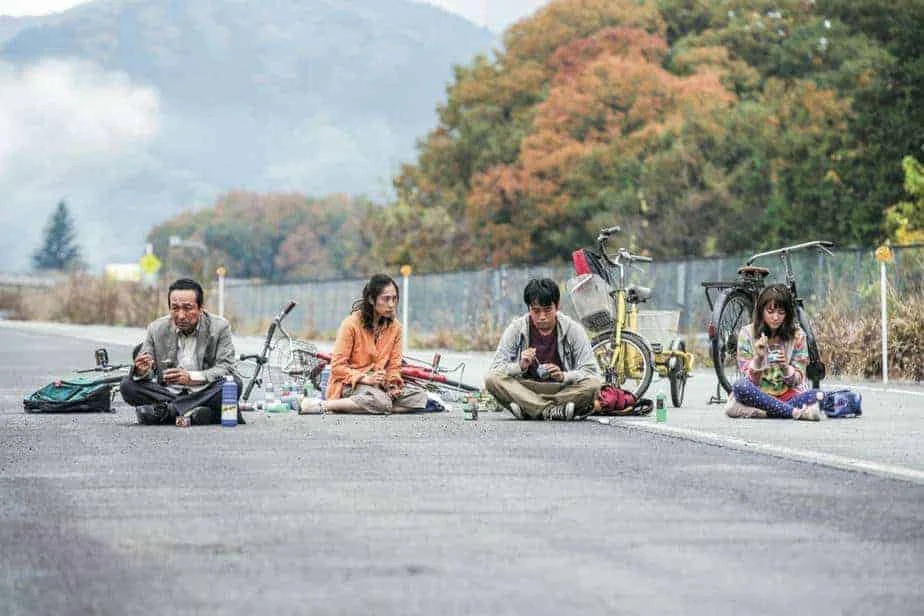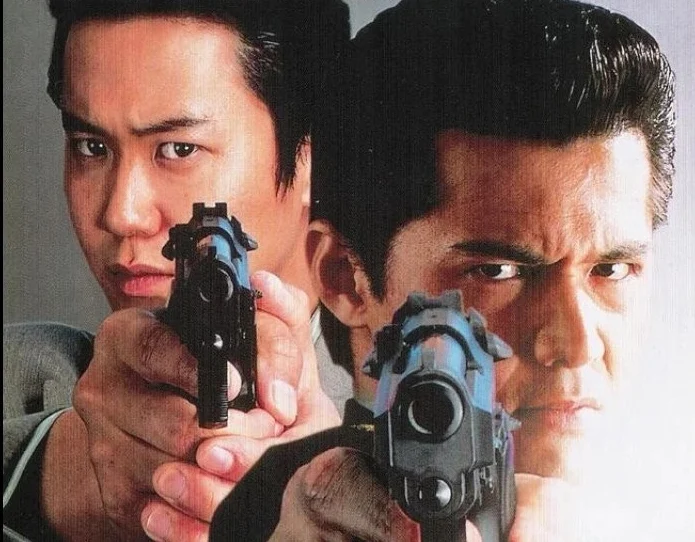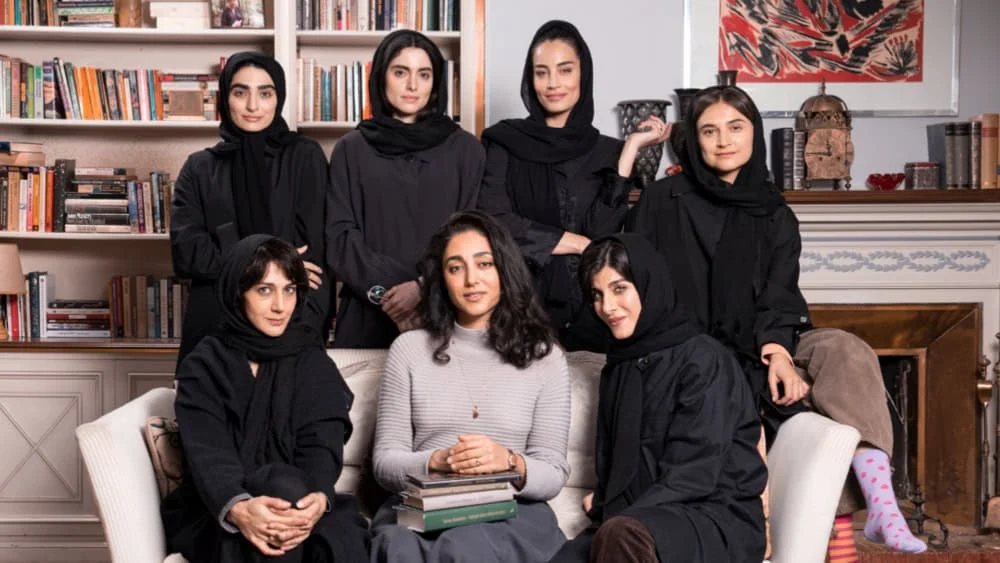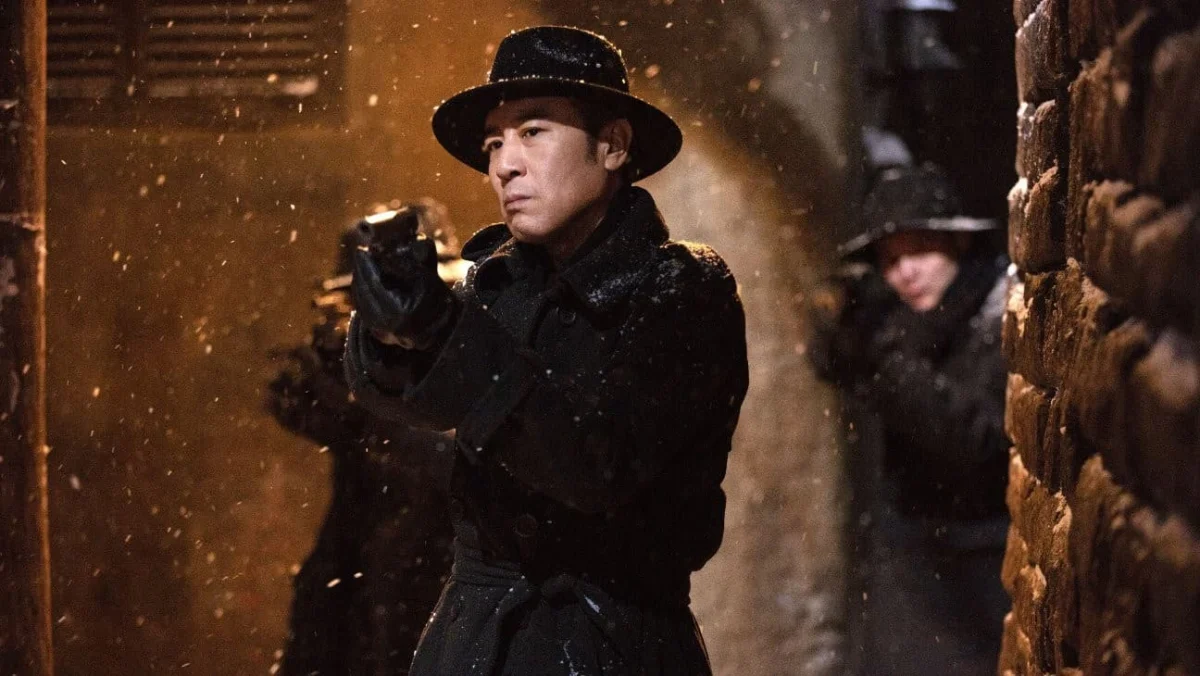
From the earthy sensuality of Red Sorghum to the polished paranoia of Scare Out, Zhang Yimou’s career has unfolded as one of the most fascinating, contradictory, and influential in modern world cinema. Few filmmakers have managed to embody so many different identities at once: a trailblazing Fifth Generation pioneer, an unparalleled visual stylist, a poignant chronicler of rural China, a global blockbuster architect, a political lightning rod, a state-sanctioned spectacle maker, and, through all these profound shifts, an artist who has rarely ceased to evolve. His cinematic journey has traversed from intimate human tragedy to wuxia grandeur, from neorealist social observation to intricate nationalist thrillers. Even in his most uneven works, a palpable sense of command persists, suggesting a filmmaker who understands the profound power of the image perhaps better than any of his contemporaries in Mainland China.
Early Life and Formative Years Amidst Historical Upheaval
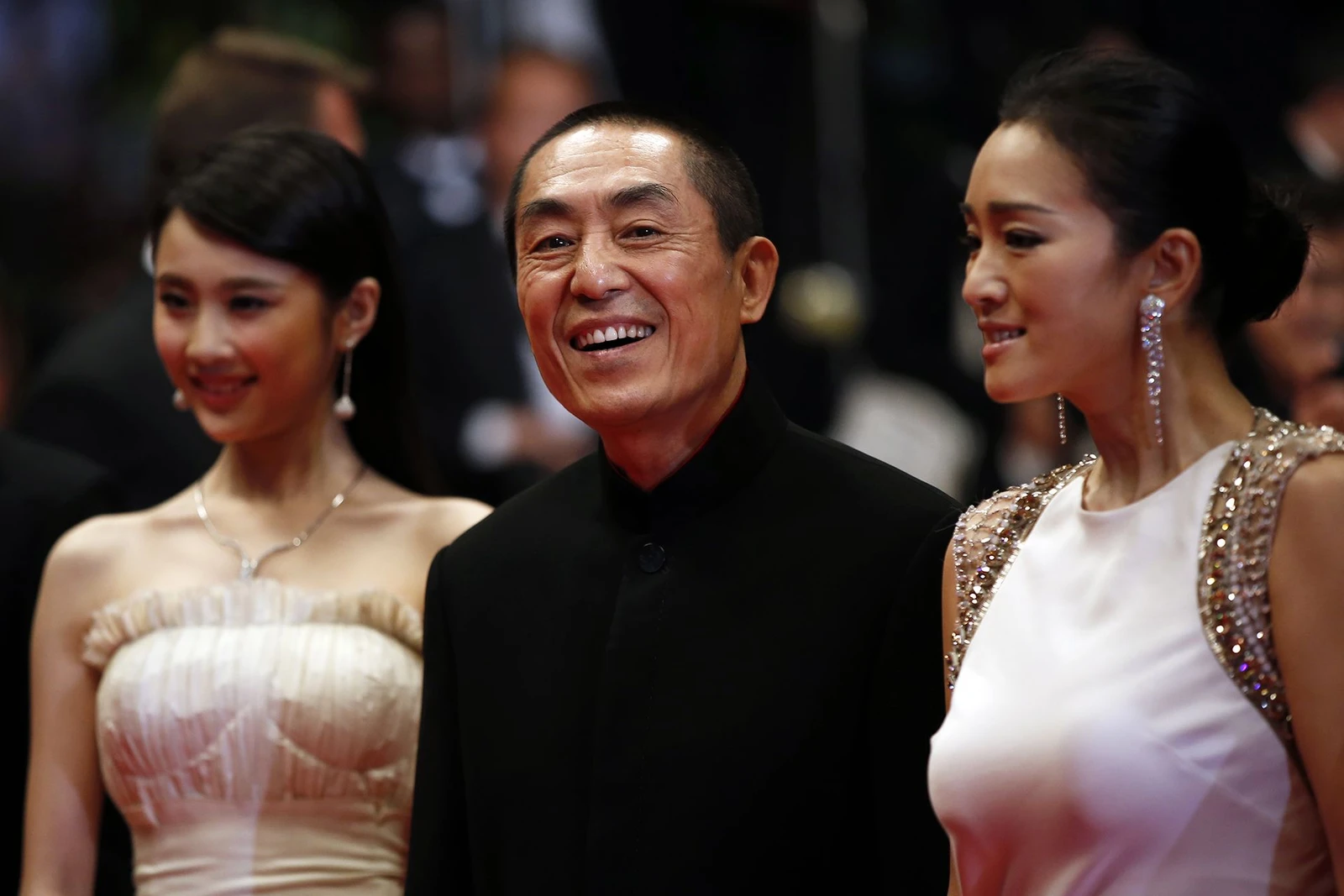
Born in Xi’an, Shaanxi, on April 2, 1950, Zhang Yimou’s childhood was profoundly shaped by two powerful forces: a deep, innate attachment to storytelling and the heavy burden of his family’s history. His father’s service under the Nationalists before 1949 cast a long shadow, meaning Zhang grew up under constant political suspicion—a reality that indelibly marked his early life. A quiet and introspective child, he found solace and expression in painting and literature, devouring novels with an intensity that made reading a formative habit of his burgeoning imagination. This inherent tension, between a fiercely private inner world and the overwhelming historical forces surrounding him, would later become a central, recurring theme in many of his most acclaimed films.
Like countless others of his generation, Zhang’s youth was brutally disrupted by the Cultural Revolution (1966-1976). In 1968, as part of the "Up to the Mountains and Down to the Countryside Movement," he was dispatched to the rural areas near Qian County in Shaanxi for arduous manual labor. These years were exceptionally harsh, demanding immense physical endurance and mental fortitude. Yet, they also proved to be a crucible, bringing him into intimate contact with the rich tapestry of rural life: its distinctive dialects, unique customs, earthy humor, vibrant oral histories, and the daily struggles of ordinary people. These elements would later permeate his cinema, especially his early works, imbuing them with an unparalleled authenticity and emotional depth. He eventually returned to the city, finding work in a textile factory, where his physical strength opened doors, but his artistic instincts never dimmed. He continued to draw, design, and write slogans, and, most crucially, developed an intense obsession with photography. So committed was he to acquiring his own camera that he reportedly saved money obsessively, even resorting to selling his blood to afford the equipment. This potent mixture of discipline, hunger, and stubborn determination would come to define his entire artistic life and career.
The Rise of the Fifth Generation and Cinematographic Brilliance
When the Beijing Film Academy reopened its doors in 1978 after the decade-long hiatus of the Cultural Revolution, Zhang, despite being over the official age limit, sought admission to the cinematography department. His portfolio of photographs was so impressive that it captivated influential figures within the institution, leading to his eventual admission through an extraordinary intervention—a story that has since become almost legendary in Chinese film culture, symbolizing the desperate yearning for artistic expression post-Cultural Revolution. At the Academy, he was renowned as a model student: serious, intensely focused, and relentless in his pursuit of knowledge and craft.
He graduated in 1982, entering what would become known as the Fifth Generation, a cohort of filmmakers that profoundly transformed Chinese cinema in the 1980s. This generation, which included peers like Chen Kaige and Tian Zhuangzhuang, consciously rejected the rigid conventions of socialist realism, instead embracing new visual languages, innovative narrative forms, and far more complex historical and social reflections. Zhang first rose to national and international prominence not as a director, but as a cinematographer. His groundbreaking work on One and Eight (1984) and, most notably, Chen Kaige’s seminal Yellow Earth (1984), helped redefine the very visual possibilities of Chinese film. In these works, landscape, emptiness, architecture, and color transcended mere background elements, becoming powerful expressive tools that conveyed mood, character, and thematic depth. Even before making his directorial debut, Zhang had unequivocally established himself as a major formal talent. He also garnered acclaim as an actor, winning the Best Actor prize at the Tokyo International Film Festival for Wu Tianming’s Old Well (1987), making him the first Mainland Chinese actor to secure a top acting prize at an A-class international festival, further showcasing his diverse talents.
The Golden Age of Art-House and International Acclaim (Late 1980s – 1990s)
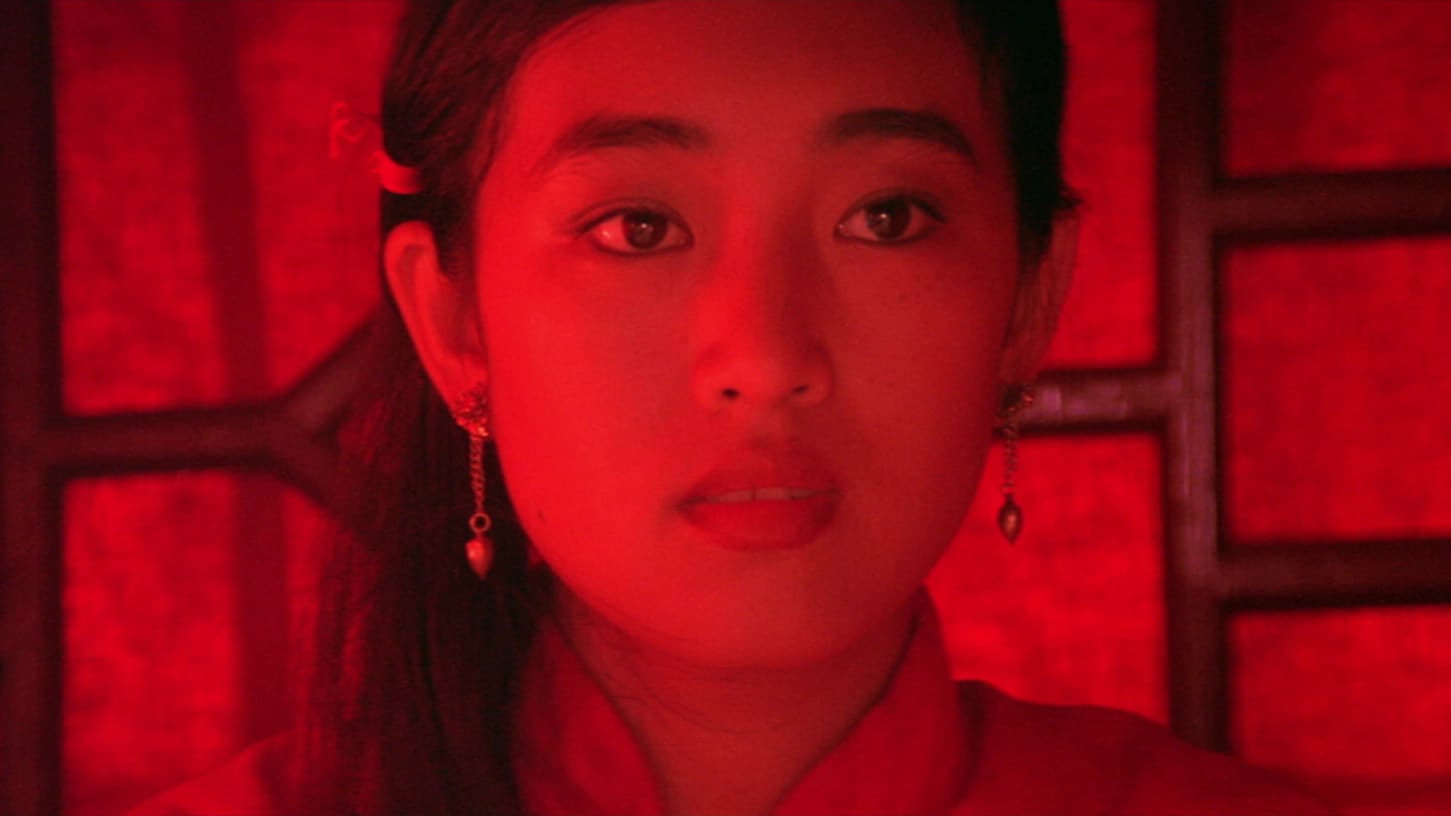
Zhang Yimou’s directorial breakthrough arrived with Red Sorghum in 1988, a debut that immediately signaled the arrival of a major, singular filmmaking voice. The film captivated critics and audiences alike, winning the prestigious Golden Bear at the Berlin International Film Festival. This triumph not only launched Zhang’s directing career but also ignited the screen career of Gong Li, who would become both his greatest muse and the iconic face of many of his most celebrated works. Their collaboration defined a remarkable, prolific run through the late 1980s and 1990s, producing a string of critically acclaimed films: Ju Dou (1990), Raise the Red Lantern (1991), The Story of Qiu Ju (1992), To Live (1994), and Shanghai Triad (1995). These films brought Zhang unprecedented world acclaim, establishing him as a global auteur, while simultaneously attracting increasing scrutiny and occasional censorship from Chinese authorities due to their often critical or nuanced portrayals of Chinese society and history.
During this period, Zhang emerged as perhaps the most visible Chinese auteur on the global festival circuit, collecting an impressive array of honors including another Golden Bear, two Golden Lions (Venice Film Festival), major Cannes honors, BAFTA recognition, and multiple Academy Award nominations for Best Foreign Language Film. In many crucial ways, he became one of the central figures through whom international audiences first encountered and understood contemporary Chinese cinema.
What made this initial phase of his work so extraordinary was not simply its festival prestige, but the sheer breadth of its emotional and formal reach. Zhang demonstrated an astonishing ability to pivot from the folkloric vitality and raw sensuality of Red Sorghum to the suffocating ritualism and psychological torment of Raise the Red Lantern. He could transition from the semi-documentary immediacy and social realism of The Story of Qiu Ju to the devastating historical sweep and human endurance depicted in To Live. His cinema was deeply rooted in Chinese culture and history, yet it never felt provincial or insular. It was vivid, sensuous, often centered on strong, resilient women, and acutely aware of how institutions, customs, and ideology profoundly shaped the human body and spirit, often leading to oppression and tragedy.
Transition to Blockbusters and Global Reach (2000s): The Wuxia Reinvention
Zhang Yimou, however, was never content to remain solely an arthouse director. As the late 1990s gave way to the 2000s, he began a conscious expansion of his artistic range. While works like Not One Less (1999) and The Road Home (1999) retained his characteristic humanistic concerns and a simpler, often nostalgic aesthetic, it was Hero (2002) that announced a dramatic and audacious turn. With its all-star cast (including Jet Li, Tony Leung, Maggie Cheung, Zhang Ziyi, and Donnie Yen), lavish production design, intricate philosophical framing, and immense box office success (grossing over $177 million worldwide and becoming the first Chinese-language film to top the U.S. box office), Hero was both an international crossover hit and a foundational moment in the nascent era of the Chinese blockbuster. It single-handedly revitalized the wuxia genre, demonstrating its commercial viability on a global scale.
This shift continued with House of Flying Daggers (2004) and Curse of the Golden Flower (2006), further cementing Zhang’s ability to operate on the grandest commercial scale without entirely abandoning his signature painterly precision and visual artistry. Yet, this period also ignited considerable debate among critics and audiences. For some, he had reinvented the wuxia genre, infusing it with unparalleled aesthetic beauty and opening vast new industrial possibilities for Chinese cinema. For others, he had regrettably moved away from the moral urgency and social critique of his earlier work, opting instead for a more decorative, state-compatible spectacle, seemingly aligning with China’s burgeoning national pride and economic power.
The Era of Grand Spectacle and State Engagement
Beyond his remarkable cinematic career, Zhang Yimou has, in parallel, become one of the most important directors of public spectacle in modern China. His most prominent undertaking was directing the spectacular opening and closing ceremonies for the 2008 Beijing Summer Olympics, which were watched by billions globally and hailed for their grandeur, precision, and technological innovation. He repeated this feat for the 2022 Beijing Winter Olympics, thereby becoming the world’s first "dual Olympics" chief director for both Summer and Winter Games, an unprecedented achievement.
He has also meticulously staged operas, monumental large-scale outdoor performances, high-profile summit galas, televised spectacles, and other cultural mega-events, effectively extending his profound interest in choreography, mass image-making, and national performance far beyond the confines of the movie screen. If this significant aspect of his career has undeniably intensified the ongoing debate around his complex relationship with the Chinese state and perceived artistic compromises, it has simultaneously cemented his indelible place as one of the defining image-makers of contemporary China, a master of conveying national narratives on an epic scale.
Later Career: Navigating Shifting Tides and Enduring Craft
The tension between artistic integrity and political accommodation has continued to shadow Zhang Yimou’s later career, which includes films of undeniable craft and ambition, but also some of his most divisive works. The Great Wall (2016), his first English-language feature, became emblematic of a new transnational industrial phase and highlighted the inherent difficulties of balancing Hollywood formulas with Chinese soft power ambitions. The film, a major China-Hollywood collaboration and at the time the most expensive film ever made in China with a budget of over $150 million, faced criticism, particularly accusations of "white savior" storytelling with Matt Damon in the lead role. While the film’s narrative ultimately positioned the Chinese military as the central force of heroism, its stiff script, thin characterization, and emotional coolness meant that even Zhang’s formidable visual gifts could not fully redeem it artistically, making it more significant as an industrial milestone than a creative triumph.
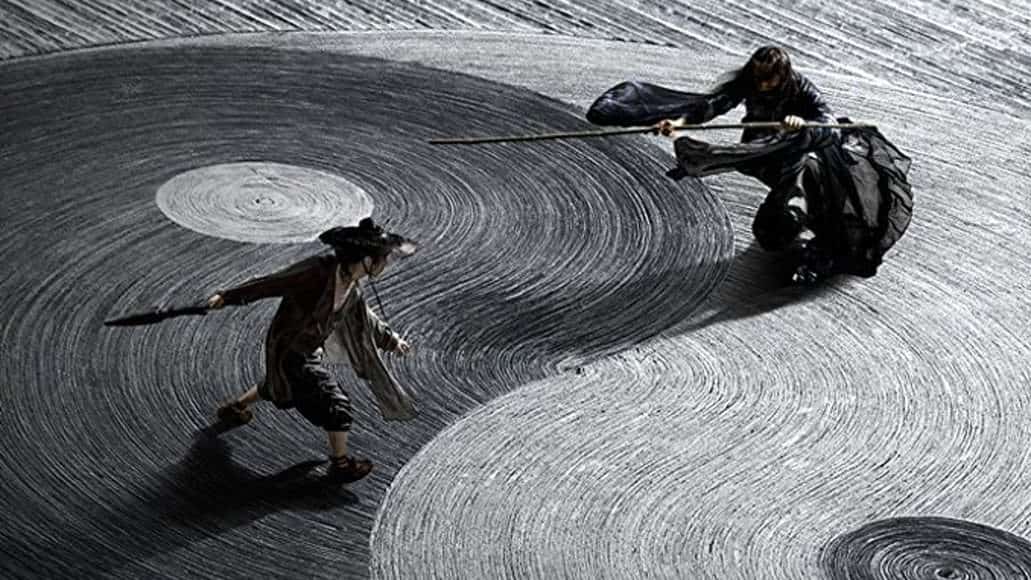
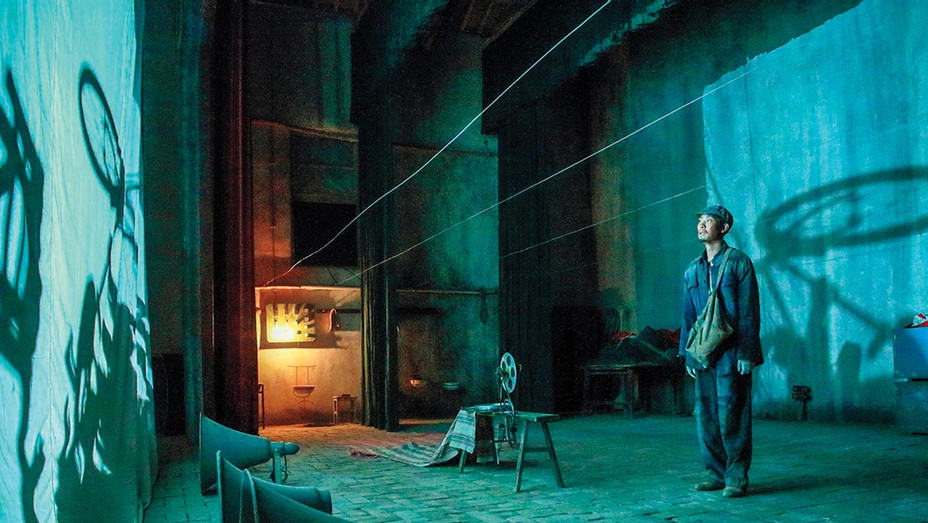
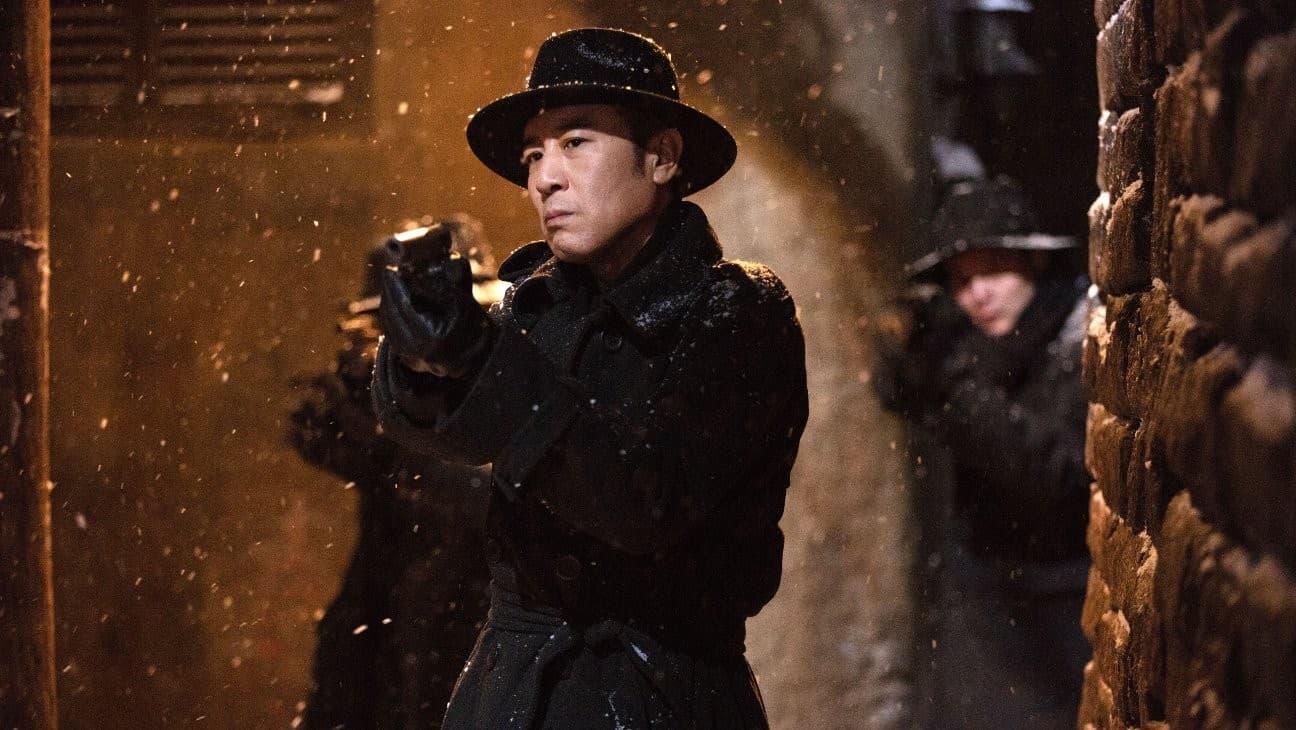
On the other hand, several films from this period demonstrated his enduring capacity to surprise and innovate. Shadow (2018) captivated audiences with its radical visual concept, a stunning monochromatic aesthetic inspired by ink-wash painting, applied to a classical wuxia narrative. One Second (2020), despite its troubled release history and abrupt withdrawal from the Berlin International Film Festival due to unspecified "technical reasons" (widely believed to be censorship), emerged as a deeply affecting, personal love letter to cinema, set against the backdrop of the Cultural Revolution. Cliff Walkers (2021) showcased his flair for intricate espionage thrillers in a historical setting, while Full River Red (2023) proved he could still deliver something fresh, playful, and masterfully controlled within the confines of a chamber mystery, becoming a significant box office success in China. His most recent work, Scare Out (2026), relocates his thriller machinery to contemporary China, revealing both the strengths of his seasoned craft and the perceived limits imposed by an ideological function, often retreating into safety rather than sustained provocation. Even when operating within increasingly restrictive political circumstances, Zhang has consistently managed to find spaces, sometimes small, sometimes substantial, for play, beauty, ambiguity, and melancholy.
Personal Life and Public Scrutiny
Zhang Yimou’s personal life has, at various points, also attracted significant public attention, from his high-profile relationship with Gong Li to his later marriage to Chen Ting and the controversy surrounding family-planning violations in 2013, which resulted in a substantial fine of 7.48 million yuan (approximately $1.2 million USD). This incident sparked widespread public debate in China regarding celebrity privilege and adherence to state policies. Yet, even these public episodes seem, in retrospect, almost secondary to the larger, sprawling arc of a career that spans more than four decades and several distinct eras of Chinese cinema.
Legacy: A Figure of Paradoxes and Enduring Influence
Zhang Yimou remains an enduring figure defined by paradoxes. He is at once a poet of vibrant color and a master of stark austerity; an artist of profound individual longing and a meticulous choreographer of collective identity; a filmmaker who challenged authority and later became one of its most visible cultural representatives. That these seemingly contradictory facets continue to coexist and manifest in his diverse body of work is part of what makes him such a compelling and endlessly debated figure.
His filmography is simply too vast and too varied to be contained by any single label. He is a master of color and movement, but also of silence and stillness. He directed some of the most important arthouse films to emerge from China, then played a pivotal role in defining the era of the Chinese blockbuster, and subsequently moved into public spectacle on a scale few filmmakers have ever attempted. His work can be lyrical, abrasive, intimate, propagandistic, transcendent, compromised, and brilliant, sometimes all within the same decade. Yet, even these contradictions coalesce to form a coherent, albeit complex, portrait. Zhang Yimou is not merely one of the great Chinese directors; he is undeniably one of the central filmmakers of the last half-century, an artist whose expansive career meticulously charts not only his own profound evolution but also that of Chinese cinema itself, and indeed, how the world perceives it. The results have not always been uniformly great, but they have almost always been impossible to ignore.
Selected Film Highlights: A Journey Through Zhang Yimou’s Vision
Red Sorghum (1988)
Zhang Yimou’s directorial debut remains one of the defining opening statements in modern Chinese cinema, a work that already contains much of what would make him great: a vibrant command of color, a fascination with human endurance under pressure, and a gift for merging sensuality, folklore, and violence into one intoxicating whole. Set in rural Shandong during the brutal Second Sino-Japanese War, the story of Jiu’er (Gong Li), a young woman sold into marriage who slowly emerges as a powerful, independent figure within a sorghum winery, is shaped through a romanticized yet harsh vision of the countryside, where patriarchy, banditry, raw desire, and military invasion all leave their indelible mark. Gong Li, in her magnetic debut, transforms the character into both a victim of her era and a potent embodiment of the indomitable spirit Zhang so often admired in his female protagonists, while Jiang Wen adds swagger and humor to the drunken lover who can never quite match her force. The film’s imagery, particularly its audacious use of red as a multifaceted symbol of passion, blood, tradition, and survival, immediately announced Zhang as a master stylist. But what still makes Red Sorghum so powerful today is the way its visual bravura is intrinsically tied to something primal and profoundly humane, resulting in a debut that is not simply historically important, but still exhilarating in its own right.
Raise the Red Lantern (1991)
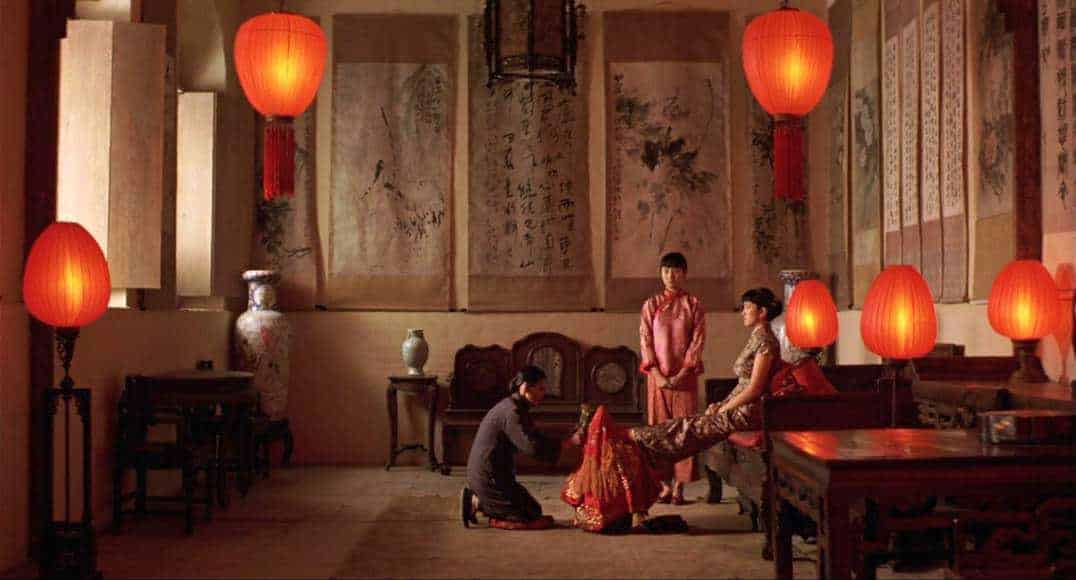
If Red Sorghum is expansive and earthy, Raise the Red Lantern is its suffocatingly controlled counterpart, a claustrophobic chamber tragedy in which architecture, rigid ritual, and oppressive hierarchy become instruments of profound psychological and physical oppression. Set in a grand, labyrinthine household in the 1920s, the film follows Songlian (Gong Li), a young woman who, after her father’s death, is sold into becoming the fourth wife of a wealthy master. Zhang meticulously transforms the enclosed compound into a gilded prison disguised as privilege, a place where the women are relentlessly forced into rivalry and paranoia by a system built on arbitrary power, sexual control, and psychological humiliation. Gong Li delivers one of the finest performances of her career, charting Songlian’s devastating descent from educated defiance into spiritual collapse with astonishing precision, while the supporting cast, including He Saifei, Cao Cuifen, Jin Shuyuan, and Kong Lin, deepen the sense of a household where every gesture is political and every act of rebellion met with cruel reprisal. Zhang’s control of the frame is breathtaking, with light, costume, color, and silence all contributing to the film’s symbolic richness, and the mansion itself emerging as one of the great expressive spaces in cinema. It remains one of his most devastating works, not only because of the cruelty it depicts, but because of how elegantly it reveals the insidious way oppressive traditions turn the oppressed against one another.
Not One Less (1999)
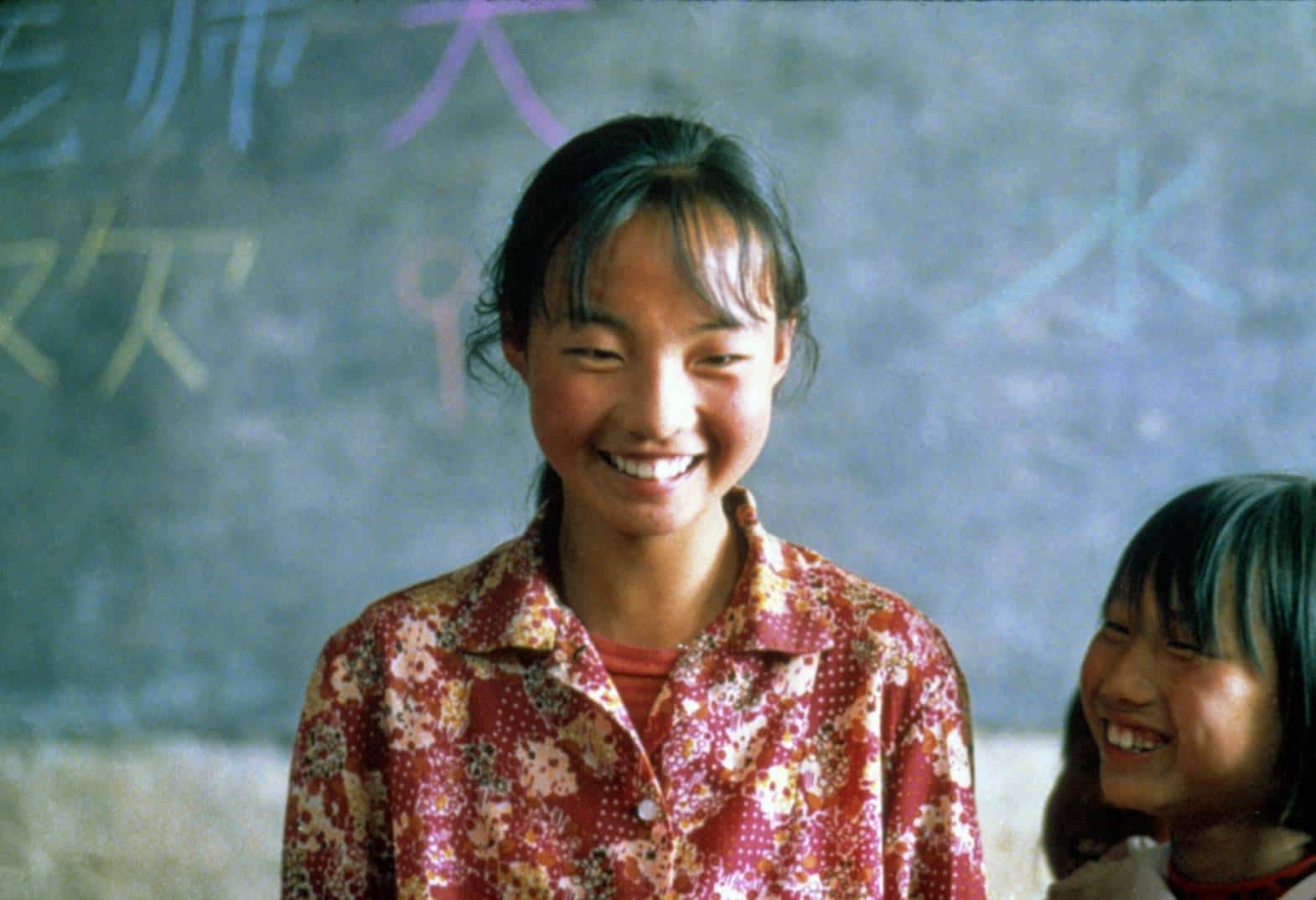
One of Zhang Yimou’s most deceptively simple films, Not One Less deliberately trades the overt visual stylization of his earlier, more opulent work for a neorealist immediacy that proves just as powerful and affecting. Set against the backdrop of pressing rural education reform in China, the story follows 13-year-old substitute teacher Wei Minzhi (played by non-professional actor Wei Minzhi), who is promised a small bonus if none of her students leaves school during the teacher’s temporary absence. When one impoverished boy runs off to the city in search of work, Wei Minzhi embarks on a determined, often arduous, quest to bring him back. What unfolds is both a moving portrait of persistence and a sharp, implicit critique of systemic failure, as the film exposes the pervasive poverty of rural communities, the absurdity of bureaucratic indifference, and the widening chasm between the countryside and the rapidly developing cities with remarkable clarity and empathy. Zhang’s use of non-professional actors and real locations lends the film an extraordinary sense of authenticity, and the young lead’s stubborn, unwavering determination becomes the emotional anchor for a narrative that is both socially precise and deeply affecting. Although the ending carries a somewhat romanticized optimism that hints at compromises made under the shadow of censorship, the film’s critique of social inequality remains eloquent throughout, and the result is one of Zhang’s finest explorations of individual perseverance in the face of institutional neglect.
The Road Home (1999)
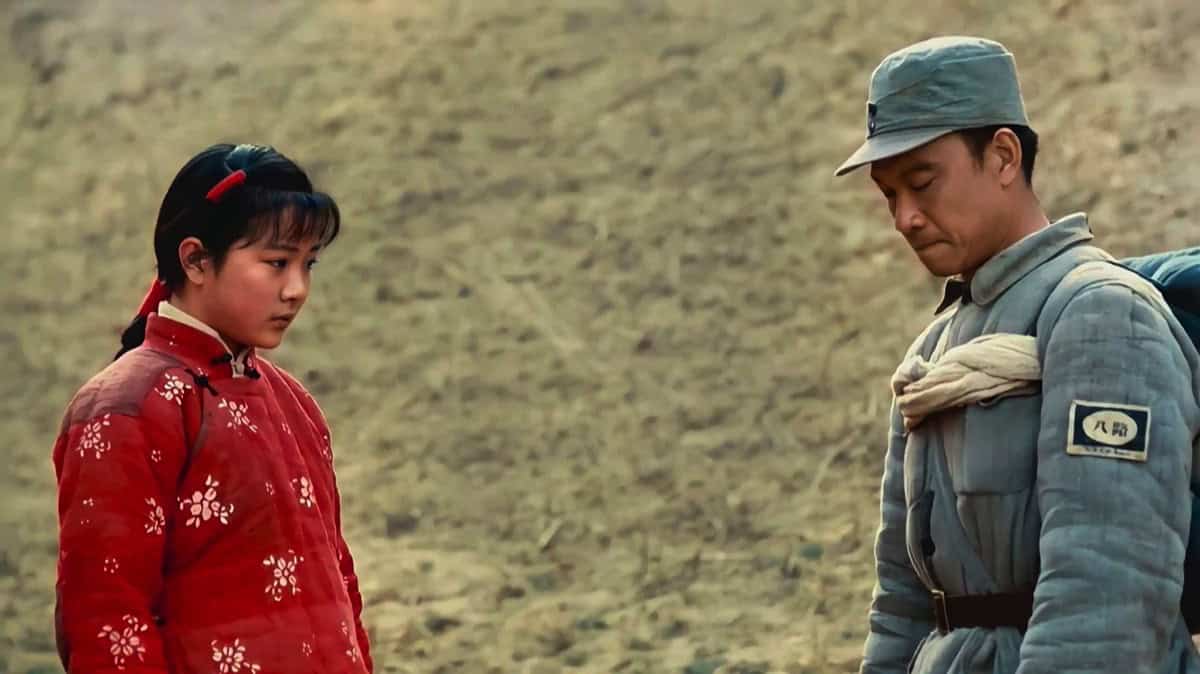
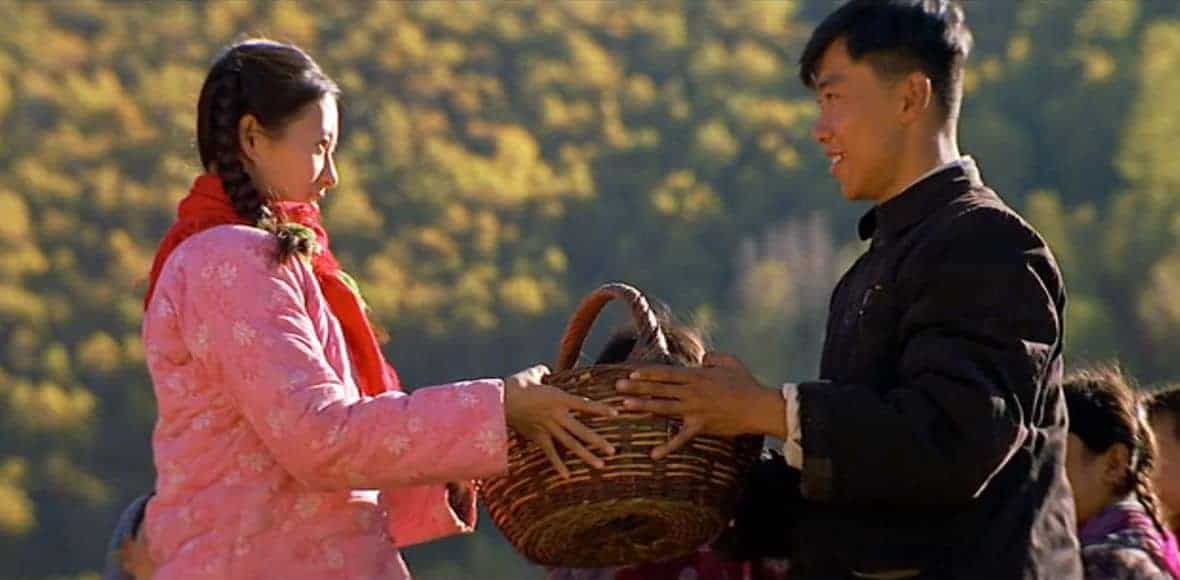
With The Road Home, Zhang Yimou shifts into a more openly lyrical and nostalgic register, crafting a poignant love story that feels like a cherished memory held together by luminous color, tender ritual, and profound longing. Framed by a son’s return to his remote village after his beloved father’s death, the film masterfully employs black and white for the somber present and bursts into luminous, vibrant color for the past, an inversion that immediately marks memory as the realm of emotional truth and vitality. The central flashback, recounting the disarmingly simple courtship between the young village beauty Zhao Di (Zhang Ziyi in her radiant debut) and the new, dedicated schoolteacher, is deceptively simple on the surface, yet Zhang’s elegant restraint is precisely what gives the story its immense power. In her debut, Zhang Ziyi is incandescent, carrying the film through subtle gesture, expressive glances, and an almost elemental screen presence that makes Zhao Di’s innocence and unwavering devotion feel both archetypal and vividly real. Hou Yong’s breathtaking cinematography, San Bao’s evocative music, and Zhang’s delicate pacing all combine to create a work of immense tenderness and heartfelt nostalgia. However, there are also quiet hints of political and social friction in the background, from the challenges of educational stagnation in rural areas to the lingering aftershocks of the Cultural Revolution. The result is a film of unusual warmth in Zhang’s oeuvre, a visual delight whose emotional strength lies in its profound sincerity and understated beauty.
Hero (2002)
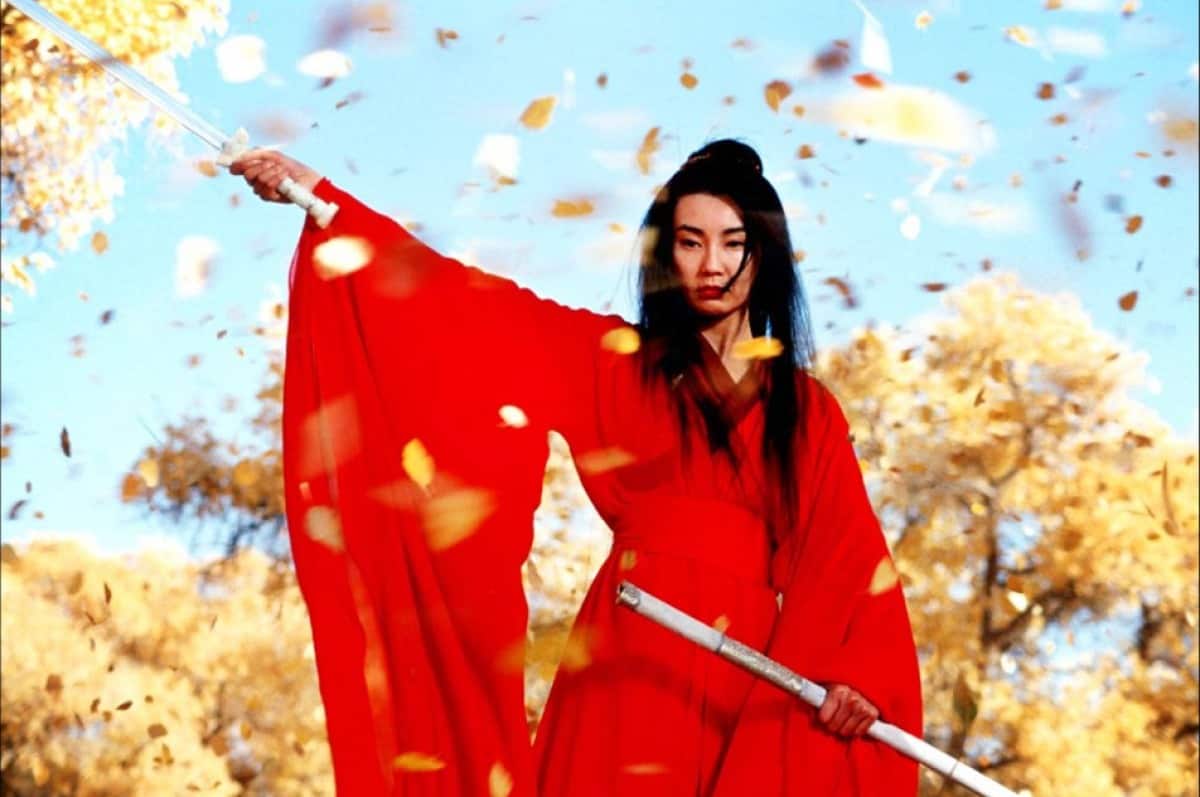
Hero marked a major turning point in Zhang Yimou’s career, propelling him fully into the realm of the wuxia blockbuster while brilliantly preserving his obsession with visually stunning storytelling and intricate thematic structure. Built around a deceptively simple premise, in which a nameless warrior (Jet Li) recounts to the tyrannical King of Qin (Chen Daoming) how he purportedly defeated the realm’s greatest assassins, the film unfolds through competing, often contradictory, versions of the truth, making deception, interpretation, and political ambition central to its complex design. What distinguishes Hero beyond its historical importance as a commercial breakthrough (it was China’s highest-grossing film at the time of its release and earned an Academy Award nomination) is the revolutionary way Zhang uses color not merely as decoration, but as a fundamental narrative principle. Each shifting version of events acquires its own distinct chromatic identity—from vibrant red to serene blue to lush green—and emotional logic, guiding the audience through layers of truth and illusion. Christopher Doyle’s masterful cinematography transforms the film into a succession of painterly tableaux, while the stellar ensemble cast, including Jet Li, Tony Leung, Maggie Cheung, Donnie Yen, Zhang Ziyi, and Chen Daoming, anchors the spectacle with a profound sense of mythic gravitas. The action scenes are among the most beautiful and fluid in the genre, not only because of their breathtaking choreography but because each duel becomes a miniature drama of passion, betrayal, and philosophical conflict. Hero is entertaining in the grandest sense, but also far more intricate and intellectually stimulating than its epic scale initially suggests, a film that helped inaugurate a new era of Chinese blockbuster cinema without sacrificing intelligence or beauty.

The Great Wall (2016)
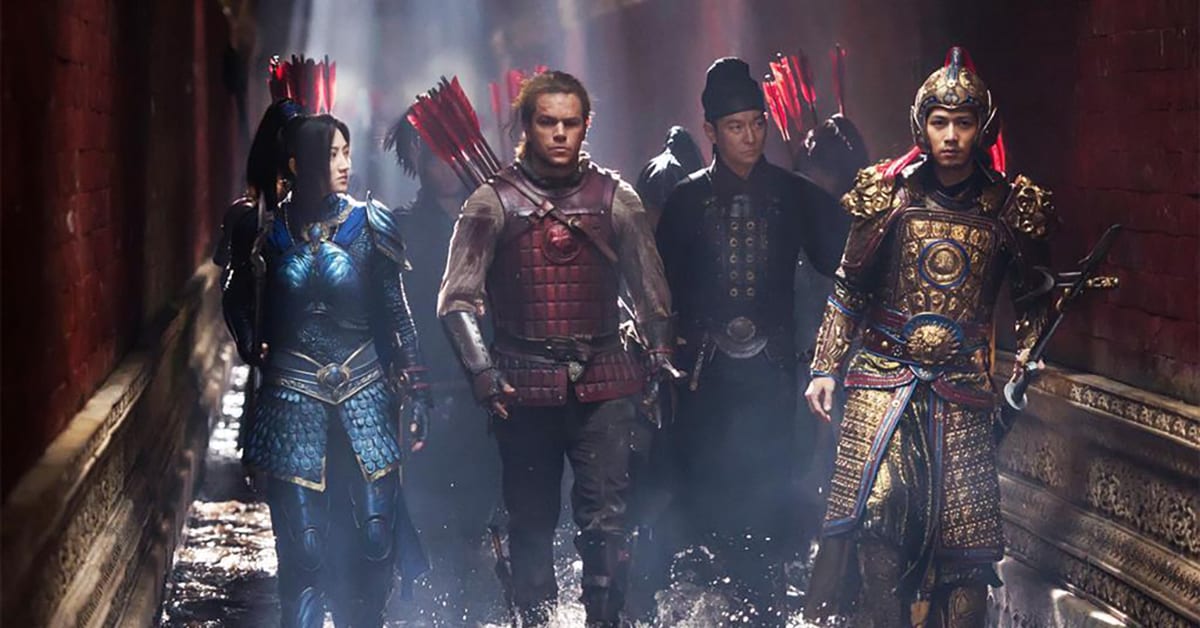
One of the most debated titles in Zhang Yimou’s extensive filmography, The Great Wall stands as an ambitious but ultimately uneven experiment in transnational blockbuster filmmaking. Conceived as a major China-Hollywood collaboration and, at the time, the most expensive film ever made entirely in China, it brought together a large Chinese cast alongside Hollywood star Matt Damon in a fantastical action story involving mercenaries, monstrous creatures, and the valiant defense of the empire. Whatever controversies surrounded the film before its release, particularly accusations of "white savior" storytelling, the finished result is more complicated, with the Chinese military clearly positioned as the central force of order and heroism, while the Westerners are often depicted as more opportunistic and morally compromised. Yet, the film’s real problems lie elsewhere: in a stiff and predictable script, thinly sketched characterizations, and an emotional coldness that even Zhang’s formidable visual gifts and a reported $150 million budget cannot fully overcome. The battles are often visually striking, the color design unmistakably his, and there are flashes of the grandeur he brings to large-scale movement and spectacle. However,