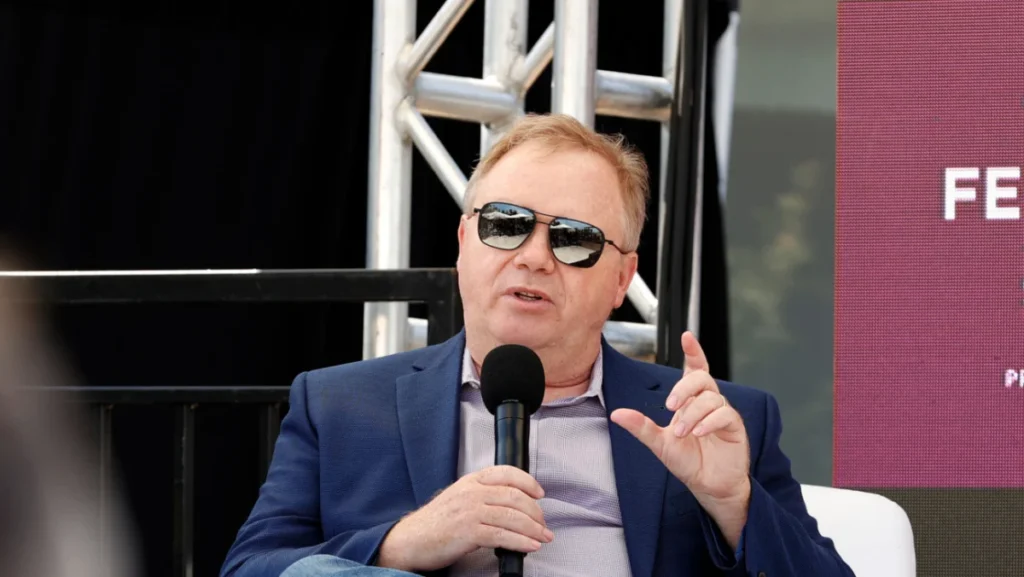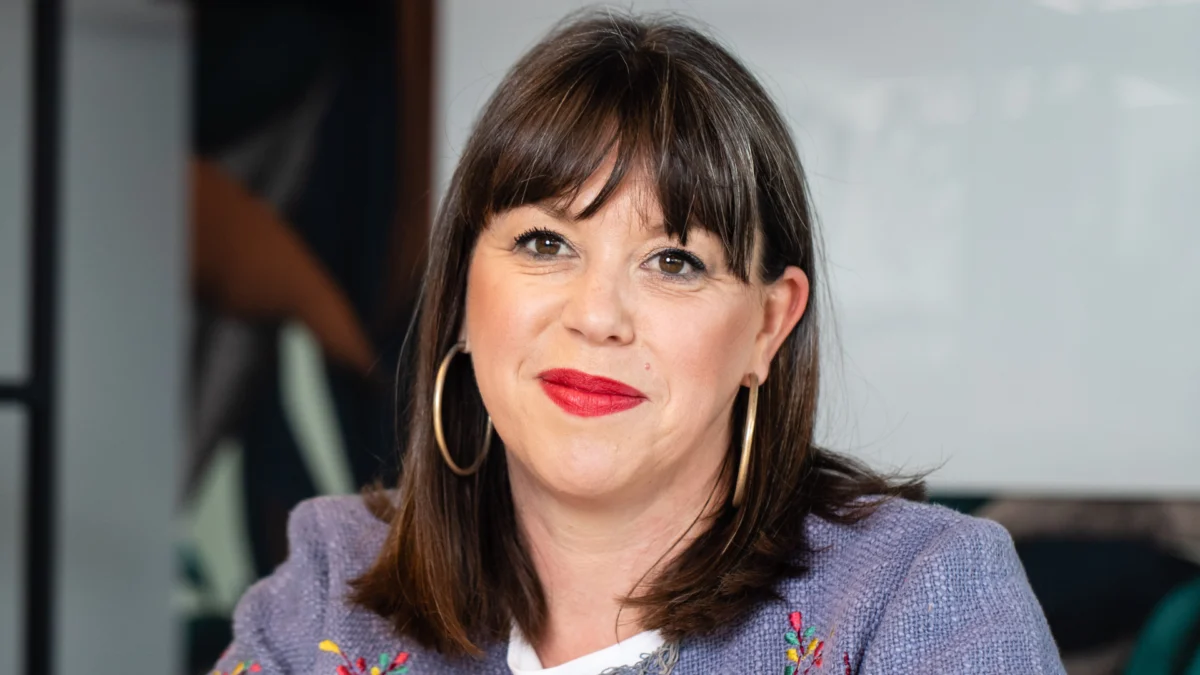
The Royal Television Society (RTS), Britain’s premier forum for the television and media industry, has officially announced the appointment of Sophie Jones as its new Chief Executive Officer. The decision, confirmed by the Society’s Board of Trustees on Monday, marks a significant leadership transition for the nearly century-old institution as it navigates a period of profound technological and structural change within the global media landscape. Jones, an experienced executive with a deep background in both the television and music industries, will succeed the outgoing CEO Theresa Wise, who is stepping down later this year after more than a decade of transformative leadership.
Sophie Jones currently serves as the Chief Strategy Officer for the British Phonographic Industry (BPI), the UK’s leading trade association for recorded music and the organizing body behind the prestigious BRIT Awards and the Mercury Prize. Since joining the BPI in 2020 as Director of Public Affairs, Jones has been instrumental in shaping the music industry’s response to legislative challenges and market shifts. Her transition to the RTS represents a return to the television sector, where she previously spent a significant portion of her career at Channel 4, serving as Head of Corporate Relations. In her new role at the RTS, Jones will be responsible for overseeing the Society’s wide-ranging portfolio, which includes its educational initiatives, high-profile awards ceremonies, national and regional centers, and a growing membership community that spans the breadth of the UK media industry.
A Strategic Transition in Leadership
The appointment of Sophie Jones comes at a critical juncture for the RTS. As the industry grapples with the rise of global streaming giants, the integration of artificial intelligence in production, and shifting consumer habits among younger demographics, the role of the RTS as a central hub for discourse and professional development has never been more vital. Jones’s appointment is seen by industry analysts as a strategic move to bridge the gap between traditional broadcasting and the modern digital economy.
Jane Turton, the Chair of the RTS Board of Trustees and CEO of All3Media, expressed strong confidence in Jones’s ability to lead the organization. Turton highlighted Jones’s unique blend of experience in production, broadcasting, and public policy as a primary factor in her selection. "Sophie’s experience across both the production and broadcasting sectors is a valuable asset to the RTS as we continue to grow the Society, adapting to the demands of a very fast-changing media world," Turton stated. She further emphasized Jones’s commitment to the Society’s educational mission, noting that her passion for developing career opportunities for a diverse range of talent aligns perfectly with the RTS’s long-term objectives.
Jones herself acknowledged the weight of the responsibility, describing the opportunity to lead the institution as a "huge privilege." She paid tribute to the work of her predecessor, Theresa Wise, stating that she looks forward to building on an "impressive legacy" with the support of the RTS’s network of volunteers and staff across the United Kingdom.
The Professional Path of Sophie Jones
Sophie Jones’s career trajectory reflects a sophisticated understanding of the intersection between creative content and public policy. During her tenure at the BPI, she was a key figure in advocating for the rights of labels and artists during a period of intense scrutiny regarding streaming royalties and the impact of generative AI on copyright. Her role as Chief Strategy Officer required a delicate balance of stakeholder management, involving major labels like Universal, Sony, and Warner, alongside hundreds of independent labels.
Before her time in the music industry, Jones’s tenure at Channel 4 provided her with a front-row seat to the challenges facing public service broadcasters (PSBs) in the UK. As Head of Corporate Relations, she was involved in navigating the complex relationship between the broadcaster, the government, and the regulatory body Ofcom. This experience is expected to be particularly relevant as the RTS continues to host the Cambridge Convention and other forums where the future of British broadcasting policy is debated by senior executives and government ministers.
Chronology of the Royal Television Society and Leadership Milestones
To understand the significance of this appointment, it is necessary to view it within the context of the RTS’s long history and the tenure of the outgoing leadership:
- 1927: The Royal Television Society is founded, making it the oldest television society in the world. It was established just as television technology was beginning to emerge from experimental laboratories.
- 1966: The Society is granted its "Royal" title, reflecting its status as a central pillar of the British cultural and media establishment.
- 2013: Theresa Wise is appointed CEO. Under her leadership, the RTS significantly expanded its educational outreach, modernized its awards ceremonies, and strengthened its financial position.
- 2020: Sophie Jones joins the BPI as Director of Public Affairs, later becoming Chief Strategy Officer. During this period, the RTS successfully navigated the COVID-19 pandemic by transitioning many of its events to digital formats.
- 2023: The RTS celebrates its 95th anniversary, reaffirming its commitment to being an inclusive home for the entire industry.
- 2024 (Early): Theresa Wise announces her intention to step down.
- 2024 (Present): Sophie Jones is officially confirmed as the incoming CEO, with a handover period scheduled for later in the year.
Supporting Data: The Impact of the RTS on the UK Economy
The Royal Television Society is not merely a social club for media executives; it serves as a vital engine for the UK’s creative industries, which contribute significantly to the national economy. According to data from the Department for Culture, Media and Sport (DCMS), the creative industries contribute approximately £126 billion to the UK economy annually. The television sector remains a cornerstone of this contribution.
The RTS plays a direct role in sustaining this growth through its educational and bursary programs. In the last decade, the RTS has awarded hundreds of bursaries to students from low-income backgrounds pursuing careers in television production and journalism. These programs are designed to address the "skills gap" and ensure that the industry remains accessible to talent regardless of socio-economic status. Jones’s mandate will include the expansion of these programs as the industry faces increasing pressure to improve diversity and inclusion metrics.
Furthermore, the RTS’s regional centers—located in areas such as Scotland, Wales, Northern Ireland, and the English regions—ensure that the Society’s influence extends beyond the "London bubble." This regional presence is crucial at a time when the BBC, ITV, and Channel 4 are all under mandates to move more production and decision-making outside of the capital.
Official Responses and Industry Context
The news of Jones’s appointment has been met with positive reactions across the broadcasting spectrum. While formal statements from the "Big Four" broadcasters (BBC, ITV, Channel 4, and Channel 5) are typically reserved for major policy shifts, senior figures within these organizations have privately welcomed the appointment of a leader who understands the nuances of the UK’s unique public service broadcasting ecology.
The transition comes at a time when the UK government is implementing the Media Act 2024, which aims to modernize the regulatory framework for the digital age. The Act includes provisions for "prominence" (ensuring PSB apps are easy to find on smart TVs) and updates to the remit of various broadcasters. As CEO of the RTS, Jones will be at the forefront of the industry’s efforts to interpret and implement these changes, providing a neutral ground for competitors to discuss common challenges.
Industry observers note that Jones’s background in the music industry brings a fresh perspective to the RTS. The "convergence" of media—where music, gaming, and video content increasingly overlap on social platforms—means that a CEO with multi-sector experience is well-positioned to lead the RTS into its next century.
Broader Impact and Implications for the Future
The appointment of Sophie Jones signals a commitment by the RTS to remain relevant in an era defined by rapid change. There are several key areas where her leadership is expected to have a lasting impact:
1. Digital Transformation and AI:
The RTS will likely increase its focus on how emerging technologies like generative AI and virtual production are reshaping the craft of television. Under Jones, the Society’s conventions and masterclasses are expected to delve deeper into the ethical and practical implications of these technologies.
2. Diversity and Talent Pipelines:
With a background in public affairs and strategy, Jones is well-equipped to advocate for more robust talent pipelines. The RTS Bursary schemes are likely to see continued investment, with a particular focus on digital skills and technical roles that are currently in high demand.
3. Global Positioning of UK Content:
As the UK seeks to maintain its status as a global hub for high-end television production (supported by the Audio-Visual Expenditure Credit), the RTS serves as a showcase for British excellence. Jones will play a key role in promoting the "UK brand" to international audiences and investors.
4. Sustainability:
The television industry is under increasing pressure to reach "Net Zero." The RTS, through its events and partnerships, will continue to lead the conversation on how productions can reduce their carbon footprint, a priority that Jones has previously engaged with during her time at the BPI.
As Theresa Wise prepares to hand over the reins, the Royal Television Society stands as a robust and influential organization. The selection of Sophie Jones suggests a desire for continuity in excellence combined with a forward-looking strategy that acknowledges the complexities of the modern media environment. Jones will take up the post later this year, assuming responsibility for an institution that remains the beating heart of the British television industry.