Las Vegas, NV – The highly anticipated live-action adaptation of Nintendo’s iconic video game franchise, The Legend of Zelda, has successfully concluded principal photography, a significant milestone announced by Sony Pictures at its CinemaCon presentation in Las Vegas on Monday. Sanford Panitch, President of Sony’s Motion Picture Group, delivered the news, confirming the project’s progression towards its global release date of May 7, 2027. While no new visual assets or extensive details were unveiled during the presentation, the confirmation of wrapped production underscores the ambitious nature of this joint venture between two entertainment giants, Nintendo and Sony, signaling a continued robust investment in the burgeoning genre of video game adaptations. The announcement was a focal point during CinemaCon, the annual gathering where Hollywood studios present their upcoming slates to cinema owners, reinforcing the theatrical experience and the pipeline of major films destined for the big screen.
A Landmark Production for an Iconic Franchise
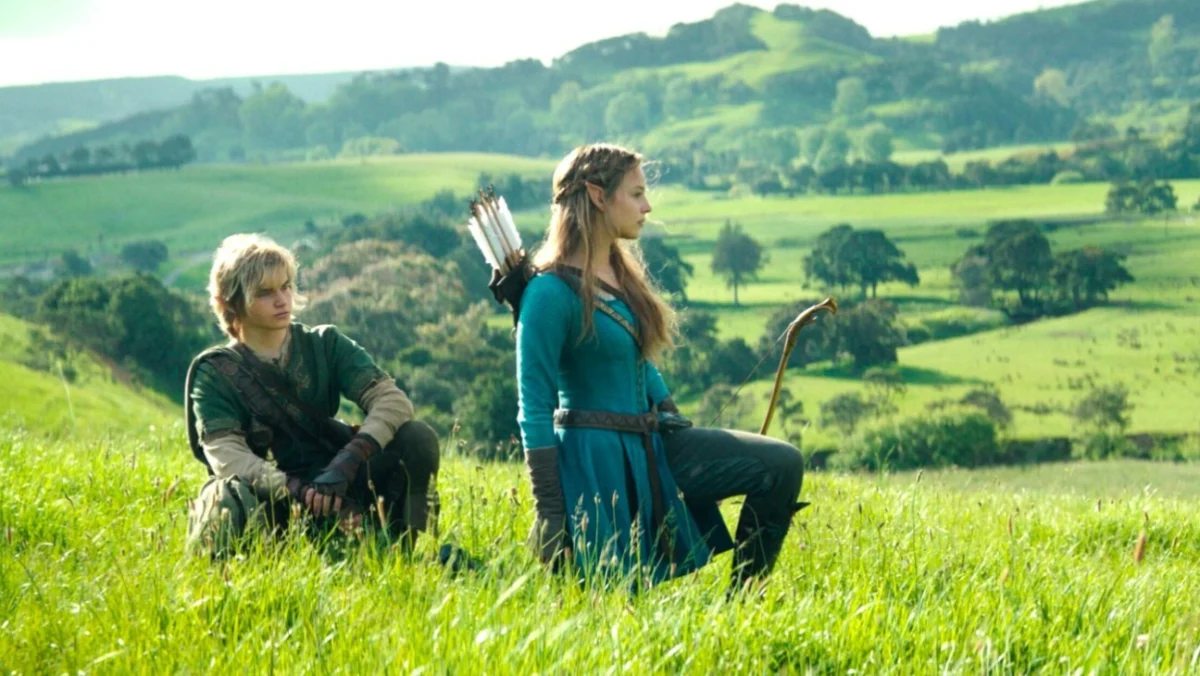
The completion of principal photography marks a critical juncture for The Legend of Zelda film, a project that carries immense weight given the franchise’s legendary status in gaming history. For decades, fans have dreamed of a faithful big-screen rendition of Link’s adventures across Hyrule, and this production, helmed by director Wes Ball, represents the most concrete realization of that dream to date. Ball, known for his work on the Maze Runner trilogy and the recent Kingdom of the Planet of the Apes, brings a proven track record of crafting visually immersive and action-packed narratives, qualities that are essential for translating the sprawling fantasy world of Zelda. The film features a burgeoning cast, with young talents Bo Bragason, acclaimed for her roles in BBC One’s Three Girls and The Jetty, cast as the titular Princess Zelda, and Benjamin Evan Ainsworth, recognized for his performances in Pinocchio and The Haunting of Bly Manor, taking on the role of the courageous swordsman, Link. The careful selection of actors to embody such beloved characters highlights the production’s commitment to capturing the essence of the game’s protagonists.
The announcement at CinemaCon, held at Caesars Palace, served as a powerful declaration of intent from Sony and Nintendo. Panitch emphasized the global appeal and staggering commercial success of the source material, stating, "We just wrapped production on Nintendo’s The Legend of Zelda — based, perhaps, on the most beloved gaming franchise of all time that sold over 180 million copies in four decades." This figure, a testament to the series’ enduring popularity and cultural impact since its inception in 1986, underscores the massive built-in audience awaiting the film. The direct involvement of Nintendo legend Shigeru Miyamoto, the creator of The Legend of Zelda series, as a co-producer alongside veteran Hollywood producer Avi Arad, further instills confidence in the project’s authenticity and vision. Miyamoto’s meticulous approach to IP adaptation was previously demonstrated with the highly successful The Super Mario Bros. Movie, suggesting a hands-on commitment to preserving the core spirit of the games while translating them to a new medium.
The Genesis of the Live-Action ‘Zelda’
The journey to a live-action Legend of Zelda film has been a long and winding one, punctuated by rumors, false starts, and intense fan speculation. For years, the notion of adapting such a complex and revered video game series seemed insurmountable, largely due to Nintendo’s historical reluctance to license its core intellectual properties after less-than-stellar cinematic ventures in the past, most notably the 1993 Super Mario Bros. movie. This cautious approach meant that while other video game franchises made their way to the big screen, Zelda remained largely untouched by Hollywood.
However, a significant shift in Nintendo’s strategy became evident in the late 2010s and early 2020s. Following the overwhelming success of Pokémon Detective Pikachu (2019), which demonstrated the potential for live-action adaptations of beloved Japanese game IPs, and spurred by the monumental global box office performance of The Super Mario Bros. Movie in 2023, Nintendo began to embrace cinematic storytelling more openly. The Super Mario Bros. Movie, a co-production with Illumination and distributed by Universal Pictures, shattered expectations, grossing an astounding $1.36 billion worldwide. This commercial triumph not only validated Nintendo’s renewed cinematic ambitions but also provided a blueprint for how to successfully adapt its unique brand of whimsical yet deeply resonant storytelling. The original article mentions a "sequel The Super Mario Galaxy Movie, released earlier this month, is already at over $600,000 worldwide." This appears to be an anomaly or perhaps a limited, niche release not widely reported, as the official sequel to The Super Mario Bros. Movie was announced for a 2026 release, without a specific title like "Galaxy" yet confirmed. Regardless, the overall momentum from the Mario film clearly paved the way for other major Nintendo franchises, with Zelda being the natural next candidate.
The official announcement of the Legend of Zelda live-action film came in October 2023, confirming a long-rumored collaboration between Nintendo and Sony Pictures. This partnership itself is noteworthy, as Nintendo had previously worked with Universal for Mario. The choice of Sony suggests a strategic decision, potentially leveraging Sony’s established expertise in high-fantasy and adventure cinema, as well as its own successful track record with video game adaptations like Uncharted and Gran Turismo. Following the initial announcement, "first-look images" from director Wes Ball’s vision for the film were reportedly released in November 2023. While these were not elaborated upon at CinemaCon, their prior release indicates that the project has been steadily moving through its development and production phases with a degree of public-facing engagement.
The Production Team: Visionaries at the Helm
The synergy of creative and executive talent behind The Legend of Zelda film is a critical factor in its potential success.
Wes Ball (Director): Ball’s directorial style is often characterized by dynamic action sequences, strong visual storytelling, and a keen ability to build immersive worlds. His work on the Maze Runner trilogy demonstrated his capacity to adapt popular young adult dystopian novels into compelling cinematic experiences, balancing character development with high-stakes adventure. More recently, Kingdom of the Planet of the Apes showcases his ability to handle complex CGI and integrate emotional depth within a fantastical setting. These experiences are highly relevant for Zelda, which demands both intricate world-building for Hyrule and its diverse landscapes, as well as captivating action sequences involving Link’s swordplay and magical encounters. Ball has expressed a long-standing passion for the Zelda franchise, a sentiment that often translates into a more dedicated and authentic adaptation.
Shigeru Miyamoto (Co-Producer): Miyamoto’s direct involvement as a producer is perhaps the most reassuring aspect for long-time fans. As the visionary behind the original game, his presence ensures that the film will adhere to the core tenets and spirit of The Legend of Zelda. Miyamoto is known for his hands-on approach and his emphasis on gameplay experience and universal appeal. His participation in The Super Mario Bros. Movie was credited with helping the film capture the essence of the games, from its vibrant aesthetic to its character portrayals. For Zelda, this means a potential focus on adventure, exploration, and the enduring themes of courage, wisdom, and power that define the Triforce. His influence is expected to safeguard the narrative integrity and visual design, preventing deviations that might alienate the dedicated fanbase.
Avi Arad (Co-Producer): Avi Arad is a veteran producer with an extensive resume, particularly known for his foundational role in bringing Marvel Comics characters to the big screen, including the early Spider-Man films and various X-Men productions. His experience spans decades of adapting comic books and, more recently, video games. Arad’s involvement typically signifies a project with commercial aspirations and a focus on broad audience appeal. While some of his adaptations have faced mixed critical reception, his understanding of franchise building and cinematic spectacle is undeniable. His partnership with Miyamoto likely creates a balanced dynamic, with Arad bringing Hollywood production expertise and Miyamoto providing creative oversight from the source material’s perspective.
The Cast: The casting of Bo Bragason as Princess Zelda and Benjamin Evan Ainsworth as Link introduces two rising young actors to immensely scrutinized roles. Bragason’s background in dramatic television suggests an ability to convey the regal bearing, wisdom, and inner strength often associated with Princess Zelda, who is far more than a damsel in distress in many iterations of the game. Ainsworth, with experience in both live-action and voice roles (including the titular character in Disney’s live-action Pinocchio), offers a blend of innocence and capability that could suit Link, a character often defined by his silent determination and heroic spirit. The challenge for these actors will be to embody characters deeply ingrained in the collective consciousness of millions, while also bringing fresh interpretations to the screen.
The Broader Landscape of Video Game Adaptations
The completion of The Legend of Zelda live-action film’s principal photography is not an isolated event but rather a significant marker in a broader, accelerating trend within Hollywood: the successful adaptation of video game intellectual properties. For many years, video game movies were notoriously difficult to get right, often failing to resonate with either critics or audiences. However, recent years have seen a dramatic turnaround.
The success of The Super Mario Bros. Movie is a prime example, but it’s part of a larger wave that includes critical and commercial hits such as Paramount’s Sonic the Hedgehog films, HBO’s acclaimed series The Last of Us, and Amazon Prime Video’s recent Fallout series. These productions have demonstrated that with the right creative teams, a deep understanding of the source material, and sufficient production values, video games can provide rich narratives and expansive worlds ripe for cinematic and television adaptation. This shift is driven by several factors:
- Massive Built-in Fanbases: Video games are no longer a niche hobby; they are a mainstream entertainment form with hundreds of millions of players globally, offering a ready-made audience for adaptations.
- Rich Storytelling: Modern video games often feature intricate plots, compelling characters, and extensive lore, providing a strong foundation for screenplays.
- Technological Advancements: Visual effects and CGI have reached a level where fantastical game worlds can be brought to life convincingly.
- Strategic IP Expansion: Gaming companies like Nintendo are increasingly recognizing the value of cross-media storytelling to broaden their brand reach and introduce their IPs to new audiences.
For Sony, its commitment to video game adaptations is explicit. Panitch’s statement, "Video game adaptations continue to be a significant focus for us," underlines a strategic pillar for the studio. Beyond Zelda, Sony has had success with its own PlayStation IP adaptations, including Uncharted (2022) starring Tom Holland, which grossed over $400 million worldwide, and Gran Turismo (2023), which performed respectably. This experience makes Sony a logical partner for Nintendo, particularly for a project with the scale and expectation of The Legend of Zelda.
The Road Ahead: Expectations and Challenges
With principal photography now complete, The Legend of Zelda film enters its intensive post-production phase. This will involve months, if not years, of editing, visual effects work, sound design, and scoring – all critical elements for bringing Hyrule and its magical inhabitants to life. The May 7, 2027 release date allows ample time for this meticulous process, crucial for a film that will undoubtedly rely heavily on CGI for its fantastical creatures, environments, and magical effects.
The expectations for The Legend of Zelda are astronomically high. Fans of the game series span multiple generations, and each has their own beloved iteration of Link, Zelda, and the world of Hyrule. The challenge for Wes Ball and the production team will be to craft a film that respects the diverse interpretations and enduring appeal of the games while also creating a coherent, engaging cinematic narrative for a global audience, including those unfamiliar with the source material. Key considerations will include:
- Narrative Structure: How will the film adapt the often non-linear, open-ended nature of Zelda games into a compelling linear story?
- Link’s Character: How will the silent protagonist, Link, be portrayed on screen? Will he remain mostly mute, or will the film give him dialogue, a decision that could be divisive among fans?
- Tone: Will the film lean into the whimsical fantasy, the darker epic themes, or a blend that balances both the charm and the gravitas of the series?
- Visual Fidelity: Ensuring that the iconic designs of characters, enemies, and locations are translated faithfully yet dynamically to the big screen.
The immense success of The Super Mario Bros. Movie sets a high bar for box office performance. Given Zelda‘s comparable global brand recognition and deep lore, its potential theatrical run could easily rival or even surpass Mario, positioning it as a tentpole release for Sony and a cornerstone of Nintendo’s expanded entertainment empire.
CinemaCon: A Hub for Industry Announcements
The setting for this pivotal announcement, CinemaCon, underscores its significance to the film industry. Held annually in Las Vegas, the event serves as a crucial platform where Hollywood studios showcase their upcoming slates to theatre owners and exhibition professionals from around the world. Organized by Cinema United (formerly the National Association of Theatre Owners, or NATO), CinemaCon is where distributors build buzz, confirm release dates, and reassure exhibitors of a steady flow of high-quality content designed to drive audiences back to cinemas. The 2024 edition, running from April 13-16, featured presentations from all major studios, each vying to generate excitement for their forthcoming projects. Sony’s decision to announce the wrap of principal photography for The Legend of Zelda here highlights the film’s status as a major cinematic event, directly communicating its readiness for the next stages of production to the very people who will be showcasing it to audiences worldwide. It is a strategic move, assuring exhibitors of a powerful, pre-sold franchise coming to their screens in the near future, reinforcing the enduring importance of the theatrical model in an evolving media landscape.