The Evolution of the Voice Cast and New Character Introductions
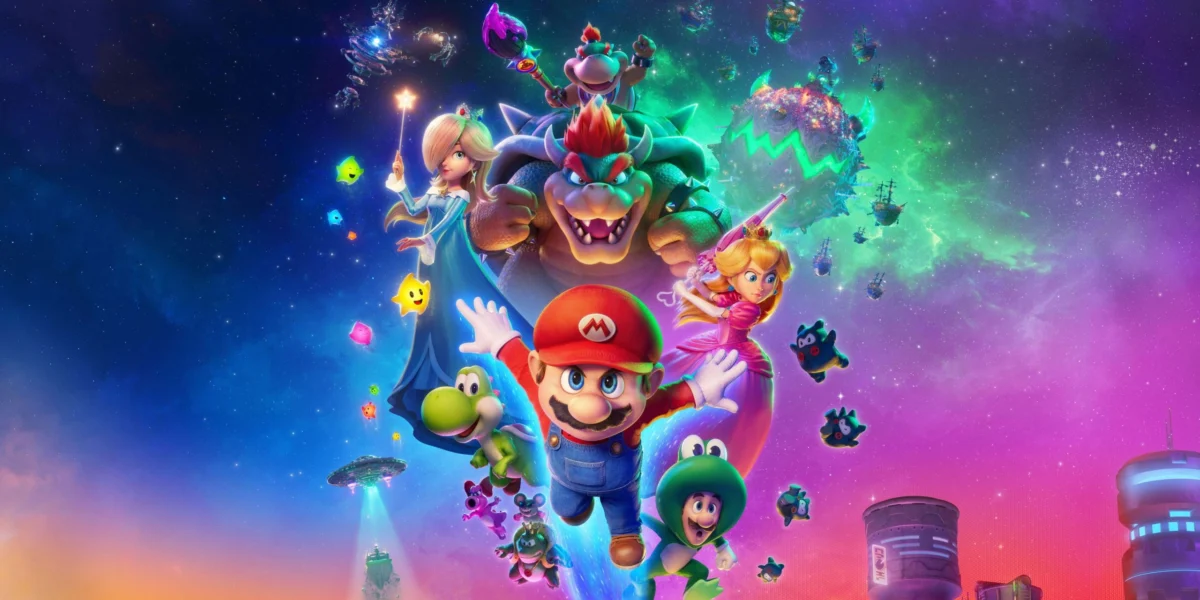
A central focus of the discourse surrounding the sequel is the expansion of the ensemble cast. The production has secured several A-list performers to fill roles that have been highly anticipated by the global fanbase. Benny Safdie joins the production as Bowser Jr., adding a new layer to the antagonistic dynamics established in the first film. Donald Glover provides the voice for Yoshi, a character whose appearance was teased in the post-credits sequence of the 2023 predecessor.
Perhaps the most significant additions to the cast are Glen Powell and Brie Larson. Powell takes on the role of Fox McCloud, a character originating from the "Star Fox" series, signaling a deliberate effort by Nintendo to create a shared cinematic universe that transcends the immediate Mario cast. Brie Larson portrays Princess Rosalina, the celestial protector of the Lumas and a central figure in the "Super Mario Galaxy" lore. The inclusion of these actors highlights the studio’s strategy of pairing established Hollywood talent with iconic intellectual property to ensure broad demographic appeal.
Creative Continuity and Production Strategy
The creative team responsible for the success of the first film remains largely intact for this sequel. Directors Aaron Horvath and Michael Jelenic, known for their work on "Teen Titans Go! To the Movies," return to helm the project. Their approach to the first film was characterized by a rapid-fire comedic pace and a deep reverence for the visual language of the video games. Working alongside them is screenwriter Matthew Fogel, whose previous credits include "Minions: The Rise of Gru."
This continuity in leadership suggests a commitment to the "Illumination style"—a blend of vibrant, high-fidelity animation and accessible humor. The production timeline for "The Super Mario Galaxy Movie" reflects an accelerated schedule, capitalizing on the momentum generated by the $1.36 billion global box office haul of the first installment. By maintaining the same core creative unit, Nintendo and Illumination aim to provide a consistent aesthetic and narrative experience for the audience that propelled the original to become the second-highest-grossing film of 2023.
From the Mushroom Kingdom to the Cosmos: Narrative Shift
The transition from the Mushroom Kingdom to the depths of space marks a significant departure in both tone and visual design. Based on the 2007 Nintendo Wii title "Super Mario Galaxy," the film explores themes of cosmic wonder and existential stakes. The narrative follows Mario as he traverses various "galaxies"—small, gravity-defying planetoids that allow for inventive action sequences.
The introduction of Princess Rosalina and the Comet Observatory provides a new central hub for the story, moving away from the traditional castle settings of the first film. Analysts suggest that this shift is a strategic move to prevent franchise fatigue, offering visual variety that differentiates the sequel from the original. The plot integrates the search for "Power Stars" with a broader conflict involving Bowser’s attempt to create a new sun, a plot point that mirrors the high stakes of the source material.
The "Star Fox" Integration and the Nintendo Cinematic Universe
The inclusion of Glen Powell as Fox McCloud represents a pivotal moment for Nintendo’s cinematic ambitions. By introducing characters from the "Star Fox" franchise into a Mario-centric story, the studio is effectively laying the groundwork for a "Super Smash Bros." style crossover event in the future. This "crossover" logic has been a staple of the Marvel Cinematic Universe and is now being applied to Nintendo’s diverse portfolio of properties.
Fox McCloud’s presence serves as a bridge between the whimsical fantasy of the Mario world and the more technical science fiction of the Star Fox universe. This integration is expected to satisfy long-term fans while introducing younger audiences to characters who have not had a standalone theatrical presence. Industry observers note that the success of this crossover will likely dictate how future properties, such as "The Legend of Zelda" or "Metroid," are integrated into the burgeoning cinematic landscape.
Historical Context: Building on the 2023 Phenomenon
To understand the significance of "The Super Mario Galaxy Movie," one must examine the performance of its predecessor. "The Super Mario Bros. Movie" (2023) broke numerous records, including the biggest opening weekend for an animated film at the time. Despite a mixed reception from critics—holding a 59% on Rotten Tomatoes—the film earned a 95% audience score, indicating a strong disconnect between professional critical analysis and consumer satisfaction.

The 2023 film proved that video game adaptations, long considered a "cursed" genre in Hollywood, could be among the most profitable ventures in the industry. The sequel arrives in a market that has been reshaped by this success, with studios now more willing to invest heavily in high-fidelity adaptations of gaming IP. The financial data from the first film provided the "green light" for the ambitious, space-faring scope of the sequel, allowing for a higher production budget and a more extensive marketing campaign.
Technical Analysis: Animation, Physics, and Score
The technical demands of "The Super Mario Galaxy Movie" are substantially higher than those of the first film. Illumination Mac Guff, the studio’s animation arm, had to develop new rendering techniques to handle the complex gravity physics and lighting effects required for a space setting. The "Galaxy" games are famous for their spherical gravity, where characters can walk around the underside of small planets. Translating this to a cinematic medium required a sophisticated approach to camera movement and character animation to avoid disorienting the audience.
The musical score also plays a vital role in the film’s identity. The original game’s soundtrack, composed by Mahito Yokota and Koji Kondo, was celebrated for its orchestral grandeur. For the film, the score incorporates these iconic themes while adding new arrangements that match the cinematic scale. Critics and fans alike have noted that the music is a key component in establishing the "wonder" of the galaxy, moving beyond the 8-bit nostalgia of the first film into a more symphonic territory.
Critical Reception and Industry Implications
Initial reviews and podcast discussions, such as those from the "Next Best Picture" team, have delved into the film’s ability to balance fan service with narrative depth. A recurring theme in the discourse is whether the sequel manages to flesh out its characters beyond their gaming archetypes. The SPOILER-FILLED reviews from industry insiders highlight the action-heavy second act and the emotional resonance of Rosalina’s backstory as high points of the production.
From an industry perspective, the film’s performance is being watched as a bellwether for the "animation boom." As traditional live-action franchises face diminishing returns, animated features based on established IP are showing remarkable resilience. The ability of "The Super Mario Galaxy Movie" to maintain the momentum of the first film will likely influence Nintendo’s long-term strategy regarding its other franchises.
Broader Cultural and Economic Impact
The release of the film is accompanied by a massive merchandising push, including tie-in sets from LEGO and new software updates for the Nintendo Switch. This synergy between the film and the gaming ecosystem is a hallmark of Nintendo’s corporate strategy. The film serves not just as a standalone entertainment product, but as a multi-hour advertisement for the brand’s digital products.
Economically, the success of the Mario films has contributed to a surge in Nintendo’s stock and a renewed interest in the company’s back catalog of games. "Super Mario Galaxy," originally released over 15 years ago, has seen a resurgence in digital sales following the film’s announcement. This "halo effect" demonstrates the power of cinematic adaptations to revitalize older intellectual properties and introduce them to a new generation of consumers.
Conclusion: The Future of the Franchise
As "The Super Mario Galaxy Movie" continues its theatrical run and dominates digital discourse, the path forward for Nintendo seems clear. The integration of characters like Fox McCloud and the expansion into cosmic settings suggest that the studio is no longer content with simple adaptations; they are building a complex, interconnected universe. Whether this culminates in a "Super Smash Bros." epic or continues as a series of standalone sequels, the success of this intergalactic adventure has solidified Mario’s place as a cornerstone of modern cinema.
The collaboration between Illumination and Nintendo has proven to be one of the most lucrative partnerships in recent film history. By focusing on high-quality animation, a star-studded cast, and a faithful yet expanded take on the source material, they have created a formula that resonates with a global audience. The "Galaxy" sequel is a testament to the enduring appeal of these characters and the limitless potential of the worlds they inhabit.