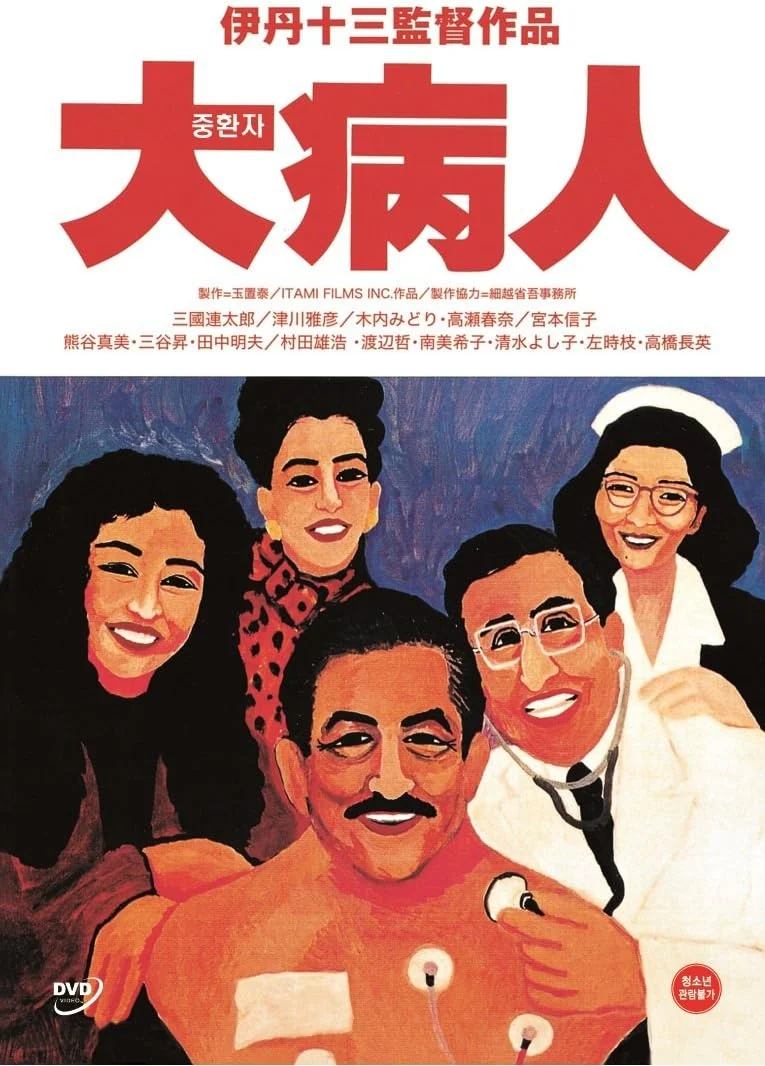
This 1993 bittersweet comedy stands as arguably the most autobiographical work in the acclaimed director’s career, delving into the intricate workings of the healthcare system and the nuanced, often blurred boundaries between a life deemed worth living and a seemingly pointless existence. The film, a poignant yet comedic exploration of impending death, gained particular resonance in Japan due to its frank depiction of medical realities and its connection to a highly publicized personal trauma suffered by Itami himself.
A Director’s Final Act: The Premise of ‘The Last Dance’
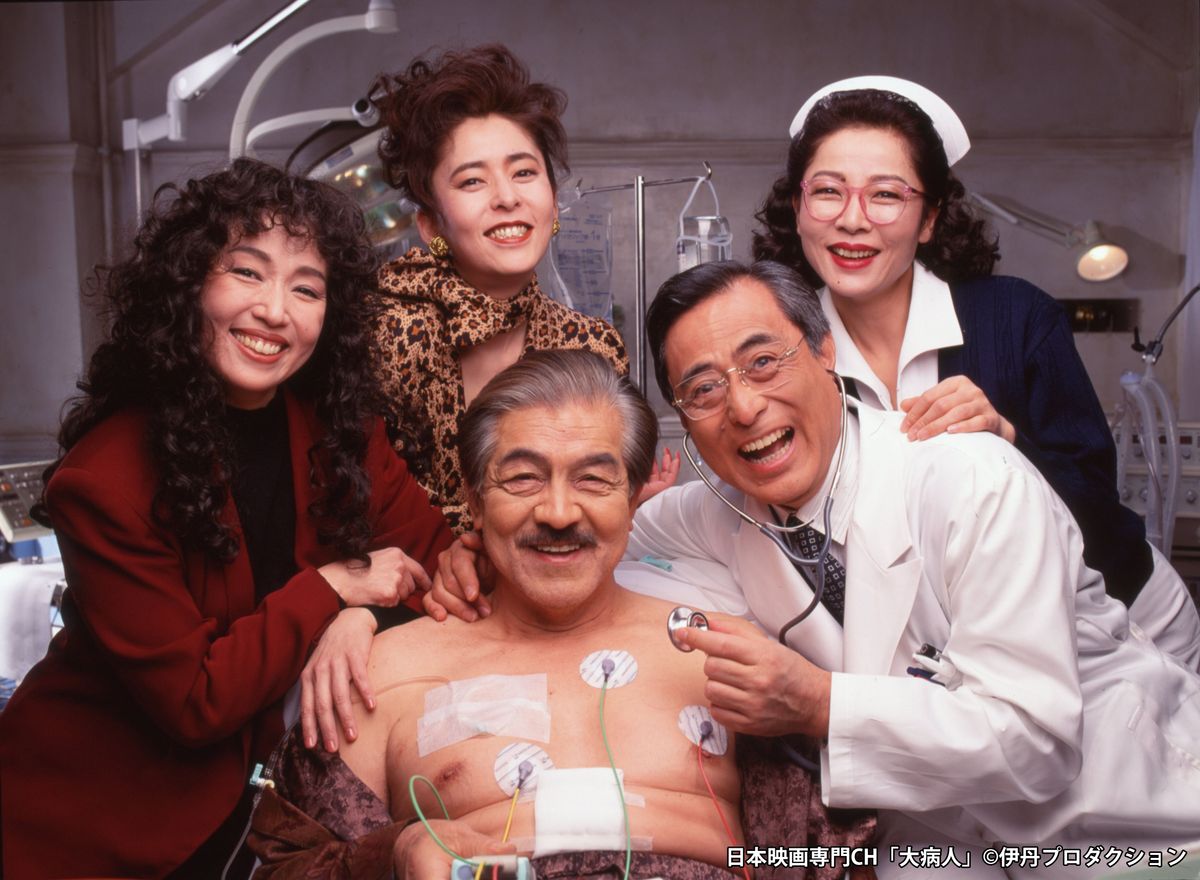
At its core, "The Last Dance" introduces audiences to Buhei Mukai, a vibrant and prolific film director in his sixties, masterfully portrayed by the veteran actor and Cannes-winning director Rentaro Mikuni. Mukai is depicted as a man of formidable appetites, equally devoted to his cinematic craft and to earthly indulgences such as alcohol, gambling, and a fondness for women. His life, a tapestry woven with creative fervor and hedonistic pursuits, takes an abrupt and somber turn following tests for internal bleeding, which ultimately lead to a diagnosis of stomach cancer. The prognosis is grim: Mukai is given approximately one year to live.
In a common, albeit ethically complex, practice of the time, Mukai’s doctor, Ogata (played by Masahiko Tsugawa), makes the decision, with the consent of Buhei’s devoted wife Mariko (Nobuko Miyamoto), to conceal the true nature of his illness. The intent is to spare the patient the psychological anguish of a direct death sentence. However, following a second surgery, Buhei, a man of sharp intellect and keen observation, begins to piece together the truth. The narrative then follows his tumultuous journey through the stages of grief and acceptance, swinging wildly from initial anger and despair to a defiant indulgence in old habits, before ultimately embracing his fate. His final, resolute goal becomes the completion of his last motion picture, an act that imbues his remaining days with profound purpose.
The Genesis of a Personal Narrative: Itami’s Ordeal and Inspiration
The deeply personal nature of "The Last Dance" is inextricably linked to a harrowing real-life incident in Juzo Itami’s own life. Just a year prior to the film’s release, in 1992, Itami had directed "Minbo: The Gentle Art of Japanese Extortion," a satirical and revealing expose on the pervasive influence and often absurd tactics of yakuza families in Japanese public affairs. The film, a critical and box office triumph, dared to ridicule these powerful criminal syndicates, a transgression that did not go unpunished.
Days after "Minbo"’s theatrical release, Itami was brutally assaulted by members of the Goto-gumi, a notoriously powerful yakuza clan. The attack, which left him hospitalized with severe injuries, was widely perceived as a direct retaliation for his film’s unflattering portrayal of the criminal underworld. This traumatic experience, rather than deterring him, provided Itami with an unexpected and profound opportunity. During his recovery in a Tokyo hospital, he gained firsthand, intimate access to the inner workings of the Japanese healthcare system. He meticulously observed the protocols, the interactions between staff and patients, the bureaucratic layers, and the human drama unfolding within the sterile environment. This period of forced observation and reflection transformed a personal trauma into the fertile ground for what would become "The Last Dance." Itami famously articulated his belief that "filmmaking is finding something interesting and digging into it," and his hospitalization provided an abundance of such material.
This incident also cast a long shadow over Itami’s life and career, culminating in his tragic death in 1997, which was officially ruled a suicide but remains a subject of considerable speculation, with many believing it to be connected to ongoing yakuza threats and intimidation. The autobiographical elements in "The Last Dance" thus gain a haunting prescience, offering a glimpse into a director confronting mortality and systemic complexities, mirroring his own future.
Japan’s Healthcare Landscape and the Rise of Medical Dramas in the 1990s
"The Last Dance" emerged at a fascinating juncture in Japanese societal and cinematic history. The early 1990s marked a period of introspection and change following the bursting of Japan’s economic bubble. While the nation still boasted a robust universal healthcare system, the film subtly anticipated and critiqued certain aspects that would become increasingly scrutinized. Specifically, Itami’s film highlighted issues of patient autonomy, the financial motivations behind certain treatments, and the often paternalistic approach of the medical establishment.
Stomach cancer, the specific affliction chosen for Buhei Mukai, was particularly prevalent and feared in Japan during this era. Statistics from the 1990s indicate that stomach cancer was among the leading causes of cancer-related deaths in the country, leading to a pervasive public anxiety. General media, including newspapers and radio, were saturated with advertisements from private insurance companies, capitalizing on this fear by promoting specialized cancer treatment plans, often presenting stomach cancer as exceptionally difficult to treat. This societal context provides a crucial backdrop for the film’s critique, suggesting that the "expensive treatments" depicted, with their "bright-colored liquids and ridiculously complex machinery" (rendered in a "somewhat cyberpunk fashion" by art director Kenichi Samura), might be prescribed as much for the financial benefit of insurers and institutions as for the genuine well-being of the patients. The stark image of a terminally ill smoker, kept alive by a breathing machine, serves as a powerful, almost dystopian, metaphor for a system prioritizing prolongation of life at any cost, sometimes without clear consideration for quality of life or patient wishes.
The film’s exploration of these themes also predated and somewhat anticipated the burgeoning medical drama genre in Japan. While TV dramas like "Kagayaku toki no naka de" had begun to touch on medical themes in the early 1990s, the true boom of cult shows such as "Shiroi Kyotou" (The Great White Tower) would occur in the early 2000s. "The Last Dance," therefore, can be seen as a pioneering work in cinematic terms, laying groundwork for a genre that would later captivate Japanese audiences by exposing the ethical dilemmas, power struggles, and human stories within the medical profession. Itami’s film, however, brought a unique blend of dark comedy and deeply personal reflection that set it apart from later, more overtly dramatic explorations.
The Human Element Amidst Systemic Impersonality
Despite its sharp critique of the institutional flaws and the "cold bureaucrats running" the healthcare system, "The Last Dance" ultimately pivots to emphasize the enduring power of genuine human connection. Itami’s narrative suggests that even within an impersonal system, mutual trust and empathy can forge meaningful bonds. Buhei’s initial rage and attempts to escape his prognosis gradually give way to a profound acceptance of his fate. This transformation allows him to pay due respect to his devoted wife, Mariko, whose quiet strength and unwavering support are central to his journey, and to the hospital staff who care for him.
Crucially, this shift is reciprocal. As Buhei sheds his initial defiance and engages with his mortality, the hospital staff begin to perceive him not merely as "a man defined by his vices," but as a vulnerable human being in desperate need of empathy, understanding, and dignity, rather than mere state-of-the-art drugs or stern reprimands. This mutual recognition underscores the film’s optimistic message: even in the face of death and systemic failings, the individual capacity for connection can transcend professional boundaries and personal shortcomings.
Buhei Mukai, serving as Itami’s clear cinematic persona – an identification further solidified by Rentaro Mikuni’s remarkable career as both actor and director – embodies the artist confronted by the ultimate, undeniable truth: no amount of artistic merit, fame, or even personal "treachery" (referring to his vices) can exempt him from crossing the "Sanzu river" of the afterlife, a poignant Japanese metaphor for the river separating the living from the dead. This realization grounds the character in a universal human experience, making his struggle relatable far beyond the specificities of his profession or culture.
Meta-Cinema and the Poetic Acceptance of Death
The film reaches its emotional and artistic zenith in its depiction of Buhei’s pursuit of his magnum opus, the "last dance" of his life. In an unforgettable instance of meta-cinema, Itami masterfully blurs the lines between his own directorial vision and Buhei’s. A wide shot reveals Buhei/Mikuni directing a musical ensemble, a scene that is then revealed to be a subjective shot, placing the viewer directly into the mind and perspective of the dying director. This technique allows the points of view of Itami, Buhei, and Mikuni to powerfully overlap, creating a profound moment of artistic legacy and personal catharsis. It is an assertion that art, even in the shadow of death, offers a form of immortality and a means to convey one’s final message.
Following this artistic triumph, in a moment designed to catch both the other characters and the audience off guard, Buhei embarks on his final journey. He meets his ancestors on the "other bank of the river," depicted in what is widely regarded as one of the most lysergic and intensely imaginative representations of a pre-death experience in cinematic history. This sequence, with its blend of neorealism and surrealism, draws clear parallels to the visionary works of Federico Fellini, particularly his ability to weave fantastical elements into grounded narratives. Itami, through this surrealist flourish, offers a deeply spiritual and poetic vision of death, not as an end, but as a transition, a final, vibrant dance into the unknown.
Enduring Legacy and Universal Resonance
"The Last Dance" stands as a testament to Juzo Itami’s unique ability to transform personal adversity into universal art. While deeply rooted in the specific events of his life and the cultural context of 1990s Japan, the film’s themes resonate globally. Itami’s sharp acumen for mocking human archetypes and critiquing societal institutions, particularly the complex and often flawed healthcare system, provides a framework for understanding universal struggles.
Ultimately, the film’s most enduring message is a profound one: in a world often dominated by impersonal systems and the looming fear of mortality, meaningful individual connections emerge as the sole, potent antidote. "The Last Dance" reminds us that while institutions may falter and life may be fleeting, the bonds we forge, the empathy we share, and the human spirit’s capacity for acceptance and creativity are what truly define a life worth living, right up until its final, poignant performance. The film solidified Itami’s reputation as a fearless satirist and a compassionate observer of the human condition, leaving behind a cinematic legacy that continues to provoke thought and touch hearts.