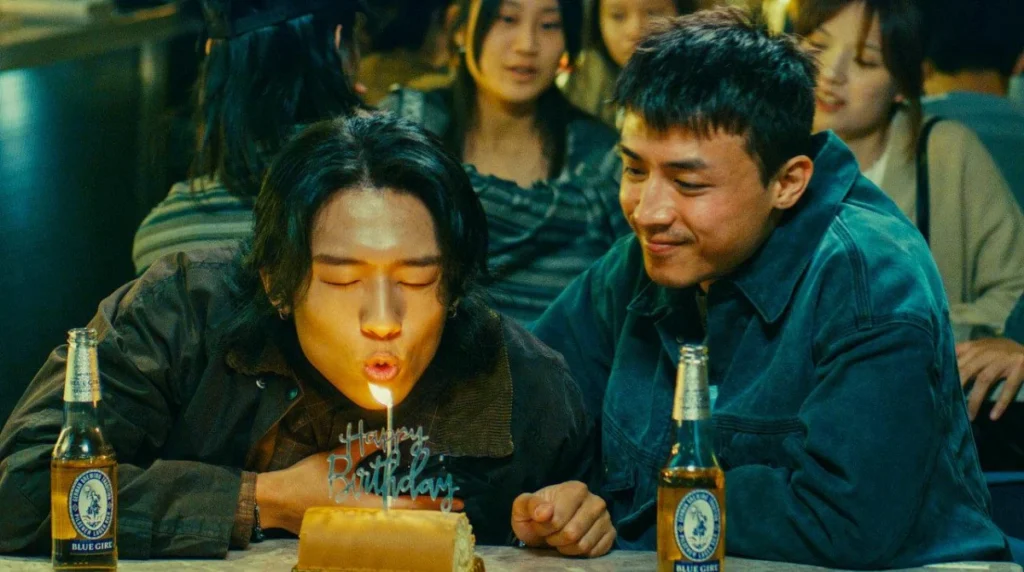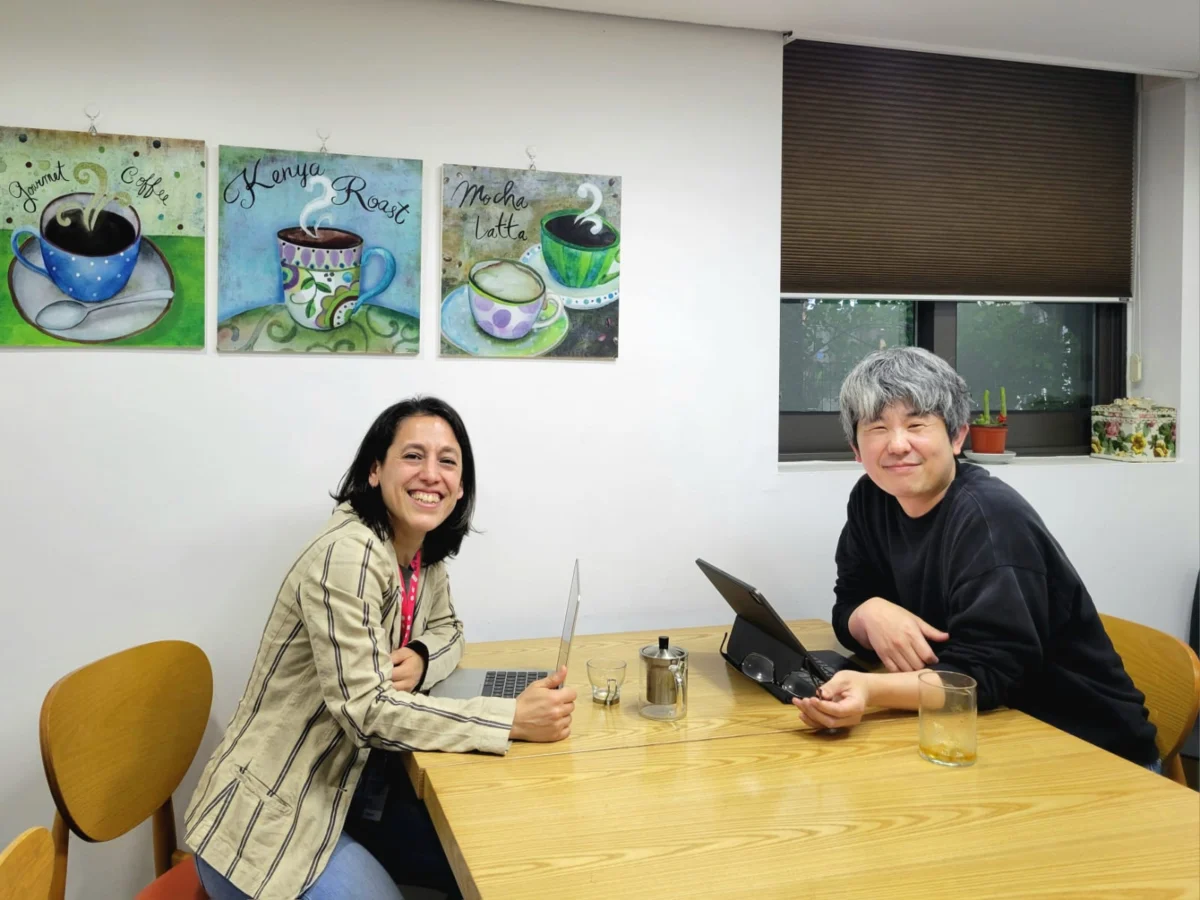
Jeonju, South Korea – The Jeonju International Film Festival (JIFF), a venerated platform for independent and experimental cinema, recently hosted the premiere of acclaimed South Korean director Kim Jong-kwan’s latest work, "Frosted Window." The screening, held ahead of its anticipated theatrical release, offered audiences a profound journey into the director’s signature style—a quiet yet deeply perceptive exploration of human emotion and everyday life. Kim Jong-kwan, celebrated for his introspective narratives and delicate cinematic touch over two decades, also presented his 2016 film "Worst Woman" at the festival, creating a unique opportunity to trace the evolution of his thematic preoccupations.
The Jeonju International Film Festival, established in 2000, has carved out a distinctive niche in the global cinematic landscape, distinguishing itself from larger, more commercially oriented festivals by championing films that push artistic boundaries and offer alternative perspectives. Its commitment to auteur cinema makes it an ideal venue for a filmmaker like Kim Jong-kwan, whose work consistently prioritizes artistic integrity and emotional resonance over mainstream appeal. His presence at the festival, not only with a new premiere but also with a retrospective screening, underscored JIFF’s role in fostering a deeper appreciation for diverse cinematic voices and allowing for a nuanced understanding of a director’s continuous artistic dialogue.
A Retrospective Glimpse into a Distinguished Career
Kim Jong-kwan’s filmography is marked by a consistent sensitivity to the nuances of human experience. His career began quietly but has steadily built a reputation for its distinctive style, often focusing on intimate conversations, fleeting gestures, and the unspoken emotions that define everyday interactions. Prior to "Frosted Window," he garnered significant acclaim for films such as "The Table" (2016), an elegant, minimalist ensemble piece depicting four women engaging in poignant conversations in a café. This film, celebrated for its exquisite screenplay and understated performances, solidified his reputation for crafting narratives that find profundity in simplicity.
Another notable work is his 2020 Korean remake of Isshin Inudo’s "Josee, the Tiger and the Fish," retitled "Josée," starring popular actors Han Ji-min and Nam Joo-hyuk. While a more commercially visible project, "Josée" retained Kim’s delicate touch, adapting the original’s melancholic charm into a distinctly Korean context. His collaborative efforts, such as his contribution to the anthology film "The Killers" alongside directors Roh Deok, Lee Myung-se, and Chang Hang-jun, further demonstrate his versatility within the independent filmmaking sphere. The inclusion of "Worst Woman" (2016) at JIFF alongside "Frosted Window" was particularly insightful, as both films share structural and thematic threads, albeit separated by a decade.
"Frosted Window" and the Echoes of "Worst Woman"
The parallel screening of "Frosted Window" and "Worst Woman" at JIFF offered a rare comparative lens into Kim Jong-kwan’s creative evolution. The director himself highlighted the profound connection between the two, noting that both films are predominantly set in Seochon, a historic and picturesque neighborhood in Seoul, and both employ a unique one-day story structure. "I feel like ‘Frosted Window’ is a kind of novel written by the protagonist of ‘Worst Woman’," Kim explained, suggesting a continuous, evolving conversation within his oeuvre. This statement hints at a meta-narrative, where the themes and characters from his earlier work are revisited and reinterpreted through a more mature, post-pandemic perspective, taking them "somewhere new."
"Worst Woman" explores the complexities of identity through a young woman who assumes different personas during a series of encounters over a single day. "Frosted Window," while distinct, echoes this episodic structure and the focus on individual introspection. The ten-year gap between the films signifies not a departure, but a deepening of the director’s ongoing exploration of human connection, isolation, and self-discovery. This deliberate thematic callback underscores Kim Jong-kwan’s artistic journey as a continuous inquiry, where each film builds upon the questions posed by its predecessors.
Architecting Emotion: Structure, Setting, and the Passage of Time
One of the most striking aspects of "Frosted Window" is its meticulously crafted screenplay structure. The film is built around a series of episodes, each confined to a single day. This "one-day rule," as the director describes it, served as a foundational constraint that allowed the narratives to organically unfold. The characters in "Frosted Window" are often portrayed as "wandering through Seochon with no clear destination, just drifting, making mistakes." This non-judgmental approach is central to Kim’s philosophy, inviting the audience to observe human imperfections without imposing moral judgments, thereby fostering a deeper, more empathetic engagement.
The changing seasons, though present, do not dictate the narrative flow but rather serve as atmospheric backdrops, emphasizing the intimate, contained nature of each daily story. "The emotional weight always comes back to the intimacy of a single day," Kim clarified, revealing his interest in capturing how seemingly monumental events can, in retrospect, feel small within the grander scheme of life. This poetic sensibility, where a single day can contain a universe of emotions, is a hallmark of his filmmaking.
The choice of Seochon as the primary setting is far from arbitrary. As a resident of the neighborhood, Kim Jong-kwan possesses an intimate understanding of its streets, cafés, and hidden corners. This personal connection allows him to integrate the environment seamlessly into the narrative. Rather than "designing" or altering the spaces, he aimed to use them naturally, matching each location to the specific character and emotional tone of its episode. This organic approach to set design, where locations inspire episodes and vice-versa, imbues the film with an authentic sense of place, transforming Seochon from a mere backdrop into an active participant in the characters’ journeys.
The Post-Pandemic Lens and Creative Autonomy
"Frosted Window" holds particular significance as Kim Jong-kwan’s first film both shot and released entirely after the global pandemic. The experience, he admits, profoundly reshaped his perspective. The film endeavors to hold two seemingly contradictory truths simultaneously: "the quietness and dailiness of ordinary life, and the awareness of everything we lost." This reflects a widespread sentiment observed in post-pandemic art—a re-evaluation of what truly matters, a heightened appreciation for the mundane, coupled with a lingering sense of collective grief and resilience. The film’s message, "We still have to keep going," resonates with a world grappling with sustained uncertainty and the imperative to find meaning in continuity.
This period also saw Kim Jong-kwan embrace a heightened degree of creative autonomy. He describes "Frosted Window" as more independent than his previous works, taking on extensive responsibilities including shooting the opening sequence, overseeing set design, and being deeply involved in the editing process. This hands-on approach, driven by the minimalist structure and style, allowed for a more fluid and intuitive filmmaking process, aligning the production with the intimate, observational nature of the story itself. This shift towards greater artistic control mirrors a trend among many independent filmmakers who, facing new challenges in a changed industry landscape, have opted for more self-reliant production models.
The Enduring Power of Female Narratives and Collaborative Craft
Throughout his filmography, Kim Jong-kwan has consistently drawn critical acclaim for his portrayal of female characters, often placing them at the emotional core of his narratives. This inclination, he reveals, stems from his deep engagement with literature, novels, and films that predominantly tell stories from a female perspective. This influence has shaped his natural working method, where the complexity and emotional depth of women’s experiences become a central focus.
His collaborative approach with actresses is also noteworthy. Kim’s scripts, intentionally sparse in detailed acting directions, provide dialogue but refrain from over-describing facial expressions or gestures. This deliberate openness empowers actors to delve deeply into their characters, interpreting roles and bringing their own understanding to the performance. "The character is created together by the director and the actor," he states, highlighting a symbiotic relationship where spontaneity and shared artistic vision are paramount. For "Frosted Window," rehearsals were minimal, except for newcomers like Jeon So-young (Bora in the second episode), for whom the director provided extensive guidance to help her "enter the character." This method fosters an environment of trust and creative freedom, allowing for performances that feel authentic and deeply personal.
"Inyeon": A Poetic Concept on the Global Stage
"Frosted Window" delves into a profound Korean concept that has recently gained international recognition through films like Celine Song’s "Past Lives": inyeon (인연). This untranslatable term refers to the intricate web of destiny and karmic connection that links individuals, suggesting that even fleeting encounters are not accidental but are rooted in past lives or predetermined relationships. For Kim Jong-kwan, inyeon is not something to be explained but to be "felt."
He approaches this concept cinematically through a poetic, non-conventional narrative structure, much like a poem where "a single word can carry many layers of meaning at once." His aim is for the film to function similarly, allowing each viewer to interpret events through their own lens. The film’s title, "Frosted Window," itself serves as a metaphor for inyeon—an image that isn’t immediately clear but reveals layers of meaning upon closer inspection. This open-endedness invites audience participation, turning viewing into an act of personal discovery and interpretation, aligning with his desire for audiences to "bring their own understanding" to his films. The global fascination with inyeon reflects a growing appetite for nuanced cultural concepts that explore the depth of human connection beyond Western narrative conventions.
Influences and the Path to Originality
Kim Jong-kwan openly acknowledges the influence of minimalist auteur directors, drawing a comparison to Jim Jarmusch, particularly noting his admiration for "Coffee and Cigarettes" and "Broken Flowers." The episodic, conversation-driven nature of "Coffee and Cigarettes" certainly resonates with Kim’s style, as does the contemplative journey of self-discovery in "Broken Flowers." While recognizing these parallels, Kim Jong-kwan emphasizes the importance of finding one’s own artistic voice. "If you love something, the best approach is to pay tribute to it while still discovering your own path," he advises, highlighting the delicate balance between inspiration and originality that defines a true auteur.
His upcoming film, tentatively titled "Day and Night" in English (with a Korean title meaning "Day and night for each other"), seems to further explore this minimalist, conversation-centric approach. Described as a "very simple film, centered on one café and one conversation," it promises a different structure but retains the one-location focus, akin to a short play. This continued exploration of confined spaces and intimate dialogue reinforces his commitment to character-driven narratives that unfold through subtle interactions.
A Continuous Artistic Inquiry and Future Horizons
Kim Jong-kwan views his filmmaking journey not as a series of disconnected projects but as a continuous thread of inquiry. Each film, while presenting new challenges, emerges from questions posed by its predecessor. For instance, the making of "The Table" sparked his curiosity about "how people listen to a conversation," leading directly to his next film, "Shades of the Heart." This introspective, question-driven approach allows for profound artistic growth and thematic consistency, differentiating his independent work from more commercially driven endeavors.
Looking ahead, Kim Jong-kwan is actively engaged in two new projects. One is a Japanese film, reflecting his expanded creative horizons and continued curiosity as a filmmaker. The other is a new "seasonal film," intended to pick up from summer through to autumn, following the spring and autumn narratives of "Frosted Window." He envisions this seasonal project evolving into a signature series, allowing him to continually return to and build upon these themes of time, nature, and human experience. This ambition suggests a desire to create an overarching cinematic tapestry, where individual films contribute to a larger, evolving artistic statement.
The Jeonju International Film Festival, by showcasing Kim Jong-kwan’s "Frosted Window" and offering this insightful dialogue, once again affirms its pivotal role in celebrating and nurturing the diverse landscape of global cinema. Kim Jong-kwan’s enduring legacy lies in his ability to transform the seemingly ordinary into the extraordinarily profound, inviting audiences to look closer, listen deeper, and find the poetic in the everyday. As he continues his unique artistic journey, the anticipation for his future contributions to independent cinema remains high, promising further explorations of the delicate tapestry of human existence.