Amazon has officially given the green light to a highly anticipated television series reboot of the iconic RoboCop franchise. This development, recently unearthed within an Ankler article, signifies a significant shift in the streaming giant’s approach to established intellectual properties, with Peter Friedlander, Amazon’s newly appointed head of global television, reportedly championing projects that were previously passed over by the former leadership. The move marks another ambitious foray by Amazon into reviving beloved cinematic universes for a new generation of viewers.
A New Era for the Cyborg Lawman
The revival of RoboCop as a series was initially reported nearly two years ago, with indications that Peter Ocko, known for his work on "Lodge 49," was slated to serve as the writer, executive producer, and showrunner. Adding significant star power and genre expertise to the project, horror maestro James Wan, through his Atomic Monster banner, was also attached as an executive producer. While the current Ankler report does not explicitly confirm the continued involvement of Ocko and Wan, the original information from Deadline suggests their roles remain integral to the series’ development.
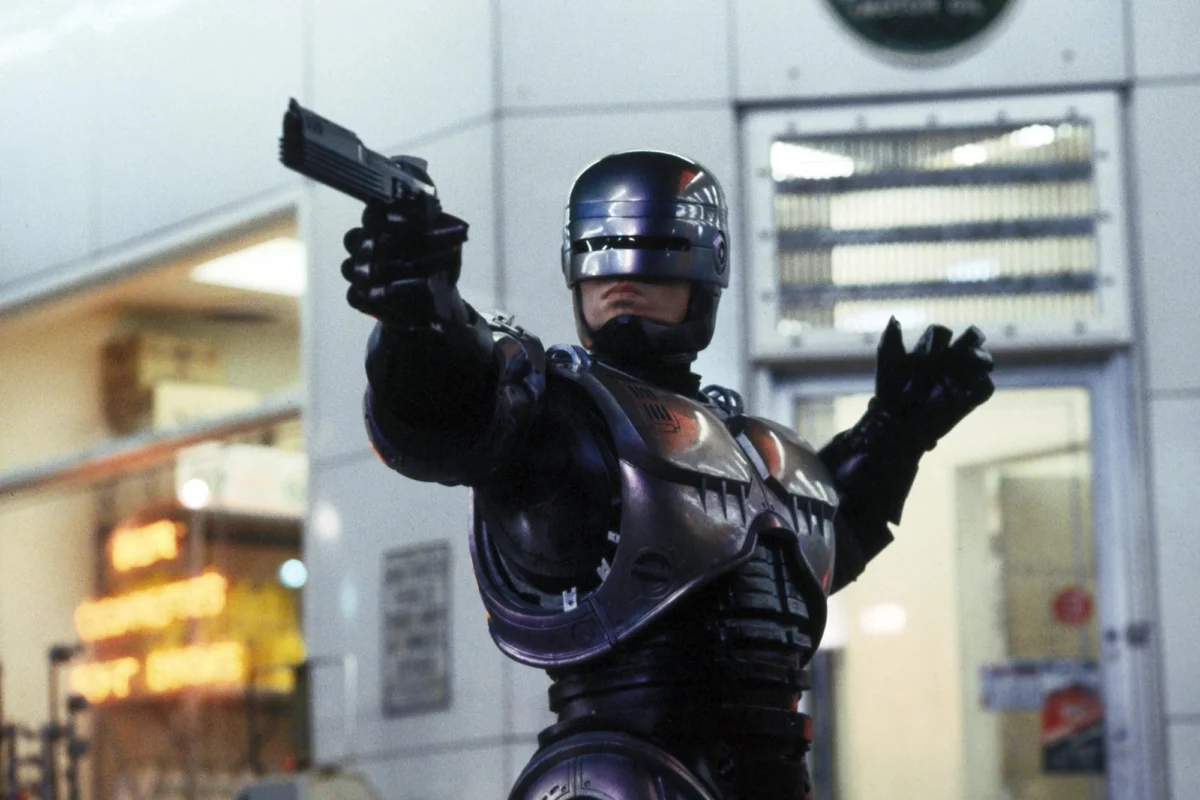
The forthcoming series is expected to adhere to the core premise that defined the original films. The narrative will likely explore the dystopian landscape of a city plagued by escalating crime, prompting a colossal tech conglomerate to collaborate with the local police department. This partnership will introduce a technologically advanced enforcer, a cyborg designed to combat the rising tide of lawlessness. At its heart, the story will center on the tragic transformation of Alex Murphy, a dedicated Detroit police officer who, after being critically wounded in the line of duty, is resurrected as the formidable, part-man, part-machine law enforcement officer, RoboCop.
The Enduring Legacy of RoboCop
The RoboCop franchise, which originated with the groundbreaking 1987 film starring Peter Weller, has left an indelible mark on science fiction and action cinema. Directed by Paul Verhoeven, the original film was lauded for its satirical commentary on corporate greed, media sensationalism, and the nature of humanity, all wrapped in a visceral and violent narrative. Its success spawned two sequels: RoboCop 2 in 1990 and RoboCop 3 in 1993, which saw diminishing returns and critical reception.
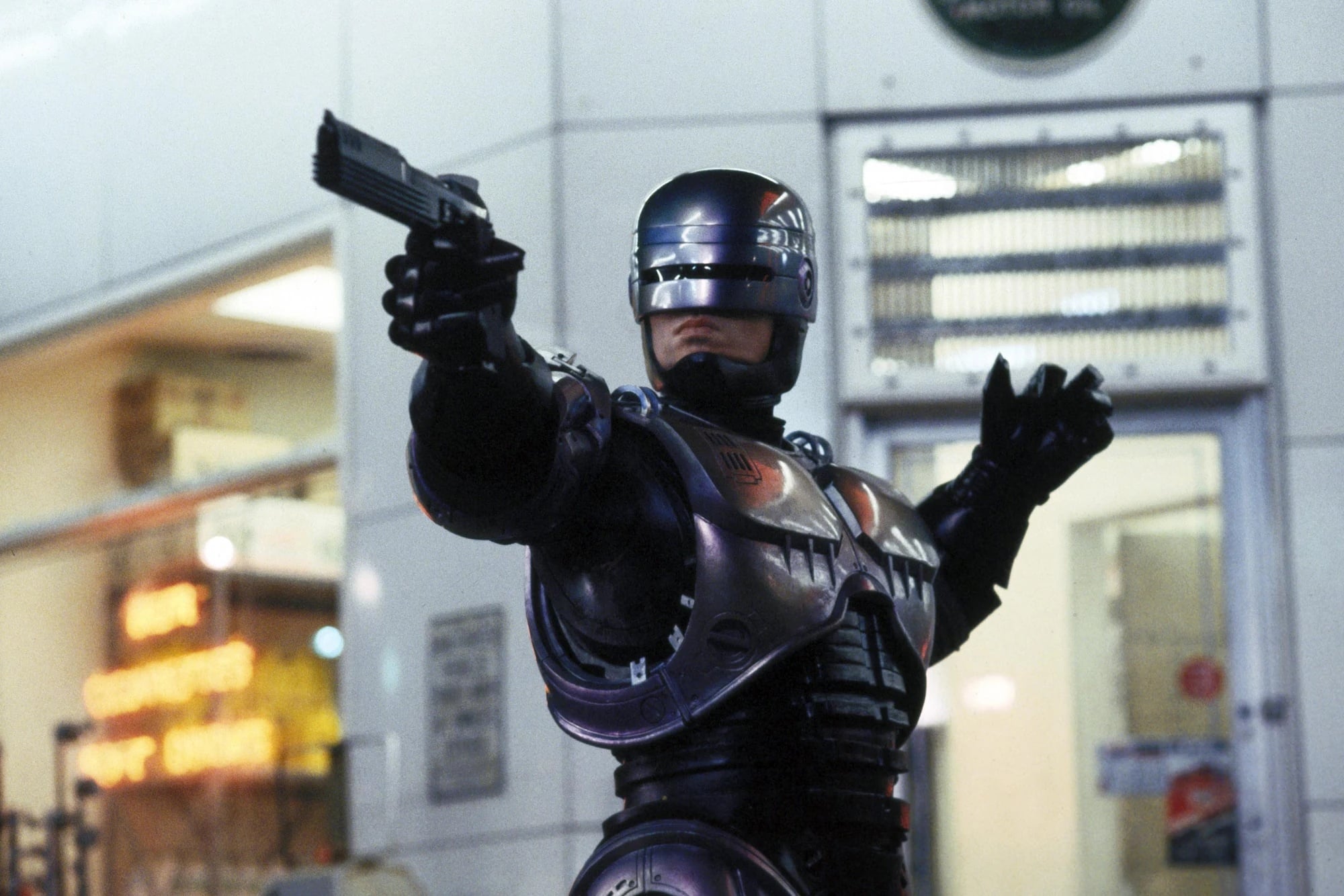
A significant reimagining arrived in 2014 with a remake of the 1987 film, starring Joel Kinnaman as Alex Murphy and directed by José Padilha. This iteration sought to update the narrative for a contemporary audience, exploring themes of drone warfare and corporate influence in a modern context. Beyond the cinematic universe, the RoboCop mythos also extended to a 1994 cyberpunk television series, featuring Richard Eden in the titular role, further cementing the character’s presence in popular culture. The character’s enduring appeal lies in his complex duality – the remnants of the human officer trapped within a powerful, emotionless machine, a potent symbol of the ethical quandaries presented by advanced technology.
A Strategic Move by Amazon
The greenlighting of the RoboCop series by Amazon comes at a time when streaming services are increasingly investing in established intellectual properties to attract and retain subscribers. The franchise’s built-in fanbase, coupled with the potential for contemporary storytelling, makes it a compelling choice for adaptation. Amazon’s acquisition of MGM, the studio behind the original RoboCop films, undoubtedly plays a crucial role in this strategic decision, allowing for greater control and integration of its vast library of content.
Peter Friedlander’s reported influence in transforming past rejections into current greenlights suggests a new strategic direction for Amazon’s television division. This approach prioritizes leveraging existing, recognizable brands, a strategy employed by many of its competitors. The success of such adaptations hinges on the ability to honor the spirit of the original while offering fresh perspectives and innovative storytelling. The RoboCop universe, with its inherent themes of societal decay, technological advancement, and the definition of humanity, provides ample fertile ground for such exploration.
Broader Implications and Future Prospects
The resurrection of RoboCop as a series is part of a larger trend within the entertainment industry. Franchises like Star Wars, Star Trek, and The Lord of the Rings have all seen successful television adaptations, demonstrating the viability of expanding cinematic universes into serialized formats. Amazon’s commitment to the RoboCop series signals their intent to compete in this space, potentially drawing viewers who grew up with the original films and introducing the character to a new demographic.
Alongside the RoboCop announcement, the original report also alluded to Amazon’s greenlight for a Poltergeist series. While the Ankler article did not directly mention this, the potential for a simultaneous revival of these classic horror-adjacent properties under Friedlander’s leadership suggests a broader strategy to tap into nostalgia and established fan bases. The success of these ventures will likely depend on their creative execution, the talent involved, and their ability to resonate with contemporary audiences while respecting the legacy of their source material. As more details emerge, the industry will be watching closely to see how Amazon plans to navigate the complex terrain of rebooting beloved franchises for the streaming era. The future of Alex Murphy on screen, now in serialized form, is poised to be a significant talking point in the coming months and years.