Kadokawa’s Multimedia Strategy and the Web Novel Phenomenon
Kadokawa, one of Japan’s largest publishing conglomerates, has long championed a robust multimedia strategy, transforming successful light novels into manga, anime, video games, and other forms of media. This approach, often referred to as "media mix," aims to maximize intellectual property (IP) value by exposing a single narrative concept to diverse audiences across various platforms. "Sentenced to Be a Hero" fits squarely within this model, originating from a web novel on Kakuyomu, a popular user-generated content platform owned by Kadokawa.
Kakuyomu, alongside similar platforms like Shosetsuka ni Naro, has revolutionized the Japanese publishing landscape by democratizing content creation and serving as a fertile ground for scouting new talent and ideas. Authors can publish their works freely, gauging public interest and building a readership before traditional publishers step in. This model allows publishers like Kadokawa to identify pre-vetted, popular narratives with established fanbases, significantly de-risking investments in manga and anime adaptations. The economic rationale is clear: adapting a story that has already proven its appeal online is often a safer bet than launching an entirely original IP, which requires extensive marketing and carries a higher risk of failure. This trend has led to an explosion of adaptations, particularly within the fantasy and isekai genres, which resonate strongly with web novel readers. "Sentenced to Be a Hero," with its origins on Kakuyomu and subsequent manga serialization, is a prime example of this prevailing industry paradigm, reflecting a calculated move to leverage an existing property rather than forge a completely new one.
The Premise: A World Grappling with the Demon Blight
The narrative thrust of "Sentenced to Be a Hero" plunges readers into a world perpetually threatened by the encroaching Demon Blight. Humanity’s last bastion of defense often rests with the Holy Knights, but even their formidable might can falter. The manga introduces penal heroes, Xylo and Dotta, two individuals condemned for heinous crimes but conscripted into service due to a unique magical curse. This curse renders them effectively immortal, preventing them from dying and compelling them to fight eternally against evil under the command of the Holy Knights. However, their immortality comes with a critical caveat: to be resurrected, their bodies must remain largely intact post-mortem, adding a layer of strategic vulnerability to their otherwise boundless existence.
Their impossible mission begins when they are tasked with escorting the Holy Knights during a desperate retreat from the overwhelming forces of the Demon Lord’s army. Amidst this perilous assignment, Dotta uncovers a coffin containing Teoritta, revered as the thirteenth and most potent Goddess in human history, long believed to be dormant or lost. Xylo’s awakening of Teoritta marks a pivotal moment, as he subsequently forms a blood oath with her, granting him access to her formidable powers. This newfound strength allows Xylo to repel the initial onslaught of the Demon Blight, offering a glimmer of hope. Yet, his criminal past, particularly his reputation as a "killer of Goddesses," immediately creates friction with Kivia, the commander of the Holy Knights, who vehemently refuses to acknowledge Xylo’s leadership despite his vital contribution. This conflict sets up a compelling dynamic between necessity, past transgressions, and the struggle for trust in a world teetering on the brink of collapse. The blend of high-stakes fantasy, moral ambiguity, and a reluctant hero’s journey positions the story within established genre conventions, aiming to appeal to readers familiar with such tropes.
Aesthetic Inconsistencies and Derivative Visual Storytelling
Despite its adherence to genre staples like a pseudo-medieval European setting, complete with knights and magical artifacts, "Sentenced to Be a Hero" has drawn criticism for its lack of a distinct visual identity and narrative originality. The manga’s art direction, particularly the character designs by MEPHISTO and monster designs by Natsumi Inoue, has been noted for its heavy reliance on established and highly successful works, leading to a sense of visual déjà vu.
MEPHISTO’s character designs are described as an amalgamation, blending the dark, gritty aesthetic of "Berserk" with the more stylized, almost gothic-punk sensibilities of "Soul Eater." While drawing inspiration is common, the critique suggests that these influences are not sufficiently synthesized to form a unique artistic voice. Instead, characters might appear as generic composites, lacking the memorable silhouettes or distinctive expressions that define their predecessors. This blend, without a strong, unifying vision, can contribute to a "depersonalized" feeling, where characters serve their plot functions but fail to leave a lasting impression on the reader. The visual dissonance extends to the protagonist, Xylo, whose ninja-like appearance and use of explosive kunai throwing knives clash with the traditional knightly aesthetic of his allies. This aesthetic inconsistency disrupts the internal logic and immersive quality of the world-building, making it difficult for readers to fully suspend disbelief and engage with the established fantasy setting.
Similarly, Natsumi Inoue’s monster designs, which depict the legions of the Demon Blight as animal-shaped abominations, are seen through the lens of influences from "Attack on Titan" and "Delicious in Dungeon." "Attack on Titan" is renowned for its grotesque yet terrifying Titans, while "Delicious in Dungeon" offers a unique, almost whimsical approach to creature design rooted in culinary exploration. When "Sentenced to Be a Hero" draws from these, the result can be monsters that feel familiar but not innovative, failing to evoke the intended sense of dread or wonder. The accusation of being "little more than" animal-shaped abominations suggests a lack of imaginative expansion beyond basic concepts, hindering the manga’s ability to create truly iconic antagonists.
Furthermore, the characterization and abilities of Teoritta, the awakened Goddess, are perceived as derivative of Gilgamesh from the highly influential "Fate" franchise. Gilgamesh, known for his arrogant demeanor, vast treasury of magical weapons, and immense power, is a distinct and recognizable figure. If Teoritta’s portrayal too closely mirrors these traits without adding a fresh perspective or significant twists, she risks becoming a mere echo of a popular character rather than an original creation. This derivativeness, across character, monster, and aesthetic design, collectively prevents "Sentenced to Be a Hero" from carving out its own unique space in the crowded fantasy genre, making it difficult for it to appeal to readers seeking novelty and originality beyond its initial premise. The impact of such design choices is not merely aesthetic; it directly affects the manga’s capacity for world-building, character engagement, and ultimately, its long-term memorability.
The Supremacy of Text Over Image: A Manga’s Paradox
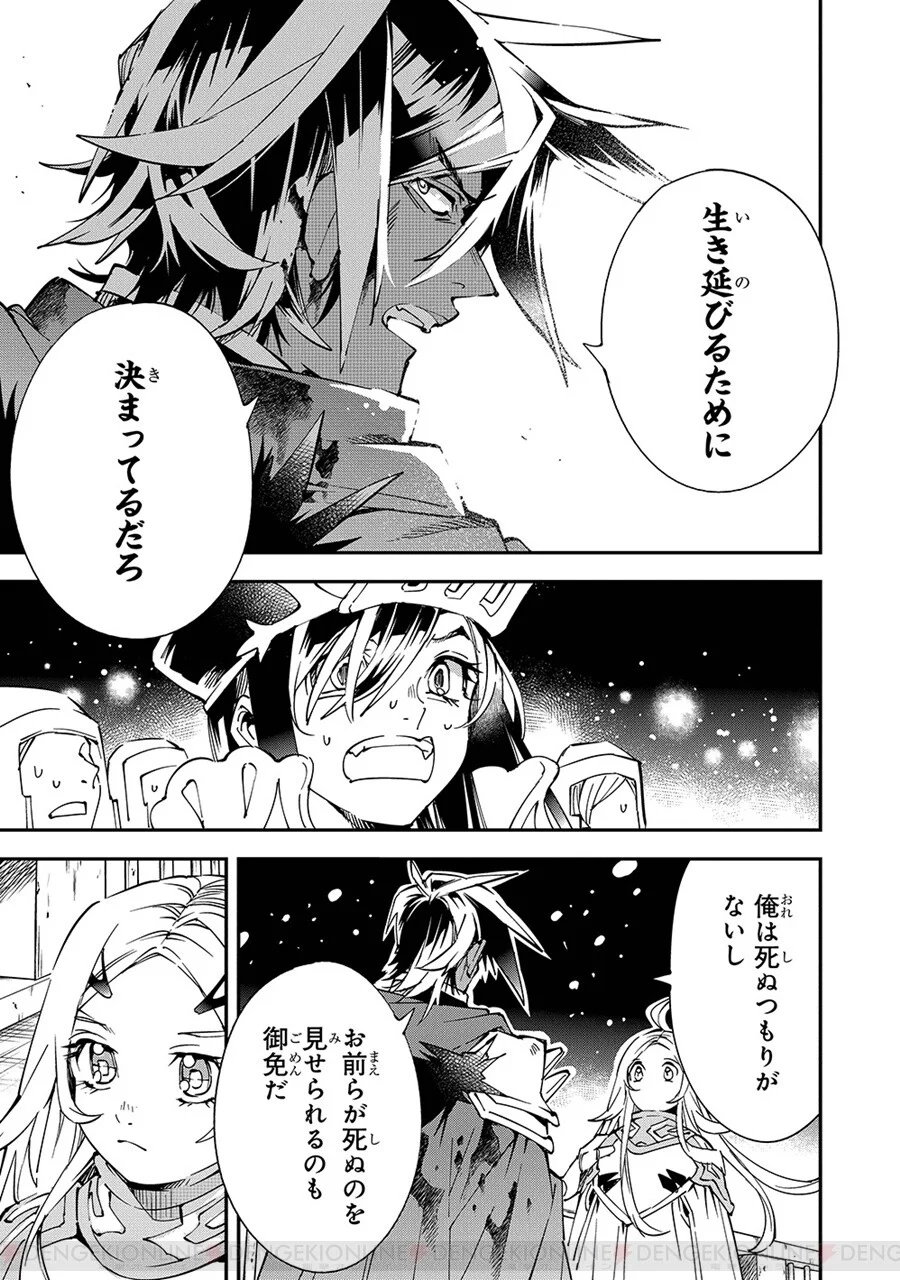
One of the most significant criticisms leveled against "Sentenced to Be a Hero," particularly its inaugural volume, centers on its narrative delivery, which paradoxically prioritizes text over the visual medium. Manga, at its core, is a fundamentally visual storytelling art form where images, panel layouts, pacing, and character expressions are paramount in conveying information, emotion, and action. However, the manga adaptation of "Sentenced to Be a Hero" is described as heavily reliant on extensive dialogue and exposition that frequently consumes entire pages.
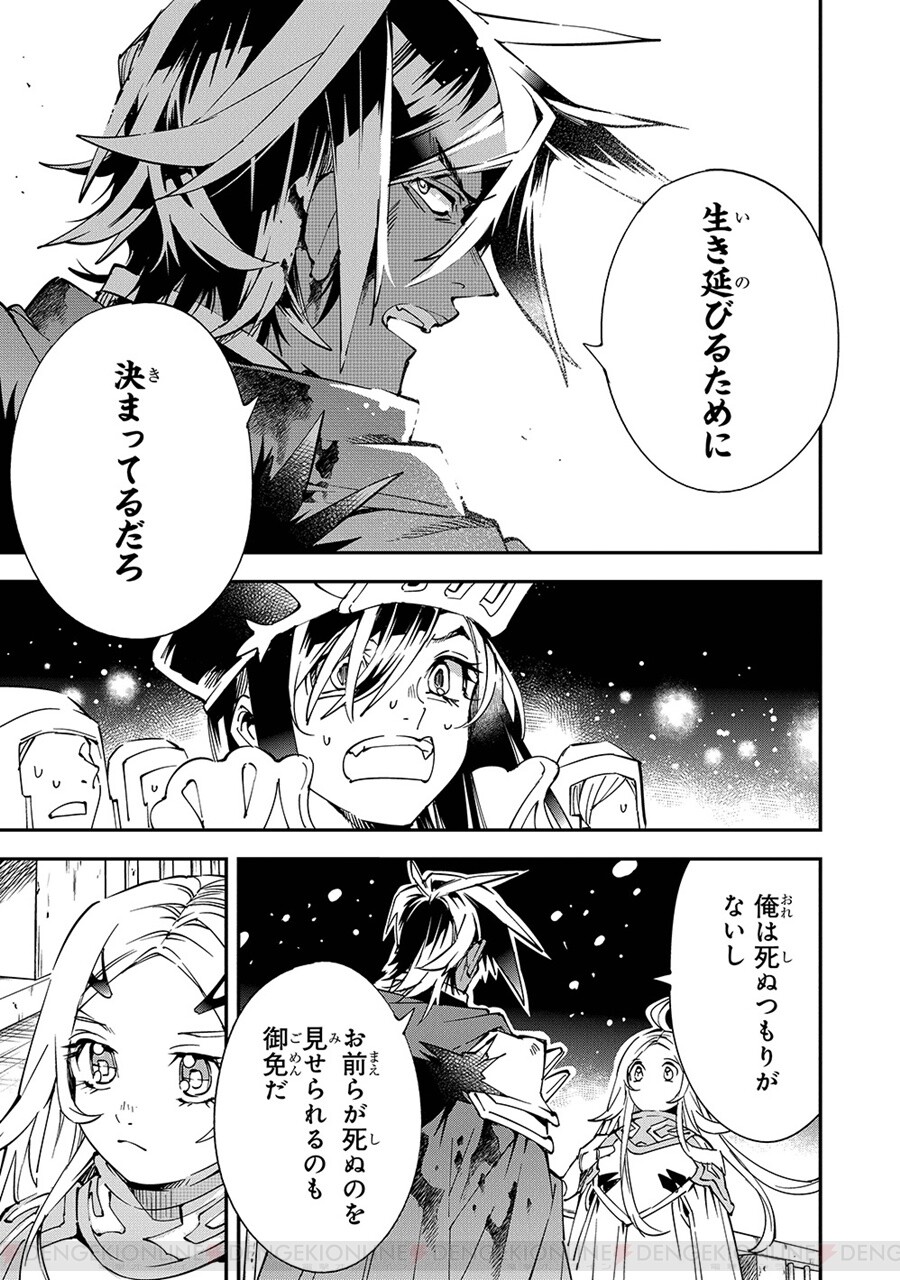
From the very beginning, the intricate abilities of the penal heroes and the Goddesses are explained to the reader in meticulous detail, often through lengthy conversational exchanges. While exposition is necessary in world-building, especially in complex fantasy narratives, its execution in this manga reportedly leads to speech bubbles dominating the visual space to such an extent that the characters themselves appear ancillary. This approach directly contradicts the strengths of manga, where visual cues – a character’s posture, a subtle change in expression, the dynamic flow of action sequences, or even the atmosphere conveyed through background art – should carry a substantial portion of the narrative weight.
When dialogue-heavy pages become the norm, several detrimental effects emerge. Pacing can suffer, as readers are forced to wade through dense blocks of text rather than experiencing the story’s progression through dynamic visuals. This can disrupt the flow and energy typically associated with manga, transforming what should be an engaging visual experience into a more laborious reading task. Furthermore, relying excessively on dialogue to explain complex concepts can diminish the impact of visual storytelling, making characters feel less like active participants in a visually rich world and more like conduits for information. Their personalities and emotional states, which could be powerfully conveyed through art, become secondary to their spoken lines.
This "reinstatement of the supremacy of text over image" is particularly problematic for a manga adaptation of a light novel. The very purpose of an adaptation into a visual medium is to translate prose into compelling artwork, to show rather than just tell. A successful manga adaptation finds creative ways to visually represent internal monologues, backstory, and complex magical systems, often through symbolic imagery, action sequences, or carefully crafted visual metaphors. When the adaptation instead defaults to literal textual explanations that mirror the light novel’s prose, it fails to leverage the unique advantages of its chosen medium. This approach not only makes the manga feel less like a distinct artistic entity but also risks alienating readers who come to manga specifically for its visual dynamism and immersive artistic expression, expecting a departure from the text-dominant experience of a novel. The result is a manga that, despite its potential, struggles to stand on its own as a compelling visual narrative, potentially leaving readers feeling that the original light novel might offer a more authentic and complete experience of the story.
Industry Trends: The Era of "Accommodating" and "Predictable" Manga
The critical assessment of "Sentenced to Be a Hero" reflects a broader, discernible trend within the Japanese publishing industry: a growing inclination towards producing manga that are "accommodating towards readers" and "fairly predictable," often relying on adaptations rather than fostering original intellectual properties (IPs). This phenomenon is driven by a complex interplay of market forces, risk aversion, and evolving consumption habits.
In an increasingly competitive global media landscape, publishers are under immense pressure to deliver consistent successes. Adapting a popular light novel or web novel into a manga offers a comparatively safer investment. The source material has already proven its appeal, built a dedicated fanbase, and often comes with a pre-established narrative structure and character arcs. This reduces the risk associated with developing an entirely new story, which requires significant creative investment, marketing efforts, and the uncertainty of audience reception. As a result, publishers like Kadokawa often prioritize leveraging existing IPs across multiple formats to maximize revenue and audience reach.
The "accommodating" nature of these manga often translates to narratives that adhere closely to established genre tropes, character archetypes, and plot progressions. This predictability can be comforting for readers who enjoy familiar structures and escapist fantasies without encountering challenging or subversive elements. These stories are designed to be "easy and relaxing" reads, providing a low-effort entertainment experience. While this approach caters to a segment of the market seeking comfort and familiarity, it can also lead to a homogenization of content. When numerous titles follow similar formulas, employ derivative designs, and rely on exposition-heavy storytelling, the overall landscape of manga can become saturated with works that, while initially engaging, lack distinctiveness.
The long-term implication of this trend is a potential stagnation of creativity and innovation within the industry. If publishers consistently favor adaptations and formulaic narratives, there may be fewer opportunities for genuinely original voices and groundbreaking artistic expressions to emerge. New creators might feel pressured to conform to popular trends rather than explore unique concepts, leading to a self-perpetuating cycle of predictable content. While such works can offer immediate gratification, the critique suggests that "no trace of their passage remains afterwards." This implies that without originality, distinct artistic vision, or memorable storytelling, these manga fail to leave a lasting cultural impact or contribute significantly to the evolution of the medium. They become disposable entertainment, easily consumed and just as easily forgotten, highlighting a critical tension between commercial viability and artistic merit in the contemporary Japanese publishing world.
Chronology of "Sentenced to Be a Hero" Development
The journey of "Sentenced to Be a Hero" from a digital manuscript to a multi-platform property reflects the typical timeline for successful web novel adaptations within Kadokawa’s ecosystem:
- 2021: The light novel, authored by Rocket Shokai, makes its debut on Kakuyomu, Kadokawa’s web novel platform. This marks the genesis of the intellectual property, allowing it to build an initial readership and garner attention.
- Mid-2021 to 2023 (Estimated): Over this period, the light novel likely gains significant traction on Kakuyomu, accumulating positive reviews, high readership numbers, and potentially winning awards or recognition within the web novel community. This sustained popularity would signal to Kadokawa that the IP possesses strong potential for broader adaptation.
- Late 2023 / Early 2024 (Estimated): Based on the light novel’s success, Kadokawa greenlights a manga adaptation. The project involves MEPHISTO for character design and Natsumi Inoue for monster design, indicating a formal production team is assembled to translate the prose into visual form. This decision underscores Kadokawa’s commitment to its multimedia strategy.
- Current Release: Volume 1 of the "Sentenced to Be a Hero" manga is released, making the story accessible to a wider audience through a different medium. This release serves as a crucial test of the adaptation’s ability to retain existing fans while attracting new ones.
- Future Outlook: Depending on the manga’s commercial performance and critical reception, Kadokawa may explore further adaptations, most notably an anime series. This progression from web novel to light novel, then to manga, and potentially anime, represents the full realization of the multimedia mix strategy, aiming to immerse audiences in the "Sentenced to Be a Hero" universe across various forms of entertainment. Each stage of adaptation provides a new entry point for potential fans and reinforces the brand presence of the IP.
Conclusion: Navigating the Future of Fantasy Manga
"Sentenced to Be a Hero" stands as a contemporary example of the Japanese publishing industry’s ongoing evolution, particularly within the fantasy genre and the realm of multimedia adaptations. While it successfully delivers a faithful translation of its light novel source material, its critical reception highlights a significant challenge: distinguishing itself in a market inundated with similar narratives and visual aesthetics. The manga’s struggle with originality, evident in its derivative artistic influences and a narrative approach that at times prioritizes text over the visual dynamism expected of the medium, underscores a broader industry trend towards "safe" and predictable content.
This phenomenon of "accommodating" manga, while offering accessible and low-risk entertainment for a wide readership, raises questions about the long-term impact on creativity and innovation. If the industry continues to lean heavily on adaptations that merely echo established successes rather than forging new paths, there is a risk of fostering reader fatigue and a perception that many new releases are ultimately forgettable. For "Sentenced to Be a Hero," its ability to transcend its current status as a faithful but niche adaptation will depend on future volumes finding a more unique voice, both artistically and narratively.
Ultimately, the future health and vibrancy of the manga industry will hinge on a delicate balance: leveraging the commercial advantages of established intellectual properties while simultaneously nurturing and promoting genuinely original works that push the boundaries of visual storytelling. While "Sentenced to Be a Hero" provides an easy and relaxing read for its dedicated fanbase, its journey serves as a valuable case study in the ongoing discourse about originality, adaptation, and market saturation within the dynamic world of Japanese comics.