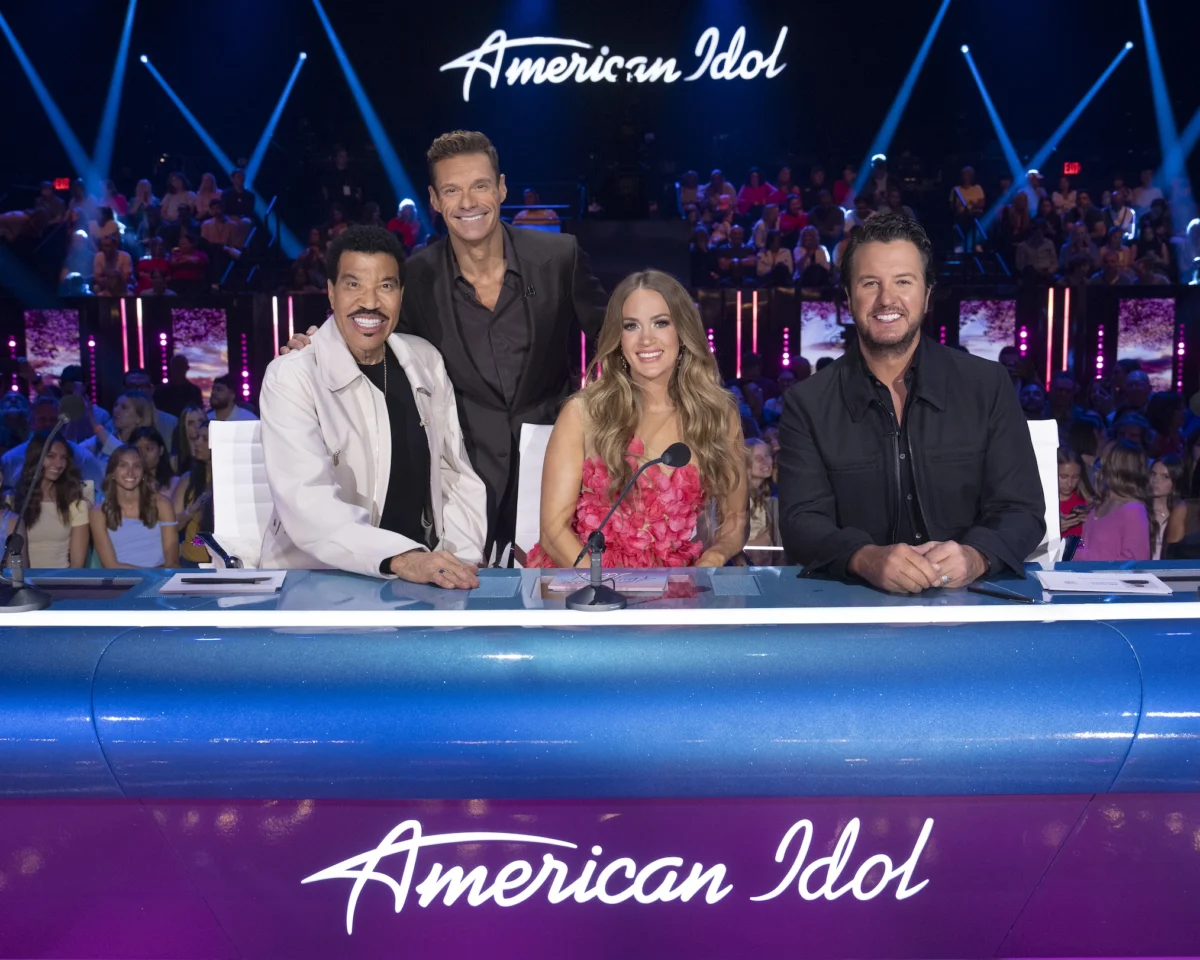
The landscape of the Season 24 competition shifted dramatically on Monday, April 6, 2026, as American Idol transitioned into its high-stakes Live Shows with the return of the fan-favorite Judges’ Song Contest. Broadcast live on ABC, the episode served as a pivotal moment for the remaining contestants, tasked not only with navigating a 1990s-themed musical challenge but also with surviving a double elimination that narrowed the field from the Top 14 to the Top 12. Host Ryan Seacrest opened the broadcast by addressing the technical difficulties that had plagued the previous week’s voting cycle, providing much-needed clarity for both the studio audience and millions of viewers watching at home.
Resolution of the Top 14 Voting Disruption
The April 6 episode began under a cloud of anticipation following what production officials described as a "vote-counting snafu" during the prior week. The technical glitch, which reportedly involved a synchronized crash of the American Idol voting app and the official website, had briefly thrown the competition into uncertainty. To maintain the integrity of the results, producers and network executives worked through the weekend to verify the tallies, ensuring that the transition to the Top 12 was based on accurate audience participation data.
As the lights dimmed and the live broadcast commenced, Ryan Seacrest delivered the news that many had feared. The two artists whose journeys came to an end were Jake Thistle and Julián Kalel. The elimination of Kalel was particularly noteworthy for longtime followers of the season; the artist had previously made headlines for a temporary departure from the show during the Hollywood Week phase to prioritize mental health. While his return was met with significant fan support, it was ultimately not enough to secure a spot in the Top 12. Jake Thistle, known for his folk-rock sensibilities and consistent performances, also departed the stage, leaving a void in the diverse musical tapestry of the season.
Mechanics of the 2026 Judges’ Song Contest
With the Top 12 established, the show moved immediately into the "Judges’ Song Contest," a format that has become a staple of the ABC era of the franchise. In this specific iteration, the theme was centered on the 1990s—a decade defined by the rise of grunge, the peak of the "Diva" era, and the flourishing of contemporary country music.
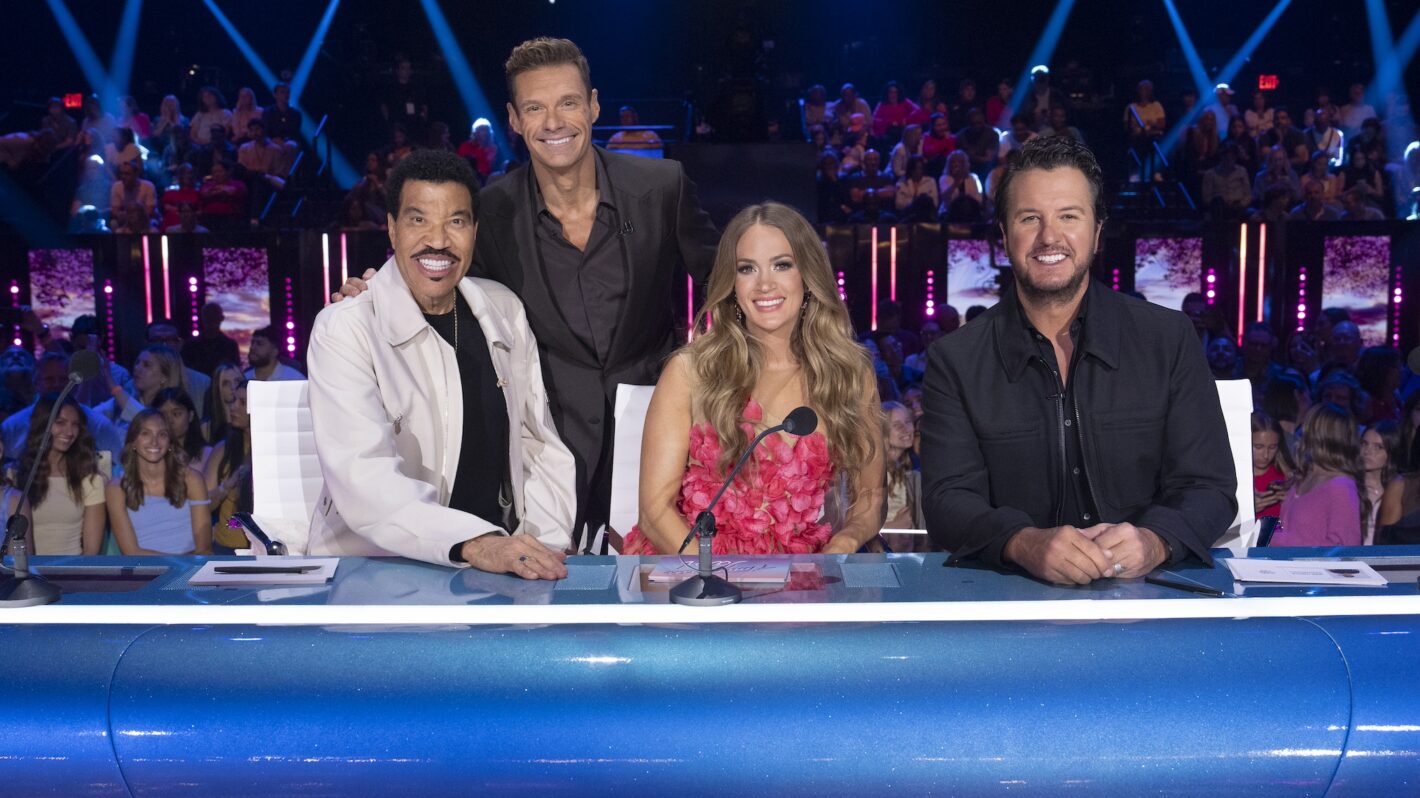
The rules of the contest are designed to test both the versatility of the contestants and the intuition of the judges. For each of the Top 12 artists, the judging panel—consisting of country superstar Carrie Underwood, industry veteran Lionel Richie, and country hitmaker Luke Bryan—each selected one song from the 90s. The contestants were then presented with these three options without knowing which judge had suggested which track. The artist then selected their preferred song to perform live.
The stakes for the judges are equally high. A tally is kept throughout the night to track how many times each judge’s song choice is selected by the contestants. The judge with the highest number of successful "picks" by the end of the evening earns a significant advantage: the power to save one of the bottom two artists from elimination. This "save" determines the final composition of the Top 11, adding a layer of strategic gamesmanship to the critiques.
Hannah Harper and the Power of Country-Pop Nostalgia
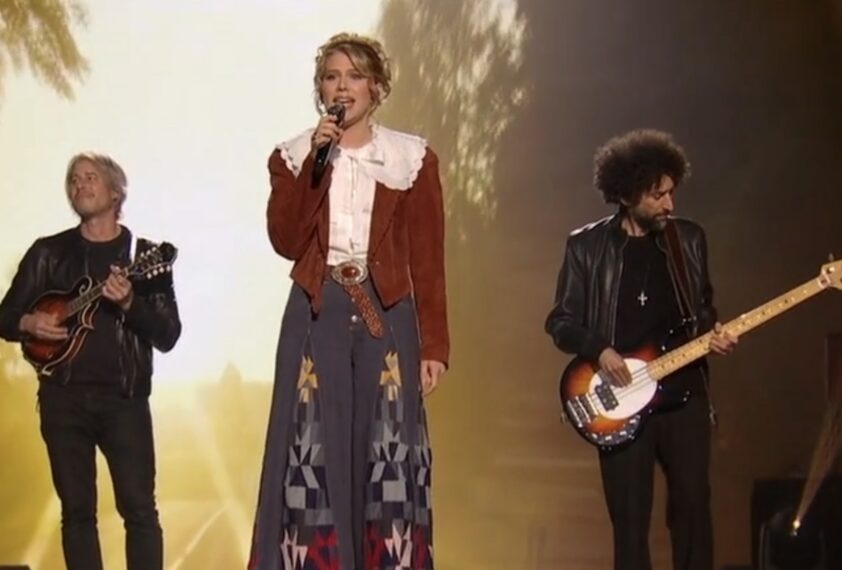
One of the standout narratives of the evening belonged to Hannah Harper, whose trajectory in Season 24 has been marked by a steady growth in confidence. For her 1990s selection, Harper was presented with a diverse array of hits: the high-energy country anthem "Heads Carolina, Tails California" by Jo Dee Messina (1996), the iconic R&B ballad "Unbreak My Heart" by Toni Braxton (1996), and the soulful "Only Love" by Wynonna Judd (1993).
Harper ultimately chose "Heads Carolina, Tails California," a decision that carried sentimental weight as she had performed the same track during her initial audition for the show’s producers. The performance was characterized by a vibrant stage presence and a successful modulation that showcased her vocal range. Upon the conclusion of the song, the "big reveal" showed that the track had been selected for her by Carrie Underwood.
Underwood, who joined the panel this season as a full-time judge, expressed immense satisfaction with Harper’s execution. "That’s what happens when you get the perfect voice with the perfect song and there’s just magic happening all on that stage," Underwood remarked during the live critique. She further noted that Harper appeared to be "coming out of her shell," a sentiment echoed by Luke Bryan, who praised the "uptempo" energy of the performance. Lionel Richie added that Harper had successfully "stepped into" the song, making a decades-old hit feel contemporary and personal.
The Cultural Significance of the 1990s Theme
The choice of the 1990s as a theme reflects a broader cultural trend in the music industry, where "90s nostalgia" continues to drive streaming numbers and influence current production styles. For the contestants of American Idol Season 24, many of whom were born well after the decade ended, the challenge lies in interpreting these songs without falling into the trap of imitation.
From a technical standpoint, the 1990s offered a unique vocal challenge. The decade was synonymous with the "power ballad," popularized by artists like Whitney Houston and Celine Dion, as well as the more relaxed, rhythmic storytelling of the Lilith Fair era. By forcing the Top 12 to choose from this catalog, the judges were able to assess who among the group possessed the technical "chops" to handle complex arrangements and who could bring a modern "indie" or "pop" sensibility to established classics.
Analysis of the Judges’ Strategy and Influence
The Judges’ Song Contest serves as a window into the professional philosophies of Underwood, Richie, and Bryan. Lionel Richie, with his background in Motown and global pop, often leans toward songs with strong melodic hooks and emotional resonance. Luke Bryan tends to favor tracks that allow for "entertainment value" and crowd interaction. Carrie Underwood, meanwhile, brings the unique perspective of a former winner; her selections often reflect the technical difficulty and "star-making" potential she recognizes from her own time on the Idol stage.
The competition for the "save" creates a sub-narrative that keeps the audience engaged between performances. It humanizes the judges, showing their desire to be "right" about the contestants’ potential. Moreover, the "save" serves as a fail-safe for the competition, ensuring that a highly talented artist who may have had an off-night or a smaller voting base is not prematurely eliminated due to a single performance.
Historical Context and the Evolution of American Idol
As American Idol nears the conclusion of its 24th season, the show continues to demonstrate remarkable resilience in a fractured media landscape. The transition of Carrie Underwood from a Season 4 contestant to a judge in 2026 represents a full-circle moment for the franchise, reinforcing the "Idol to Icon" pipeline that the show prides itself on.
The 2026 season has been marked by several logistical shifts, including enhanced digital integration and a focus on the mental well-being of the contestants—an evolution prompted by the high-pressure environment of live television. The transparency regarding the "voting snafu" of the previous week is indicative of a broader industry trend toward accountability in reality competition programming, where audience trust is the primary currency.
Future Outlook: The Road to the Top 11
As the episode progressed, the tension in the studio was palpable. With the elimination of Jake Thistle and Julián Kalel fresh in their minds, the remaining contestants understood that the margin for error had vanished. The results of the Judges’ Song Contest would not only determine who moved on to the Top 11 but would also reveal which judge had the most influence over the current crop of talent.
The move to the Top 11 is a significant milestone in the American Idol journey. It often marks the point where the "frontrunners" begin to pull away from the pack and where the "dark horse" candidates must make their move. For Hannah Harper and her peers, the 90s-themed night was more than just a tribute to a past era of music; it was a rigorous audition for a future in an industry that demands both nostalgia and innovation.
As the season continues to air on Mondays at 8/7c on ABC, the focus will shift from the decade-themed challenges to more individualized artistry. The remaining contestants will soon face the rigors of the "Homecoming" rounds and the ultimate pressure of the Grand Finale. For now, the focus remains on the immediate fallout of the April 6 results and the tactical maneuvers of the judges as they seek to guide the next generation of musical stars.