Ridgewood, Queens, has rapidly distinguished itself as a dynamic epicenter for communal cinema, a burgeoning trend highlighted by a recent Filmmaker report and further illuminated by the poignant short film "Afterimage," co-directed by Andrew Thomas and Pia Rios. This burgeoning ecosystem of independent screening venues and film clubs reflects a broader cultural movement towards accessible, community-driven cinematic experiences, while "Afterimage" specifically delves into the preservation of local film heritage, notably the storied Ridgewood Theater. The neighborhood, strategically positioned between Queens and Brooklyn, is witnessing a renaissance of film appreciation, moving beyond traditional multiplexes to embrace intimate, curated screenings that foster genuine community engagement.
The Filmmaker Spring 2026 print issue report initially brought to light a significant "crop of communal cinema offerings" transforming Ridgewood. Among the pioneering venues is Low Cinema, co-founded by filmmaker John Wilson, which holds the distinction of being the first new theater to open in the neighborhood in nearly a century. This establishment, alongside other grassroots initiatives, signals a profound shift in how residents consume and interact with film. Another prominent fixture is Music Movie Mondays, a series meticulously curated by Shannon Wiedemeyer at Cassette, a local bar and venue, blending the social atmosphere of a neighborhood spot with the curated experience of a film club. The Ridgewood Community Cinema, co-created by Ali Jaffery, regularly hosts screenings at diverse local spaces such as Stone Circle Theater and Ridgewood Commons, emphasizing accessibility and local partnership. Adding to the neighborhood’s institutional gravitas is UnionDocs, a renowned non-fiction film center and theater that strategically relocated from Williamsburg to Ridgewood, bringing with it a legacy of experimental and documentary filmmaking. Even the recently-shuttered Seneca Cinema left its mark, known for its innovative approach allowing attendees to submit ranked-choice ballots to collectively decide the evening’s feature, underscoring a participatory model that resonates with the community’s ethos.
Beyond these established and former venues, the scene continues to evolve with fresh ventures. Ridgewood Essential Cinema operates out of a local resident’s apartment, occasionally expanding its reach to Spectacle in Williamsburg and The Filmmaker’s Cooperative in Manhattan, showcasing the fluid and adaptable nature of these independent initiatives. Meanwhile, Big Sister Film Club has recently emerged, dedicating itself to screening "under appreciated and DIY documentaries" every other Monday, further diversifying the cinematic palette available to Ridgewood residents. This proliferation of microcinemas and film clubs speaks to a growing demand for alternatives to mainstream commercial theaters, offering a more curated, intimate, and often conversation-driven experience. The economic landscape of New York City, characterized by rising rents and the constant flux of gentrification, has inadvertently fostered such movements. As artists and cinephiles seek more affordable and communal spaces, neighborhoods like Ridgewood provide fertile ground for the organic growth of independent cultural institutions, effectively decentralizing the city’s film scene from traditional Manhattan or Brooklyn strongholds.
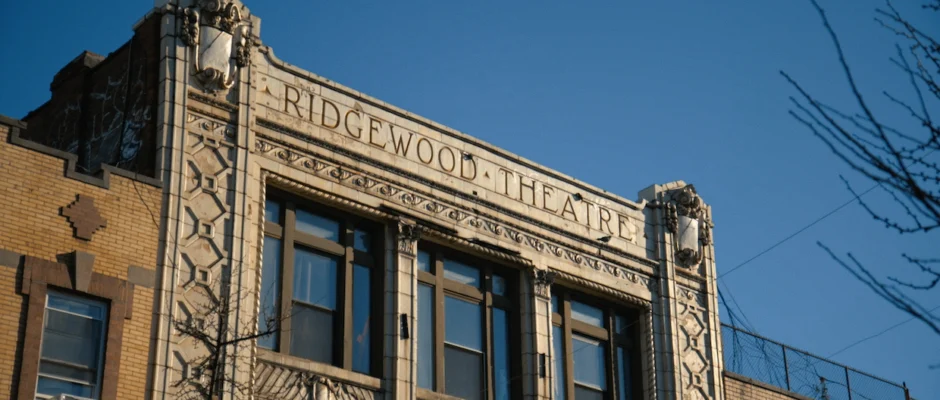
Amidst this vibrant and expanding landscape, one local microcinema, although not initially detailed in the Filmmaker report, found its narrative wonderfully captured in "Afterimage." This 12-minute short film, brought to the author’s attention through UnionDocs, provides a poignant exploration of memory and place, centered around the legacy of the Ridgewood Theater. Under the Seneca Avenue M train, James Torres, one half of the artist duo known as the Bushwick Twins, has meticulously recreated the iconic marquee that once adorned the facade of the Myrtle Avenue landmark. The film not only celebrates Torres’s dedication but also illuminates how he and other locals are actively preserving the memory of a bygone establishment that once served as a vital cultural hub for those living between Ridgewood and Bushwick. For many, like Steven Gonzalez, who grew up in Bushwick and contributed original photographs to the Filmmaker piece, the Ridgewood Theater evokes potent nostalgia, with fond recollections of its "sticky floors and early aughts studio fare."
The Ridgewood Theater itself holds a significant place in the area’s history. Opened in 1916, it was a grand cinematic palace that, for decades, stood as a cornerstone of entertainment and community gathering. Its strategic location made it one of the few readily accessible theaters for residents straddling the Queens-Brooklyn border. For generations, it provided an escape, a meeting point, and a shared cultural experience. However, like many single-screen theaters, it eventually succumbed to the economic pressures of the 21st century, abruptly closing its doors in 2008. Its subsequent transformation into a PureGym, complete with what some residents describe as "dystopian tube entrances," serves as a stark symbol of urban redevelopment and gentrification. This metamorphosis—from a communal space of artistic expression to a commercial fitness center—is a recurring theme in rapidly evolving urban environments, often leading to a sense of loss for long-time residents. "Afterimage" expertly navigates this emotional landscape, using the physical remnants and recreated symbols of the theater to explore the deeper implications of such changes on community identity and memory. Cultural historians often point to the disappearance of such landmarks as a critical juncture in a neighborhood’s narrative, marking the transition from a distinct, community-centric identity to one increasingly shaped by corporate interests. Matt Lambros’s "After the Final Curtain" project, which meticulously documents decaying and repurposed theaters, offers a broader photographic context for the fate of such architectural and cultural treasures, providing an invaluable resource for those curious about the theater’s detailed history.
The genesis of "Afterimage" itself provides crucial insight into its thematic depth. Directors Andrew Thomas and Pia Rios elaborated on the film’s crafting, explaining its development as part of the UnionDocs CoLab Studio program during the organization’s relocation to Ridgewood. Their initial assignment was to seek stories along the geographical border between Queens and Brooklyn. However, finding no compelling narrative in the official demarcation, they turned to the residents themselves. Through in-person interviews and interactions within local Facebook groups, they sought to understand the community’s perception of "where and what the border is." This ethnographic approach led them directly to the Ridgewood Theater, which residents on both sides consistently identified as a symbolic dividing line between the neighborhoods.
Upon encountering the building in its contemporary state, the project gained a new layer of meaning for the filmmakers. "Seeing the space in person felt like a material reflection of the changes unfolding across both neighborhoods: gentrification," Thomas and Rios stated. They recognized that this process was intrinsically linked to the concept of borders, highlighting how "groups of people live side by side without necessarily sharing the same spaces, references, or sense of belonging." This observation underscores a critical sociological perspective on urban development, where new populations move in, sometimes inadvertently displacing or marginalizing existing communities, leading to a fragmentation of shared cultural touchstones.
On a personal level, the filmmakers acknowledged their own profound connection to cinema. "We love movies, and like many people in our generation, we have foundational memories tied to cinemas," they shared. They noted the stark contrast between the theaters of their youth and these older, more majestic spaces, finding an "ethereal magic" in the research and imagery of the Ridgewood Theater. This personal resonance guided their artistic choices, leading them to consciously "not center the film on the theater’s history." Instead, their focus gravitated towards the "emotional dimension, what it means to lose a third space." This decision aligns with a growing trend in documentary filmmaking to prioritize subjective experience and emotional truth over strict historical recounting, allowing the audience to connect more deeply with the human impact of change. The collaboration with James Torres was also pivotal, with the filmmakers noting that his "charismatic and deeply invested" presence pushed the film further than initially imagined, imbuing the ending with a tangible sense of his community spirit and energy.
The concept of a "third space" is critical to understanding the profound impact of the Ridgewood Theater’s closure and the subsequent rise of microcinemas. Coined by sociologist Ray Oldenburg, a "third space" refers to public places separate from home ("first space") and work ("second space") where individuals can gather, socialize, and build a sense of community. Traditional cinemas, with their shared darkness, collective laughter, and post-screening discussions, have historically functioned as quintessential third spaces. The loss of the Ridgewood Theater thus represents more than just the closure of a business; it signifies the erosion of a vital community hub, a place where diverse residents could converge, share experiences, and reinforce local identity. This phenomenon is not unique to Ridgewood; urban planners and community activists frequently lament the decline of such spaces across cities, often correlating it with increased social isolation and a weakening of civic ties. However, the vibrant microcinema scene—Low Cinema, Music Movie Mondays, Ridgewood Community Cinema, and others—serves as a powerful counter-narrative. These new ventures are actively re-creating and redefining "third spaces" in Ridgewood, albeit on a smaller, more intimate scale. They offer curated experiences, foster direct interaction among attendees, and often involve local artists and businesses, thereby stitching back together the social fabric that might have frayed with the loss of larger institutions. Urban planning experts suggest that fostering such grassroots initiatives is crucial for maintaining the cultural vitality and social cohesion of neighborhoods undergoing rapid transformation.
UnionDocs plays a pivotal role in this cultural landscape. As a non-fiction film center, its relocation to Ridgewood and its dedication to programs like the CoLab Studio are instrumental in nurturing local talent and providing a platform for stories like "Afterimage." By facilitating the creative process and offering resources, UnionDocs ensures that the narratives of Ridgewood, both historical and contemporary, are documented and shared. Such organizations are vital anchors in a rapidly changing urban environment, serving as both preservers of cultural memory and incubators for future artistic innovation. Their presence not only enriches the local arts scene but also attracts creative professionals and audiences, further solidifying Ridgewood’s reputation as a cultural destination. The collaboration between UnionDocs and the "Afterimage" filmmakers exemplifies how institutional support can empower independent artists to tell locally relevant and universally resonant stories.
Looking ahead, the future of independent cinema in Ridgewood appears robust and promising. The neighborhood’s unique blend of historical consciousness, as captured by "Afterimage," and its energetic embrace of new cinematic ventures positions it as a significant hub for alternative film culture in New York City. While challenges such as rising commercial rents, the sustainability of volunteer-run initiatives, and competition from digital streaming platforms persist, the inherent passion and community-driven spirit of Ridgewood’s film enthusiasts provide a strong foundation. Film critics and cultural historians might observe that Ridgewood’s model—a hybrid of established non-profit organizations and agile, grassroots microcinemas—could serve as a blueprint for other urban areas seeking to revitalize their local film scenes. This evolving ecosystem offers unique opportunities for filmmakers to connect directly with audiences, for residents to engage with diverse cinematic narratives, and for Ridgewood to cement its identity as a crucial center for communal and independent film experiences, honoring its past while actively shaping its cinematic future. The synergy between remembering lost cinematic spaces and actively creating new ones underscores a profound commitment to film as a catalyst for community and cultural identity.