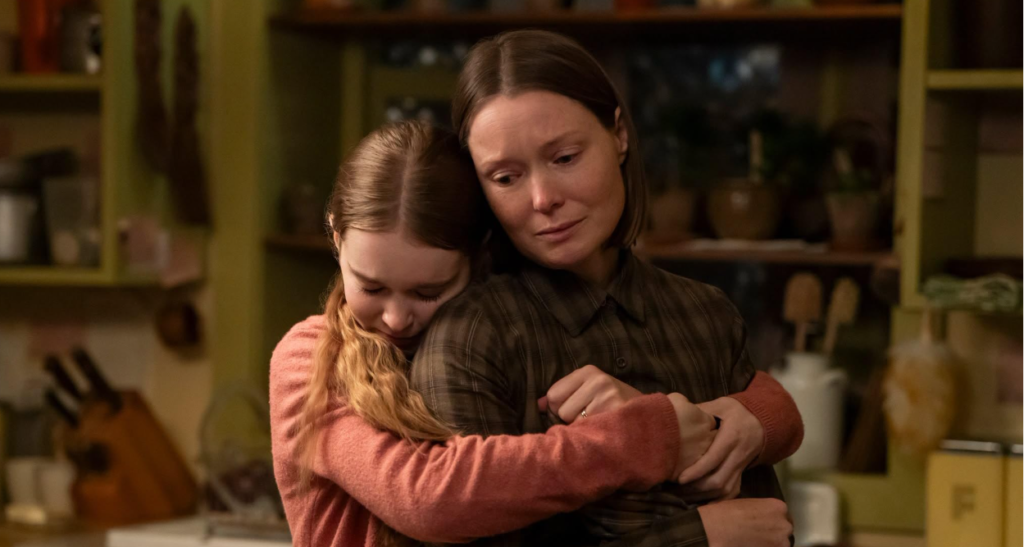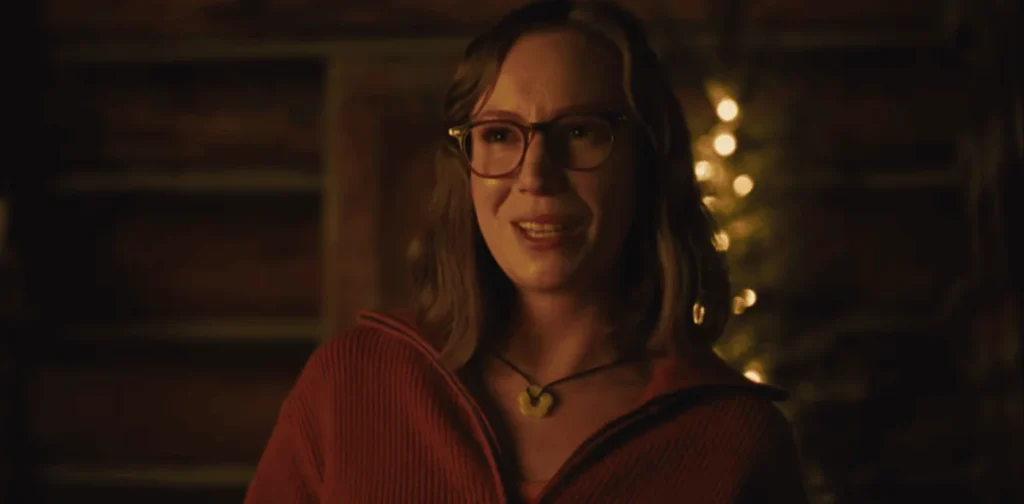
AMC has officially canceled Talamasca: The Secret Order, marking the first casualty in its ambitious adaptation of Anne Rice’s beloved literary universe. The decision by the network, confirmed by Variety, signals a strategic pivot within the burgeoning franchise, leaving fans of the clandestine Talamasca organization to ponder the future of its integration into other Rice-based narratives. While the series itself will not return for a second season, AMC has expressed a commitment to the continued presence of the Talamasca and its characters within the broader Anne Rice Immortal Universe.
The cancellation of Talamasca: The Secret Order comes after a single, six-episode season. The show aimed to delve into the shadowy operations of the Talamasca, an ancient and secret organization dedicated to monitoring and documenting the supernatural world. Drawing inspiration from both Rice’s iconic The Vampire Chronicles and the compelling narrative of Mayfair Witches, the series sought to bridge these interconnected storylines. Its premise centered on Guy Denton, a law student whose life takes a dramatic turn when he discovers the Talamasca has been observing him since childhood, pulling him into a hidden realm of immortal beings and clandestine operations that maintain a fragile equilibrium with the mortal world.
A Strategic Shift for the Immortal Universe
In a statement addressing the cancellation, AMC articulated its vision for the franchise’s evolution: "The Talamasca has a storied place within the Anne Rice Immortal Universe, and we expect to see at least some of these characters, and the organization itself, in future expressions of the franchise." This sentiment suggests that while the dedicated series format for Talamasca has concluded, the lore and the characters introduced within it are not being entirely abandoned. Instead, AMC appears to be consolidating its resources and creative focus on other pillars of the Anne Rice universe that have demonstrated stronger viewership or critical appeal.
The decision to cancel Talamasca comes at a time when its sister series, Interview With the Vampire and Mayfair Witches, are slated for continued production. Interview With the Vampire, a critical darling and a significant driver of the franchise’s initial success, is set to return for its third season in June, with a notable rebranding as The Vampire Lestat. This rebranding signals a deeper dive into the lore of the titular vampire, potentially exploring his own complex history and connections to the broader supernatural world, which may include the Talamasca. Meanwhile, Mayfair Witches has also secured a third season, expected to premiere next year, further cementing its place as a key component of AMC’s supernatural programming.
The Genesis and Execution of Talamasca: The Secret Order
The development of Talamasca: The Secret Order was part of AMC’s broader strategy to capitalize on the enduring popularity of Anne Rice’s work. Following the critical acclaim and commercial success of Interview With the Vampire, the network moved swiftly to expand the universe, acquiring the rights to a significant portion of Rice’s catalog. Mayfair Witches was the first major expansion, and Talamasca was conceived as a narrative thread that could potentially weave through both series, offering a unique perspective on the hidden machinations of the supernatural.
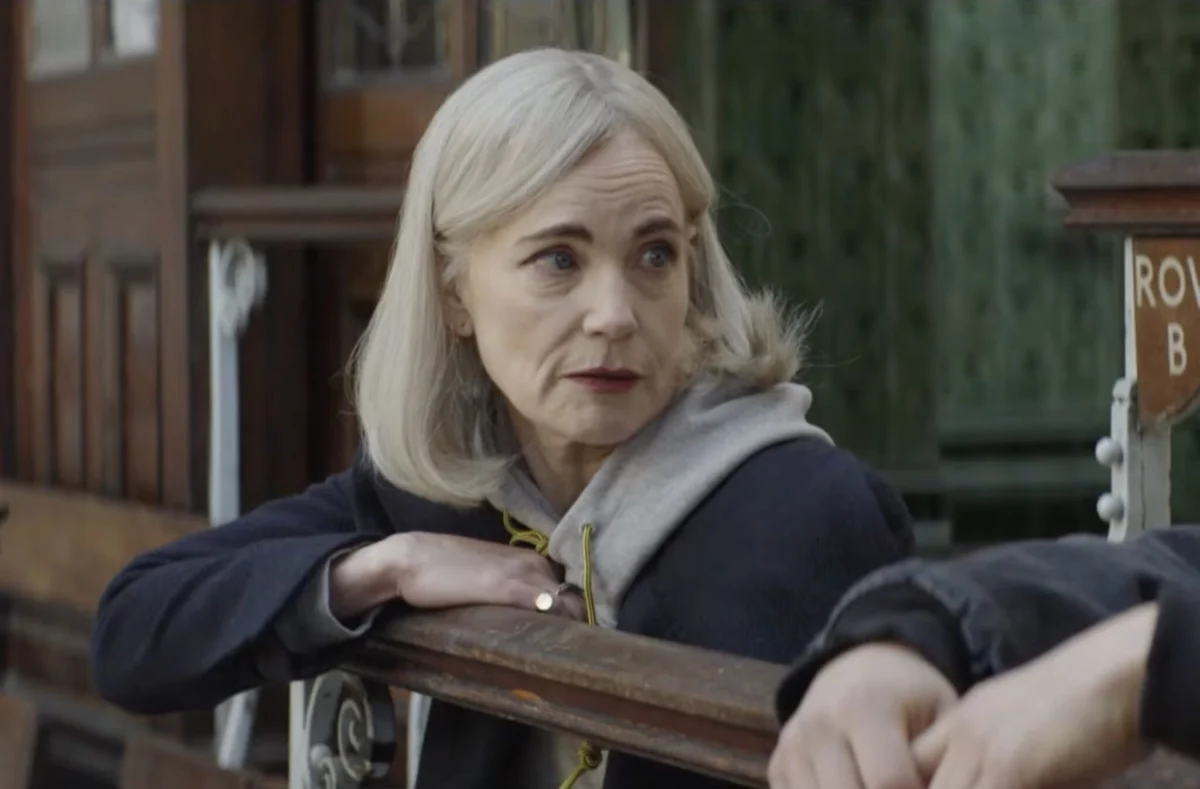
The series featured a notable ensemble cast. Guy Denton was portrayed by a promising young actor, tasked with navigating the complexities of the Talamasca’s secrets. His co-stars included established talents such as Elizabeth McGovern, William Fichtner, Maisie Richardson-Sellers, and Celine Buckens, who brought gravitas and depth to their roles. The series also benefited from guest appearances by established figures from the universe, including Eric Bogosian and Justin Kirk reprising their roles from Interview With the Vampire, and Jason Schwartzman making an appearance as a vampiric character. This integration was intended to enhance the interconnectedness of the franchise and leverage existing fan goodwill.
However, the creative leadership behind Talamasca presented a somewhat unconventional pairing. The series was developed and co-showrun by John Lee Hancock, known for his work on films like The Blind Side, and Mark Lafferty, whose background includes producing credits on acclaimed series such as The Right Stuff and Halt and Catch Fire. This blend of talent, while potentially offering fresh perspectives, may have also contributed to a tonal divergence from the more gothic and atmospheric sensibilities that have defined the successful elements of the Anne Rice universe.
Critical Reception and Audience Response
The critical reception for Talamasca: The Secret Order was notably divided, reflecting the challenges of establishing a new narrative within an existing, beloved universe. While some critics lauded its ambition, others found it lacking the depth and originality that characterized the source material. The AV Club, for instance, awarded the series a respectable "B+", indicating a generally positive, albeit not overwhelmingly enthusiastic, reception. Conversely, Vulture offered a more pointed critique, suggesting that Talamasca felt more like "brand management" than a truly inspired artistic endeavor, implying a focus on franchise expansion over genuine narrative innovation.
This critical dichotomy often translates into audience reception. While specific viewership numbers for Talamasca have not been publicly detailed by AMC, the cancellation suggests that the series did not resonate with a broad enough audience to justify the investment in further seasons. In the highly competitive streaming and cable landscape, shows need to demonstrate consistent engagement and a strong connection with their target demographics to survive. The mixed reviews likely contributed to a less fervent fan base, making the decision to conclude the series a more pragmatic one for the network.
The entire six-episode first season of Talamasca: The Secret Order is available for streaming on AMC+. This provides an avenue for dedicated fans to explore the series and for new viewers to discover the Talamasca’s place within Anne Rice’s expansive mythology.
Broader Implications for the Anne Rice Immortal Universe
The cancellation of Talamasca: The Secret Order prompts a broader analysis of AMC’s strategy for the Anne Rice Immortal Universe. The network’s initial acquisition of the rights was a significant investment, signaling a long-term commitment to building a sprawling, interconnected franchise akin to Marvel’s Cinematic Universe or the world of Game of Thrones. The success of Interview With the Vampire laid a strong foundation, demonstrating AMC’s ability to translate Rice’s complex narratives to the screen with fidelity and artistic merit.
However, the expansion of any franchise is a delicate balancing act. Introducing too many interconnected series too quickly can dilute the impact of individual shows and overwhelm audiences. The decision to streamline the universe, focusing on the more established or critically acclaimed series like Interview With the Vampire and Mayfair Witches, suggests a pragmatic approach to resource allocation and creative direction. By potentially integrating Talamasca’s lore into these returning series, AMC can still leverage the developed storylines and characters without the burden of maintaining a separate, underperforming show.
The rebranding of Interview With the Vampire to The Vampire Lestat is particularly telling. It indicates a willingness to evolve and adapt the existing series, potentially signaling a move towards more character-centric storytelling that can explore different facets of Rice’s universe. This could include delving deeper into the organizational structure and activities of the Talamasca, allowing for the reintroduction of characters and plotlines that were initially developed for The Secret Order. Similarly, Mayfair Witches‘ continued success provides another platform for weaving in elements of the broader supernatural tapestry, including the Talamasca’s role as observers and chroniclers.
The Future of the Talamasca
The Talamasca, as an organization, represents a fascinating concept within Anne Rice’s universe: a neutral, scholarly entity dedicated to understanding and documenting the supernatural without direct intervention. Their existence provides a crucial narrative device, allowing for exposition and the exploration of various supernatural factions and their histories. The organization’s deep ties to many of Rice’s most famous characters, including Lestat de Lioncourt and the Mayfair witches, make them an indispensable part of the lore.
While the dedicated series has been canceled, the statement from AMC suggests that the organizational structure and its key figures will continue to be a part of the narrative fabric. This could manifest in several ways:
- Guest Appearances: Characters introduced in Talamasca: The Secret Order might reappear in The Vampire Lestat or Mayfair Witches in guest roles, offering insights or engaging in specific plotlines related to their Talamasca duties.
- Narrative Integration: The Talamasca’s role as chroniclers and observers could be integrated into the overarching storylines of the other series. For instance, a character from The Vampire Lestat might consult Talamasca records, or a plot point in Mayfair Witches could involve the organization’s investigation into a specific supernatural event.
- New Series Development (Later): While not immediate, AMC could revisit the idea of a dedicated Talamasca series in the future, should the franchise continue to expand and audience interest in the organization solidify through their appearances in other shows.
The cancellation of Talamasca: The Secret Order is a business decision, reflecting the competitive dynamics of the entertainment industry. However, it does not necessarily signify an end to the organization’s narrative significance. The enduring appeal of Anne Rice’s universe lies in its intricate world-building and interconnectedness, and the Talamasca are an integral part of that tapestry. The network’s commitment to their continued presence suggests that while one chapter has closed, the story of the Talamasca is far from over within the wider Anne Rice Immortal Universe.