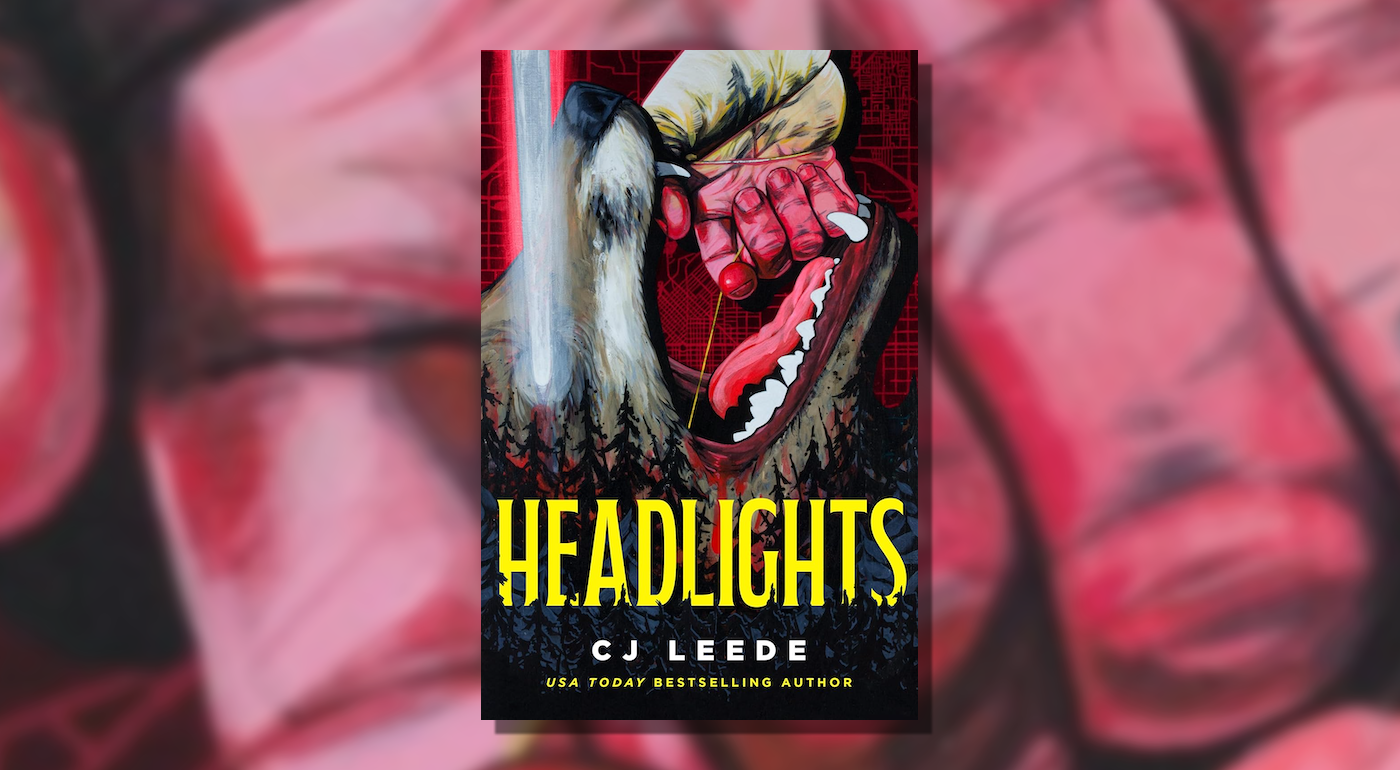
CJ Leede’s "Headlights" dives into the haunting landscape of unresolved trauma and the relentless pursuit of justice, offering readers a gripping excerpt from the highly anticipated novel, set to be released by Macmillan on [DATE]. The narrative plunges into the fractured psyche of Special Agent Daniel Stansfield, a man on the precipice of leaving behind a career marred by burnout and defeat. Yet, his intended departure is violently interrupted by a summons back to Denver, a city synonymous with a past he desperately tried to outrun. The chilling message, "it’s happening again," signals a terrifying resurgence of a case that has haunted him for years.
The core of the mystery revolves around a series of disturbing incidents: ordinary individuals are found disoriented on highways, with no recollection of how they arrived or their connection to the victims whose identities they inexplicably bear. The singular, gruesome commonality across these cases is a strand of unknown hair meticulously tied around each victim’s tongue. This macabre signature propels Daniel back into the heart of a darkness that intertwines with the shadows of his own traumatic childhood. The excerpt, which seamlessly transitions between a present-day reckoning and a visceral flashback, illuminates the profound psychological scars that shape Daniel’s present and threaten to consume his future.
The Echoes of the Past: A Child’s Perspective
The narrative skillfully transports the reader to a pivotal moment in Daniel’s childhood, framed by the innocent, yet unsettling, perception of a young boy named Danny. This section, starkly titled "Then," opens with the question, "Is it the Bad Decision?" posed by his mother. The scene is set in a motel room, the "Happy Inn," characterized by its garish orange and yellow decor, a stark contrast to the sterile white of the bathroom. The room, a sanctuary from an unnamed threat, becomes a microcosm of their transient existence. Danny, engrossed in the John Denver biopic "Take Me Home," is torn between the comforting illusion of the screen and his mother’s impending departure.
His mother’s definition of a "Bad Decision" is delivered with a tender yet profound explanation: "A Bad Decision is one that you regret making, and one that takes you away from what really makes you happy. A Bad Decision is when you betray yourself for what you think will make you happy even if you know deep down it won’t." This lesson, seemingly about a character’s on-screen choices, carries the weight of their lived reality. The concept of "happy" is intrinsically linked to their current nomadic life, a life dictated by the avoidance of an unnamed "he" – their father. The motel, a temporary refuge, is chosen based on Danny’s "Bad Feelings," a sensitivity his mother cherishes, believing he possesses a unique ability to sense danger.
The details of their existence at the Happy Inn paint a poignant picture of a mother and son clinging to small comforts: sunrise paintings, a VHS player, and shared moments of watching movies. The looming presence of the father, absent for a significant period, is a constant undercurrent, a source of both fear and a strange sense of security when he is not present. Danny’s secret name, "Danny," bestowed by his mother and derived from a forbidden book, symbolizes their shared world, a world separate from the father’s control. The impending "pizza day" on Friday, a ritual tied to a specific time, underscores the regimented nature of their survival. However, as the clock ticks closer to 5:00 PM, a palpable unease settles in. Danny’s "Bad Feeling" intensifies, a premonition that his mother, despite her reassurances, acknowledges as a "Bad Decision" she made in trying to keep his father in their lives. The tension culminates with a violent pounding on the door, shattering the fragile peace and confirming their deepest fears. The excerpt ends with the chilling implication that the father has found them, the threat of violence palpable and imminent.
The Present Reckoning: A Scarred Agent’s Last Stand
The narrative then pivots back to the present, with Daniel awakening in Salt Lake City, Utah. The "Now" section is framed by the mantra, "Today is the first day of the rest of my life," a stark declaration of intent to move forward. The physical toll of his past is evident: stiffness, pain from shrapnel, and a persistent ache in his chest whenever thoughts of "her"—presumably his mother—surface. The unexpected resurfacing of John Denver’s music triggers a profound aversion, a conscious effort to suppress memories associated with a traumatic "night." This conscious avoidance highlights the deep-seated trauma that has shaped his adult life, leading him to a career in law enforcement as a means of confronting and processing the darkness he experienced.
Daniel’s rigorous physical routine—push-ups, sit-ups, box jumps—is not merely about fitness; it’s a form of catharsis, a way to channel his pain and maintain control. His four years in Salt Lake City represent a deliberate attempt to build a life free from the "shadows" of his past. He reflects on his losses: his adoptive parents, taken suddenly, and an unresolved case that led to his divorce. These losses, compounded by the deep trauma of his childhood, have left him profoundly scarred. The fact that he has not succumbed to suicidal ideation is attributed, in part, to his daughter, Josie, and a grim determination not to emulate the path of the man who caused him such immense suffering, who "hasn’t done it yet" from his prison cell. The lingering presence of music, even a song he refuses to name, serves as a constant, unnerving reminder of the night that irrevocably altered his life.

The Unfolding Mystery: "It’s Happening Again"
The excerpt masterfully sets the stage for the central mystery of "Headlights." The return to Denver, a city Dan has actively avoided, signifies a forced confrontation with his past. The recurring motif of individuals waking up disoriented on highways, coupled with the unsettling detail of hair tied around their tongues, points to a perpetrator or phenomenon with a deeply personal and ritualistic motive. The psychological horror is amplified by the lack of memory in the victims, suggesting a form of manipulation or coercion that leaves no trace except for this singular, disturbing signature.
The "hair tied around the tongue" is a potent symbol. It can be interpreted in various ways: a silencing mechanism, a mark of ownership, or a perverse form of connection. In the context of Daniel’s past, it might also represent a twisted echo of his mother’s attempt to protect him by creating a separate reality, a silence from the encroaching threat of his father. The implication that the clues lead Daniel deeper into the shadows of his own past suggests that this new wave of crimes is inextricably linked to the events that shaped his childhood. He is not merely investigating a case; he is confronting the very demons that have hunted him for years. The stakes are incredibly high, as the narrative warns that failure to confront these ghosts will inevitably lead to him and those he loves becoming the next victims.
Broader Context and Analysis
The themes explored in "Headlights" resonate with contemporary societal concerns surrounding trauma, memory, and the lasting impact of abuse. The novel’s exploration of how childhood experiences shape adult behavior is a recurring motif in psychological thrillers and crime fiction. The use of a dual timeline, contrasting the vulnerability of a child with the hardened resolve of an investigator, allows for a deeper understanding of character motivation and the development of trauma-induced coping mechanisms.
The "hair tied around the tongue" serves as a powerful, albeit disturbing, narrative device. In forensic psychology, such rituals can indicate a perpetrator’s need for control and a desire to leave a signature that is both deeply personal and terrifyingly public. The disoriented state of the victims suggests a potential use of drugs or psychological manipulation, further complicating the investigation and raising questions about the perpetrator’s methods and capabilities.
The novel’s setting, Denver, a city often associated with the Rocky Mountains and outdoor recreation, provides a stark contrast to the dark, internal landscape of the protagonist and the unfolding horror. This juxtaposition can heighten the sense of unease, as idyllic settings become the backdrop for unspeakable acts. The "Happy Inn" itself, with its gaudy decor and transient nature, becomes a symbol of a precarious existence, a constant state of flux driven by fear.
The excerpt also touches upon the complexities of family relationships, particularly the enduring impact of parental figures, both present and absent. Daniel’s estranged relationship with his father and his profound connection to his mother, even in her absence, are central to his character arc. The "Bad Decision" his mother made, attempting to navigate a relationship with an abusive partner while protecting her child, highlights the impossible choices often faced by victims of domestic violence.
As the narrative progresses, the reader can anticipate a deep dive into the unsolved elements of Daniel’s past, potentially revealing the genesis of the "Bad Feelings" and the events that led to his family’s fractured state. The connection between the current crimes and Daniel’s personal history suggests a perpetrator who may have a vendetta against him, or one whose actions are a twisted reflection of the trauma Daniel himself endured. The excerpt promises a thrilling exploration of memory, guilt, and the enduring fight for redemption, all set against the chilling backdrop of a crime that defies easy explanation. The release of "Headlights" is anticipated to offer a compelling and psychologically charged reading experience, delving into the darkest corners of the human psyche.