
Pitch Perfect star Rebel Wilson is currently embroiled in a high-profile defamation lawsuit brought forth by actor Charlotte MacInnes. As the trial unfolds, Wilson has adopted a courtroom aesthetic that starkly contrasts with her typically flamboyant and vivacious public persona. Her court appearances have featured a consistent uniform of crisp white button-down shirts layered beneath neutral knitwear or tailored suiting, paired with sophisticated cropped black trousers and elegant heels. This deliberately demure presentation mirrors the strategic sartorial choices she made during her previous, highly publicized defamation trial against Bauer Media in the 2010s. The contrast between her on-screen exuberance and her courtroom composure underscores the profound impact that personal presentation can have, even when it is not directly related to the legal merits of a case.

The legal arena, by its very nature, is a space where appearances can carry significant weight. While the presumption of innocence is a cornerstone of the justice system, particularly in criminal matters heard before a judge and jury, the unconscious biases and life experiences that jurors bring into the courtroom can influence their perceptions. Emma Turnbull, an accredited criminal law specialist and director of Emma Turnbull Lawyers in Sydney, notes, "Jurors, in particular, bring their own life experience and unconscious biases with them, and despite clear directions, people tend to judge quickly and often harshly." This inherent human tendency means that how an individual presents themselves can subtly shape initial impressions before evidence is fully scrutinized or legal arguments are fully articulated.
The Psychology of Courtroom Appearance
The United Nations’ human rights committee recognizes the importance of fair presentation, stating that defendants should not ordinarily be presented in a way that suggests guilt or dangerousness, such as through excessive restraints. This principle extends to attire. For incarcerated defendants, the provision of civilian clothing during trials is a recognition that appearance can influence perceptions of character and potential guilt. Defense attorneys often consider a client’s presentation as a controllable factor in a largely unpredictable legal process. "A criminal case has a life of its own; there are many things beyond our control," Turnbull explains. "Our client’s appearance is something that, to a certain extent, is a known and controllable factor, and as defense lawyers, we take this seriously." The goal, Turnbull adds, is to ensure that "magistrates, judges, and juries inevitably form impressions before any evidence is tested or any mitigating submissions heard. You want those impressions to be as favorable as possible."

Celebrity Style in the Courtroom: A History of Strategic Choices
Rebel Wilson’s current courtroom attire is not an isolated phenomenon; numerous celebrities have navigated the legal system with carefully curated wardrobes. These choices often diverge significantly from their public images, serving various strategic purposes.
In 2019, Anna Sorokin, also known as Anna Delvey, the purported German heiress who defrauded New York’s elite, demonstrated a deliberate use of fashion during her larceny trial. Sorokin reportedly hired a stylist and eschewed the standard issue civilian clothing provided by Rikers Island Prison, even delaying court proceedings. Her carefully selected outfits, including statement Celine glasses, aimed to divert attention from the serious charges she faced and instead highlight her perceived persona, turning her trial into a spectacle of style rather than a sober reckoning with her actions. This approach, while controversial, underscored the power of clothing to shape narratives and influence public perception.
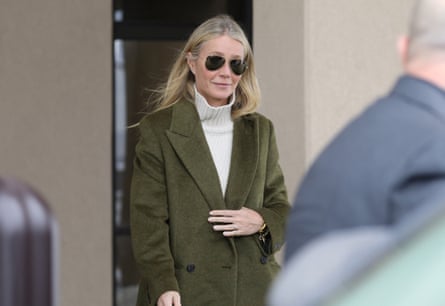
More recently, in 2023, Gwyneth Paltrow’s appearance during her ski collision lawsuit brought by retiree Terry Sanderson became a global talking point. Paltrow’s wardrobe, consisting of neutral cashmere sweaters, soft suiting, and lug-sole boots from high-end brands like The Row, was widely publicized. Instead of opting for a more conventional, rigid courtroom attire, Paltrow’s style remained consistent with her everyday aesthetic. This choice was interpreted as a signal of her comfort, confidence, and lack of pretense, suggesting she had "nothing to prove." Her composed demeanor and elegant, understated clothing reinforced an image of effortless grace, culminating in her victory and her now-famous parting words to Sanderson: "I wish you well."
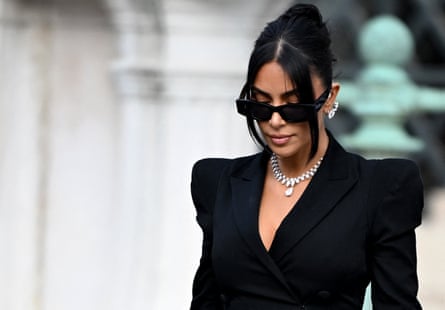
Conversely, Kim Kardashian’s testimony in 2025 during the trial related to the 2016 Paris jewelry heist presented a different strategic approach. Despite advice from prosecutors to "tone down" her appearance, Kardashian testified adorned in diamonds, a stark contrast to her usual public image. She later explained her reasoning on an episode of The Kardashians, stating, "They’re not gonna take my power… I want to be who I want to be… they took that away from me for so long." Her decision to wear jewelry was a defiant reclamation of her identity and a symbolic rejection of the trauma inflicted upon her, asserting that her personal style and sense of self were inviolable.

The Symbolic Power of Attire in Legal Battles
Beyond personal branding and strategic influence, clothing in a courtroom can carry deeper symbolic weight, particularly for plaintiffs in cases involving trauma or significant injustice.
In 2024, during the harrowing four-month rape trial of her ex-husband and fifty other men, French woman Giséle Pelicot adopted a powerful sartorial strategy. She consistently wore a silk scarf featuring artwork by Mulyatingki Marney, an Aboriginal artist from the Martu community. This scarf, a gift of solidarity from the Australian Older Women’s Network, became a potent symbol of resilience and support. Pelicot’s choice transcended mere fashion; it was a public declaration of her connection to a community and a visual representation of the strength she drew upon to face her abusers in court. Her lawyer, Stéphane Babonneau, aptly articulated the pressure faced by victims, stating, "Every woman who has had to endure what [Pelicot] had to endure and takes the stand knows she is going to be observed, not just according to what she says, but how she looks."

In another instance, journalist Antoinette Lattouf, in her book Women Who Win, reflected on her unfair dismissal trial against the Australian Broadcasting Corporation. Lattouf deliberately chose garments from designers and retailers with ties to Lebanon, Palestine, Syria, and Iran. She described her wardrobe as "armour," a deliberate choice to convey her public stance and the values she represented. On judgment day, she wore all black, a somber tribute she described as a "reputational funeral" for her former employer, suggesting that even in defeat, her attire communicated a powerful message of defiance and integrity.
When Presentation Fails to Sway Judgment
Despite the perceived influence of courtroom attire, history demonstrates that style alone cannot guarantee a favorable outcome, particularly when the evidence is compelling or systemic biases are at play.
The tragic case of Lindy Chamberlain in Australia remains a stark reminder of how appearance can be weaponized against an individual. In 1982, Chamberlain was wrongly convicted of murdering her infant daughter, Azaria, with the public and jury dismissing claims of a dingo attack. During her trials, her choice of sundresses, worn in the sweltering Australian heat, was met with widespread criticism. She was labeled "overdressed" and "disrespectful," with some advising her to wear heavy wool suits despite the extreme temperatures. This judgment of her attire, independent of the evidence, fueled public antipathy and likely contributed to the prevailing biases against her. As Turnbull notes, "The Chamberlain case is a powerful example of how appearance can be weaponised. It speaks to a broader issue where perception had already taken hold, and appearance simply became another lens through which she was judged."
Similarly, disgraced film producer Harvey Weinstein’s legal battles illustrate the limits of sartorial strategy. While initially known for his powerful presence in sharp black suits, his appearance shifted during his sexual assault trials, notably using a walker and adopting more subdued attire. However, this "make-under" did not shield him from conviction, highlighting that while presentation can influence perception, it cannot substitute for legal culpability. The "Bling Ring" thieves, who famously burgled celebrity homes, also found that their designer Louboutin shoes did not prevent guilty verdicts for burglary.

Elizabeth Holmes, the founder of the now-defunct blood-testing company Theranos, also underwent a deliberate image transformation for her fraud trial. She moved away from her signature black turtleneck, a symbol of her tech-founder persona, to a more subdued, besuited presentation. This strategic shift was clearly designed to project an image of trustworthiness and conventionality, aiming to counter the narrative of a charismatic but deceptive entrepreneur. However, this calculated change in appearance did not prevent her eventual conviction.
Conclusion: The Enduring Role of Presentation in the Legal Arena
The cases of Rebel Wilson, Giséle Pelicot, Gwyneth Paltrow, and others underscore a consistent theme: in the high-stakes environment of legal proceedings, personal presentation is more than just a matter of clothing; it is a strategic element that can influence perceptions, convey messages, and, in some instances, serve as a form of personal expression or defense. While the law fundamentally relies on evidence and legal arguments, the human element, including the unconscious biases of jurors and the strategic deployment of appearance, continues to play a significant, albeit often subtle, role in the unfolding of justice. The courtroom, therefore, remains a stage where both legal prowess and carefully curated personal style can intersect, with lasting implications for those involved.