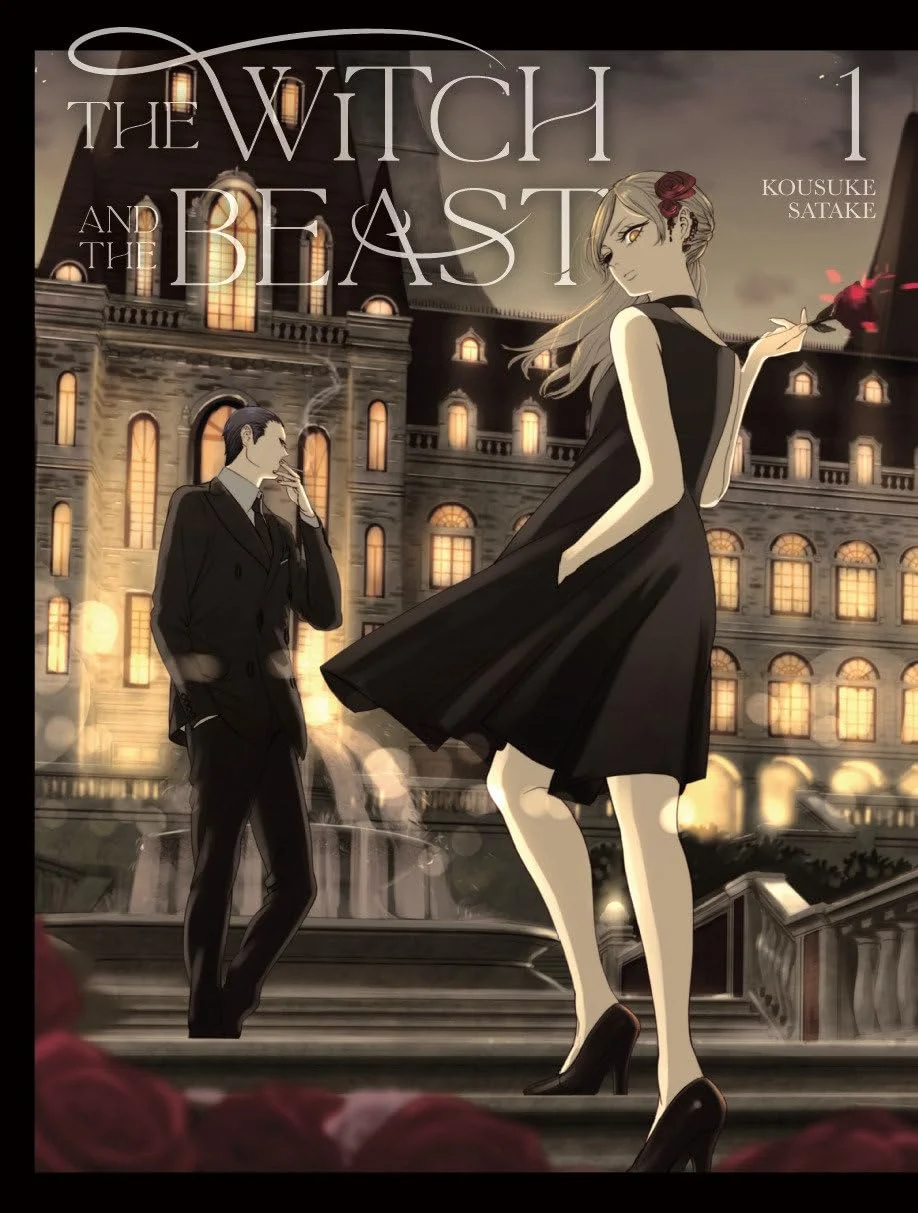
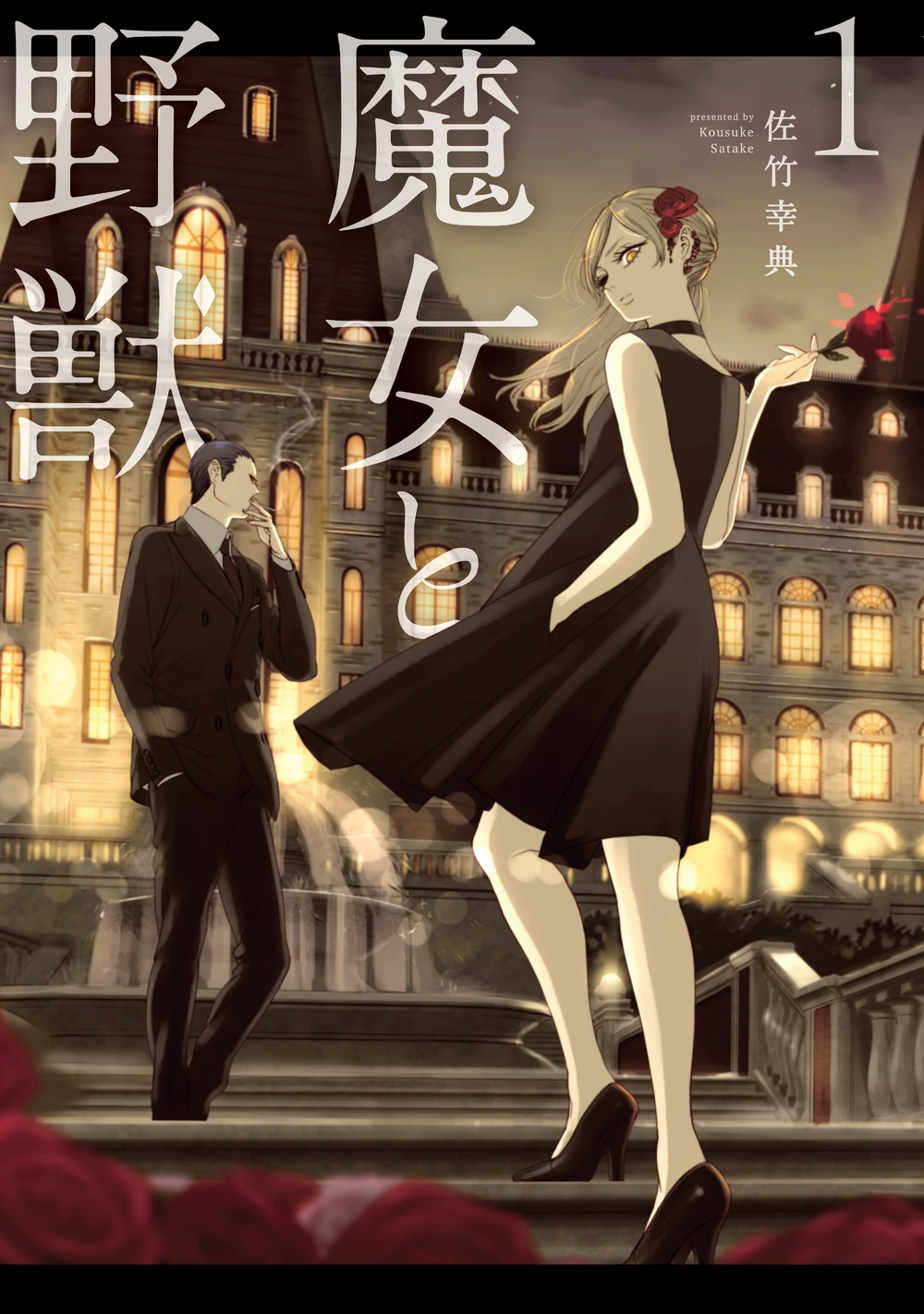
Kousuke Satake’s debut manga, "The Witch and the Beast," has captivated readers with its intricate dark fantasy universe, which reimagines the classic trope of witches as inherently malevolent entities. Despite the series entering an indefinite hiatus in 2023 due to the author’s health, a highly anticipated anime adaptation premiered in 2024, underscoring the strong global demand and critical anticipation for its eventual return. Serialized in Kodansha’s Monthly Young Magazine, the series has garnered a dedicated following for its unique narrative structure, complex characters, and distinctive art style, currently spanning eleven compiled volumes.
A World Forged in Magic and Menace
"The Witch and the Beast" plunges readers into a meticulously constructed world where magic is a pervasive element of daily life, yet far from a source of peace or wonder. Instead, society grapples with the existential threat posed by witches—powerful beings often depicted as sources of widespread disaster and chaos. This premise sets the stage for a nuanced exploration of morality, power, and the societal structures designed to contain supernatural threats.
In response to these pervasive magical issues, several specialized organizations have emerged. Prominent among them is The Order of Magical Resonance, an independent investigative body dedicated to addressing magic-related incidents. Its members operate with a degree of autonomy, navigating a world fraught with both overt magical dangers and insidious political undercurrents. Another significant player is The Church’s Paladin Corps, a more formidable, but also more constrained, organization. While the Paladin Corps possesses greater resources and typically handles major magical crises, its operations are strictly governed by ecclesiastical authority, rendering it less accessible to ordinary civilians and smaller-scale incidents. This bureaucratic stratification forms a critical aspect of the manga’s worldbuilding, illustrating how even in a fantastical realm, institutional complexities and jurisdictional disputes shape the lives of its inhabitants.
This intricate political landscape is often highlighted through the experiences of the series’ central protagonists: Ashaf, a first-class mage accompanied by a flock of sentient crows and burdened with a mysterious coffin, and Guideau, a volatile beast trapped within the body of a young girl by a witch’s curse. Their roles often involve navigating the gaps left by the more rigid Paladin Corps, dealing with what might seem like mundane magical problems, such as opening a spellbound box. However, these seemingly minor tasks often spiral into significant encounters, revealing deeper layers of the world’s magical and political fabric. For instance, Ashaf’s immediate suspicion upon realizing a town’s mayor failed to contact the Paladin Corps during a serial murder case involving magic underscores the intricate web of protocols and power dynamics at play.
Ashaf and Guideau: An Unconventional Partnership
The dynamic between Ashaf and Guideau is central to the narrative’s appeal. Ashaf, with his calm demeanor, strategic mind, and the enigmatic coffin he carries, serves as the grounded, intellectual force of the duo. His affiliation with The Order of Magical Resonance positions him as a pragmatic problem-solver, often relying on his extensive knowledge of magic and his network of contacts. Guideau, on the other hand, is the embodiment of raw, untamed power. Trapped in the guise of a frail girl, her true form is a grotesque and formidable beast, sealed away by a witch’s curse.
The mechanics of Guideau’s curse-breaking ability are a significant subversion of classic fantasy tropes. Unlike the traditional "kiss from a loving prince" seen in fairytales, Guideau’s transformation requires her to kiss a witch. This act, however, is not a moment of romantic salvation but a violent unleashing of her full powers, serving as a climactic turning point in intense battles. The added drawback—that she can only do so once per witch—introduces a strategic layer to their confrontations, demanding careful planning and making each transformation a high-stakes event. This unique twist recontextualizes the "magical kiss" from a symbol of love and rescue into a brutal, temporary release of monstrous power, fitting perfectly within the manga’s darker aesthetic.
Their journey is largely episodic, with each arc centering on new towns and new challenges. While Ashaf and Guideau possess a primary objective—to hunt down the specific witch who cursed Guideau—their path is frequently sidetracked by smaller quests. These detours, far from being mere distractions, are instrumental in enriching the series’ expansive worldbuilding. Through their investigations and interactions with locals, readers are introduced to a diverse array of beliefs, regional magical practices, societal rules, and cultural nuances. This allows Satake to explore the broader implications of magic existing as an undeniable force within everyday life.
One particularly compelling arc delves into the concept of necromancy, exploring its legal acceptance in certain towns. This storyline meticulously dissects the ethical and social dilemmas surrounding the revival of the dead. It highlights the division among people, particularly the bereaved, who must contend with the unsettling reality of their loved ones potentially becoming "human puppets." Concurrently, the arc also uncovers the potential benefits of regulated necromancy, where the revived can lead fulfilling lives under proper masters and strict guidelines, offering a nuanced perspective on a practice often demonized in fantasy narratives. This exploration exemplifies Satake’s commitment to presenting complex moral landscapes rather than simplistic good-vs-evil dichotomies.
Kousuke Satake’s Distinctive Artistic Vision
A cornerstone of "The Witch and the Beast" is Kousuke Satake’s extraordinary artistic talent. His detailed and evocative illustrations are crucial in bringing the dark fantasy world to life. The mythical creatures, from Guideau’s terrifying true form to the myriad monsters encountered, are rendered with a level of intricate detail that imbues them with an unsettling, eerie presence. Witches, often described as possessing a chilling beauty, are depicted with an aesthetic that perfectly captures their dangerous allure.
Combat sequences are a particular highlight, presented with relentless exhilaration that underscores the themes of revenge and bloodthirst permeating the narrative. Satake does not shy away from depicting violence, frequently incorporating gore and body horror to emphasize the grim realities and high stakes faced by the characters. While this unflinching portrayal adds a layer of visceral intensity and authenticity to the narrative, it can also be a point of consideration for readers sensitive to graphic content, as such imagery is a recurring feature throughout the series. This artistic choice firmly establishes the manga within the mature dark fantasy genre, appealing to audiences who appreciate a more brutal and realistic depiction of conflict in a magical setting.
Chronology of a Dark Fantasy Journey
"The Witch and the Beast" began its serialization in Kodansha’s Monthly Young Magazine in 2017, quickly establishing itself as a unique voice within the competitive manga landscape. Over the subsequent years, it built a steady following, culminating in the release of eleven tankōbon volumes, each further expanding its intricate world and developing its compelling characters.
However, the series faced an unexpected challenge in 2023 when Kodansha announced an indefinite hiatus. The reason provided was Kousuke Satake’s health, a common and understandable circumstance in the demanding manga industry. This announcement sparked widespread concern among fans, highlighting the personal toll that continuous serialization can take on creators.
Despite the manga’s paused status, 2024 marked a significant milestone with the premiere of its anime adaptation. Produced by studio Ajiado and directed by Takayuki Hamana, the anime adaptation of "The Witch and the Beast" serves as a powerful testament to the series’ inherent strength and its growing international appeal. The decision to proceed with an anime during the manga’s hiatus indicates a strong belief from both the publisher and the production committee in the property’s long-term potential and its ability to captivate new audiences.
Industry Response and Fan Anticipation
The anime adaptation’s release during the manga’s hiatus has had multifaceted implications. For Kodansha, the publisher, the anime serves as a vital mechanism to maintain and even grow the series’ audience base, ensuring that interest remains high until Satake’s eventual return. While no official "statements" from Kodansha regarding the author’s health beyond the initial announcement have been widely publicized, the commitment to supporting the anime production strongly infers a dedication to the series’ continuity and a patient approach to the author’s recovery. The studio Ajiado’s decision to undertake the adaptation, under the direction of an experienced professional like Takayuki Hamana, further reflects confidence in the manga’s narrative and visual distinctiveness.
For the global fanbase, the anime has been a source of both excitement and renewed longing. It has introduced "The Witch and the Beast" to a wider international audience, many of whom may have been unfamiliar with the manga previously. This expansion of readership can lead to increased backlist sales of the manga volumes, providing crucial financial support and demonstrating continued market viability even during a production pause. Social media platforms and fan forums are replete with discussions expressing appreciation for the anime’s faithfulness to Satake’s art style and narrative tone, alongside earnest wishes for the author’s swift and complete recovery and the manga’s eventual continuation. The challenge for the production studio is to maintain narrative momentum and engagement across seasons, especially with the source material currently on hold.
Broader Implications for Dark Fantasy and the Manga Industry
"The Witch and the Beast" carves out a significant niche within the contemporary dark fantasy genre, standing alongside acclaimed titles like "Berserk," "Claymore," and "Jujutsu Kaisen" in its mature themes and uncompromising portrayal of a brutal world. Its unique worldbuilding, which delves into the bureaucratic and political facets of a magic-infused society, offers a fresh perspective that distinguishes it from more traditional fantasy narratives. The subversion of fairy tale tropes, particularly with Guideau’s curse-breaking mechanism, highlights Satake’s creative approach to established genre conventions.
The circumstances surrounding the manga’s hiatus also shed light on the broader challenges faced by manga artists and the industry’s evolving response to health-related interruptions. The rigorous demands of weekly or monthly serialization can take a severe toll on creators, leading to burnouts or health issues. The industry’s increasing willingness to place series on hiatus for author well-being, while initially disappointing for fans, reflects a more sustainable approach to creative output.
Furthermore, the successful anime adaptation during a manga hiatus underscores the symbiotic relationship between these two media. Anime adaptations are no longer merely promotional tools for manga; they can become vital conduits for keeping a series alive and relevant, even when its print counterpart is temporarily unavailable. This ensures that the narrative continues to reach audiences, generating new interest and solidifying its place in popular culture.
As "The Witch and the Beast" navigates this period of transition, its future remains a subject of intense speculation and hope. The combination of Kousuke Satake’s striking artistry, gripping narrative, and complex character dynamics has firmly established it as a standout in the dark fantasy category. The enduring anticipation for its continuation, buoyed by the successful anime adaptation, speaks volumes about its impact and the unique universe Satake has crafted, cementing its place as a pivotal work eagerly awaited by fans worldwide.