Warner Bros. has dropped the definitive trailer for Mortal Kombat II, a high-octane compilation of explosive action sequences that powerfully evokes the spirit of the original 1995 film. The trailer is meticulously crafted to resonate with long-time fans, featuring the iconic techno-infused soundtrack that defined an era and continues to deliver a potent auditory punch. This release builds significant anticipation for the film’s theatrical debut, signaling a major push by the studio to capitalize on the enduring popularity of the legendary fighting game franchise.
The narrative of Mortal Kombat II centers on a familiar roster of fan-favorite champions who find themselves thrust into a desperate struggle for survival. Their ranks are notably bolstered by the highly anticipated arrival of Johnny Cage, portrayed by Karl Urban, who adds a new layer of charisma and combat prowess to the ensemble. The primary antagonist remains the formidable Shao Kahn, brought to life by Martyn Ford, whose insatiable lust for power threatens to engulf not only Earthrealm but all of existence. The trailer deliberately emphasizes the apocalyptic stakes, underscoring the dire consequences of failure for humanity and its protectors. This narrative framing aims to amplify the urgency and personal stakes for the characters and, by extension, the audience.
A Deep Dive into the Trailer’s Content and Themes
The final trailer for Mortal Kombat II serves as a comprehensive preview of the film’s thematic core and visual spectacle. It meticulously showcases the core conflict: the desperate defense of Earthrealm against the tyrannical forces of Outworld. The inclusion of Johnny Cage is presented as a significant development, potentially offering a fresh perspective and much-needed comic relief amidst the brutal combat. His character, known for his swagger and martial arts expertise, is poised to be a pivotal figure in the fight against Shao Kahn.
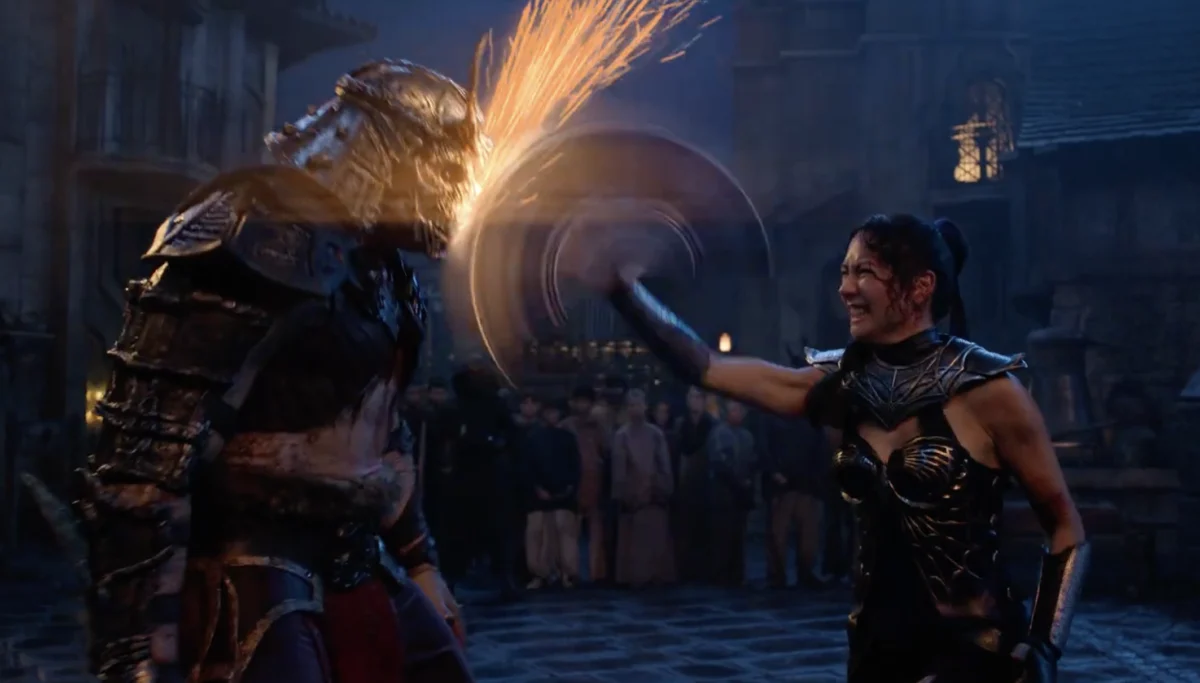
Visually, the trailer highlights the film’s commitment to delivering visceral, impactful fight choreography, a hallmark of the Mortal Kombat franchise. The glimpses of iconic special moves and fatalities suggest that the film will remain true to its roots, offering fans the brutal, over-the-top action they expect. The soundtrack’s prominent use of the original film’s score is a strategic decision, designed to trigger immediate nostalgia and connect the new installment to the beloved legacy of the franchise. This sonic reinforcement aims to create an emotional bridge between past and present, reminding audiences why they fell in love with Mortal Kombat in the first place.
The trailer’s emphasis on the peril facing Earthrealm is a narrative device intended to elevate the stakes beyond mere individual combat. It frames the conflict as a universal struggle for survival, positioning the heroes as the last line of defense for all of humanity. This broader scope suggests that Mortal Kombat II will not only deliver thrilling action but also explore themes of sacrifice, destiny, and the courage required to stand against overwhelming odds. The trailer’s closing moments, which prominently feature Johnny Cage seemingly overwhelmed and in need of respite, subtly hint at the immense pressure and personal toll the conflict will exact on the characters.
Production and Creative Team Behind the Reboot
The directorial reins for Mortal Kombat II have once again been entrusted to Simon McQuoid, who helmed the successful 2021 reboot. McQuoid’s return signals a commitment to maintaining a consistent creative vision for the franchise. The screenplay is penned by Jeremy Slater, whose previous credits include the blockbuster Godzilla x Kong: The New Empire, indicating a capacity for crafting large-scale, action-oriented narratives. This pairing of director and writer suggests a focus on delivering both compelling storytelling and breathtaking visual effects.
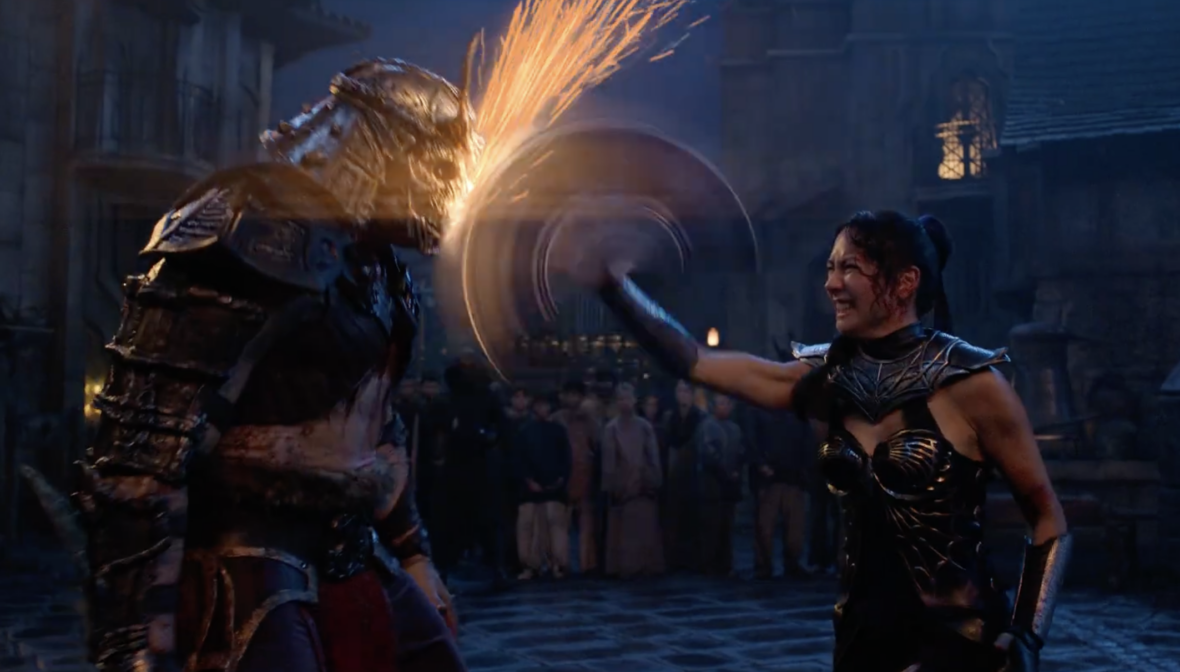
The ensemble cast is a significant draw, featuring a blend of established talent and rising stars. Ludi Lin reprises his role as Liu Kang, Jessica McNamee returns as Sonya Blade, and Joe Taslim is back as Sub-Zero. Hiroyuki Sanada continues his impactful portrayal of Scorpion, a character central to the Mortal Kombat lore. The addition of Karl Urban as Johnny Cage is a particularly noteworthy casting choice, bringing a seasoned performer known for his ability to blend intensity with humor. Martyn Ford’s imposing presence as Shao Kahn promises a formidable and physically intimidating antagonist. The supporting cast includes Adeline Rudolph, Tati Gabrielle, Josh Lawson, Tadanobu Asano, and CJ Bloomfield, each contributing to the rich tapestry of characters that populate the Mortal Kombat universe.
The Legacy and Evolution of Mortal Kombat on Screen
The Mortal Kombat franchise first exploded onto the pop culture scene in the early 1990s as a groundbreaking arcade fighting game, renowned for its digitized sprites and controversial "fatalities." Its success quickly led to a film adaptation in 1995, which, despite mixed critical reception, became a commercial success and a cult classic, largely due to its faithfulness to the game’s aesthetic and its energetic soundtrack. A sequel, Mortal Kombat: Annihilation (1997), failed to capture the same magic, leading to a hiatus for live-action adaptations for over two decades.
The 2021 reboot, also directed by Simon McQuoid, aimed to revitalize the franchise for a new generation while honoring its core elements. It introduced a new protagonist, Cole Young, and focused on establishing the foundational lore and characters of the Mortal Kombat universe. The film was met with a generally positive reception from fans, who praised its action sequences and commitment to the game’s violence and mythology. The success of the 2021 film paved the way for Mortal Kombat II, which appears to be expanding the narrative and character roster, drawing more directly from the established lore of the games, particularly the events surrounding Shao Kahn’s conquest and the Mortal Kombat tournament.
Chronology of the Mortal Kombat Film Franchise
- 1992: The original Mortal Kombat arcade game is released, revolutionizing the fighting game genre.
- 1995: Mortal Kombat, the first live-action film adaptation, is released, becoming a box office success and a cult favorite.
- 1997: Mortal Kombat: Annihilation is released, a sequel that underperforms critically and commercially.
- 2011: Mortal Kombat is rebooted as a video game, re-establishing the franchise’s popularity and lore.
- 2021: Mortal Kombat, a new live-action film reboot, is released, introducing new characters and a fresh take on the mythology.
- May 8, 2024: Mortal Kombat II is scheduled for theatrical release, with its final trailer generating significant buzz.
Supporting Data and Market Context
The Mortal Kombat franchise remains one of the most recognizable and commercially successful video game IPs globally. As of early 2024, the Mortal Kombat video game series has sold over 80 million units worldwide, demonstrating its enduring appeal and vast fanbase. This strong performance in the gaming sector provides a solid foundation for the film’s success. The 2021 film’s performance, particularly its strong opening weekend box office and positive digital engagement, indicated a significant appetite for live-action Mortal Kombat content. Warner Bros. and New Line Cinema are likely leveraging this existing fanbase, along with the film’s R-rating, to attract both long-time enthusiasts and new audiences seeking a mature-themed action spectacle. The competitive landscape for R-rated action films remains robust, and Mortal Kombat II is positioned to capture a significant share of the market upon its release.
Official Statements and Industry Reactions (Inferred)
While no direct official statements from Warner Bros. or the filmmakers have been released in conjunction with the trailer’s debut, the studio’s strategy of releasing a final, action-packed trailer strongly suggests confidence in the film’s appeal. The emphasis on nostalgic elements, coupled with the introduction of popular characters and the promise of intense combat, indicates a marketing approach designed to maximize fan engagement and generate widespread word-of-mouth. Industry analysts are likely observing the trailer’s reception closely, as it provides an early indicator of the film’s potential box office performance. The casting of Karl Urban, a well-respected actor in the action genre, is also a positive sign, suggesting an effort to elevate the film’s profile and attract a broader audience beyond existing Mortal Kombat fans.
Broader Impact and Implications
The release of Mortal Kombat II signifies a continued investment by major studios in adapting established video game franchises for the big screen. The success of this film could have significant implications for the future of video game adaptations, potentially encouraging further development of beloved IPs that have historically struggled to translate well to cinema. The film’s commitment to retaining the franchise’s signature violence and mature themes, while also striving for compelling storytelling and character development, represents a nuanced approach to adaptation that could set a precedent for future projects. The film’s performance will also be a key indicator of whether audiences are increasingly receptive to R-rated action blockbusters, a trend that has seen a resurgence in recent years. Ultimately, Mortal Kombat II has the potential to not only satisfy a dedicated fanbase but also to solidify Mortal Kombat‘s status as a formidable force in the cinematic landscape, proving that these digital warriors can indeed deliver a knockout on the silver screen.
Tickets are now on sale for Mortal Kombat II, with the tournament of champions commencing in theaters nationwide on May 8.