The premiere of The Testaments on Hulu has introduced a significant narrative departure from Margaret Atwood’s 2019 Booker Prize-winning novel, specifically regarding the identity and origin of the character Daisy. While the television adaptation, helmed by showrunner Bruce Miller, retains the atmospheric tension and thematic depth of the source material, it pivots away from the book’s central revelation that Daisy is the biological daughter of June Osborne and Nick Blaine. This structural change alters the trajectory of the series, shifting the focus from a story of biological reunification to one exploring the complexities of "chosen family" within the resistance movement against the totalitarian regime of Gilead.
The Narrative Pivot: Decoupling Daisy and Nichole
In the original text of Margaret Atwood’s The Testaments, Daisy is revealed to be Baby Nichole, the infant who became a symbol of resistance and a point of international contention in The Handmaid’s Tale. In the novel, Nichole is raised in Toronto by adoptive parents, Melanie and Neil, under the name Daisy, unaware of her true heritage until a series of tragic events forces her into the service of Mayday. Her eventual infiltration of Gilead as a "Pearl Girl"—a missionary-style recruit for the regime—serves as the catalyst for the downfall of the government from within.
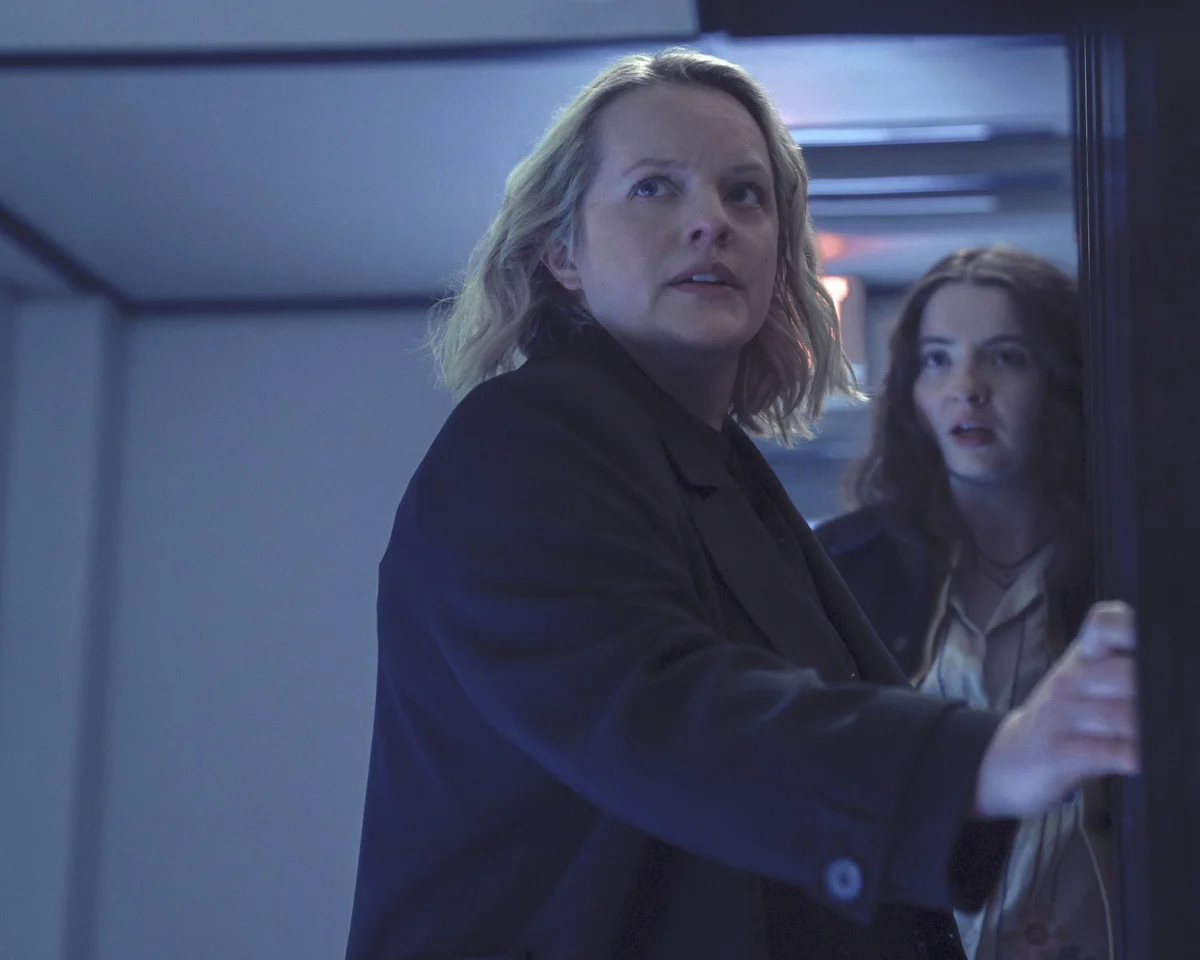
However, the Hulu adaptation introduces a distinct separation between these two identities. In the television series, Daisy, portrayed by Lucy Halliday, is not Nichole. Instead, she is an independent operative who becomes a "chosen daughter" to June Osborne (Elisabeth Moss). This decision was necessitated by the internal logic and timeline established by the preceding five seasons of The Handmaid’s Tale television series, which differs substantially from the chronological gaps present in Atwood’s literary timeline.
Chronological Constraints and Production Logic
The primary driver for this character alteration is the discrepancy in time jumps between the literature and the screen. Margaret Atwood’s The Testaments is set approximately fifteen years after the conclusion of the original Handmaid’s Tale novel. This gap allowed for Baby Nichole to reach adolescence and become the teenage protagonist, Daisy.
In contrast, the Hulu series The Testaments begins roughly four years after the events of the series finale of The Handmaid’s Tale. Within this compressed timeline, the character of Nichole would still be a young child, making it biologically impossible for her to fulfill the role of an adolescent operative infiltrating Gilead. Bruce Miller, the creator of the series, addressed this logistical hurdle by explaining that the television show must act as a direct sequel to the television prequel.
"Just as The Handmaid’s Tale book is the prequel to The Testaments book, The Handmaid’s Tale show is the prequel to The Testaments show," Miller stated in an interview with TV Insider. He noted that blowing past the logic of the established timeline would have undermined the grounded reality of the series. Consequently, the production team opted to maintain the character of Daisy as a teenager but redefined her relationship to June Osborne to preserve the emotional stakes of the story.
Character Profiles: A New Generation of Resistance
The series focuses on two young women navigating the oppressive structures of Gilead from different perspectives. Chase Infiniti stars as Agnes (formerly Hannah Bankole), the biological daughter of June Osborne and Luke Bankole. Having been kidnapped by the regime as a child, Agnes has grown up within the confines of Gilead, facing a future of forced marriage and domestic servitude. Her journey represents the "insider" experience of indoctrination and the gradual awakening to the regime’s fallibility.
Opposite Agnes is Daisy, portrayed by Lucy Halliday. In the series, Daisy is an immigrant girl who joins the Pearl Girls—a group of young women who ostensibly wish to embrace Gilead’s way of life. The premiere reveals that Daisy is an undercover operative for Mayday, the underground resistance movement. Her backstory involves the murder of her parents in Toronto by Gilead operatives, leading to her recruitment by Mayday and her eventual meeting with June Osborne.
The casting of Halliday was intentional, with production seeking an actress who could mirror the mannerisms and intensity of Elisabeth Moss. Although they share no biological link in this version of the story, the "chosen" bond between June and Daisy is designed to feel fated, with Daisy adopting June’s defiant spirit and tactical mindset.
The Role of the Pearl Girls and Gilead’s Expansion
The introduction of the "Pearl Girls" in the television series provides a deeper look into Gilead’s foreign policy and recruitment tactics. In the lore of The Testaments, Pearl Girls are young women sent abroad to recruit "lost souls" into Gilead’s society. They present a sanitized, idealized version of the regime’s domestic life to attract women from impoverished or unstable backgrounds in the outside world.
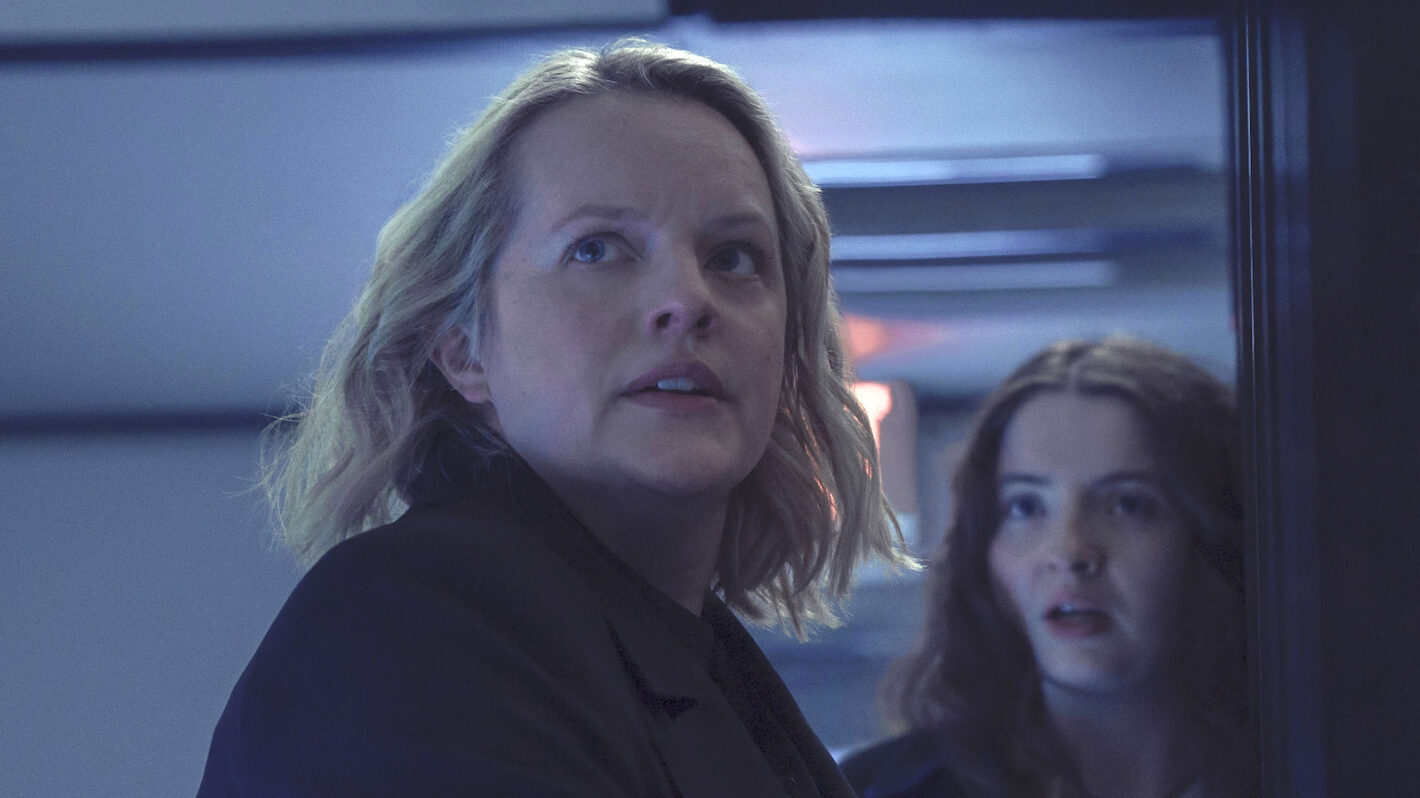
By placing Daisy within this group, the show explores the irony of Gilead’s own recruitment tools being used against it. Daisy’s position allows her to move between the relative freedom of the international community and the strict hierarchy of Gilead. This narrative device serves to broaden the scope of the series, showing how the regime attempts to export its ideology while simultaneously being infiltrated by the very people it seeks to indoctrinate.
Supporting Data: The Impact of The Handmaid’s Tale Franchise
The shift in Daisy’s character identity is a strategic move for a franchise that has become a cornerstone of Hulu’s original programming. The Handmaid’s Tale was the first series on a streaming service to win an Emmy for Outstanding Drama Series, and its cultural impact has been significant. Maintaining the brand’s consistency required a careful balancing act between honoring Atwood’s new book and respecting the five years of character development already broadcast to millions of viewers.
According to industry analysis, the decision to keep Elisabeth Moss involved as June Osborne in a more active capacity—appearing early in the spin-off rather than only at the conclusion as she does in the book—is a move intended to retain the existing audience base. By making Daisy a "chosen daughter," the writers can maintain June’s maternal drive without the chronological leap that would have necessitated replacing Moss or aging her significantly with prosthetics.
Official Responses and Creative Direction
Bruce Miller emphasized that the decision to change Daisy’s identity was also a matter of dramatic necessity. In the novel, Agnes and Daisy do not meet until much later in the story, and they operate in different geographical and social spheres for the majority of the plot. For the television medium, Miller felt that the core relationship of the show needed to be the interaction between these two young women.
"It just seemed to make dramatic sense that they needed to be together," Miller explained. "All the stories that Daisy was going through would be fascinating with Hannah there, and all of the Agnes stories are fascinating with Daisy there." This synergy allows the show to explore the contrast between a child of Gilead and a child of the resistance working toward a common goal of liberation.
The presence of the "real" Nichole is not entirely erased from the series. Miller confirmed that Nichole exists within the show’s universe and is currently in Toronto with June. This leaves the door open for a future narrative collision where the biological and chosen daughters of June Osborne may eventually meet, adding another layer of complexity to the family dynamics that have always anchored the franchise.
Broader Implications and Thematic Analysis
The choice to make Daisy a chosen daughter rather than a biological one reinforces one of the central themes of the Atwood-inspired universe: the reclamation of agency through non-traditional bonds. In a society like Gilead, where biological motherhood is commodified and weaponized, the act of "choosing" a family becomes a radical form of rebellion.
This change also allows the series to explore the perspective of those who were not born into the struggle but chose to join it out of a sense of justice or shared trauma. Daisy represents the displaced youth of the era—those whose lives were shattered by Gilead’s expansion and who find purpose in the resistance. Her resemblance to June, both in temperament and appearance, suggests that the "spirit" of the resistance is something that can be inherited through mentorship and shared conviction, not just through DNA.
As the first season progresses, the focus remains on how these two young women, Agnes and Daisy, will navigate the treacherous political landscape of a crumbling Gilead. With the regime facing internal power struggles and external pressure from Mayday, the "Testaments" they provide will likely form the basis for the eventual dissolution of the state.
Conclusion and Future Outlook
The Testaments continues to air on Wednesdays on Hulu, with critics and audiences closely watching how this departure from the source material will affect the long-term resolution of the story. By prioritizing narrative logic and character chemistry over a literal adaptation of the book’s twist, Bruce Miller and his team have created a version of Gilead that feels both familiar to fans of the original show and fresh for those seeking new stakes.
Whether Daisy’s undercover mission will succeed, and whether Agnes will fully reclaim her identity as Hannah, remains the central tension of the series. However, by establishing Daisy as a formidable force in her own right—separate from the "Baby Nichole" legend—the show has successfully expanded the mythology of the resistance, proving that in the world of Gilead, the daughters of the revolution are many, and their origins are as diverse as the methods they use to fight back.