Almost five decades after the original Faces of Death first captivated and repulsed audiences, a new iteration emerges, not merely as a remake but as a profound commentary on contemporary society’s relationship with violence in the digital age. The 1978 film, a controversial blend of genuine and simulated death scenes presented as a documentary, emerged from a post-Vietnam War era where horrific imagery from real-world atrocities had already begun to desensitize the public. This period, as legendary makeup and visual effects artist Tom Savini famously noted, spurred a morbid fascination with the grotesque, transforming what was once confined to fringe grindhouses into a more mainstream, albeit still taboo, spectacle. The original Faces of Death capitalized on this burgeoning appetite for the forbidden, purporting to show "real" human death, a concept that in the pre-internet era, lent the film a chilling, almost mythical status, with VHS tapes becoming "cursed objects" whispered about among impressionable youth.
The Original’s Legacy: Taboo and Transformation
Released in 1978, Faces of Death positioned itself as a documentary following a pathologist investigating the myriad ways humans meet their end. The film’s notoriety stemmed from its audacious claim to present authentic snuff footage, a proposition that, despite its often-obvious fabrication to modern eyes, held considerable sway in a world starved of instant information. The iconic skull-laden cover of its VHS release became an enduring symbol, imprinted on the minds of a generation. In an era without readily available digital content, the film served as a singular, albeit ethically dubious, gateway to graphic imagery. Its impact underscored a societal shift: the horrific realities of conflicts like the Vietnam War had already exposed a broader public to unprecedented levels of violence, blurring the lines between news and exploitation. This created a fertile ground for filmmakers to explore the depths of human depravity, albeit often through staged sequences. The original’s cultural footprint, though rooted in controversy and sensationalism, highlighted a burgeoning fascination with death that the digital age would later amplify exponentially.
Reimagining Horror for a Desensitized World
In 2026, the challenge for writer Isa Mazzei and director Daniel Goldhaber in rebooting Faces of Death was not merely to replicate shock, but to make it resonate within an ecosystem where death, destruction, and violence are ubiquitous. The advent of social media has transformed the consumption of graphic content, making it an inescapable part of the daily digital scroll. This pervasive exposure raises a critical question: how does one create an effective horror film about violence when audiences are seemingly desensitized to it?
Mazzei challenges the notion of true desensitization. Reflecting on her and Goldhaber’s research, which involved viewing numerous genuine snuff videos, she observes, "I would argue that this isn’t a form of desensitization. I think that’s a misnomer." Instead, she suggests a more terrifying phenomenon: the erosion of one’s ability to recognize the emotional impact of such content. "They were still affecting us. I still feel affected by them, but I think that my ability to even tell that I’m being affected is what’s being taken away," Mazzei explains. This subtle yet profound distinction forms the moral gravity at the heart of their remake, emphasizing the ease with which digital screens can obscure the human cost behind the imagery. The film aims to re-sensitize audiences, or at least prompt a critical awareness of the psychological toll of constant exposure to violence.
A Contemporary Narrative: Content Moderation and Digital Obsession
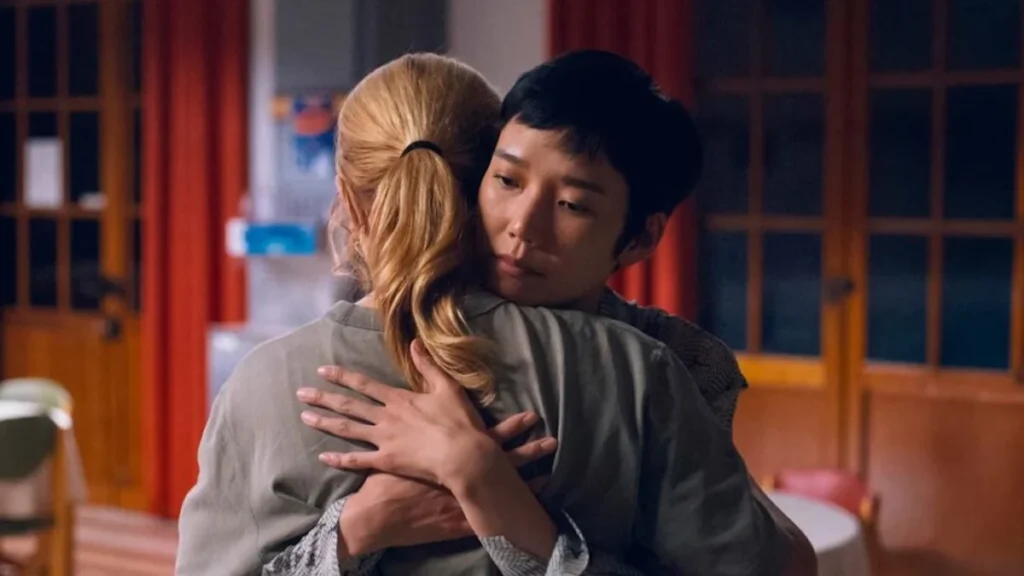
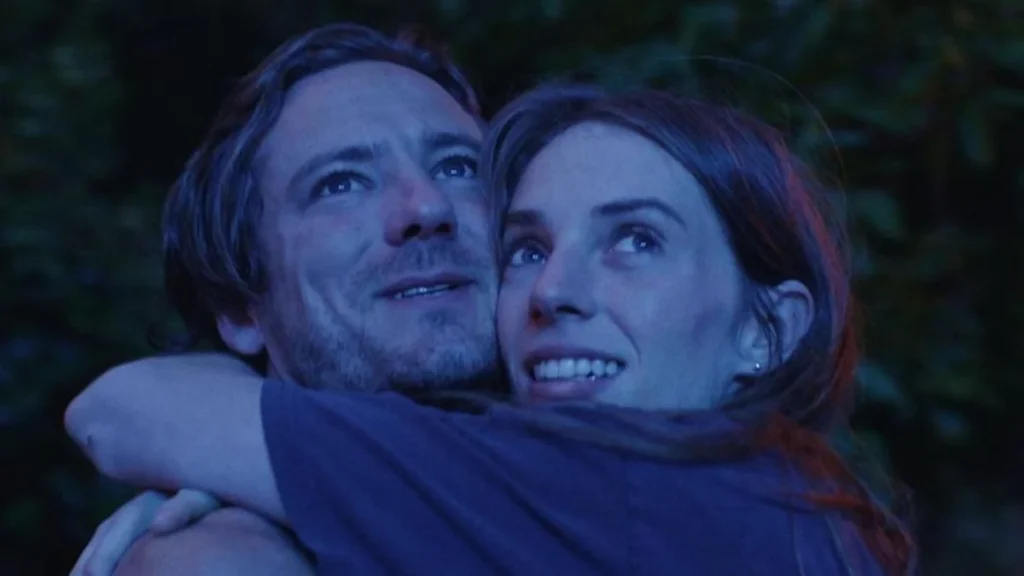
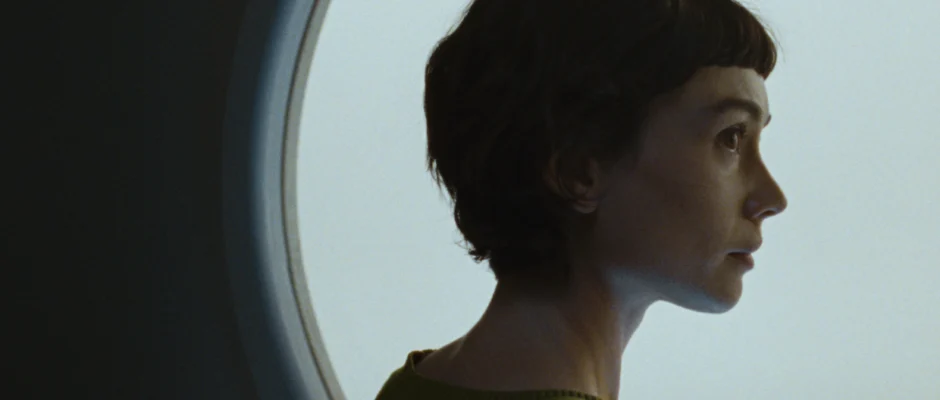
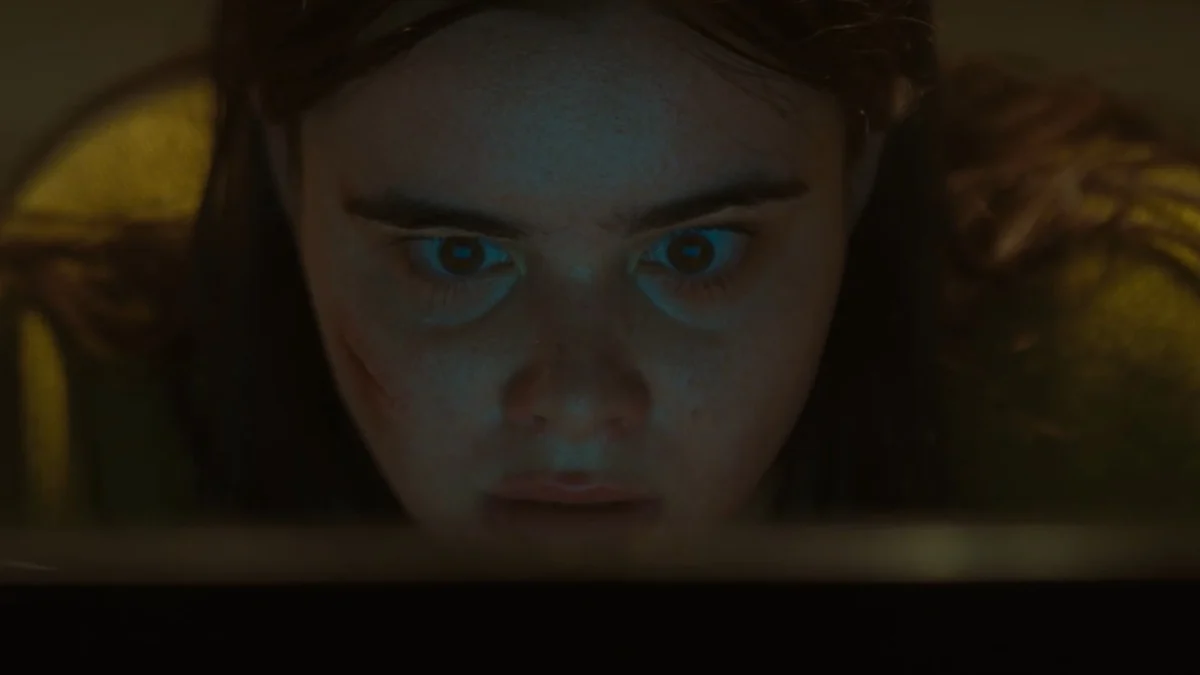
Goldhaber and Mazzei’s Faces of Death remake ingeniously brings the premise into the 21st century by centering on Margot (Barbie Ferreira), a content moderator for a fictional TikTok-esque social media app called Kino. Margot’s daily reality is one shared by millions globally: sifting through a deluge of user-generated content, making rapid-fire judgments on what violates platform guidelines. Her world is turned upside down when she begins to receive submissions depicting seemingly genuine deaths, leading her down a rabbit hole to expose and stop a sadistic killer, Arthur (Dacre Montgomery). The killer’s modus operandi is chillingly meta: he is meticulously recreating the infamous scenes from the 1978 Faces of Death for a new digital audience.
This narrative choice serves as both a textual homage and an eerie reflection of contemporary reality. The film explores the profound psychological burden on content moderators, a demographic often overlooked but crucial to maintaining the digital public square. Reports from organizations like Amnesty International and various journalistic investigations have highlighted the severe mental health consequences, including PTSD, depression, and anxiety, faced by moderators tasked with viewing the internet’s darkest corners. Margot’s journey mirrors the struggles of these real-life individuals, forced to confront the most extreme forms of human suffering as part of their daily job.
The Pervasive Shadow of Violence: A Personal and National Reflection
For director Daniel Goldhaber, the themes of pervasive violence and its digital dissemination are deeply personal. Growing up in Colorado, a state tragically etched into the national consciousness by incidents like the Columbine High School massacre and the Aurora Dark Knight shooting, Goldhaber witnessed firsthand how violence can permeate a community’s fabric. He recounts a chilling parallel between his own creative work and subsequent real-world tragedy. Having filmed his senior thesis, a story about a parricide, at a local King Soopers grocery store—a place of fond memories and youthful hangouts—he later watched in horror as that very store became the site of a mass shooting, live-streamed to the masses. "We were basically watching this livestream of a citizen journalist who’d shown up while the shooter was still inside, watching this element of our childhood get destroyed," he recalls. This visceral experience underscored for Goldhaber the inescapable nature of violence, particularly when amplified by digital platforms, and directly informed the genesis of the new Faces of Death.
The film posits that the seemingly innocuous "urban sprawl" and "alienating suburban spaces" of America create an environment where "explosive violence feels almost inevitable." This societal critique extends to the country’s paradoxical relationship with violence itself: a culture that often "pearl clutches about sex, but violence? Full steam ahead." This observation is vividly illustrated in the film when Margot, performing her content moderation duties, flags a "How To" video on condom use while allowing a Faces of Death recreation to pass. Mazzei clarifies, "Margot’s not doing that. She’s doing her job. That’s an important distinction there because ultimately that is what we see on these platforms. We see the over-censorship of things like sexual health education, sex work, harm reduction, and then we see the over-proliferation of violence." This algorithmic bias, which prioritizes "engagement" over well-being, is a core indictment woven into the narrative. Data from various digital rights organizations often confirm this pattern, where content deemed sexually suggestive is aggressively filtered, while violent content, especially if framed as "news" or "entertainment," enjoys greater leeway.

Characters of the Attention Economy: Margot and Arthur
The film’s central characters, Margot and Arthur, are portrayed as two sides of the same digital coin, products of what Arthur himself terms "The Attention Economy." In a world where everyone is "too online," the distinction between online and offline blurs, and hyper-connectivity becomes the new normal.
Barbie Ferreira’s Margot embodies the accidental hero for this era. Her own harrowing backstory, involving a deadly accident while attempting a viral dance craze, grounds her in the very culture she now moderates. Yet, her experience has instilled in her a fierce determination. As a content moderator, Margot initially sees herself as a crucial barrier against the deluge of "brain rot," believing she can shield others from the pitfalls of internet virality. Her rude awakening comes when she realizes her job is a mere "smokescreen," masking the platforms’ deeper complicity in perpetuating violent content. Mazzei praises Ferreira’s performance, noting her "fierce determination" and the constant "gears always moving behind her eyes," suggesting a mind constantly processing digital information, from Reddit threads to instructional videos. This portrayal elevates Margot beyond a typical "scream queen," making her a relatable figure battling the insidious forces of online culture.
Conversely, Dacre Montgomery’s Arthur is a chilling manifestation of digital violence, delivering an "astonishing performance of vacant glee." Goldhaber and Mazzei deliberately avoid assigning a singular motive to Arthur, resisting the reductive urge to pinpoint a simple "why" behind atrocious acts. Goldhaber rhetorically asks, "What fucked up Arthur?" then dismisses simplistic explanations like "He watched Faces of Death when he was six years old, and it traumatized him so much that he became a serial killer." Instead, the filmmakers suggest a more complex reality, hinting at "Easter eggs and clues kind of hidden around the house, hidden in his behavior," implying that Arthur is a composite product of endless digital churn, a figure shaped by the very ecosystem he exploits. This lack of a clear-cut motive makes Arthur more terrifying, reflecting the often-unfathomable nature of real-world violence in an age where perpetrators are frequently amplified by digital platforms.
Crafting the Digital Abyss: Authenticity in the "For You" Page
Creating the immersive digital world that Margot and Arthur inhabit required meticulous research and creative ingenuity. Goldhaber describes the challenging process of building their fictional "For You" page, aiming for the "diversity of content" found in real-world feeds: a chaotic mix of professionally produced content, DIY videos, unlicensed movie clips, AI-generated "slop," and viral "fail" videos. This authenticity was achieved through a mix of solicited content from creators, self-shot goofy iPhone videos, and a deep dive into online subcultures.
Isa Mazzei’s dedication extended to crafting the Reddit threads Margot uses for research, with Goldhaber highlighting her ability to give "every username its own personality." This attention to detail ensures that even when viewers aren’t actively reading every word, the subconscious processing of familiar digital language draws them deeper into the film’s terrifying world. This approach reflects how modern audiences "absorb the information on the internet," creating a deeply immersive and unsettling experience that "sinks you into their terrifying world." The film’s commitment to this digital verisimilitude is crucial to its impact, allowing it to "stick to the ribs more than your basic slasher" by mirroring the very mechanisms of online engagement.
The Escalation of Violence: A Mirror to Platform Profitability
The film’s narrative arc, particularly Arthur’s escalating recreations of Faces of Death scenes, serves as a sharp critique of how social media platforms incentivize and profit from violence. Arthur, much like a savvy content creator, "scrubs the movie" for ideas, starting "small" and gradually "growing," understanding that "people want you to iterate on the idea." His ability to bypass censors stems from his knowledge that platforms "thrive on entertainment" and that "violence will keep you engaged." As Mazzei asserts, "So they’re going to keep it up." This speaks to the algorithmic logic that prioritizes engagement metrics, often at the expense of user safety and mental well-being.
This dynamic is not unique to fictional narratives. Real-world investigations into social media algorithms have repeatedly demonstrated how violent, extreme, or sensational content is often promoted more aggressively, leading to higher engagement and, consequently, greater ad revenue. The film highlights how this cycle can turn individuals into unwitting participants in a feedback loop of depravity, blurring the lines between observer and accomplice. Margot’s unique position as a former "content creator" herself allows her to recognize the disturbing patterns, making her the sole voice of dissent in a system designed to normalize the grotesque.
Beyond a Remake: A Timely Horror for a Digital Age
The 2026 Faces of Death transcends the typical remake, evolving into a potent, genuinely terrifying horror picture that also serves as a salient commentary on "How We Live Now." While the 1978 original’s cinematic quality was often debatable, its legend endures due to its controversial nature and perceived reality. Goldhaber and Mazzei’s reinterpretation successfully harnesses that "cursed vibe," channeling it into a contemporary narrative that explores the psychological and societal implications of an algorithmically-driven world.
The film’s power will only grow as our lives become increasingly intertwined with digital platforms and the "fragmented and decontextualized little clips of violence" that flood our feeds. Mazzei’s observation about the original’s accessibility and ubiquity in fragmented clips resonates deeply with the core kernel of the 2026 remake: a world saturated with decontextualized violence as far as the eye can see. The "genie’s long been let out of the bottle," and the film leaves audiences grappling with a sobering question: are we, as a society, shaping more Margots—those who recognize and resist the insidious pull of digital depravity—or more Arthurs—those who become its living manifestations? The remake serves as a chilling mirror, reflecting the digital horrors we collectively consume and the urgent need for a renewed sense of moral gravity in an increasingly desensitized world.