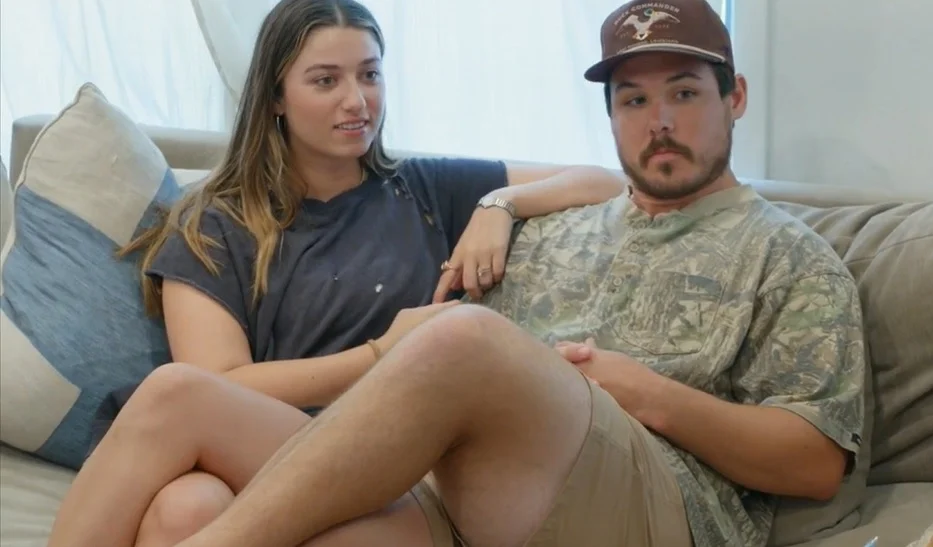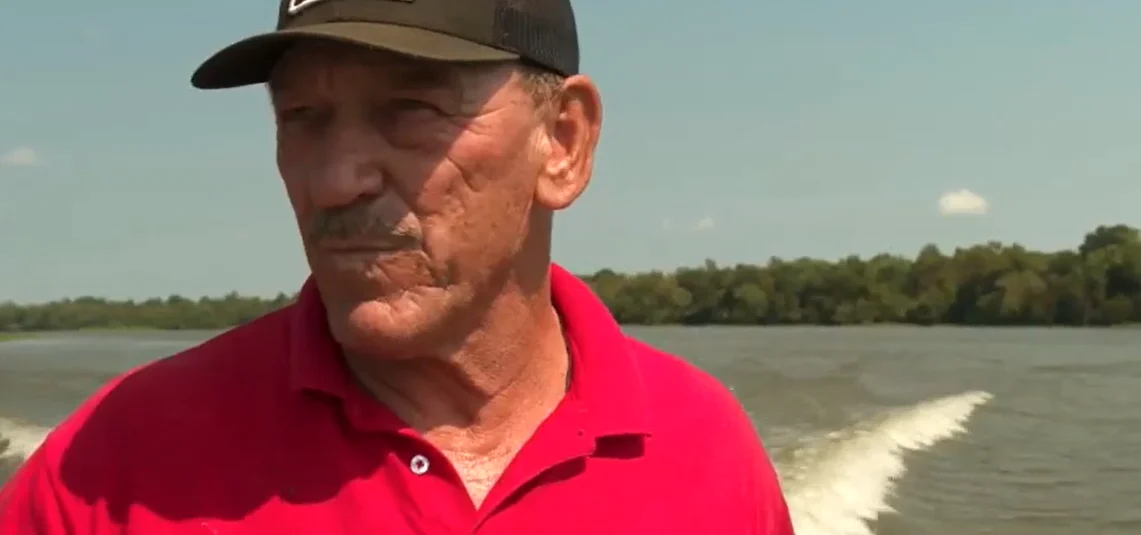
The seventeenth season of History Channel’s long-running hit series Swamp People reached its high-stakes conclusion on April 15, as the elite hunters of the Atchafalaya Basin faced the final twenty-four hours of Louisiana’s federally regulated alligator season. Known as Day 30, this window represents the absolute deadline for hunters to utilize their remaining tags—government-issued permits that dictate the legal limit of their harvest. For the participants, the finale was defined not only by the physical exhaustion of a month-long hunt but also by the environmental challenges of receding water levels and the heavy emotional toll of a season marked by the loss of several community icons.
The Regulatory Framework and Economic Stakes of the Harvest
To understand the urgency depicted in the Season 17 finale, it is essential to consider the administrative structure of the Louisiana alligator industry. The Louisiana Department of Wildlife and Fisheries (LDWF) manages the American alligator (Alligator mississippiensis) through a strict "sustained use" model. Each year, the state issues a specific number of tags to landowners based on the acreage and quality of the habitat. These landowners, in turn, contract hunters like Troy Landry and Bruce Mitchell to fill those tags.
If a hunter fails to fill their allotted tags by the end of the 30-day season, it can have long-term economic repercussions. Not only is the immediate income from the hides and meat lost, but the LDWF may also reduce the number of tags issued to that specific property in subsequent years, citing a perceived lack of population pressure or hunter efficiency. In an industry where a single large "bull" alligator can represent a significant portion of a seasonal profit, the final day is a desperate race against the clock to ensure future viability in the trade.
The Landry Command: A Final Push for 43 Tags
At the center of the finale was the "King of the Swamp," Troy Landry. Heading into the final day, the Landry crews were tasked with filling a combined 43 remaining tags. Troy Landry, accompanied by his long-time deckhand Cheyenne “Pickle” Wheat, personally held 10 of those tags. The environmental conditions were far from ideal; low water levels in the bayou made navigation hazardous, forcing the hunters to drag their heavy aluminum boats through mud and shallow channels to reach their lines.
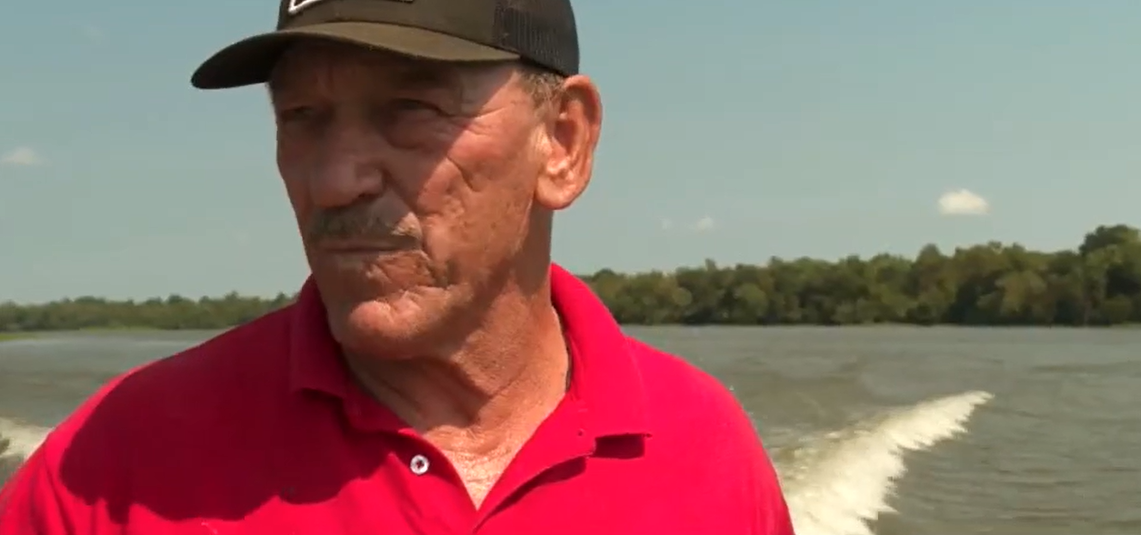
The finale showcased the evolving partnership between Landry and Wheat. Wheat, who had recently returned to the water after the birth of her second child, was praised by Landry as the "best help" he had ever had in his four decades of commercial hunting. This endorsement carries significant weight in the patriarchal culture of the swamp, signaling a shift in the traditional dynamics of the industry. The duo’s day began with the capture of two eight-footers and a nine-footer. However, the season ended on a definitive high note when they secured a 12-foot "behemoth" on their final line, effectively tagging out and cementing their season’s success.
Legacy and Loss: The Edwards and Landry Successors
For Jacob Landry and Willie Edwards, the final day was underscored by a sense of familial duty and mourning. The team started the day with 18 tags remaining, a daunting number given the ticking clock. For Willie Edwards, the season was the first following the passing of his grandfather, Junior Edwards, a legendary figure in the Atchafalaya Basin and a former mainstay of the series.
The pressure to honor the Edwards legacy was palpable. The team managed to find momentum early with an 11-footer, followed by a series of smaller catches that allowed them to whittle down their inventory. Despite the logistical hurdles of the low water, they closed their second season as partners with another 11-foot alligator. The successful completion of their tags served as a symbolic tribute to the elder Edwards, proving that the younger generation possesses the stamina and skill to maintain the family’s standing in the swamp.
Simultaneously, Don Brewer and Troy’s nephew, Calum Landry, were tasked with proving their worth to the Landry operation. Don Brewer, in particular, expressed the psychological weight of working for the Landry family, noting the need to demonstrate his efficiency. Calum Landry achieved a personal milestone during the finale, catching his first alligator—a 10-footer—using a treble hook, a difficult technique used when an alligator refuses to take a baited line. The pair eventually filled their final tag with an 11-footer, completing a challenging season that had been marred by equipment failures and volatile weather.
Scientific Insights: The 1986 Research Tag
One of the most scientifically significant moments of the finale occurred on Bruce Mitchell’s boat. Mitchell and his partner, Anna Ribbeck, were working through their final 11 tags. While harvesting a mid-sized alligator, they discovered a metal tag embedded in the animal’s foot. This provided a rare glimpse into the LDWF’s extensive conservation and research efforts.
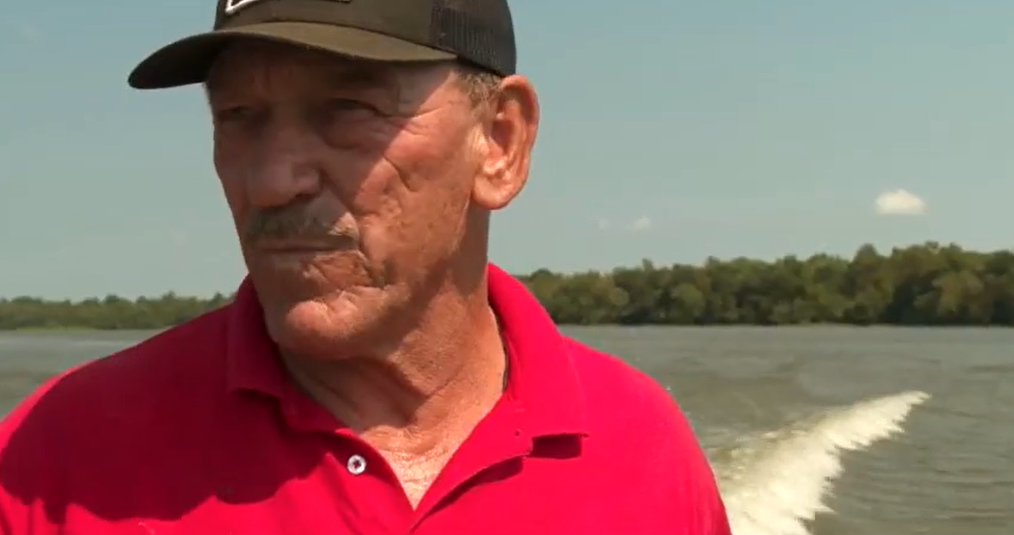
In 1986, the Louisiana Department of Wildlife and Fisheries established a "ranching" program where licensed farmers collected eggs from the wild, hatched them in controlled environments, and then released a percentage of the juveniles back into the swamp to bolster the population. These released alligators were often tagged by biologists to track growth rates, longevity, and migration patterns. The alligator caught by Mitchell was a product of this decades-old conservation initiative, proving the long-term success of the state’s management program. Mitchell and Ribbeck ultimately finished their season by capturing a 12-footer, with Mitchell noting that the increasing size of the local population might necessitate a larger vessel for the following year.
The Underdogs and the Superstitions of the Bayou
In the more remote stretches of the marsh, Leron Jones and Anthony “Porkchop” Williams faced a dire situation with eight tags remaining and no activity on their lines for the first half of the day. In the subculture of the Louisiana bayou, hunters often look for omens when the catch is slow. The duo encountered a praying mantis on their boat, which they interpreted as a sign of impending good fortune.
Whether due to superstition or a change in the tide, their luck shifted in the afternoon. After hours of silence, they managed to hook a nine-footer. The stakes for Jones and Williams were particularly high; as independent hunters, failing to fill their tags could lead to a permanent loss of their seasonal permits. In a dramatic final hour, they successfully filled their last tag with a 10-footer, narrowly avoiding a catastrophic end to their commercial year.
Chronology of the Final Day: A Race Against Sunset
The timeline of the Season 17 finale followed a standard but intense trajectory:
- 05:00 AM: Crews depart the docks under the cover of darkness, navigating shallow, mud-clogged channels.
- 08:00 AM: Initial checks of the lines reveal "bait-stealers" (smaller alligators or turtles that eat the bait without getting hooked), increasing the tension.
- 12:00 PM: Temperatures rise, making the physical labor of hauling 500-pound reptiles into boats increasingly dangerous. Teams like Bruce Mitchell’s discover the 1986 research tag.
- 03:00 PM: The "treble hook" phase begins for those with remaining tags, as hunters actively scout for alligators surfacing in the heat.
- 06:00 PM: The final lines are pulled. The Landry family secures the 12-footer that marks the end of their harvest.
- 08:00 PM: The community gathers for the traditional end-of-season feast.
Broader Impact and the Future of the Industry
The Season 17 finale of Swamp People serves as more than just a television conclusion; it is a document of a vanishing way of life. The alligator industry in Louisiana contributes roughly $60 million to $70 million annually to the state’s economy. However, the industry faces ongoing threats from fluctuating hide prices, habitat loss due to coastal erosion, and the physical toll the work takes on the aging population of hunters.
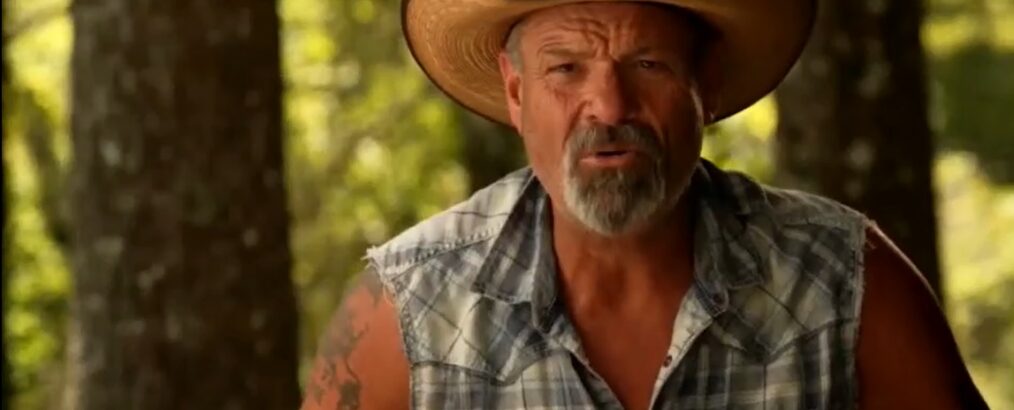
The finale concluded with a communal cookout hosted by Troy Landry. This gathering was a somber occasion, serving as a memorial for Junior Edwards and Sterling Fryou, two pillars of the swamp community who passed away during the production cycle. The hunters emphasized that while the season is a commercial endeavor, it is primarily rooted in a deep-seated connection to the land and a commitment to tradition.
As the credits rolled, the focus shifted toward the future. With the successful harvest of Season 17, the hunters secured their legal standing for the next year. The data collected from the 1986 tag and the successful filling of the Landry tags suggest that the alligator population remains robust, ensuring that the ecological balance of the Atchafalaya Basin is maintained. The series remains a vital cultural touchstone, highlighting the intersection of environmental conservation, economic necessity, and the resilient spirit of the Louisiana bayou. Following the successful tagging out of all major teams, the hunters now enter the "off-season," a period of equipment maintenance and preparation for the cycle to begin anew in the coming year.