Manta, a prominent digital platform specializing in webtoons and web novels, announced on Tuesday, April 8, 2026, its significant expansion into offering Japanese manga. This strategic move marks a substantial diversification of its content library, aiming to cater to a broader audience within the digital comics and storytelling sphere. The platform, which has built a reputation for its curated selection of webtoons, will now feature a comprehensive catalog of manga titles alongside its existing offerings.
A New Chapter for Manta’s Content Offerings
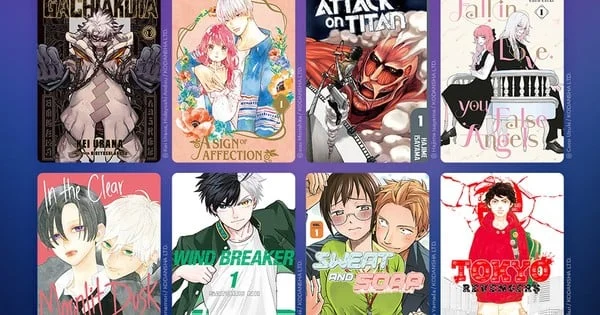
The integration of Japanese manga into Manta’s service represents a pivotal moment for the platform. Previously, Manta’s primary focus was on digital comics formatted for vertical scrolling, a format characteristic of webtoons. This expansion signals a recognition of the enduring popularity and global appeal of traditional manga, presented in its familiar panel-by-panel layout. The platform has introduced over 600 manga titles to its service, with initial offerings including highly anticipated series such as Wind Breaker, Medalist, and The Fragrant Flower Blooms With Dignity. This substantial influx of content suggests a robust acquisition strategy and a commitment to providing a rich and varied reading experience.
The announcement, made via email correspondence and a public statement on Manta’s X/Twitter account on April 8, 2026, highlighted the platform’s ambition to become a more comprehensive destination for digital comics enthusiasts. By embracing manga, Manta is directly competing with established digital manga distributors and potentially attracting a new demographic of readers who may be more familiar with the manga format. The precise geographical availability of these new manga titles has not been explicitly stated, and early user feedback indicates that some readers are currently unable to access the expanded library, suggesting a phased rollout or regional licensing considerations are still in effect.
Promotional Initiatives and Currency Adjustments
To commemorate this significant content expansion, Manta has launched a promotional campaign in collaboration with Kodansha, a leading Japanese publishing company. This partnership underscores the caliber of content Manta is bringing to its platform and leverages Kodansha’s extensive catalog and established fanbase. The promotion includes an incentive of 150 Gems for users to unlock manga volumes, alongside limited-time discounts of up to 94 percent on the first volume of select series. This offer extends to over 400 manga titles, providing a compelling reason for existing and new users to explore the newly added content.
In conjunction with the content diversification, Manta also implemented a significant adjustment to its in-app currency system. Effective March 31, 2026, the platform transitioned to a new Gem scale, wherein all Gem amounts were increased tenfold, while the overall value of the currency was maintained. For instance, a previous balance of 110 Gems was updated to 1,100 Gems, with content unlock prices adjusted proportionally. Manta’s stated rationale for this change is to facilitate the introduction of more flexible discount options across the platform, potentially enabling more nuanced promotional strategies and enhancing user engagement through perceived value. This adjustment in currency management is a common practice for digital platforms seeking to streamline their pricing models and offer more competitive promotions.
Context and Potential Market Impact
The digital comics market has seen exponential growth in recent years, driven by increasing internet penetration, the proliferation of smartphones, and a growing global appetite for diverse storytelling. Webtoons, with their origins in South Korea, have gained immense popularity due to their accessibility and unique vertical scrolling format, which is well-suited for mobile devices. However, traditional manga, originating from Japan, continues to hold a significant global market share. Manta’s decision to integrate manga suggests a strategic effort to capture a larger segment of this burgeoning digital comics market by offering a more inclusive and varied content portfolio.
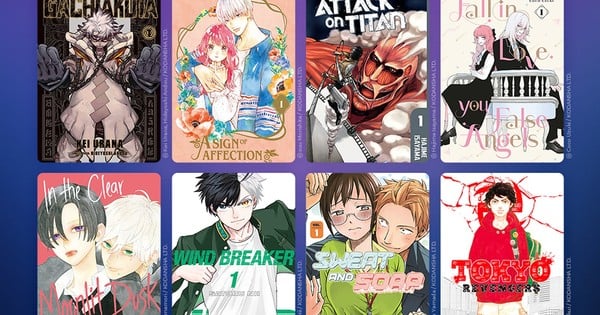
The collaboration with Kodansha is particularly noteworthy. Kodansha is a powerhouse in the manga industry, responsible for publishing some of the most iconic and best-selling manga series globally. Securing rights to a substantial portion of their catalog would be a considerable achievement for any digital platform. This partnership not only provides Manta with high-quality, in-demand content but also lends significant credibility to its new manga offering. It also suggests that Manta may have secured licensing agreements for a broad range of Kodansha titles, potentially including both established hits and newer releases.
The timeline of this announcement is also significant. With the digital comics landscape constantly evolving, platforms are under pressure to innovate and expand their offerings to retain and attract users. Manta’s move comes at a time when other digital reading platforms are also vying for market share. By diversifying into manga, Manta is aiming to differentiate itself and become a one-stop shop for various forms of digital comics.
User Reactions and Future Outlook
While the official announcement has been made, the initial user reception appears mixed, with some users reporting an inability to access the new manga content. This could be attributed to several factors, including regional licensing restrictions, technical glitches during the rollout, or a phased release strategy. Platforms often implement staggered rollouts to manage server load and address potential issues before a full global launch. The clarity regarding regional availability will be crucial for Manta’s success in different markets.
The long-term implications of Manta’s expansion into manga are substantial. If executed effectively, this strategy could significantly boost Manta’s user base and revenue. By catering to both webtoon and manga fans, the platform can appeal to a wider demographic and increase user engagement. The success of this venture will likely depend on several factors, including the breadth and depth of the manga catalog, the competitive pricing of content unlocks, the user experience of navigating both webtoons and manga within the app, and the ongoing success of promotional efforts.
The adjustment to the in-app currency system, while seemingly a technical update, could also play a role in user perception and spending habits. A tenfold increase in Gem amounts, if accompanied by a proportional increase in unlock prices, maintains the perceived value but can make larger purchases feel more substantial. This could encourage users to buy larger Gem packs, which often come with bonuses, thereby increasing overall spending. The stated aim of allowing for more flexible discount options suggests a proactive approach to user acquisition and retention through strategic pricing.
As Manta continues to integrate and promote its new manga offerings, the industry will be watching closely to see how this diversification impacts its market position and the broader digital comics landscape. The platform’s ability to secure ongoing licensing agreements, maintain a high-quality user experience, and effectively market its expanded catalog will be key determinants of its future success. The integration of manga represents a bold step for Manta, potentially solidifying its standing as a major player in the global digital comics arena.