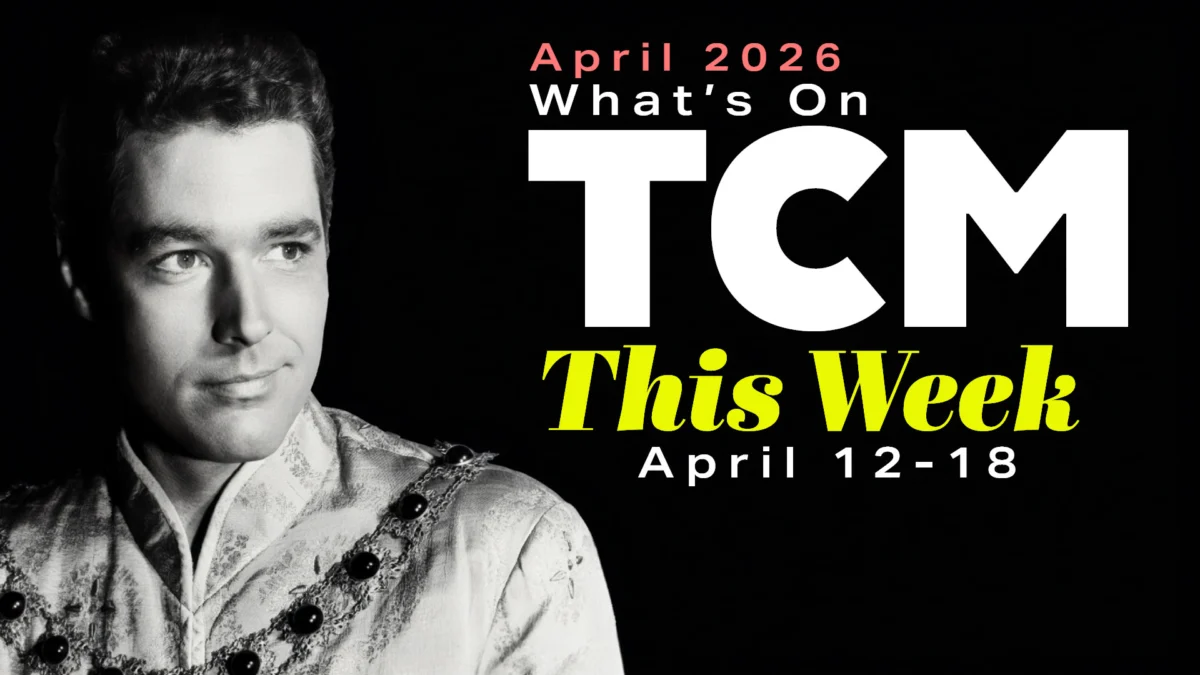
Turner Classic Movies (TCM) has officially unveiled its programming highlights for the second week of April, anchoring the schedule with a multi-film retrospective dedicated to Sophia Loren as the network’s designated Star of the Month. This curated selection of films, scheduled for broadcast on Monday night, marks a significant celebration of the Academy Award-winning actress’s international legacy and her enduring influence on the global cinematic landscape. Following the Loren retrospective, the network will pivot on Tuesday to honor the prolific career of June Lockhart, a screen icon whose work spans the Golden Age of Hollywood and the formative years of American television. The mid-week schedule shifts toward the fantastical, offering a chronological exploration of the Sinbad film cycle on Wednesday, April 13, highlighting the evolution of visual effects and the genre of high-adventure fantasy.
The Legacy of Sophia Loren: An International Iconography
As the Star of the Month, Sophia Loren represents a bridge between European neorealism and the glamour of the traditional Hollywood studio system. Monday’s four-film slate is designed to showcase the breadth of her dramatic range, moving beyond her status as a global beauty icon to emphasize her technical prowess as a character actor. Loren’s career is historically significant for breaking language barriers in the American film industry; in 1962, she became the first actor to win an Academy Award for a non-English language performance for her role in "Two Women" (La Ciociara).
The selection of films airing on Monday night includes works that define her collaborations with influential directors such as Vittorio De Sica and her frequent on-screen partnership with Marcello Mastroianni. Industry analysts note that Loren’s inclusion as Star of the Month aligns with TCM’s broader mission to contextualize international cinema for a domestic audience. Her filmography provides a lens through which viewers can examine post-war Italian society, the complexities of motherhood, and the art of comedic timing in the "Commedia all’italiana" style. Data from previous TCM "Star of the Month" blocks suggests that retrospectives featuring international stars often lead to increased viewership in the 35-to-54 demographic, reflecting a growing interest in global film history among mid-career cinephiles.
Commemorating June Lockhart: A Five-Film Salute to a Screen Pioneer
On Tuesday, TCM shifts its focus to June Lockhart, presenting a five-film salute that highlights her versatility prior to her widely recognized roles in television staples like "Lassie" and "Lost in Space." Lockhart, the daughter of actors Gene and Kathleen Lockhart, began her career in the 1930s and achieved critical acclaim on both the stage and the screen. The five-film tribute is structured to showcase her early dramatic work, which established her as a reliable and emotive presence in Hollywood.
Included in the salute are films that demonstrate her ability to hold her own alongside established leading men of the 1940s. While Lockhart is often associated with the maternal archetypes of 1960s television, this TCM tribute serves as a corrective to that limited perception, offering audiences a chance to see her work in prestige dramas and film noir. Her 1947 Tony Award for "For Love or Money" underscored her status as a serious dramatic force, and the films selected for this broadcast reflect that pedigree. Historical data on Lockhart’s career indicates a rare longevity in the industry, with her professional activity spanning nearly eight decades, a feat that TCM aims to honor through this concentrated programming block.
The Evolution of Visual Effects: The Sinbad Adventure Cycle
The programming for Wednesday, April 13, transitions from biographical tributes to genre-based curation. The network will air a series of classic fantasy adventures centered on the legendary figure of Sinbad the Sailor. These films are notable not only for their narrative themes of heroism and discovery but also for their technical contributions to the field of cinematography and special effects.
Central to this Wednesday block is the work of stop-motion pioneer Ray Harryhausen. The films, including "The 7th Voyage of Sinbad" (1958) and "The Golden Voyage of Sinbad" (1973), utilize Harryhausen’s "Dynamation" process. This technique, which integrated animated models with live-action footage, revolutionized the fantasy genre and paved the way for modern digital effects. Film historians point to these specific titles as essential viewing for understanding the lineage of the modern blockbuster. The inclusion of these films provides a technical timeline of how "vintage" special effects evolved to create increasingly complex creature designs and environmental interactions. For younger viewers and film students, this marathon offers a factual look at the labor-intensive craftsmanship that predated the CGI era.
TCM’s Programming Strategy and the Curation of Film History
The decision to pair high-profile star retrospectives with genre marathons reflects Turner Classic Movies’ sophisticated approach to cable programming. In an era dominated by on-demand streaming services, TCM maintains a competitive edge through professional curation and historical context provided by its hosts. The network’s strategy involves not just playing movies, but building "events" around specific themes or individuals to foster a sense of community among classic film enthusiasts.
Market research indicates that TCM’s audience values the educational aspect of the broadcasts. The "Star of the Month" feature, in particular, acts as a deep-dive educational tool, allowing viewers to see the progression of an actor’s craft over several decades. By scheduling Sophia Loren, June Lockhart, and the Sinbad cycle within the same week, TCM is targeting multiple segments of the classic film audience: those interested in international prestige, those focused on the history of American character actors, and those with a nostalgic or technical interest in mid-century genre filmmaking.
A Detailed Chronology of the April Programming Block
To provide a clear understanding of the week’s events, the following chronology outlines the primary broadcasts:
- Monday Night: The Sophia Loren retrospective commences. The lineup features four major motion pictures, likely including a mix of her Italian-language masterpieces and her English-language studio films. This block is intended to highlight her range from gritty realism to high-fashion romantic comedy.
- Tuesday Schedule: The June Lockhart five-film salute begins. The films are curated to show her development from a young ingénue in the early 1940s to a seasoned dramatic actress by the early 1950s.
- Wednesday, April 13: The fantasy marathon takes center stage. The schedule follows the chronological release and thematic progression of the Sinbad series, emphasizing the advancements in Ray Harryhausen’s animation techniques.
This structured approach allows viewers to engage with cinema as a chronological narrative of cultural and technological change. Each day represents a different facet of the industry’s history, from the star system and the evolution of the "leading lady" to the pioneering work of special effects technicians.
Analytical Perspective: The Role of Retrospectives in Film Preservation
The broadcast of these films serves a dual purpose: entertainment and preservation. While the primary goal of TCM is to reach its viewing audience, the act of scheduling these films on a major network helps ensure their continued relevance in the public consciousness. Many of the films featured in the Loren and Lockhart tributes have undergone digital restoration, and their broadcast on TCM often coincides with efforts to preserve the original film stocks.
From a sociological perspective, the Loren retrospective allows for an analysis of how international stars were marketed to American audiences during the Cold War era. Loren’s career was a product of a globalized film economy, and her films provide data points for how cultural exchange functioned in the mid-20th century. Similarly, the Sinbad marathon provides a factual record of the transition from the studio-bound spectacles of the 1940s to the location-heavy, effects-driven adventures of the late 1950s and beyond.
Broader Impact and Industry Implications
The programmed week on TCM highlights a broader trend in the media industry where "legacy content" is increasingly utilized to anchor linear television ratings. As cable networks face pressure from streaming platforms, the curation of high-quality, historically significant content becomes a primary differentiator. The Sophia Loren feature, in particular, leverages the "prestige" factor that classic cinema provides, attracting advertisers who wish to associate with high-culture programming.
Furthermore, tributes like the June Lockhart salute provide necessary recognition for actors who may not have been the primary focus of "A-list" marketing in their time but who provided the essential backbone of the industry. By highlighting Lockhart’s film work, TCM acknowledges the depth of the Hollywood talent pool and the importance of versatile performers who successfully navigated the transition between different mediums of entertainment.
In conclusion, the second week of April on Turner Classic Movies represents a comprehensive overview of cinematic excellence. From the international stardom of Sophia Loren to the enduring career of June Lockhart and the technical innovations of the Sinbad adventures, the schedule offers a data-rich environment for film historians and casual viewers alike. This programming not only celebrates individual achievements but also documents the broader evolution of the motion picture as both an art form and a technological marvel. Through these retrospectives, TCM continues to function as a vital archive, ensuring that the contributions of these icons and the craftsmanship of classic genre films remain accessible to contemporary audiences.