In a development that has sent ripples of both anticipation and apprehension through the vast fanbase of J.R.R. Tolkien’s Middle-earth, director Andy Serkis has officially confirmed that the iconic role of Aragorn, son of Arathorn, will be recast for the upcoming film The Lord of the Rings: The Hunt for Gollum. This decision marks a significant departure from the beloved portrayal that defined the character for a generation.
Serkis, speaking in an interview with Screen Rant, directly addressed the persistent rumors surrounding the casting. "I don’t know what’s out there at the moment, but I know there’s a lot of speculation, but let’s just say we are recasting the role and we are on the way to finding someone," he stated. While this confirmation brings clarity to the production’s direction, it simultaneously amplifies the sense of change for a story deeply rooted in continuity for many fans.
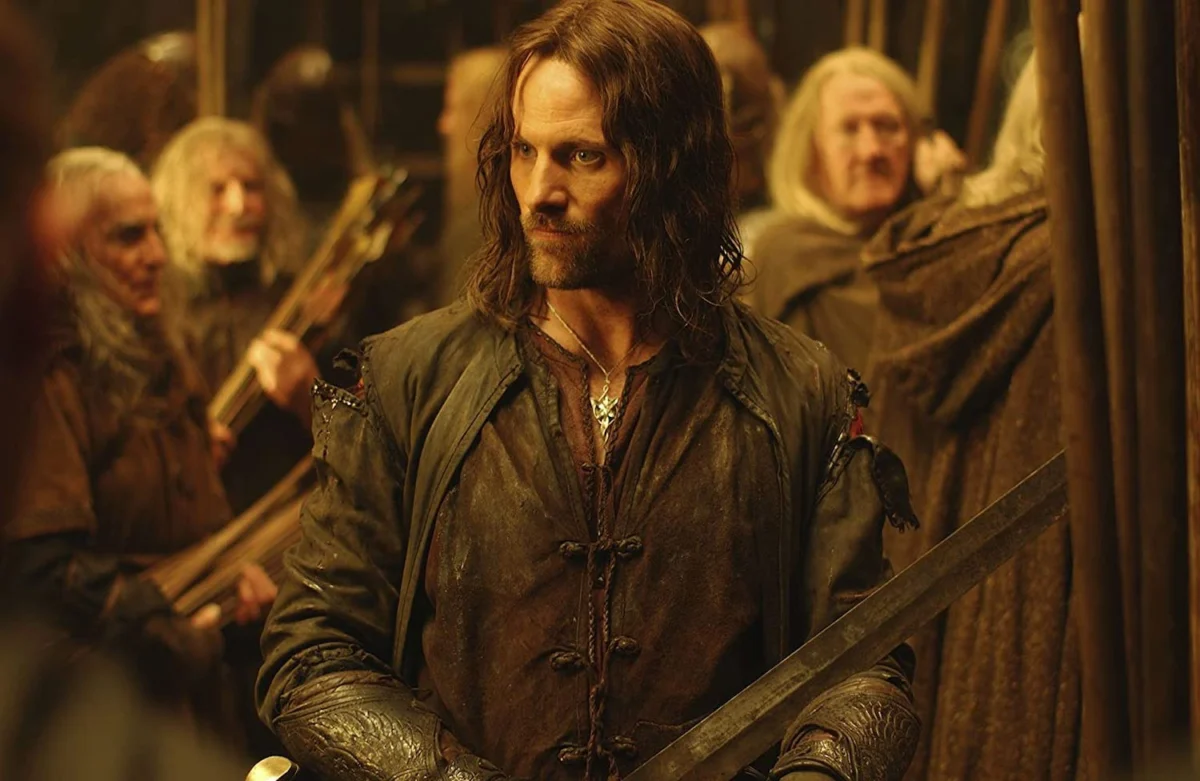
The original portrayal of Aragorn, known also as Elessar, the Elfstone, and Dúnadan, heir of Isildur and Elendil, son of Gondor, was brought to life with unforgettable gravitas by Viggo Mortensen in Peter Jackson’s original The Lord of the Rings trilogy. Mortensen’s casting was, by many accounts, a last-minute decision. He was not the initial choice, and his natural blonde hair was a stark contrast to the dark, rugged ranger envisioned by many. However, Mortensen immersed himself so completely in the character that his performance became intrinsically linked to Aragorn’s identity. The prospect of another actor stepping into those well-worn boots is, for many, a significant point of disappointment.
This disappointment is further compounded by the fact that other cherished actors from the original trilogy are set to return. Elijah Wood, who portrayed Frodo Baggins, and Sir Ian McKellen, who embodied the wise wizard Gandalf, are reprising their roles. Andy Serkis himself, renowned for his motion-capture performance as Gollum, will also be returning to the character he so masterfully created. The presence of these familiar faces, alongside the addition of acclaimed actress Kate Winslet in an undisclosed capacity, highlights the decision to recast Aragorn as a particularly notable shift.
Speculation regarding the identity of the new Aragorn has been rampant, fueled by subtle hints and public appearances. Recently, Elijah Wood, during an appearance on a podcast, did not deny suggestions that actor Leo Woodall, known for his role in Netflix’s One Day, might be in contention for the part. While Woodall’s current public image might evoke a more contemporary, perhaps less weathered, persona than that of a ranger of the North, the unpredictable nature of casting and transformative performances means such early impressions should be viewed with caution.
Navigating the Timeline: A Crucial Detail
A point of confusion has arisen regarding the precise timing of The Hunt for Gollum. Director Andy Serkis recently indicated that the film "takes place between The Hobbit and The Lord of the Rings." This statement has prompted a re-examination of the established lore, as many assumed the narrative would be situated within the early stages of The Fellowship of the Ring. The original trilogy’s narrative begins with the preparations for Bilbo Baggins’s eleventy-first birthday party, a pivotal moment that sets the stage for Frodo’s quest and the looming threat of Sauron.
Tolkien’s appendices, particularly Appendix B which serves as a timeline of the Third Age, offer a detailed chronology that sheds light on the events surrounding Gollum and Aragorn’s initial pursuit.
-
Year 3001 of the Third Age: This year marks Bilbo Baggins’s farewell feast. It is also the year Gandalf begins to suspect that Bilbo’s ring is indeed the One Ring. Security in the Shire is heightened, and Gandalf seeks information about Gollum, enlisting Aragorn’s aid in this burgeoning investigation.
-
Years 3001-3009: For several years following Bilbo’s departure, not much of immediate consequence regarding the hunt for Gollum is detailed. However, Tolkien’s timeline indicates that during this period, Gandalf and Aragorn intermittently renewed their hunt. Their search extended across vast regions, including the vales of Anduin, Mirkwood, and Rhovanion, venturing as far as the confines of Mordor.
-
Year 3017 of the Third Age: A significant development occurs when Gollum is released from Mordor. It is at this juncture that Aragorn, traversing the Dead Marshes, recaptures Gollum. He then brings the creature to Thranduil, the Elvenking of Mirkwood, presumably to glean further information about Sauron’s movements and the whereabouts of the One Ring.
-
Year 3018 of the Third Age: The year immediately following Gollum’s capture by Aragorn marks the departure of the Fellowship of the Ring.
Based on Tolkien’s own writings, the entirety of the "hunt for Gollum" as a significant narrative arc appears to occur off-screen during the initial chapters of The Fellowship of the Ring. This suggests that The Hunt for Gollum film may be adapting events that were previously alluded to rather than explicitly depicted. The discrepancy in Serkis’s statement could indicate either a minor misstatement regarding the exact placement within the timeline or, more intriguingly, a creative decision by the filmmakers to reinterpret or expand upon Tolkien’s timeline, potentially bridging narrative gaps or exploring these early stages of the hunt in greater detail than previously imagined. The film is slated for release on December 17, 2027, providing ample time for the narrative intricacies to be unveiled.
The Enduring Legacy of Aragorn
The character of Aragorn is one of the most central and transformative figures in Tolkien’s legendarium. Ascending from the humble guise of Strider, the Ranger of the North, to reclaim his birthright as King Elessar of Gondor, his journey embodies themes of destiny, sacrifice, and the enduring hope for a restored kingdom. His lineage traces back to the Númenórean kings and ultimately to Elros Tar-Minyatur, the first High King of Arnor and Gondor. This profound history imbues him with a unique perspective, bridging the world of Men with the ancient wisdom of the Elves, a heritage he carries with both burden and grace.
Viggo Mortensen’s performance captured this duality with remarkable skill. He conveyed the weariness of a man burdened by a king’s responsibilities yet estranged from his throne, and the quiet strength of a warrior dedicated to protecting the innocent. His portrayal was lauded for its authenticity and depth, making Aragorn a figure of both heroism and relatable humanity. The announcement of a recasting therefore invites considerable scrutiny from fans who have come to associate the character so closely with Mortensen’s interpretation.
Broader Implications for Middle-earth Cinema
The decision to recast Aragorn for The Hunt for Gollum has wider implications for the future of Middle-earth on screen. The success of Amazon Prime’s The Rings of Power series, which explores events in the Second Age, demonstrates a continued appetite for expanding the Tolkien universe. However, The Hunt for Gollum represents a direct continuation of the narrative established by Peter Jackson’s films, albeit with a focus on a specific, less explored period.
The casting of a new Aragorn will inevitably shape the perception of this era of Middle-earth. The choice of actor will need to resonate with the established tone and gravitas of the character while also bringing a fresh perspective. The success of the film will hinge not only on the performance of the new lead but also on how seamlessly the narrative integrates with the existing lore and the performances of returning actors. The film’s exploration of Aragorn’s early efforts to track Gollum, a period often overshadowed by the larger conflict, could offer valuable insights into the complex web of events that led to the War of the Ring.
Furthermore, the creative liberties taken with the timeline, if indeed that is the case, could signal a willingness by the filmmakers to interpret Tolkien’s work in new ways. While this can be a source of exciting new storytelling, it also carries the risk of alienating purists who hold the original texts in high regard. The balance between fidelity to the source material and cinematic innovation will be a critical factor in the film’s reception. As the production moves forward, all eyes will be on the casting announcements and the subsequent creative direction to see how this pivotal chapter in Aragorn’s story will unfold.