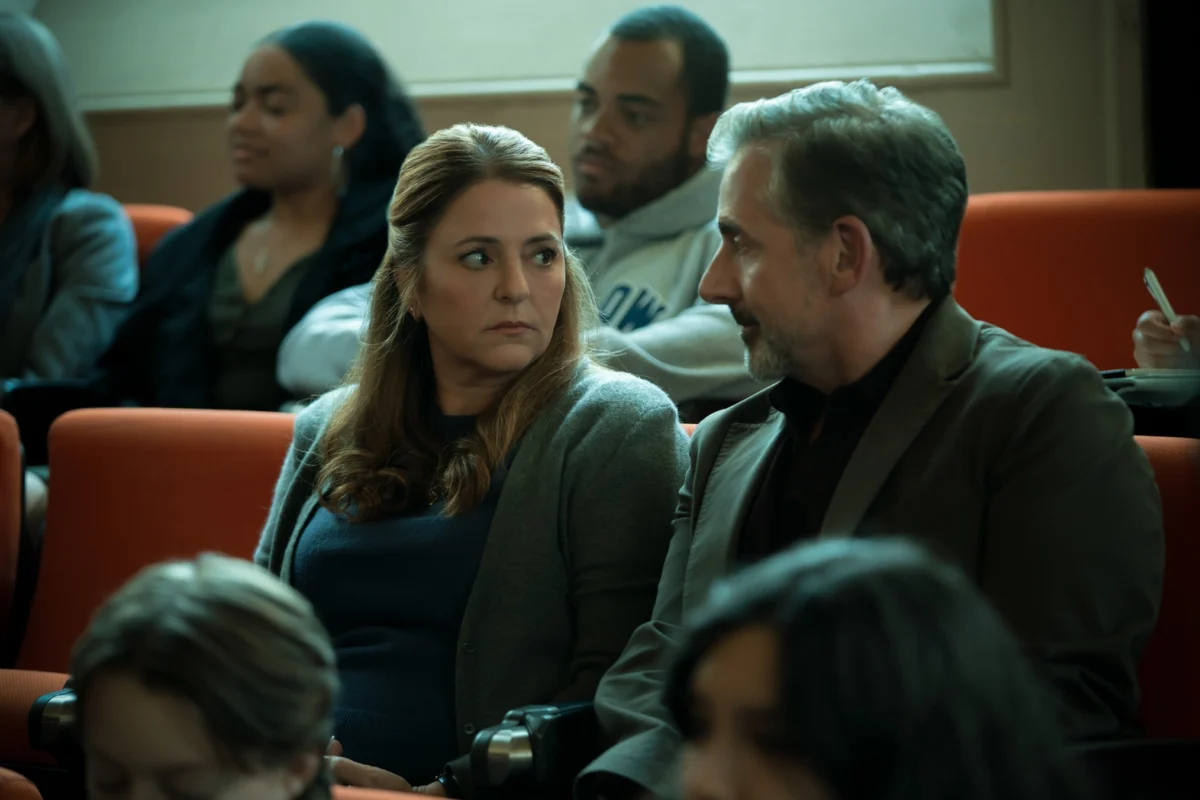
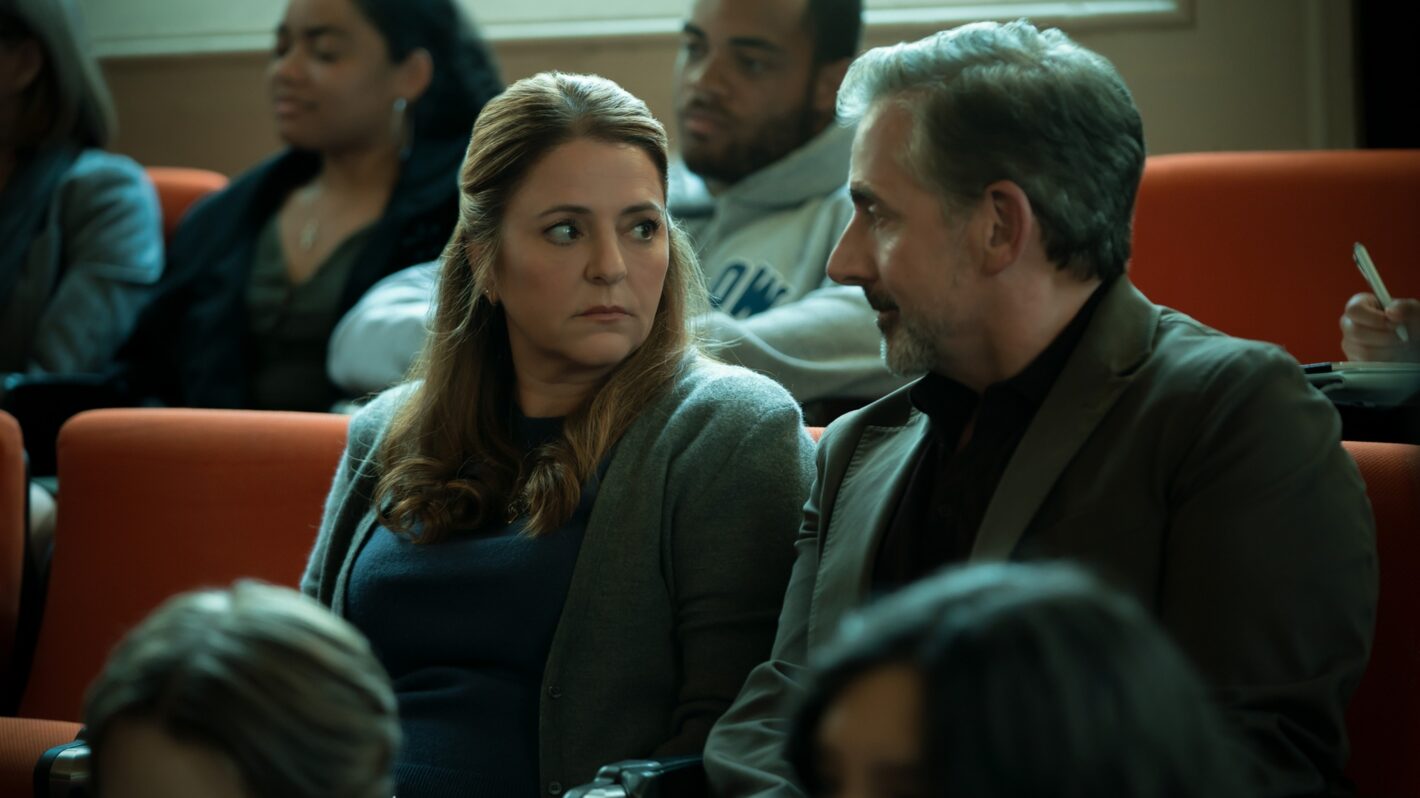
The first season of the HBO original series Rooster has reached a critical narrative juncture with the airing of its sixth episode, delivering a plot twist that fundamentally alters the trajectory of its primary characters. Centered on the evolving and often precarious life of Greg, portrayed by Steve Carell, the series has balanced dark comedy with poignant character studies. The most recent installment, however, shifted the stakes from personal romantic development to a complex web of interconnected relationships that promises to define the remainder of the season and the already-confirmed second outing. As Greg navigated a blossoming romance with Cristle, played by Annie Mumolo, the secretary at Ludlow, the narrative dropped a revelation that has left both the characters and the audience grappling with the implications of a shared, hidden history.
The Pivotal Revelation of Episode 6
The crux of the episode’s impact lies in its final moments, a scene characterized by a stark domesticity that belies the emotional weight of the discovery. Throughout the season, Greg has established two significant, yet seemingly separate, anchors in his life at Ludlow: his professional and personal rapport with his student, Tommy (Maximo Salas), and his romantic pursuit of Cristle. Tommy has functioned as Greg’s primary confidant within the school setting, providing a youthful perspective and a sense of grounding for the embattled educator. Simultaneously, Greg’s relationship with Cristle has served as his primary emotional outlet, despite the eccentricities and social awkwardness that define their interactions.
The convergence of these two worlds occurred in the glow of a refrigerator light during what was intended to be a routine conclusion to a date. As Greg sought whipped cream for a post-date activity, the domestic space revealed a truth that neither he nor the audience had fully anticipated: Tommy is Cristle’s son. The shock of the encounter was mutual, as Greg was confronted with the reality that his romantic partner is the mother of the student in whom he has invested significant emotional and mentorship energy. This revelation not only complicates Greg’s personal life but also introduces a potential ethical and social minefield within the Ludlow academic environment.
Character Dynamics and the Shakespearean Turn
Annie Mumolo, who brings a blend of manic energy and hidden vulnerability to the role of Cristle—recently revealed to be named Crystal—has described the unfolding drama as "Shakespearean." This descriptor suggests a transition from the show’s established situational comedy toward a more intricate exploration of betrayal, hidden identities, and the inevitable fallout of interconnected lives. The dramatic irony of the situation is profound: Greg has shared intimate details of his life with Tommy, unaware that those details could easily find their way back to his romantic interest, and vice versa.
In post-episode reflections, Mumolo noted that she was not initially aware of the mother-son connection when she first accepted the role or during the filming of the earliest episodes. The production team, led by creators Bill Lawrence and Matt Tarses, kept the script for Episode 6 under wraps to allow the actors to maintain a sense of genuine discovery. Mumolo’s performance prior to this reveal was focused on Cristle’s individual quirks and her perceived romantic narrative—one that she humorously likened to a historical romance novel. The realization that her character is a mother with a teenage son attending the school where she works adds a layer of maternal protection and domestic reality to a character previously defined by her workplace eccentricities.
Production Timeline and Development Context
The development of Rooster represents a significant collaboration between HBO and the creative team of Bill Lawrence and Matt Tarses. Lawrence, known for his work on Scrubs and Ted Lasso, has a long-standing reputation for blending high-concept comedy with deep emotional resonance. Rooster was conceived as a vehicle for Steve Carell’s return to a leading television role that allowed for both his comedic timing and his capacity for portraying "wounded" or "broken" characters.
The production of Season 1 followed a rigorous schedule throughout late 2023 and early 2024, with the writing team emphasizing a slow-burn approach to character reveals. The decision to place the Tommy-Cristle revelation in the sixth episode was a strategic move to ensure that the audience had sufficient time to become invested in the individual relationships before they were forcibly merged. This structural choice highlights the show’s commitment to narrative architecture over cheap shock value. Following the critical and viewership success of the initial episodes, HBO officially renewed Rooster for a second season, a move that signals the network’s confidence in the long-term viability of the series.
Supporting Data and Viewership Trends
While specific streaming numbers for HBO Max (now Max) are often guarded, industry analysts point to Rooster as a key performer in the Sunday night 10/9c slot. This time period has historically been a stronghold for HBO’s prestige dramedies, serving as a lead-out for high-profile dramas. The show’s ability to retain a significant percentage of its lead-in audience suggests that Carell’s star power, combined with the Lawrence-Tarses brand of storytelling, has successfully captured a demographic looking for sophisticated, character-driven comedy.
The Season 2 renewal, announced mid-way through the first season’s run, is a data point that underscores the show’s internal performance metrics. Networks typically wait for a full season’s data before committing to a second installment; however, the early renewal for Rooster suggests that the series met or exceeded its targets for subscriber retention and social media engagement. The "twist" in Episode 6 is expected to drive further conversation, potentially increasing the "water cooler" effect that is vital for premium cable success.
Official Responses and Creative Direction
The creative team has remained tight-lipped about the specific mechanical details of Season 2, but the themes of identity and honesty are expected to remain central. Bill Lawrence and Matt Tarses have hinted in various industry forums that the "Crystal" revelation—the fact that Mumolo’s character had been operating under a slight pseudonym or variation of her name—is indicative of the show’s broader interest in how people present themselves to the world versus who they are in private.
Mumolo herself has expressed interest in exploring the "layers" of Crystal’s character. In her discussion of the photocopy incident—a comedic highlight involving a photocopy of her "bosoms"—she highlighted the collaborative and often improvisational nature of the set. This flexibility has allowed the actors to find the humanity in situations that might otherwise seem absurd. The transition from "Cristle" to "Crystal" serves as a metaphor for the stripping away of workplace personas as the characters move into more intimate and complicated territory.
Broader Impact and Narrative Implications
The revelation of the familial link between Tommy and Crystal carries significant implications for the show’s internal logic. At Ludlow, Greg’s position as a teacher is now compromised by his proximity to a student’s mother. In an era where professional boundaries are under constant scrutiny, the "Shakespearean" drama Mumolo anticipates likely involves the tension between Greg’s professional obligations and his personal desires.
Furthermore, the impact on Tommy cannot be overstated. As a student who looked up to Greg, the discovery that his mentor is romantically involved with his mother creates a classic conflict of interest and a personal crisis of trust. This narrative turn allows the show to move beyond the "mid-life crisis" tropes often associated with male-led comedies and into a more nuanced exploration of family dynamics and the unintended consequences of seeking connection in a closed ecosystem like a small school community.
Conclusion and Future Outlook
As Rooster moves toward the conclusion of its first season, the fallout from Episode 6 will undoubtedly serve as the primary catalyst for the season finale. The show has successfully transitioned from a quirky workplace comedy into a complex drama about the intersections of public and private lives. With a second season already in the pipeline, the writers have the luxury of exploring the long-term consequences of Greg’s discovery rather than rushing toward a resolution.
The series stands as a testament to the enduring appeal of character-focused storytelling. By grounding its "biggest twist yet" in the simple, relatable setting of a kitchen at night, Rooster has demonstrated that the most effective drama often comes from the collision of two separate worlds. For Greg, Crystal, and Tommy, the path forward is fraught with "Shakespearean" potential, ensuring that the audience will remain engaged as the layers of these characters continue to be peeled back in the episodes and seasons to come.