Hours after the highly anticipated open-world, action role-playing, hack-and-slash video game NTE: Neverness to Everness officially launched on April 29, 2026, players began flooding online forums and social media platforms with reports of uncanny similarities between in-game environments and iconic locales from some of Japan’s most cherished anime and manga series. These discoveries have ignited a fervent discussion within the gaming and anime communities, raising questions about inspiration, homage, and potential copyright considerations.
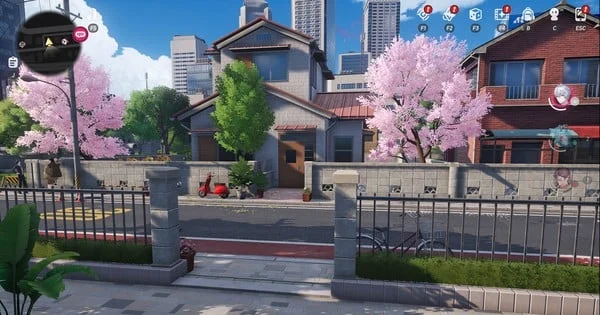
Initial reports, which quickly gained traction across gaming news outlets and fan communities, pointed to the presence of several instantly recognizable settings within NTE: Neverness to Everness. Most notably, players identified structures and open spaces that bore an almost identical resemblance to the central Nobi home and the frequently utilized open lot from the enduringly popular Doraemon franchise. Furthermore, the distinct architecture of the Nohara family home, a cornerstone of the long-running Crayon Shin-chan series, was also reportedly discovered. Beyond these domestic settings, players also pointed out locations that appeared to be inspired by the high-octane street racing environments of Initial D and key landmarks from the sprawling Fate franchise, including a notable bridge design reminiscent of those found in the Fate/stay night series.
A Flood of Familiar Landscapes
The phenomenon began to unfold rapidly following the game’s release. Players, eager to explore the vast world of NTE: Neverness to Everness, found themselves encountering these strikingly familiar vistas. Images and video clips showcasing these in-game locations began circulating widely, prompting immediate recognition and excitement from fans who had grown up with these beloved characters and their worlds.
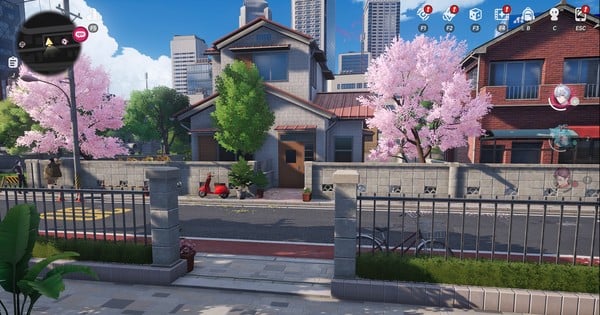
A report published by Inside Games on Friday, May 1st, 2026, meticulously identified four specific spots within NTE: Neverness to Everness that appeared to be directly based on iconic real-world and fictional locations. These included:
- A Fuyuki Bridge Lookalike: This location from the Fate franchise, a recurring setting for pivotal battles and plot points, was noted for its architectural similarities.
- A Camp Site Logo: A logo present in the game was described as being highly reminiscent of the branding associated with the popular anime and manga series Laid-Back Camp, known for its serene depictions of outdoor activities.
- An "Exit 0" Spoof: This appeared to be a clear nod to the viral breakout video game Exit 8, which gained significant attention for its exploration of a seemingly mundane, yet subtly unsettling, shopping mall environment.
- Iconic Initial D Landmarks: Perhaps most prominently, players reported finding exact replicas of the Fujiwara Tofu shop and the legendary Toyota Sprinter Trueno (AE86) driven by Takumi Fujiwara in Initial D. These elements are central to the identity of the racing series.
The presence of these distinct homages has led to considerable speculation regarding the development process of NTE: Neverness to Everness. The game, developed by Hotta Studio and published by Perfect World, is an ambitious open-world title aiming to blend various gameplay mechanics. The inclusion of such specific and recognizable elements from established intellectual properties has naturally drawn attention.
Online Reactions and Generative AI Speculation
Japanese news aggregate site Hachima Kikō played a significant role in amplifying these discoveries, reposting numerous online reactions from players on Friday. The platform also highlighted reports suggesting the potential use of generative artificial intelligence (AI) within the development of NTE: Neverness to Everness.
One particularly noteworthy instance of this speculation centers around an in-game fictional film poster for "Summer Clear Sky" (Natsubi no Aosora). This poster is reportedly based on Makoto Shinkai’s acclaimed 2019 film, Weathering With You. The visual similarities, if confirmed, would point towards a sophisticated use of AI in generating or referencing existing artistic styles.
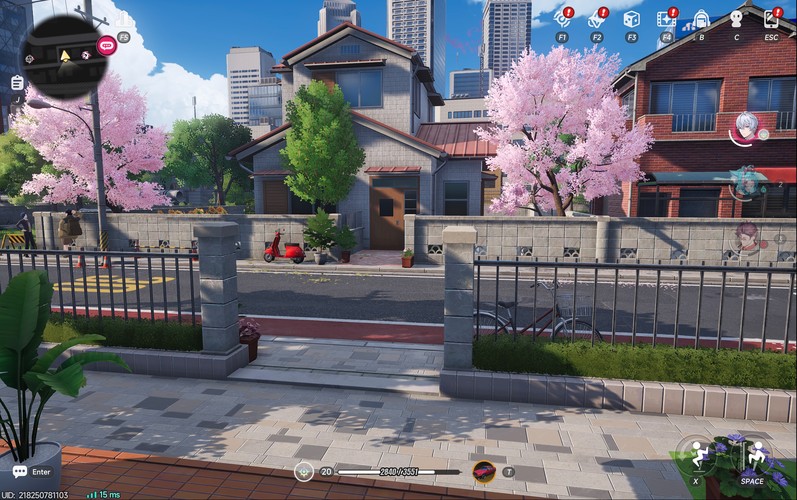
Anime News Network (ANN) has confirmed the existence of several of the lookalike locations within NTE: Neverness to Everness, corroborating the widespread player reports. However, ANN has stated that they have not yet been able to independently verify the "Summer Clear Sky" poster.
Further complicating the narrative, an Instagram user reportedly posted a video showcasing a trailer for this in-game "film." However, when ANN attempted to locate this specific content within the game, they instead found what appeared to be a spoof of the Kamen Rider franchise. This discrepancy suggests that in-game content may be dynamic, subject to updates, or that different players are encountering varied elements.
The visual evidence, including multiple screenshots and user-generated content, strongly supports the initial claims. The fidelity of these recreations suggests a deliberate design choice, rather than mere coincidence. For instance, the Nobi home lookalike in NTE captures the distinctive architectural style and color palette of the beloved blue and white house from Doraemon. Similarly, the open lot features the characteristic layout and surrounding environment that fans will instantly recognize. The Nohara home from Crayon Shin-chan also exhibits the recognizable roofline and facade.
Developer and Publisher Silence
As of the publication of this report, neither Hotta Studio nor Perfect World have issued an official statement addressing the presence of these familiar locations within NTE: Neverness to Everness. The lack of immediate comment has only fueled further discussion and analysis among fans and industry observers.
The inclusion of such prominent references could be interpreted in several ways. It may be an intentional marketing strategy, leveraging the existing popularity of these anime and manga series to attract a broader audience. Alternatively, it could represent a creative homage by the development team, expressing their appreciation for these influential works. However, the striking resemblance to actual copyrighted material also raises questions about potential intellectual property infringement.
Implications and Future Considerations
The widespread discovery of these lookalike locations carries several potential implications for the gaming industry and the relationship between different media forms.
Fan Engagement and Community Building: The immediate and enthusiastic reaction from players highlights the power of shared cultural touchstones. These recognizable elements can foster a sense of community and shared experience among players, deepening their connection to the game. Fans of Doraemon, Crayon Shin-chan, Initial D, and the Fate franchise are likely to feel a sense of nostalgia and delight in encountering these familiar elements within a new gaming universe.
Intellectual Property and Licensing: The most significant implication revolves around intellectual property rights. If these locations are indeed direct reproductions or significantly inspired by copyrighted works, it could lead to legal challenges from the rights holders of the respective anime and manga series. Developers typically engage in licensing agreements to use such recognizable elements, which involve financial compensation and adherence to specific usage guidelines. The absence of any announced licensing deals suggests a more complex situation.
The Role of AI in Game Development: The speculation surrounding generative AI use, particularly in relation to the Weathering With You poster, points to a growing trend in game development. AI tools can expedite the creation of assets and environments, but their use in replicating existing artistic styles or specific imagery raises new ethical and legal questions. The accuracy and efficiency with which AI can generate content that closely mirrors established works could redefine the boundaries of creative inspiration and originality.
Developer Intent and Homage vs. Infringement: The line between a respectful homage and copyright infringement can be fine. Developers often embed subtle nods to their inspirations within their work. However, the level of detail and similarity reported in NTE: Neverness to Everness suggests a more direct approach. Without an official statement from the developers, discerning their precise intent remains challenging.
Impact on Future Game Development: This situation could set a precedent for how developers approach the integration of recognizable cultural elements into their games. It may lead to increased scrutiny of in-game assets and a greater emphasis on clear licensing agreements. Conversely, if developers perceive no significant repercussions, it could encourage more instances of borrowing heavily from existing popular culture.
The ongoing discussion surrounding these familiar locations in NTE: Neverness to Everness is likely to continue as players delve deeper into the game and as developers eventually address the mounting inquiries. The intersection of gaming, anime, and intellectual property law has rarely been more evident, and the outcome of this situation could have lasting effects on how creative works are acknowledged and integrated across different media platforms. The community eagerly awaits further developments and official clarification from Hotta Studio and Perfect World.