The highly anticipated anime adaptation of Yuki Suenaga and Takamasa Moue’s critically acclaimed manga, Akane-banashi, has made a powerful debut with its first two episodes, earning widespread acclaim from fans and critics alike. The series, which centers on the aspiring rakugo performer Akane and her quest to ascend the ranks of this traditional Japanese storytelling art form, has been lauded for its meticulous animation, stellar voice acting, and profound understanding of the source material’s unique blend of historical depth and emotional resonance.
The initial reception to the anime has been overwhelmingly positive, with community scores reflecting strong audience approval. Episode 1 garnered a commendable 4.4 out of 5, followed closely by Episode 2 with a 4.3. These scores, collected from a dedicated fanbase, indicate that the adaptation has successfully captured the spirit and nuances that have made the Akane-banashi manga a standout success within the pages of Weekly Shonen Jump.
A Harmonious Blend of Tradition and Modern Animation
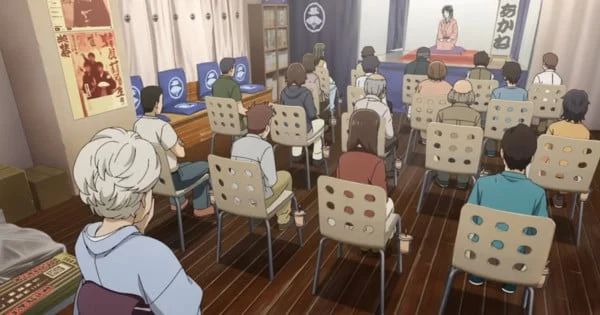
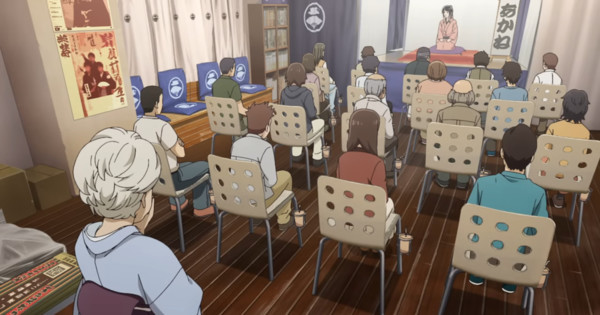
The animation studio ZEXCS has been credited with skillfully translating the intricate world of rakugo to the animated screen. Reviewers highlight the studio’s ability to imbue the performances with a tangible sense of presence, capturing both the historical gravitas of the classic tales and the dynamic energy of live performance art. The visual direction, encompassing animation styles, color palettes, artistic choices, and musical cues, is noted for its sophisticated interplay, effectively transporting viewers across shifting time periods and locations. This immersive quality allows audiences to experience the performances not just as passive observers, but as active participants, feeling the immediacy and emotional impact of each story.
"The animation team at ZEXCS truly understands what Akane-banashi is about," states a recent analysis of the premiere episodes. "It’s about rakugo—bringing to life these classic tales and imbuing them with a sense of physical presence as performance art and rich history in vivid recreation. The animation styles, visual palettes, artistic license, and musical cues all dance around one another to imply the ever-shifting time and place of these performances. Just like the audience in the show, we have to believe that we are both seated and listening to a performer, yet simultaneously transported to another place and time." This sentiment underscores the successful execution of a complex narrative and performance-based medium.
Meticulous Detail and Humanistic Portrayal
A significant aspect of the anime’s success lies in its meticulous attention to detail. The animation showcases a remarkable level of care in depicting character expressions, subtle hand movements, and the finer points of human interaction. These seemingly minor elements are crucial in conveying the internal states of the performers, providing viewers with an intimate understanding of their motivations, anxieties, and triumphs. This approach mirrors the narrative depth of the manga, where the unspoken cues and micro-expressions of the characters are as vital to the storytelling as the dialogue itself.
The article emphasizes this point: "The animation is very meticulous without being overbearing. There’s a lot of detail in the clothing, minute hand movements, expressions, and all the finer points of human expression. It’s really critical that these are done with such care, because they are how we understand our performers, as much as, if not more than, their actual performances." This careful rendering of character physicality allows for a more profound emotional connection, drawing parallels to the strategic and psychological depth of games like poker, where reading the players is paramount.
A Stellar Voice Cast Elevates Performances
The voice cast has been a critical component in bringing the characters and their rakugo performances to life. The actors are commended for their ability to embody not only their individual roles but also the characters within the rakugo stories they perform. This dual challenge—acting as a character and acting as someone performing—requires a nuanced approach, which the cast has reportedly met with exceptional skill. Their performances are described as being capable of conveying the full spectrum of human emotion, from quiet, introspective moments to grand, theatrical displays, allowing listeners to visualize the unfolding narratives even with their eyes closed.
"The voice cast is phenomenal," the review continues. "The casting brings everyone to life and demands an extra level of performance from each cast member. They have to not only portray one role, but many as they take on the task of bringing these rakugo stories to life. They have to not only act, but act like someone acting, which is always a challenge. I’m glad to say that the cast manages this feat and then some, fully finding the characters’ voices in everything from quiet, mundane human moments to bombastic performances on stage." This high praise suggests that the auditory experience of the anime is as rich and engaging as its visual counterpart.
Background and Context of Akane-banashi
Akane-banashi made its debut in Weekly Shonen Jump in February 2021, quickly garnering attention for its unique subject matter and compelling narrative. The manga follows the journey of Akane, a young woman who becomes a rakugo apprentice in pursuit of her father’s legacy after his unexpected death. Rakugo, a form of traditional Japanese comedic monologue, is an art form with centuries of history, demanding immense skill in storytelling, character portrayal, and vocal modulation. The manga’s success lies in its ability to make this niche art form accessible and exciting for a modern audience, highlighting its dramatic potential and the intense dedication required of its practitioners.
The adaptation by ZEXCS comes at a time when there is a growing international interest in traditional Japanese arts and cultural practices, amplified by the reach of anime. The series offers a valuable cultural export, providing viewers with an engaging entry point into the world of rakugo. The creators, Yuki Suenaga and Takamasa Moue, have consistently emphasized the importance of respecting and accurately portraying the art of rakugo, and the anime’s reception suggests that this commitment has been successfully translated to the animated medium.
Timeline of Development and Release
The journey from manga serialization to anime adaptation is often a lengthy process, involving meticulous planning and production. While specific dates for the anime’s greenlighting and production timeline are not publicly detailed in the provided text, the release of the first two episodes marks the culmination of significant effort by the creative teams involved.
- February 2021: Akane-banashi manga begins serialization in Weekly Shonen Jump.
- Early 2023 (inferred): Announcement of Akane-banashi anime adaptation.
- April 2024 (inferred): Premiere of Akane-banashi anime, with Episodes 1 and 2 released.
The swiftness of the adaptation, from its manga debut to its animated premiere, suggests a strong belief in the property’s potential and a dedicated push from its publishers and production partners.
Broader Impact and Implications
The successful launch of the Akane-banashi anime has significant implications for both the manga’s legacy and the broader anime industry. For the manga, the anime adaptation serves as a powerful promotional tool, introducing the story and its characters to a global audience that may not have previously encountered the source material. This often leads to a surge in manga sales and a deeper engagement with the narrative.
Furthermore, the anime’s focus on rakugo has the potential to demystify and popularize a traditional art form. By showcasing the dedication, skill, and dramatic potential inherent in rakugo performances, the series can inspire new interest in the art form itself. This cultural outreach is a valuable contribution to the global appreciation of Japanese heritage.
The positive reception also reinforces the trend of successful adaptations of manga properties from Shonen Jump, one of the most influential manga magazines in the world. Akane-banashi has been described as "the best-kept secret in Shonen Jump for years," and its anime premiere is poised to rectify that, bringing a highly deserving series into the mainstream spotlight. The article’s concluding remark, "and if you’re missing out on the anime too, you’re really doing yourself a disservice," highlights the perceived quality and essential viewing status of the adaptation.
The anime is currently available for streaming on YouTube, making it accessible to a wide international audience. This distribution strategy further amplifies its reach and potential impact. The continued success of Akane-banashi in animated form will likely solidify its position as a significant cultural and artistic contribution, bridging the gap between traditional Japanese arts and contemporary global entertainment. The high community scores for the initial episodes are a strong indicator that the anime is on track to meet, and perhaps even exceed, the high expectations set by its beloved manga counterpart. The creative synergy between the manga’s originators and the ZEXCS animation team appears to be a winning formula, promising an engaging and enriching viewing experience for audiences worldwide.