The landscape of prestige television continues to lean heavily into the auditory medium of serialized podcasts, with the latest high-profile project being the transition of The Black Tapes from an audio-only narrative to a visual series. According to reports originating from industry analyst Daniel Richtman, actor Nikolaj Coster-Waldau, best known for his iconic role as Jaime Lannister in HBO’s Game of Thrones and his evocative performance in the supernatural thriller Mama, is attached to star in the upcoming MGM+ adaptation. While official confirmation from the studio remains pending, the involvement of a talent of Coster-Waldau’s caliber suggests a significant commitment from MGM+ to elevate the project within the competitive streaming horror market.
A Legacy of Atmospheric Dread
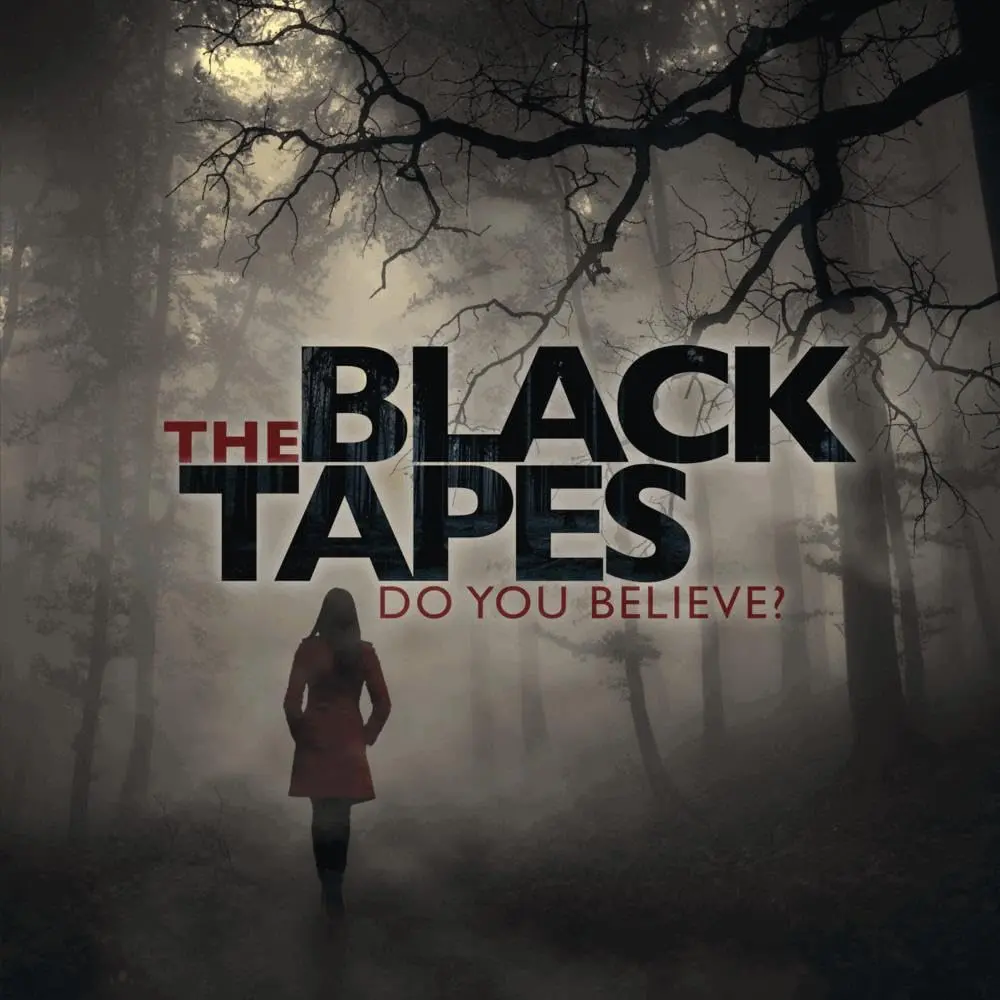
The Black Tapes, originally created by Paul Bae and Terry Miles, carved out a unique space in the digital landscape upon its debut. The podcast is a docudrama that utilizes the “found footage” format, presenting the story of journalist Alex Reagan as she delves into the mysterious, often impenetrable archives of Dr. Richard Strand. Strand, a paranormal researcher, defines himself by his staunch skepticism, dedicating his professional life to debunking claims of the supernatural. However, the narrative tension arises from a series of cases labeled “The Black Tapes”—paranormal occurrences that defy his rationalist worldview.
As Reagan interviews Strand, the series evolves from a professional exploration of the unexplained into a sprawling, conspiracy-laden journey into the occult. Its success was rooted in its ability to sustain a long-form mystery that blended investigative journalism tropes with genuine, slow-burn horror. Since its conclusion, the podcast has maintained a devoted following, making it a prime candidate for a visual reboot that can capitalize on the inherent cinematic potential of its source material.

A Long Road to Development
The transition from a podcast format to a television series has been a protracted endeavor for the creators of The Black Tapes. The intellectual property has spent years in various stages of development hell, a common fate for high-concept audio dramas seeking a broadcast or streaming home.
In 2018, the project made headlines when it was announced that an adaptation was being developed for NBC. At that time, the production team brought on Matthew Arnold, the co-creator of the dark fantasy series Emerald City, to shepherd the project to the screen. Despite the initial enthusiasm and the prestige of a network television development deal, the project ultimately stalled. The challenges in adapting a podcast—which relies heavily on the listener’s imagination and intimate audio design—into a visual medium are substantial. Translating the atmospheric, character-driven pace of audio into the visual grammar required for television requires a delicate balance of pacing and aesthetic tone, which may have contributed to the initial delays.
The current move to MGM+ suggests a change in strategy. By positioning the series on a platform that specializes in genre-focused content, the producers may have found a home that better aligns with the darker, more niche sensibilities of the original podcast. Whether any creative personnel from the 2018 iteration remain attached is currently unknown, but the shift in platforms marks a new chapter for the franchise.
The Rise of Podcast-to-Screen Adaptations
The movement to adapt The Black Tapes is part of a broader industry trend where production companies mine the top-tier podcast charts for proven intellectual property. The success of series like Amazon’s Homecoming and HBO’s The Undoing (which, while not a direct podcast adaptation, utilized similar serialized storytelling structures) has demonstrated that audiences are hungry for narratives that have already been vetted by a built-in fanbase.

Data from the media industry indicates that audio dramas have become a low-risk, high-reward testing ground for character arcs and world-building. For a streaming service like MGM+, which is currently looking to establish a distinct brand identity in an oversaturated market, a project with an established, loyal audience provides an immediate demographic advantage. The Black Tapes, with its cult following, fits the criteria for "pre-sold" content that reduces the uncertainty often associated with developing original scripts from scratch.
Implications for Coster-Waldau’s Career
For Nikolaj Coster-Waldau, this project represents a return to the genre that helped launch his international career. Having balanced high-fantasy epics with smaller, character-driven horror films like Mama, Coster-Waldau has demonstrated an ability to anchor supernatural narratives with grounded, emotionally resonant performances.
His potential casting in The Black Tapes raises the question of whether he will inhabit the role of the skeptic, Dr. Richard Strand, or perhaps a new character created specifically for the television adaptation. If he is to play the lead researcher, the role will require him to portray a man of science who is slowly unraveled by the encroaching darkness of his own files—a performance that would require the same level of gravitas he brought to his tenure in Westeros.
Narrative Challenges and Structural Expectations
Adapting The Black Tapes for television necessitates a departure from the first-person, interview-style narration that dominated the podcast. In the visual version, the audience expects to see the horrors that were previously only hinted at through sound design. This shift poses a challenge: keeping the mystery intact while fulfilling the visual expectations of modern horror audiences.

The production team will likely need to expand on the lore created by Bae and Miles, potentially exploring the history of the "Black Tapes" in ways that the podcast could only touch upon through dialogue. Industry analysts suggest that if the project follows the trajectory of other successful genre adaptations, it will lean into high-concept visuals and a serialized format that encourages binge-watching—a structure that aligns well with the ongoing "investigative mystery" trend in television.
Looking Toward the Future
As the industry waits for an official announcement from MGM+ regarding the cast, production start dates, and showrunners, the speculative buzz surrounding The Black Tapes remains high. The project serves as a test case for how well a highly specific, audio-centric brand can translate to the screen in an era where audience attention is divided across multiple platforms.
If the production succeeds, it could set a new benchmark for how supernatural podcasts are adapted, moving away from simple transcriptions and toward deeper, more imaginative visual interpretations. For fans of the original podcast, the news of Coster-Waldau’s involvement is a positive sign that the project is being treated with the necessary seriousness.
While the industry often sees projects move through multiple development phases before seeing the light of day, the specific involvement of a major star and a dedicated streaming platform suggests that The Black Tapes may finally be ready to transition from the ear to the eye. For now, the audience must wait for further details, but the combination of a cult-favorite story and a seasoned actor provides a promising foundation for what could become one of the most anticipated horror series of the coming years. The industry will continue to monitor the development, as any further updates will likely clarify the scope of the production and the creative vision driving this long-awaited adaptation.