With the entirety of the Saw franchise, encompassing all ten films including the spin-off Spiral and the recent installment Saw X, now readily accessible on Netflix, audiences are presented with an unparalleled opportunity to engage with one of horror cinema’s most debated and impactful series. Since its inception in 2004, Saw was swiftly categorized within the "torture porn" subgenre, a label that emerged in the post-9/11 era, often used to describe films characterized by confinement, graphic violence, and intense human suffering. However, a contemporary re-examination of James Wan and Leigh Whannell’s seminal work reveals a franchise that transcends simplistic gore, exhibiting a far greater kinship with the meticulously crafted psychological thrillers of the 1980s and 1990s, such as Manhunter, David Fincher’s Se7en, and Kiss the Girls. Two decades on, the undeniable truth is that Saw fundamentally reshaped the landscape of the horror genre, introducing a potent blend of intricate plotting, moral ambiguity, and a chillingly relatable sense of dread.
The Genesis of a Phenomenon
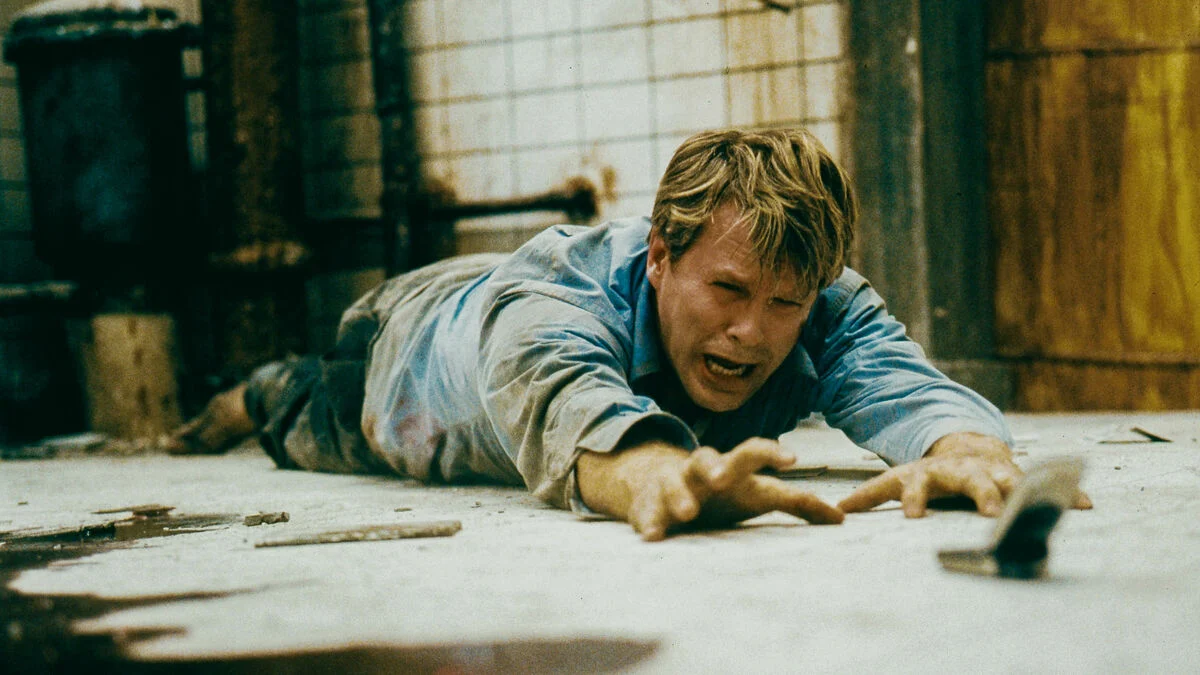
The foundational narrative of the original Saw film, released on October 29, 2004, presented a stark and unsettling premise. Two strangers, Adam (Leigh Whannell), a freelance photographer, and Dr. Lawrence Gordon (Cary Elwes), an oncologist, awaken to find themselves chained to pipes in a dilapidated, abandoned bathroom. Between them lies a corpse clutching a revolver and a tape recorder, serving as the initial clue to their predicament. They soon learn they are victims of the enigmatic Jigsaw Killer, a figure whose modus operandi involves subjecting his captives to elaborate, often deadly "games" designed to test their will to survive and their appreciation for life. The chilling revelation that only one of them is intended to escape sets the stage for a descent into primal fear and moral compromise.

The film’s immediate impact was palpable. Its distinct visual style, characterized by a gritty, desaturated aesthetic and a frenetic editing pace, coupled with its unconventional narrative structure and a shocking, twist-laden conclusion, immediately set it apart from contemporary horror offerings. The marketing campaign, featuring provocative imagery such as a disembodied foot and hand, hinted at a level of visceral horror that, while present, was often overshadowed by the film’s psychological tension. This deliberate ambiguity, where the audience’s imagination was frequently left to fill in the most gruesome details, became a hallmark of the series and a key factor in its widespread appeal and controversy.
Beyond the Gore: Psychological Terror and Moral Quandaries
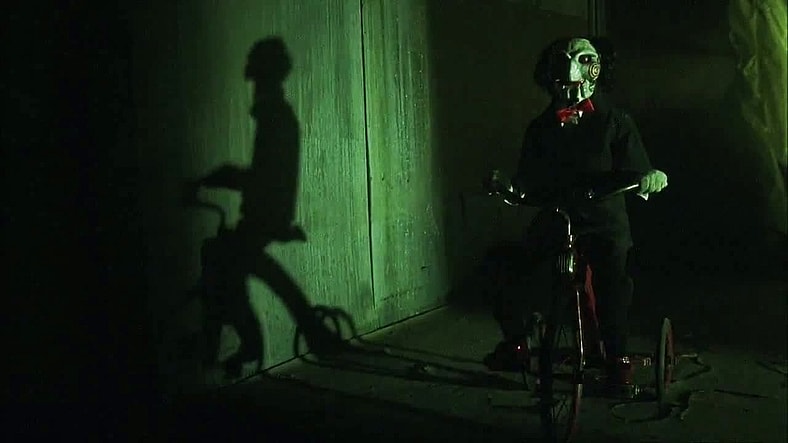
Despite its enduring association with extreme violence, the original Saw film, and indeed much of the franchise, relies more on suggestion and psychological torment than on gratuitous bloodshed. The infamous traps, from the razor wire maze to the iconic reverse bear trap, are often constructed from rudimentary materials, their effectiveness stemming from the profound psychological pressure they exert on the victims and, by extension, the audience. This approach forces viewers into an active role, compelling them to contemplate their own reactions and decision-making processes in such extreme circumstances.
This interactive element distinguishes Saw from the more passive viewing experiences offered by the campier slashers or glossy teen horror films of the preceding decade. The series eschews easily identifiable heroes and villains, instead populating its narratives with deeply flawed individuals whose past transgressions have led them to Jigsaw’s attention. The moral ambiguity inherent in these characters’ situations, where survival often necessitates difficult ethical choices, fosters a disquieting engagement that transcends simple jump scares. The franchise’s success in presenting complex, interwoven storylines that build upon each other, culminating in progressively elaborate and interconnected narratives, has also been a significant factor in its longevity and influence.

The Evolving Landscape of Horror Cinema
The release of Saw in 2004 coincided with a cultural moment marked by widespread anxiety and a heightened awareness of global conflicts and human rights abuses. The grainy, often disturbing images emanating from events like the Abu Ghraib prisoner abuse scandal undoubtedly contributed to a societal unease that Saw, perhaps inadvertently, tapped into. The franchise’s escalating grimness and visceral nature, mirrored in subsequent films like Eli Roth’s Hostel series, which further cemented the "torture porn" label, reflected a broader societal fascination with the darker aspects of human experience.
However, the franchise’s impact extends beyond its immediate thematic resonance. Saw pioneered a form of serialized storytelling that has become increasingly prevalent in popular entertainment. The intricate, multi-layered narratives that necessitate viewing previous installments to fully comprehend subsequent ones can be seen as a precursor to the serialized structures now common in superhero universes and other major horror franchises, such as Wan’s own The Conjuring series and the Paranormal Activity films.
The Birth of Escape Room Horror
One of the most significant and lasting legacies of Saw is its role in popularizing the "escape room horror" subgenre. The original film’s constrained setting, largely confined to a single location, was a pragmatic choice driven by its modest $1.2 million budget. Yet, this limitation proved to be a powerful creative asset, fostering an atmosphere of relentless tension and claustrophobia. This stripped-down, single-location approach, where characters must solve puzzles and overcome obstacles to survive, has been emulated in numerous films, including Devil, Don’t Breathe, and the Spanish film Platform. The ingenuity with which Wan and Whannell utilized their limited resources to craft such a compelling and terrifying experience laid the groundwork for a new wave of suspense-driven horror.
A Legacy of Influence
Two decades and nine subsequent films later, the disruptive power of the original Saw cannot be overstated. It injected a fresh, visceral, and intellectually engaging element into the horror genre, challenging audience expectations and sparking widespread debate. Its influence can be traced through the proliferation of escape room narratives, the widespread adoption of serialized storytelling in blockbuster franchises, and the very architecture of cinematic horror universes that James Wan himself would later help to pioneer. While Dead Silence, released in 2007, stands as another notable early work from Wan following Saw, it is the intricate, puzzle-box nature of the Saw franchise that truly set a new standard.
Whether one is a devoted fan or a critical observer, the Saw franchise has undeniably carved out a significant place in horror cinema history, proving itself to be as influential as Scream was in its time. The opportunity to stream all ten installments on Netflix provides a timely invitation to revisit this seminal series and appreciate its complex legacy and enduring impact on the genre.