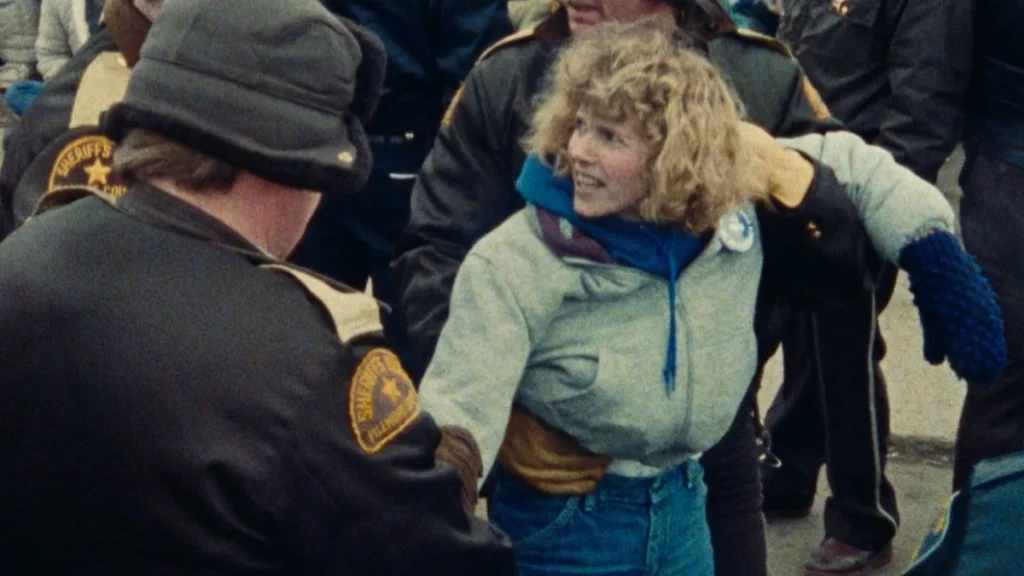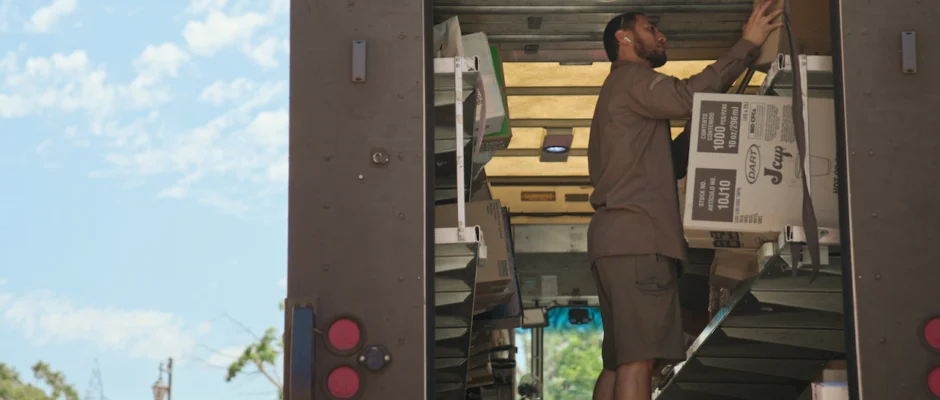
Yael Bridge’s latest documentary, Who Moves America, delves into the high-stakes 2023 contract negotiations between the United Parcel Service (UPS) and the International Brotherhood of Teamsters, the nation’s largest private-sector bargaining unit. With 340,000 members, the Teamsters’ struggle for improved working conditions at UPS became a pivotal moment in contemporary American labor history, threatening to halt a significant portion of the nation’s logistics infrastructure. The film, which premiered at True/False and screened at DOC NYC Selects, captures the human element behind this industrial showdown, underscoring the indispensable role of workers in the economy and the enduring power of collective action.
The Crucible of Labor: Mounting Worker Grievances at UPS
Leading up to the 2023 negotiations, a palpable sense of frustration and urgency permeated the UPS workforce. Drivers, the frontline of the company’s vast delivery network, faced grueling conditions, particularly during the summer months. Reports from organizations like NPR highlighted the dangers of delivering packages in scorching temperatures without air conditioning in their vehicles, leading to numerous heat-related illnesses and even fatalities among drivers. This was not merely an inconvenience but a significant occupational hazard, emblematic of a broader disregard for worker welfare.
Beyond the immediate safety concerns, a systemic issue plagued UPS’s extensive part-time workforce, which constitutes the majority of its employees. These workers frequently experienced high turnover rates, a symptom of inadequate wages, limited benefits, and often unpredictable hours. While UPS full-time drivers could achieve six-figure incomes, part-time employees often struggled with pay rates that failed to keep pace with the soaring cost of living across the United States. This created a stark economic disparity within the company, fueling resentment and a desire for more equitable compensation. The cumulative effect of these grievances—from life-threatening working conditions to economic precarity—set the stage for a confrontational contract negotiation period.
A New Era for the Teamsters: Sean O’Brien’s Militant Stance
The backdrop to the 2023 negotiations was a significant shift in the leadership of the International Brotherhood of Teamsters. In 2021, Sean O’Brien was elected president, campaigning on a platform of aggressive unionism and a commitment to reclaim ground lost in previous contracts. The 2018 UPS contract, ratified under prior leadership, had been widely criticized by members for failing to adequately address key issues, particularly for part-time workers, and was ultimately approved despite a majority "no" vote from the membership due to a controversial two-thirds rule in the union’s constitution. This perceived capitulation fueled widespread discontent and laid the groundwork for O’Brien’s ascent, whose mandate was clear: demand substantial improvements or prepare for a strike.
Director Yael Bridge and her filmmaking collective, attuned to the seismic shifts in the American labor landscape, recognized the historical significance of this moment. Having previously explored themes of labor and economic justice in films like The Big Scary ‘S’ Word (2020), which examined America’s socialist undercurrents, and the short film When We Fight (2019) about the LA teacher strike, Bridge saw the UPS negotiations as a critical juncture. The Teamsters’ readiness to strike, a tactic largely dormant in major private-sector unions for decades, signaled a renewed militancy that resonated deeply with the filmmakers’ commitment to documenting worker empowerment.
The 1997 Strike: A Lingering Shadow and a Guiding Light
The specter of the 1997 UPS strike loomed large over the 2023 negotiations. That fifteen-day walkout, which cost UPS an estimated $600 to $700 million, resulted in significant victories for the Teamsters, notably in converting part-time jobs into full-time positions and securing better pay. For many veteran UPS workers, the 1997 strike served as a powerful reminder of labor’s ability to effect change when united. Bridge’s film subtly highlights this generational memory, featuring subjects who actively picketed in ’97 alongside younger Gen-Z workers who were not yet born or too young to grasp the complexities of class consciousness during that period.
The film’s title, Who Moves America, deliberately omits a question mark. This artistic choice is central to its message: the sentiment is not up for debate. It unequivocally asserts that the everyday workers – the drivers, package handlers, and logistics coordinators – are the engine of the nation’s economy. Their labor, often undervalued and undercompensated, is the indispensable force that keeps goods flowing, businesses operating, and communities connected. The film argues that unions are not just about wages and benefits, but about preserving the fundamental dignity and agency workers deserve in a capitalist system.
Documenting the Divide: Filming Across America’s Logistics Hubs
To capture the multifaceted nature of the UPS workforce and the complexities of the negotiations, Bridge and her team embarked on a geographically diverse filming strategy. They focused on three key locations: New York, San Diego, and Louisville, Kentucky. New York was a pragmatic choice due to the concentration of the film crew. San Diego offered a contrast, representing a more politically conservative demographic within the Teamsters, illustrating the bipartisan unity required for effective organizing.
Louisville, Kentucky, proved particularly significant as the home of UPS Worldport, the company’s massive global air hub. While direct filming within the highly secure Worldport facility was impossible—with the crew reportedly encountering police calls even when filming legally outside—its presence underscored the immense scale of UPS operations and the strategic importance of its workers. The challenge of gaining access and trust was paramount. The filmmakers leveraged existing relationships, such as Jeremy Flood’s prior work with New York Teamster Tony for a short film on the 1997 strike, and Mars’s connections in California to find Justin. Kentucky proved the most challenging, with the team eventually connecting with two sisters through a neighbor’s cousin—one union member, one not—to showcase a broader spectrum of involvement and awareness within the workforce.
Navigating Access and Building Trust: A Filmmaker’s Journey
Bridge emphasized the delicate process of building trust with her subjects. "Hey, let’s just hang out. We won’t bring the camera. We’ll just talk," became a common refrain in initial interactions. This approach allowed the filmmakers to cultivate genuine relationships, leading to remarkable access. The Teamsters leadership, including Sean O’Brien, displayed "extreme generosity" with their time, permitting the film crew into private conversations and strategic meetings—a rare glimpse into the inner workings of a major union’s negotiation efforts.
However, the journey was not without its obstacles. The inherent power dynamics between a global corporation like UPS and its workers meant that filming around company facilities was often met with suspicion and sometimes outright resistance. The incidents of police being called on the crew, even during legal outdoor filming, highlight the corporate sensitivity surrounding labor organizing and the challenges inherent in documenting such movements. This dynamic underscores the importance of the film itself, offering an unfiltered perspective often suppressed by corporate interests.

Generational Shifts and the Radicalizing Power of Organizing
A fascinating aspect explored in Who Moves America is the generational divide within the UPS workforce. Veterans of the 1997 strike reminisce about the profound sense of empowerment and solidarity they experienced, a feeling that transformed them into "superheroes" for a brief but impactful period. This nostalgia contrasts with the evolving consciousness of younger workers, some of whom are only beginning to grasp the concept of collective power.
Bridge notes that labor organizing is inherently radicalizing. It moves individuals from a passive civic role, where engagement might be limited to voting every few years, to an active role in "economic or employment democracy." The act of collectively demanding better conditions – whether it’s air conditioning in trucks or fair wages – fosters a sense of agency that individual workers often lack. This process of talking to neighbors and co-workers, building solidarity, leads to a palpable "developmental growth" that Bridge has observed repeatedly throughout her career documenting labor movements. It’s a journey from individual grievance to collective empowerment, revealing how organizing can transform perceived powerlessness into tangible influence.
The Unique Identity of the UPS Teamsters
Bridge also reflected on the unique characteristics of the UPS Teamsters union compared to other labor groups she has documented. Historically, the Teamsters have been associated with physical labor jobs and, consequently, a more male-dominated culture. This presented a different dynamic for Bridge, observing "a specific type of masculine performance and behavior," including interactions with the International Brotherhood of Teamsters (IBT) leadership in their "double-breasted suits." The union’s legacy, distinct from the more recently ascendant nurses’ and teachers’ unions, informed the negotiation style and internal culture.
Crucially, UPS jobs hold significant economic importance in many communities, particularly communities of color. Despite the hardships, a full-time UPS driver position is often touted as a pathway to a six-figure income without requiring a college degree. This makes the jobs highly sought after and underscores the profound impact that contract negotiations have on individual livelihoods and community stability, beyond just the immediate workforce.
Leadership, Membership, and the Power of the "Icon"
In detailing the negotiations, the film deliberately frames Sean O’Brien not as an unchallenged figurehead, but as a leader deeply responsive to his 340,000 members. While O’Brien is a compelling and motivating figure—an "icon," as Bridge describes him—the film avoids making the story solely his "emotional journey." Instead, it emphasizes that his power is derived from the collective will of the membership. His militant stance was a reflection of the anger and frustration felt by workers, particularly after the dissatisfying 2018 contract.
This portrayal reinforces the democratic principles that, theoretically, underpin union movements. O’Brien might articulate demands, but the members ultimately vote on the contract and are the ones doing the grassroots organizing, pushing for "yes" or "no" votes. This dynamic highlights that true power in a union lies not just with its leaders, but with the organized and mobilized rank and file.
The Victory Without a Strike: A New Paradigm for Labor
One of the most significant takeaways from the 2023 UPS contract negotiations, and a central theme of Who Moves America, is the achievement of substantial gains without a strike. The overwhelming "yes" vote for the contract demonstrated the collective satisfaction with the terms, which included significant wage increases for both full-time and part-time workers, the installation of air conditioning in new vehicles, and the elimination of the two-tier wage system that had been a major point of contention.
Bridge contends that this outcome offers a powerful narrative for the labor movement. While many "strike films" exist, Who Moves America showcases "the power of organizing without going on strike." The mere readiness of the Teamsters to withhold their labor, bolstered by a unified membership and a militant leadership, was sufficient to compel UPS management to concede to many of the union’s demands. This demonstrates that a credible strike threat, backed by strong internal organization and communication, can be a potent negotiating tool, achieving victories without the economic disruption and personal sacrifice of a full-scale walkout.
Looking Ahead: The Future Trajectory of American Labor
The successful 2023 UPS contract is seen by many as a harbinger of a broader resurgence in the American labor movement. Bridge and her team remain in close contact with the workers and IBT leadership, anticipating the next contract negotiations in 2028. This year is becoming a focal point for many unions, including the United Auto Workers (UAW) and various airline worker unions, who are strategically aligning their contract expirations. The ambition is to create a unified front, potentially paving the way for a much larger, coordinated general strike—a prospect that could fundamentally reshape labor relations in the U.S.
The current landscape presents a paradox: union density, the percentage of workers belonging to unions, remains at a historic low (around 10% in 2023, according to the Bureau of Labor Statistics). However, union popularity is at a historic high, with Gallup polls indicating approval ratings consistently above 60%, and significantly higher among younger generations. College students and young adults, increasingly facing precarious job markets, stagnant wages, and eroding job security, are showing a renewed interest in unionization as a viable, perhaps even essential, means of protecting their economic interests.
Bridge observes this shift firsthand, noting that young audiences of her films often express a desire to join a union. They recognize that in an economy marked by inequality and corporate dominance, collective action through unions is not just a way to fight back, but potentially the only effective way to push for equitable change. As Who Moves America powerfully illustrates, the strength of the many, when organized and resolute, can indeed move mountains—or, in this case, a multi-billion dollar logistics giant—and redefine the future of work in America. The film stands as a testament to the enduring spirit of labor and a hopeful vision for a more just economic future.