The international animation landscape is bracing for a significant shift as Nothing New, the Japanese production and distribution outfit, has unveiled the first look at its upcoming feature film, We Are Aliens (Japanese Wareware wa Uchuujin da). Directed by filmmaker Kohei Kadowaki, the film has secured a prestigious world premiere at the 2026 Cannes Film Festival, specifically within the Directors’ Fortnight (Quinzaine des Cinéastes) sidebar. This announcement marks a pivotal moment for independent Japanese animation, moving away from traditional "anime" aesthetics toward a sophisticated, rotoscoped narrative that examines the complexities of human relationships over a 30-year period.
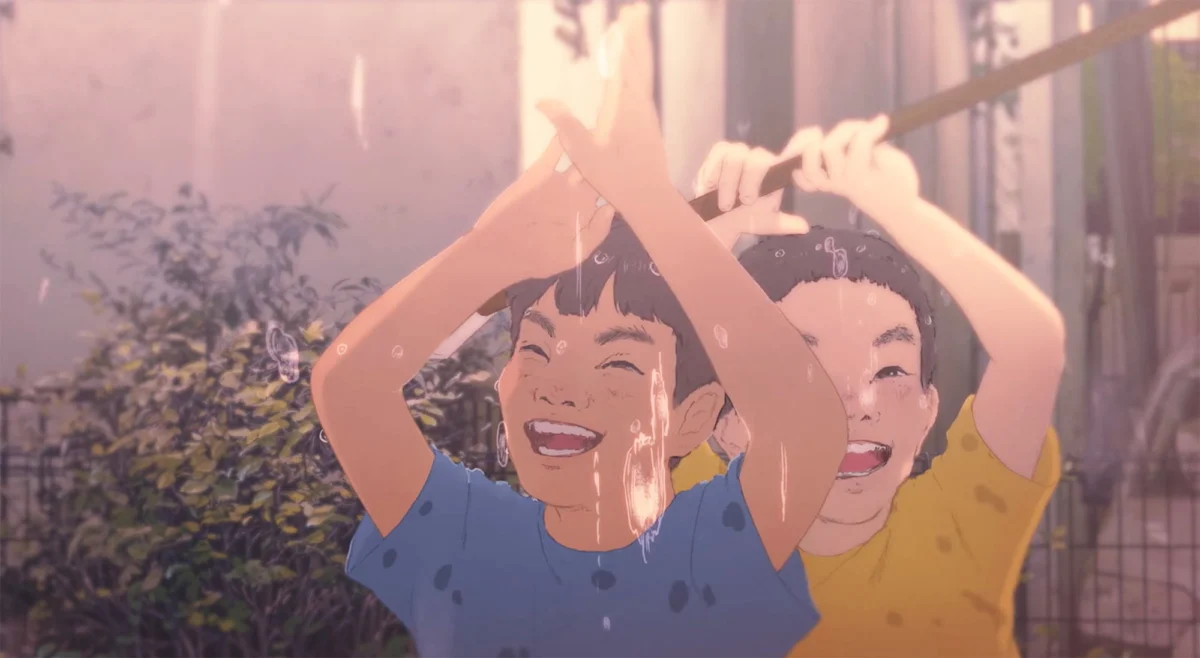
The initial trailers offer a glimpse into a story that is less about extraterrestrial life and more about the profound sense of alienation that can exist between individuals. The narrative centers on two protagonists, Tsubasa and Kyotaro. As elementary school students in the third grade, the two formed an inseparable bond. Kyotaro, described as the "star" and center of his class, possesses a magnetic charisma that Tsubasa, a more reserved and observant child, finds both alluring and intimidating. However, the fragility of childhood friendship is exposed when a singular, seemingly small incident leads to jealousy and misunderstandings, driving the two boys onto divergent life paths.
A Narrative Spanning Three Decades
The core of We Are Aliens lies in its temporal scope. Unlike many coming-of-age stories that focus on a single summer or a specific school year, Kadowaki’s debut feature spans three decades. This long-form approach allows the film to explore how childhood traumas and connections evolve as individuals enter adulthood. The story re-engages with the protagonists in their later years, as the resurfacing of past memories forces them to confront the distance that has grown between them.

The film’s tagline—"Taro is the star of this school – and he’s not actually human"—serves as a metaphorical hook. While the title suggests a science-fiction premise, early indications from the production team and the trailer footage suggest that "aliens" refers to the psychological state of being "othered" or the feeling of being a stranger to one’s own past and former friends. The drama is rooted in the quiet, contemplative examination of what it means to live and grow alongside another person, and the inevitable friction that occurs when those paths diverge.
Technical Craft and the Choice of Rotoscoping
One of the most distinctive elements of We Are Aliens is its visual style. Rather than employing the high-octane action or stylized character designs common in mainstream Japanese anime, Kadowaki has opted for a rotoscoped aesthetic. This technique involves animators tracing over live-action footage frame by frame, resulting in a movement style that retains the nuances of human performance while allowing for an artistic, painterly overlay.
This choice is intentional, bridging the gap between live-action drama and the expressive potential of animation. By using rotoscoping, the film captures the subtle facial expressions and body language of the lead actors, Ryota Bando and Amane Okayama, providing a sense of realism that grounds the 30-year chronology. The animation serves as a filter through which the subjectivity of memory is explored, allowing the filmmakers to manipulate the environment to reflect the internal emotional states of Tsubasa and Kyotaro.
The production is handled by Miyu Productions, a company known for its commitment to high-art animation and international co-productions. Their involvement signals a high level of technical polish and an appeal to global audiences who value experimental storytelling.

The Significance of the Cannes Selection
The selection of We Are Aliens for the 2026 Directors’ Fortnight is a major endorsement of Kohei Kadowaki’s vision. Historically, the Directors’ Fortnight has been a launchpad for filmmakers who challenge cinematic conventions. For a Japanese animated feature to be included in this sidebar—which operates independently of the main Cannes competition—it must demonstrate a unique directorial voice and a departure from commercial norms.
Industry analysts suggest that the inclusion of We Are Aliens reflects a growing trend at major European festivals to recognize animation as a serious medium for adult-oriented drama. Following in the footsteps of films like The Case of Hana and Alice (also known for its use of rotoscoping) and the works of Masaaki Yuasa, Kadowaki is positioned as a new voice in the "indie-animation" movement. The world premiere in May 2026 is expected to draw significant attention from international distributors looking for the next breakout crossover hit from Asia.
Voice Talent and Musical Score
The emotional weight of the film is carried by its two lead voice actors. Ryota Bando and Amane Okayama are both established figures in the Japanese film industry, known for their versatility in live-action roles. Their casting underscores the film’s focus on performance; by treating the voice recording with the same gravity as a live-action shoot, Kadowaki ensures that the dialogue feels lived-in and authentic.
Complementing the visuals is a musical score by Yaffle. A prominent producer and composer in the contemporary Japanese music scene, Yaffle is known for his ability to blend electronic textures with organic arrangements. His involvement suggests a soundtrack that will be as modern and atmospheric as the film’s visuals, likely emphasizing the themes of nostalgia and the passage of time.

Production Timeline and Funding
We Are Aliens marks the feature directorial debut for Kohei Kadowaki, who previously gained recognition for his work on the series "The Proof is Out There." The transition from episodic content to a feature-length drama spanning 30 years represents a significant leap in narrative ambition.
The production has utilized a hybrid funding model. While backed by Nothing New and Miyu Productions, the film also launched a crowdfunding campaign on Motion-Gallery.net. This approach has allowed the production to maintain its independent spirit while engaging directly with a community of supporters interested in unconventional animation. The crowdfunding efforts were reportedly aimed at securing additional resources for the complex rotoscoping process and ensuring the highest possible quality for the film’s festival run.
Following its world premiere at Cannes in May 2026, the film is scheduled for a wide domestic release in Japanese cinemas later in the year. While no official North American or European theatrical dates have been confirmed, the prestige of a Cannes debut typically facilitates swift acquisition by international boutique labels such as GKIDS or MUBI.
Broader Implications for Japanese Cinema
The emergence of We Are Aliens comes at a time when the Japanese film industry is diversifying its output. While the global market is often dominated by major franchise intellectual properties (IPs), there is a rising demand for "auteurs" who can deliver original, character-driven stories.

By focusing on the mundane yet profound aspects of a 30-year friendship, Kadowaki is tapping into universal themes of regret, growth, and the search for identity. The "alien" metaphor provides a framework for discussing the social isolation often felt in modern society, making the film relevant to audiences far beyond the borders of Japan.
Furthermore, the collaboration between Nothing New and Miyu Productions illustrates a growing synergy between Japanese creators and European production houses. This cross-pollination of talent and resources is becoming increasingly common as the barriers between regional film markets continue to dissolve, driven by digital distribution and the international festival circuit.
Summary of Key Personnel and Details
- Director: Kohei Kadowaki (Feature Debut)
- Voice Cast: Ryota Bando, Amane Okayama
- Composer: Yaffle
- Production Companies: Nothing New, Miyu Productions
- Animation Style: Rotoscoping / Mixed Media
- International Premiere: 2026 Cannes Film Festival (Directors’ Fortnight)
- Japanese Release Window: Late 2026
- Narrative Focus: A 30-year friendship, childhood misunderstanding, and adult reconciliation.
As the 2026 Cannes Film Festival approaches, the film community will be watching closely to see if We Are Aliens can translate its early buzz into critical acclaim. The trailers suggest a film that is both intimate and expansive, using the medium of animation to explore the "alien" nature of the human experience. With its unique visual approach and a story rooted in the quiet tragedies of everyday life, Kohei Kadowaki’s debut is poised to be one of the most talked-about animated features of the year.