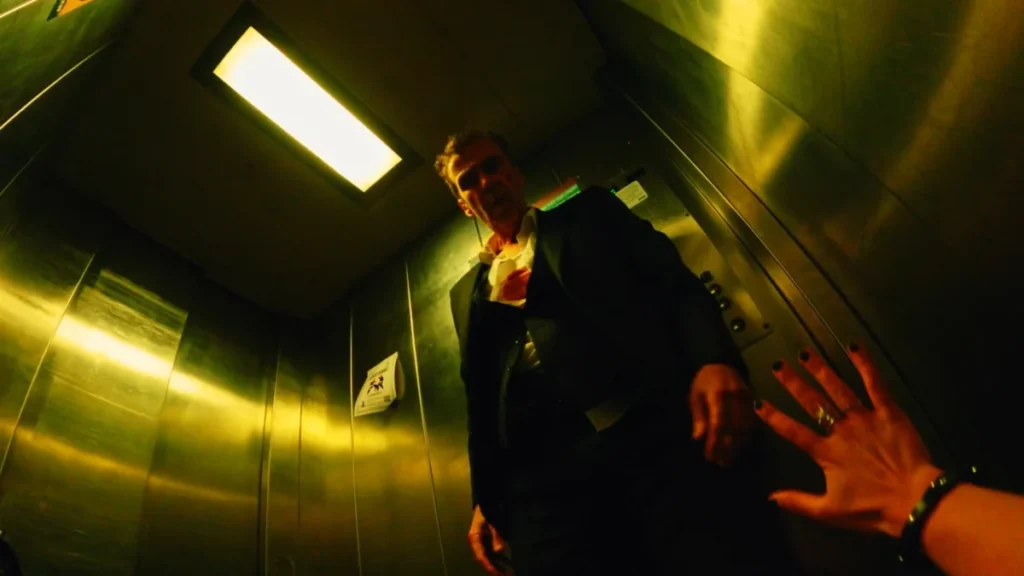
Actress Barbie Ferreira, at 29, eschews the conventional pursuit of a singular "dream role," instead articulating a discerning preference for well-crafted narratives and visionary directorial leadership. This pragmatic yet profound approach to her craft underscores a career trajectory increasingly defined by intentional choices rather than industry expectations. Speaking to The Hollywood Reporter via Zoom, Ferreira emphasized her genre-agnostic philosophy, a testament to which are her two diverse projects slated for release this month: the unsettling horror remake Faces of Death and the introspective Canadian independent film Mile End Kicks. "I’m really open to so much stuff," she affirmed, highlighting a creative flexibility that allows her to explore a broad spectrum of human experience on screen.
A Career Forged in the Digital Crucible and Beyond
Ferreira’s ascent to prominence began with her breakout role as Kat Hernandez in HBO’s critically acclaimed series Euphoria. The show, which premiered in 2019, quickly became a cultural phenomenon, lauded for its unflinching portrayal of adolescent life, mental health struggles, and identity formation in the digital age. Euphoria not only garnered immense viewership but also propelled its young ensemble cast, including Ferreira, Zendaya, Sydney Sweeney, and Jacob Elordi, into global stardom. Before Euphoria, Ferreira had already cultivated a significant online presence, notably as a model advocating for body positivity and appearing in campaigns for brands like Aerie. This early engagement with digital platforms provided a unique foundation for her public persona, one she continues to navigate with a blend of self-awareness and strategic detachment.
Her transition from a successful online personality and model to a revered actress is indicative of a broader industry shift, where digital footprint and authentic self-expression can pave unconventional paths to traditional acting careers. However, this hybrid existence also presents unique challenges, particularly concerning the blurring lines between public and private life, and the constant pressure to maintain a curated online image. Ferreira’s subsequent choices in projects, like the upcoming Faces of Death and Mile End Kicks, reflect a deliberate effort to expand her artistic repertoire while safeguarding her personal well-being and prioritizing narratives that offer meaningful social commentary.
Deconstructing Digital Violence in Faces of Death
Ferreira’s decision to join the cast of the Faces of Death remake was driven by a keen interest in the horror genre and, more significantly, the script’s potent commentary on contemporary internet culture. The original Faces of Death, released in 1978, was a notorious pseudo-documentary that purported to show real footage of death and violence. It sparked widespread controversy and fascination, largely due to its deceptive nature and graphic content, pushing the boundaries of what audiences were willing to consume. The film’s ethical implications and its manipulation of reality to generate shock resonated profoundly, influencing a generation of found-footage and exploitation cinema.
In the modern context, Ferreira observes, the shock value of such content has been profoundly altered by the internet. "The fact that violence is just so ubiquitous with being American, or anyone at this point because the internet is so global — we’re all just watching incredible violence all day without even noticing how much damage we’re doing to ourselves," she articulated. Her character, Margo, in the remake, serves as a content moderator, a role that plunges her into the relentless task of reviewing the internet’s most disturbing visual material.
The role of a content moderator is one of the most psychologically taxing in the digital economy. These individuals are the unseen gatekeepers of online platforms, tasked with sifting through vast quantities of graphic content—ranging from hate speech and child exploitation to extreme violence and self-harm—to enforce community guidelines. Research by organizations like the Stanford Internet Observatory and testimonies from former moderators consistently highlight the severe mental health toll associated with the job, including symptoms of PTSD, anxiety, and depression. The constant exposure to trauma can lead to emotional numbing, a distorted perception of reality, and profound psychological distress. A 2021 report by the NYU Stern Center for Business and Human Rights estimated that there are over 100,000 content moderators globally, many working for third-party contractors, often with inadequate psychological support.
Ferreira’s portrayal of Margo seeks to illuminate this hidden labor and its broader societal implications. She immersed herself in researching the experiences of real content moderators, describing their work as "a really brutal job to be constantly watching the dregs of the internet at all times." This immersion underscores the film’s ambition to move beyond mere shock horror, instead using the premise to provoke a deeper conversation about the desensitization of society to violence, the ethical responsibilities of tech companies, and the psychological impact of digital consumption on the human psyche. The film aims to pose critical questions: If the original Faces of Death was radical in the 1970s for its simulated gore, what does it mean for a society where real-life violence is broadcast globally, instantaneously, and often without context, across countless screens? Ferreira notes, "How interesting it is to bring it into a contemporary audience and have a conversation about the companies that the powers that be get to make tons of money off of violence." This analytical approach elevates the remake beyond a mere rehash, transforming it into a timely commentary on the digital age’s most insidious challenges.

The Allure of "Indie Sleaze" in Mile End Kicks
In stark contrast to the grim reality explored in Faces of Death, Ferreira’s other new release, Mile End Kicks, offers a nostalgic dive into the "indie sleaze" era of the early 2010s. Set in 2011 Montreal, the film is described by Ferreira as a "period piece," a label that surprisingly applies to a time only a little over a decade ago. This classification highlights a growing cultural phenomenon: the rapid onset of nostalgia for recent past decades, driven by accelerated trend cycles and the omnipresence of digital archives.
"Indie sleaze" refers to a distinct cultural aesthetic that flourished roughly between 2006 and 2012. Characterized by a blend of grunge, bohemian, and glam influences, it manifested in fashion (smudged eyeliner, messy hair, vintage band tees, ripped tights, American Apparel basics), music (indie rock, electro-pop, dance-punk), and a generally hedonistic, rebellious attitude. Figures like Sky Ferreira, Cory Kennedy, and early Tumblr aesthetics epitomized this era. It was a time of pre-Instagram filters, where flash photography and raw, unpolished imagery dominated social documentation, reflecting a perceived authenticity that often verged on deliberate dishevelment. The era, a precursor to the polished influencer culture, represented a final gasp of analog cool before digital perfection took hold.
For Ferreira, Mile End Kicks resonated deeply with her personal history. She recalled her own coming-of-age years, modeling and frequenting the vibrant art and fashion scenes of Brooklyn during the 2011-2013 period. "That’s when I really came into myself," she reflected, noting the parallels between her experiences and the film’s Montreal setting. This personal connection allowed her to tap into the era’s unique energy, a time when technology was present but not yet fully dictatorial in its influence on social interaction and self-presentation.
The film’s exploration of this recent past taps into a broader societal yearning. Ferreira suggests that audiences are drawn to this era because "people yearn for a time when it wasn’t so complicated. They yearn for a time where it’s messy." This desire for "messiness" is framed against the backdrop of contemporary "surveillance culture," where every action, every appearance, is potentially documented, judged, and disseminated online. The fear of being "canceled" or publicly shamed has led to a more "buttoned-up" existence, particularly among younger generations who have grown up with ubiquitous cameras and social media. Mile End Kicks offers a glimpse into a period where digital interactions were more playful, less performative, and less intertwined with personal brand-building, providing a refreshing counterpoint to the hyper-curated realities of today. "It’s not like you’re selling yourself on there to make your dreams come true," she noted, contrasting the casual online presence of the early 2010s with today’s relentless self-promotion.
The Actor’s Dilemma: Mystery vs. Marketability in the Digital Age
Ferreira’s unique career trajectory, marked by early internet fame and a subsequent transition to acting, provides her with a distinct perspective on the evolving relationship between performers and digital platforms. While the internet was instrumental in her initial rise, she now actively strives to curate her online presence, emphasizing privacy and maintaining an "air of mystery" that she believes is crucial for an actor.
Historically, actors cultivated an enigmatic public persona, allowing audiences to fully immerse themselves in their characters without the distraction of extensive personal details. The advent of social media has largely eroded this boundary. Today, actors are often expected, and sometimes contractually obligated, to maintain an active online presence, engaging with fans, promoting projects, and effectively "selling themselves" as a brand. This creates a fundamental tension: the need for authenticity and accessibility versus the artistic imperative of maintaining a separation between actor and role.
"People don’t love actors who share too much on the internet either," Ferreira observed, articulating this paradoxical demand. "There’s this balance as an actor. You want to create the air of mystery, so people can really drop in when you’re in character and not have to think about it, but also you have to sell yourself in a big way just in general these days." Her strategy involves a conscious effort to "undo some damage" from her earlier, more unfiltered online persona, aiming to "be mysterious, even though I’m extremely not mysterious in real life." This deliberate recalibration reflects a sophisticated understanding of how digital footprints can impact an actor’s craft and audience perception. It highlights a growing industry debate about the long-term impact of oversharing on an actor’s versatility and longevity.
Navigating the Tides of Online Scrutiny and Nurturing Real Connections

Ferreira’s long history with the internet has also equipped her with a unique resilience against the incessant negativity and unsolicited opinions that define much of online discourse. Having been subjected to public scrutiny for over 13 years, she has developed coping mechanisms that allow her to process criticism without internalizing it. "It still hurts, obviously, but it’s just different now," she admitted. "I have a greater understanding of society and the internet. Every person is getting shit."
This understanding has led her to reframe negativity not as a personal failing, but as an inherent, almost universal, aspect of contemporary digital life. "The more shit I get is probably because I’m doing something right," she mused, adopting a perspective of empowerment. She emphasizes that the constant barrage of online comments, often fueled by "rage bait" and the pursuit of likes, is a collective societal issue rather than an individual burden. "It’s everyone. We’re all in this together, so it really does feel like it’s not a personal problem." This sentiment echoes findings from various sociological studies on online behavior, which suggest that anonymity and algorithmic amplification contribute to a culture of aggression and negativity that transcends individual targets.
To counteract the often-toxic digital environment, Ferreira prioritizes living in "real life" as much as possible. She describes her home as a "commune" where friends come and go, fostering a strong sense of community and support. This deliberate cultivation of in-person relationships serves as an essential anchor, grounding her amidst the ephemeral and often misleading nature of online perception. "The internet is not real. The perception that you could have for yourself can change so much. You read something, and then it creates this vision of what you are to other people, and it’s just not true," she explained, highlighting the "gaslighting" effect of online narratives.
Her personal experience underscores a critical broader implication: the mental health crisis fueled by social media. Studies consistently link excessive social media use to increased rates of anxiety, depression, and body image issues, particularly among young people. The relentless comparison, the fear of missing out, and the exposure to cyberbullying contribute to a pervasive sense of inadequacy and isolation. Ferreira’s proactive approach—curating her digital diet (playing online games, watching cooking videos on a "burner TikTok"), and investing heavily in real-world connections—offers a practical model for navigating these challenges. She states, "I try to live in real life as much as possible. Even if I’m just on my phone playing a game, but my friends are next to me."
A Future Rooted in Happiness and Intentionality
As Barbie Ferreira approaches 30, her career choices and public statements increasingly reflect a mature and intentional approach to life in the public eye. She holds firm to her aspiration of being a "working actor that has a normal life," a dream she believes she can still maintain by carefully selecting projects and managing her fame. Her observation about pop stars unable to leave their homes without being mobbed underscores her desire to avoid that level of intense, isolating celebrity. "That’s not my journey," she stated definitively.
This philosophy is not merely about personal comfort but also about artistic integrity. By prioritizing projects that resonate with her and working with directors she admires, Ferreira ensures that her contributions are meaningful and contribute to a body of work she is proud of. Her openness to diverse genres, from the psychological horror of Faces of Death to the nostalgic indie charm of Mile End Kicks, showcases a versatile talent unafraid to explore complex themes and varied characters.
In an industry often driven by relentless self-promotion and the pursuit of viral moments, Barbie Ferreira stands out for her nuanced understanding of the digital landscape and her unwavering commitment to authenticity, both on screen and in her personal life. She exemplifies a new generation of performers who, having grown up online, are acutely aware of its power and pitfalls, and are actively shaping their careers and identities with deliberate intention, seeking balance in a world that increasingly demands constant digital presence. Her journey offers valuable insights into the challenges and opportunities facing actors in the modern age, proving that a successful career can be built on a foundation of artistic integrity, personal happiness, and a healthy detachment from the digital noise.