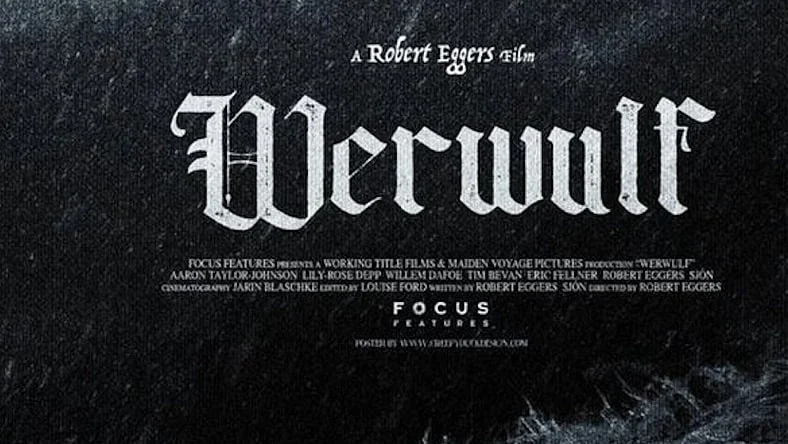
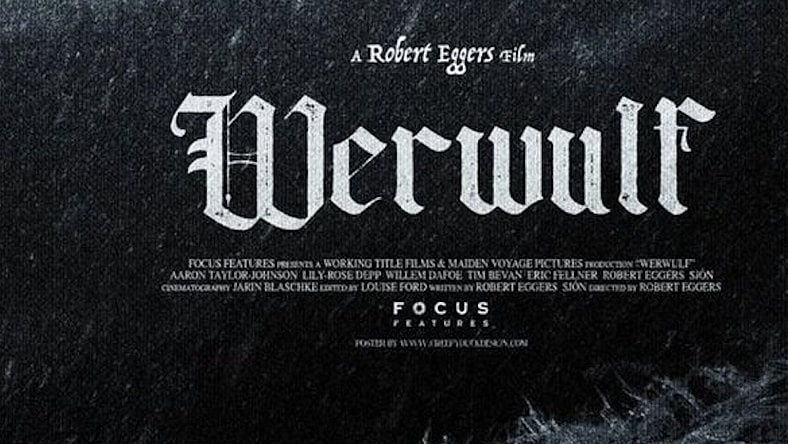
Focus Features has unveiled the first official glimpse of "Werwulf," the highly anticipated creature feature from acclaimed director Robert Eggers, marking his return to the folk horror genre that cemented his reputation with "The Witch" and "The Lighthouse." Eggers himself has described the project as "a medieval werewolf movie," an endeavor he asserts is "the darkest thing I have ever written. By far." This statement, coupled with early reactions from industry professionals present at its debut, suggests a film that will delve deep into primal fears and historical anxieties, presented through Eggers’ signature atmospheric and historically meticulous lens.
The film reunites Eggers with "The Witch" star Ralph Ineson, a move that has generated significant buzz among fans of the director’s previous work. Ineson, known for his commanding presence and ability to embody weathered, complex characters, is expected to play a pivotal role in this chilling narrative. Joining him in the ensemble cast are prominent actors Aaron Taylor-Johnson, Lily-Rose Depp, Willem Dafoe, and newcomer Bodhi Rae Breathnach. The combination of established talent with a rising star, under the direction of a filmmaker known for drawing nuanced performances, promises a compelling on-screen dynamic.
CinemaCon Unveils the Primal Terror of "Werwulf"
The initial reveal of "Werwulf" occurred at CinemaCon, the annual trade show for the global motion picture exhibition industry, held in Las Vegas. This event serves as a crucial platform for studios to showcase upcoming projects to cinema owners, distributors, and the press, offering a preview of the films that will shape the cinematic landscape in the coming years. The trailer’s presentation at CinemaCon signals the studio’s confidence in the film’s marketability and its potential to draw audiences seeking a mature, visceral horror experience.
Early reports from attendees paint a vivid picture of the trailer’s content and tone. TheInSneider, a notable industry insider, characterized the footage as quintessentially "Robert Eggers," evoking strong "Witch vibes" and describing the aesthetic as "dark and grimy." The narrative, as hinted by TheInSneider, centers on a community grappling with the terrifying reality of a "raving beast that has ravaged its own countryside." The report also highlighted "stunning visuals" and a particularly intense performance from Aaron Taylor-Johnson, suggesting his character will be at the heart of the unfolding terror.
Further details emerged from TheWrap, which described the trailer as "predictably haunting." The preview reportedly opens with unsettling imagery of villagers engaged in ritualistic dancing around a fire, punctuated by intense close-ups on their faces, immediately establishing a sense of unease and ancient practice. The arrival of Aaron Taylor-Johnson and Lily-Rose Depp’s characters is then depicted, with them being informed of local legends concerning werewolves. The trailer allegedly transitions into a rapid montage of striking visuals, including fleeting glimpses of a werewolf transformation occurring in the darkness. The climactic moment described by TheWrap involves Taylor-Johnson’s character undergoing a terrifying mid-transformation in a dimly lit barn, foaming at the mouth and screaming in agony, a visceral image designed to leave a lasting impact on the audience.
Gothic Atmosphere and Historical Authenticity
DiscussingFilm provided additional technical and thematic insights, noting that "Werwulf" will be presented in a 4:3 aspect ratio. This choice is significant, as it often evokes a sense of historical authenticity and can contribute to a more claustrophobic and immersive viewing experience, reminiscent of classic cinema and Eggers’ previous films. The outlet further elaborated on the film’s setting and premise, describing it as a "gothic world where townsfolk are investigating a brutal werewolf terrifying their town." This suggests a deep dive into historical folklore and the anxieties of a community facing an unknown, monstrous threat in an era where such beliefs were deeply ingrained.
The historical context of werewolf lore in 13th-century England is crucial to understanding the potential depth of "Werwulf." During this period, beliefs in lycanthropy were widespread, often intertwined with fears of witchcraft, demonic influence, and societal unrest. The concept of a creature that embodied the primal, untamed aspects of nature and humanity’s darker impulses would have been a potent source of terror. Eggers’ penchant for meticulous historical research, evident in "The Witch" and "The Lighthouse," suggests that "Werwulf" will not merely be a monster movie but a nuanced exploration of a specific historical moment and its accompanying psychological landscape. The film’s setting in 13th-century England places it within a period where such beliefs were deeply interwoven with daily life, making the manifestation of folklore into reality a profoundly terrifying prospect for the characters.
A Familiar Creative Collaboration
The presence of Ralph Ineson and Willem Dafoe further strengthens the sense of a cohesive creative vision. Ineson’s chilling performance as the Puritan father in "The Witch" remains a benchmark for his work in the genre, and his return to an Eggers project is a welcome sign for fans. Willem Dafoe, who delivered an unforgettable performance as the enigmatic lighthouse keeper in "The Lighthouse," brings his unique intensity and gravitas to the cast. This continuity of talent suggests Eggers is leveraging his established relationships with actors who understand and excel within his distinctive storytelling style.
The production of "Werwulf" commenced in the United Kingdom last fall, indicating a significant investment in its creation and a commitment to achieving the visual and atmospheric authenticity that Robert Eggers is known for. The film is slated for a theatrical release on December 25, 2026, positioning it as a potential holiday season offering for audiences seeking a departure from more traditional festive fare. This Christmas Day release strategy, often reserved for tentpole films, underscores Focus Features’ high expectations for "Werwulf."
Analysis of Implications and Expectations
The early reactions to "Werwulf" suggest a film that is poised to be a significant entry in the contemporary horror canon. The focus on a medieval setting, combined with Eggers’ reputation for atmospheric dread and historical accuracy, positions the film as a potential successor to the critical and commercial success of "The Witch." The deliberate choice of a 4:3 aspect ratio is a stylistic decision that signals a commitment to a specific aesthetic, potentially enhancing the film’s immersive qualities and reinforcing its historical grounding.
The description of the trailer, particularly the visceral depiction of a werewolf transformation, points towards a film that will not shy away from graphic and unsettling imagery. This aligns with Eggers’ previous work, which, while often subtle in its psychological horror, does not hesitate to employ moments of intense brutality when narratively justified. The presence of Aaron Taylor-Johnson in a role that seemingly requires him to embody primal rage and physical agony suggests a performance that could be a career highlight for the actor.
Industry observers have expressed significant anticipation. ERCBoxoffice, a publication focused on box office analysis, humorously remarked, "Eggers’ new beastie will ravage theaters." The sentiment reflects a broader industry consensus that Eggers is a filmmaker capable of delivering unique and impactful cinematic experiences. The emphasis on "Pure Eggers" in their commentary highlights the director’s distinct brand of filmmaking, which has garnered a dedicated following and critical acclaim. This anticipation is further fueled by the fact that the werewolf genre, while rich in history, has seen fewer auteur-driven, critically ambitious interpretations in recent years. "Werwulf" has the potential to revitalize the subgenre by infusing it with Eggers’ signature blend of historical authenticity, psychological depth, and atmospheric terror.
The success of "The Witch" and "The Lighthouse" has set a high bar for Robert Eggers. "The Witch," released in 2015, was lauded for its authentic portrayal of Puritan New England and its slow-burn descent into supernatural horror. "The Lighthouse," a black-and-white psychological thriller, further cemented his reputation for artistic vision and unsettling storytelling. "Werwulf" represents an opportunity for Eggers to apply his distinct approach to the werewolf mythos, a creature that has been a staple of horror cinema since its inception. The film’s medieval setting and focus on folklore suggest a more grounded and terrifying interpretation than many modern takes, potentially drawing inspiration from older European werewolf legends and superstitions. The December 25, 2026 release date suggests a strategic move to capture holiday audiences looking for a more mature and intense cinematic experience, potentially positioning "Werwulf" as a counter-programming option against more family-oriented blockbusters. The film’s potential impact extends beyond its commercial prospects; it signifies a continued trend of studios investing in director-driven genre films that prioritize artistry and thematic depth, a promising development for horror aficionados and cinephiles alike.