Dutch-Japanese filmmaker Kiriko Mechanicus, fresh from the critical acclaim of her 2023 graduation short, "A Tomato Tragedy," ventures into a starkly different, far more disquieting territory with her debut short documentary, "How to Catch a Butterfly." This essayistic piece of filmmaking, currently screening at Cinemasia, meticulously dissects the fraught intersection of desire and death, using a deeply personal lens to confront a pervasive societal pathology.
A Filmmaker’s Radical Engagement with Trauma
"How to Catch a Butterfly" is profoundly anchored in the tragic events of March 16, 2021, when 21-year-old Robert Aaron Long embarked on a shooting spree across three massage parlors in the Atlanta metropolitan area. Long murdered eight individuals, six of whom were Asian women, claiming his actions were an attempt to "eliminate temptation." Mechanicus, however, refuses to merely observe this horror from a detached perspective. Instead, she embarks on a radical, almost confrontational, engagement with the perpetrator, writing letters to the killer not in search of his humanity, but to unravel the unsettling familiarity of his violent delusions. For Mechanicus, Long is not an isolated anomaly; he represents the terminal, murderous extreme of the fetishization and objectification that she, as an Asian woman, has experienced throughout her life. This deeply personal investigation transforms the film into a mirror, reflecting a societal affliction that extends far beyond a single act of violence.
The Atlanta Spa Shootings: A Deeper Look at a National Tragedy
The Atlanta spa shootings sent shockwaves across the United States and internationally, drawing urgent attention to the escalating crisis of anti-Asian hate crimes. The victims were Daoyou Feng, Paul Andre Michels, Xiaojie "Emily" Tan, Delaina Yaun, Yong Ae Yue, Suncha Kim, Soon Chung Park, and Hyun Jung Grant. Six of these victims were women of Asian descent, and four were of Korean ethnicity. The perpetrator, Robert Aaron Long, was swiftly apprehended and later confessed to the shootings, attributing his actions to a self-professed "sex addiction" and a desire to "eliminate temptation" posed by the massage parlors.
Initial police statements, which appeared to give credence to Long’s claims and downplay the racial component of the attacks, sparked immediate outrage and condemnation from Asian American advocacy groups and civil rights organizations. Captain Jay Baker of the Cherokee County Sheriff’s Office famously stated that Long was "pretty much fed up and kind of at the end of his rope" and that "yesterday was a really bad day for him." These remarks were widely criticized for humanizing the killer while minimizing the racist and misogynistic undertones of his crimes, particularly given the historical fetishization of Asian women in Western societies.
A Broader Context: Anti-Asian Hate and the Pandemic
The Atlanta shootings did not occur in a vacuum. They were a devastating culmination of a significant surge in anti-Asian sentiment and hate crimes that had swept across the United States since the onset of the COVID-19 pandemic in early 2020. Political rhetoric, particularly the repeated use of terms like "China virus" and "Kung Flu" by prominent political figures, fueled xenophobia and prejudice against Asian communities.
Data from organizations like Stop AAPI Hate, a national coalition tracking anti-Asian American and Pacific Islander hate incidents, revealed a staggering increase in reported incidents. Between March 19, 2020, and February 28, 2021, Stop AAPI Hate received 3,795 incident reports across the U.S. Women reported hate incidents 2.3 times more often than men. These incidents ranged from verbal harassment and shunning to physical assault and civil rights violations. The Atlanta shootings underscored that this pervasive hostility was not merely confined to microaggressions but could tragically escalate into lethal violence, disproportionately targeting Asian women due to a toxic cocktail of racism and misogyny.
The historical context of Asian women’s fetishization in the West, often rooted in colonial narratives, wartime propaganda, and cultural stereotypes, played a crucial role. From the "geisha" and "lotus blossom" archetypes to the subservient "mail-order bride," these harmful tropes have dehumanized Asian women, reducing them to exotic objects of desire or silent, compliant partners. This long-standing objectification creates a dangerous environment where Asian women are perceived not as full human beings, but as commodities or temptations, making them vulnerable to violence from individuals who see them as expendable or existing solely to fulfill a specific fantasy.
Cinematic Language: Unveiling the Unsettling Truth
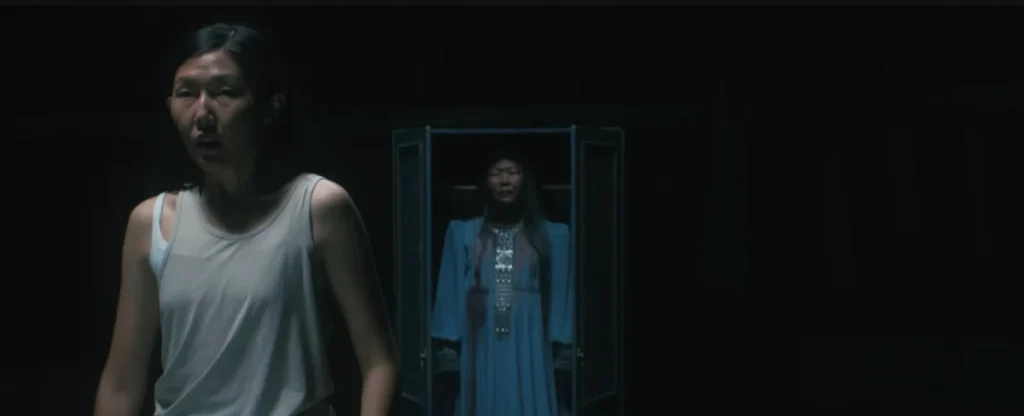
Mechanicus’s film immediately establishes its confrontational tone. The opening sequence is bathed in a heavy, oppressive red light, an immediate visual signifier of danger, passion, and perhaps, rage. A woman disrobes in a kimono, a deliberate and bitter nod to Giacomo Puccini’s opera "Madame Butterfly," a work that has long symbolized the tragic fate of an Asian woman abandoned by her Western lover. This iconic cultural reference is instantly subverted; the romanticized image of the submissive Asian woman is stripped bare, revealing the vulnerability and potential for violence lurking beneath. In stark contrast to the visual, the sterile, detached audio of news reports from the Atlanta shootings creates a nauseating auditory backdrop, highlighting the cold reality of the tragedy against the backdrop of historical exoticism. This bold, unsettling start cuts straight to the film’s core thesis: When does the "oriental" fantasy cease to be a mere costume or exotic ideal and begin to transform into a literal target?
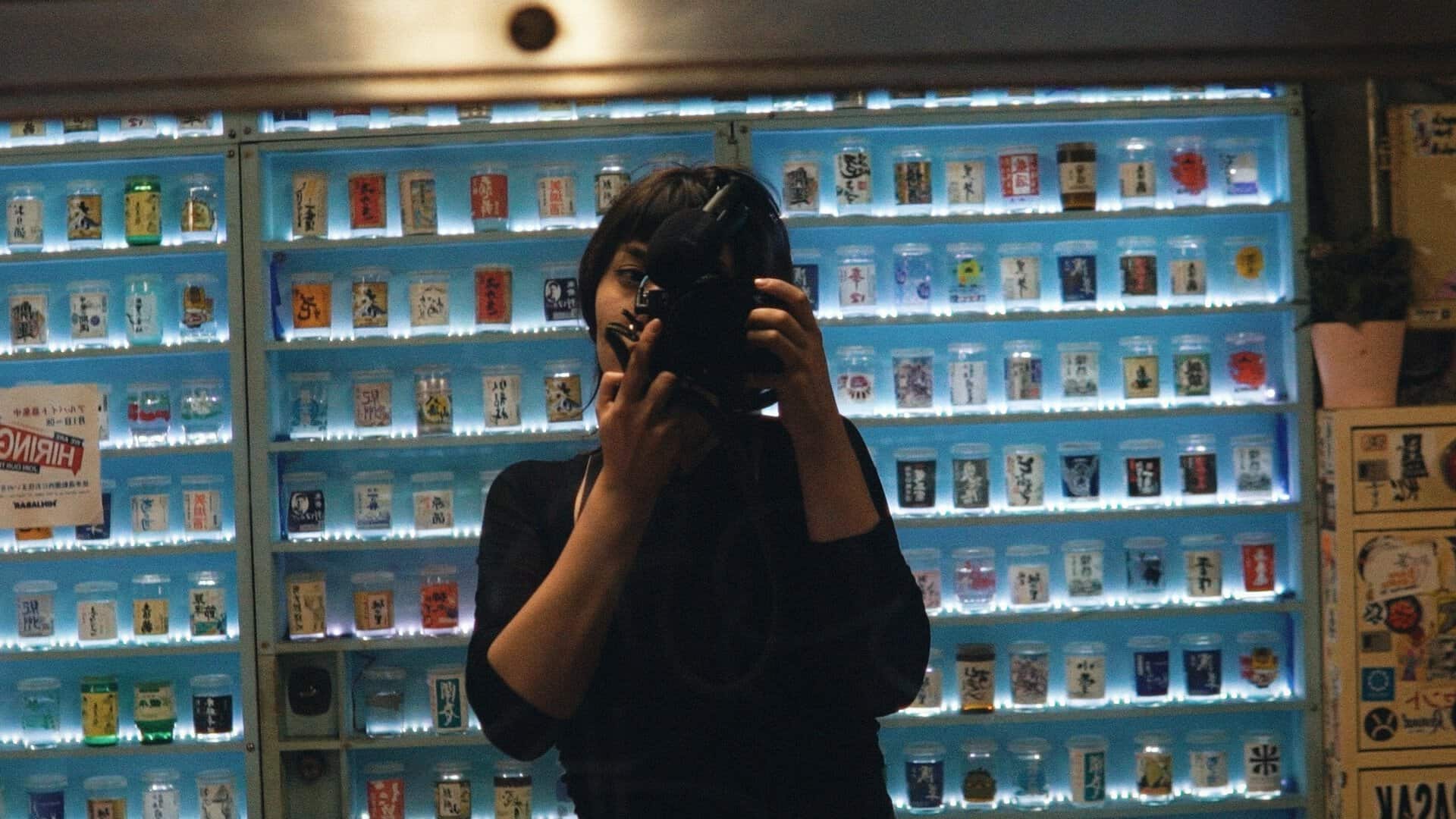
The film masterfully navigates between two distinct visual worlds, enhancing its essayistic quality and thematic depth. One world is rendered in grainy, dreamlike pastels, evoking memory, nostalgia, and perhaps the blurred lines of historical perception. The other is captured with the sharp, cold precision of digital cinematography, grounding the viewer in the undeniable, often brutal, reality of the present. This visual dichotomy reflects the filmmaker’s journey through personal history and collective trauma.
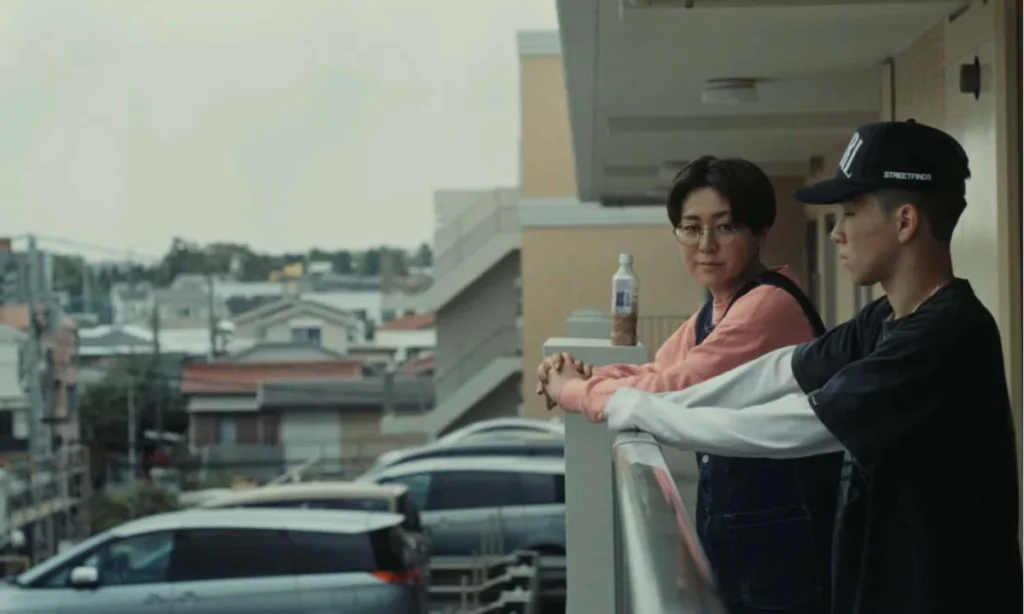
Mechanicus takes viewers to Japan, visiting her grandmother, a journey that anchors the film’s heavy political and sociological explorations in something deeply tangible and intimate. These scenes, characterized by shaky handheld shots of family albums and quiet domesticity, offer glimpses into her heritage and the everyday lives of Asian women, contrasting sharply with the violent abstractions of fetishization. The intimate, unpolished nature of these shots reinforces the authenticity of her personal quest, highlighting the real people behind the stereotypes.
The Heart of the Film: Intergenerational Dialogue and Deconstruction
The emotional and intellectual core of "How to Catch a Butterfly" resides in the kitchen-table conversations between Mechanicus and her mother. These intimate exchanges move beyond mere personal anecdotes, evolving into a profound deconstruction of the "quiet, polite Japanese woman" trope. They dissect this archetype not as an inherent cultural trait, but as a carefully constructed, often oppressive, cage imposed by the Western gaze. Her mother articulates a powerful message of emancipation—a conscious, deliberate refusal to perform for this external, often exploitative, gaze. This rare and deeply honest moment offers a critical perspective on agency and resistance within the context of racial and gendered expectations. It illuminates the active choice to reclaim identity from narratives imposed by others, providing a poignant counterpoint to the passive victimhood often associated with the "Madame Butterfly" trope.
The Dark Underbelly: Modern Fetishization and its Echoes
As the film progresses, it plunges into a darker, more disturbing territory. Mechanicus layers the chilling voice of the Atlanta killer, Robert Aaron Long, over interviews with men from dating apps. The juxtaposition is deliberate and devastating. These men, often identifying as "Weebs"—a derogatory term for non-Japanese individuals obsessed with Japanese popular culture, often in a fetishistic manner—articulate their reasons for seeking out Asian women. Their comments are blunt, disturbingly frank, and often border on the sociopathic. They express beliefs that Asian women are "raised to be slaves," "more submissive," or "less likely to talk back."
Hearing these modern "Weeb" fantasies, which often romanticize subservience and exoticism, played over Long’s confession of "eliminating temptation," creates a suffocating, almost visceral sense of being hunted. It exposes the insidious continuity between seemingly harmless cultural obsessions and the violent dehumanization that can result. The film effectively argues that the "Weeb" fantasy, while often presented as benign appreciation, can be a direct precursor to the kind of entitlement and objectification that fuels violence against Asian women. It demonstrates how seemingly disparate elements—internet subcultures, historical stereotypes, and a killer’s twisted rationale—converge to create a hostile environment.
The Filmmaker’s Introspection: A Painful Self-Questioning
Crucially, Mechanicus does not exempt herself from this painful examination. She turns the mirror inward, posing one of the most agonizing questions a victim of fetishization can ask: "Am I performing for these men? Do I find a twisted, perhaps unconscious, pleasure in embodying the ‘Japanese girl’ they desire?" This act of radical self-interrogation elevates the documentary beyond mere exposé. It acknowledges the complex psychological impact of living within a role prescribed by external, often predatory, expectations. It speaks to the insidious way internalized stereotypes can warp one’s self-perception, forcing individuals to confront their own complicity, even if unwilling or unconscious, in systems that ultimately harm them. This vulnerability makes the film not just an observation, but an experience.
A Difficult Watch, A Necessary Mirror
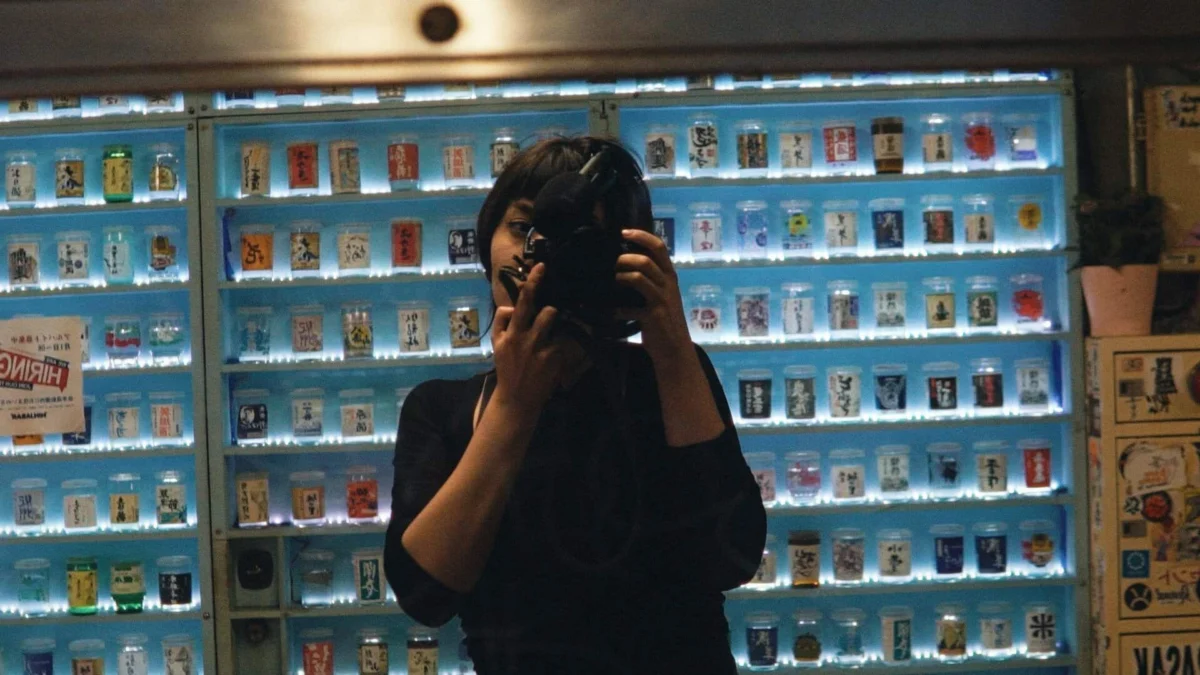
"How to Catch a Butterfly" is undeniably a difficult watch, and by design, it offers no comfort and zero closure. Supported by a pulsing, techno-heavy score that underscores a sense of relentless tension and unease, and interspersed with shots of lonely neon streets that evoke urban alienation and anonymous desire, the film maintains a suffocating atmosphere. Mechanicus deliberately withholds a happy ending or easy resolutions. Instead, she presents viewers with a stark, unflinching mirror, forcing introspection.
The documentary is a self-questioning, unsettling meditation on the profound psychological toll exacted when one realizes they have been living within a role meticulously written by their predators. It challenges audiences to confront uncomfortable truths about racial fetishization, misogyny, and the pervasive nature of violence against marginalized communities. By weaving together personal narrative, historical context, and disturbing contemporary testimonies, "How to Catch a Butterfly" serves as a vital, albeit painful, contribution to the ongoing discourse surrounding identity, objectification, and the urgent need for empathy and systemic change. Its screening at Cinemasia offers a crucial platform for this vital conversation to continue.