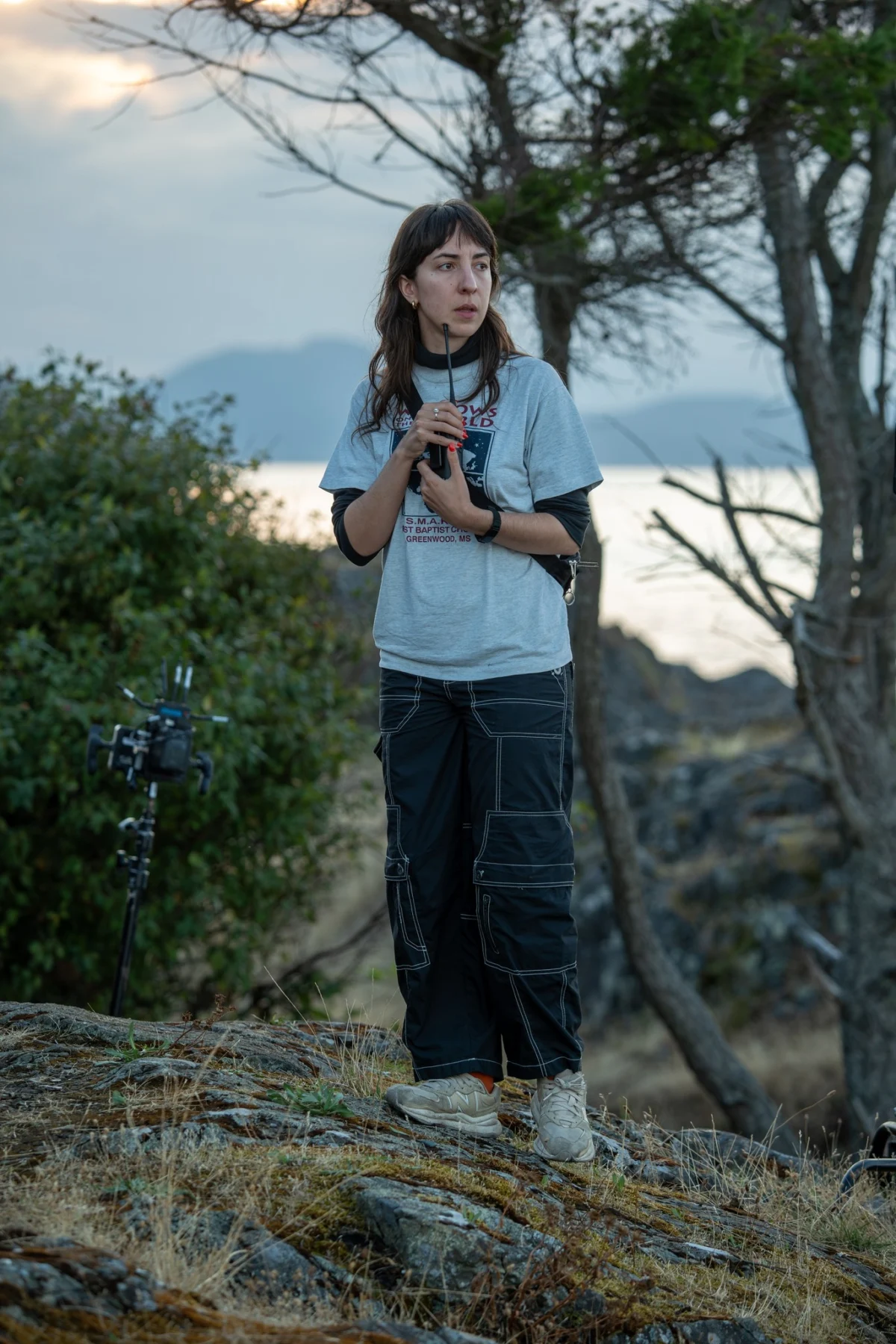
Sophy Romvari, a Canadian filmmaker known for her introspective short films, entered the demanding world of feature filmmaking with remarkably tempered expectations. Her debut feature, Blue Heron, a deeply autobiographical drama, was conceived and executed on her own terms, with Romvari focusing primarily on the creative process rather than anticipating a grand industry reception. She harbored few hopes for a major festival acquisition or a subsequent, extensive press tour, let alone a coveted theatrical distribution deal. This modest outlook was rooted in a pragmatic assessment of the contemporary film landscape, especially for an independent Canadian personal drama. "I definitely had no expectation of theatrical distribution for an independent Canadian personal drama in the year of 2026. I assumed that it would go straight to streaming," Romvari stated, reflecting a common sentiment among emerging filmmakers. The prevailing industry feedback, she noted, often cautions against high hopes: "The feedback you get from the industry as a new filmmaker is just, ‘It’s a bad time. No one’s taking risks.’" Yet, defying these very expectations and the challenging environment for independent cinema, Blue Heron has emerged as an unlikely sensation, garnering widespread critical acclaim and securing a significant theatrical release through the prestigious Janus Films.
The Unforeseen Triumph: A Critical Darling Finds Its Audience
Romvari’s journey, from Vancouver Island to a bustling Hollywood restaurant patio, now sees her grappling with a different kind of challenge: finding time to eat her chopped salad amidst thoughtful answers about her indie phenomenon. Far from being relegated to a streaming-only release, Blue Heron is being meticulously rolled out on big screens across North America by Janus Films, a distributor renowned for its discerning taste in international and arthouse cinema. This strategic distribution, a stark contrast to the direct-to-streaming fate Romvari envisioned, underscores the film’s exceptional quality and resonance. The critical reception has been nothing short of stellar; Blue Heron holds the distinction of being the best-reviewed feature of the year, according to both Rotten Tomatoes and Metacritic, two leading aggregators of film criticism. Its journey to critical acclaim began with its world premiere at the Locarno Film Festival, a highly regarded event for independent and art-house cinema, where it quickly drew attention. The momentum continued at the Toronto International Film Festival (TIFF), a crucial North American launchpad, where Janus Films swiftly acquired its distribution rights. This acquisition by Janus Films, known for championing cinematic masterpieces and often paving the way for Criterion Collection releases, signals a profound endorsement of Blue Heron‘s artistic merit and its potential for enduring cultural impact.
Despite the escalating accolades and the newfound attention, Romvari maintains a grounded perspective. "My life up until now has been a mix of part-time jobs, editing and grants — and that’s how I’ve made an income," she shared, emphasizing her commitment to sustainability over fleeting fame. Her ultimate goal remains clear: "The entire goal is: Can I build a career in which it’s sustainable to continue to make work?" This pragmatic approach highlights the often-unseen struggles of independent artists, even those achieving significant critical success. The financial realities of filmmaking mean that even a critically lauded debut doesn’t automatically guarantee financial security or an endless stream of projects.
A Filmmaker’s Journey: From Shorts to Feature-Length Storytelling
At 35, Sophy Romvari has cultivated a distinctive voice through a series of short films that established her as a formidable talent on the festival circuit. Her earlier works, often characterized by their raw honesty and deeply personal nature, frequently delved into her family’s archives and traumas, blurring the lines between documentary and self-portraiture. Romvari’s upbringing on Vancouver Island, with parents and three older brothers who emigrated from Hungary just before her birth, provided a rich, complex backdrop for her narratives.
Two of her most acclaimed shorts directly foreshadow the thematic concerns of Blue Heron. Still Processing (2017), a poignant and deeply moving exploration, confronts the profound grief and lingering questions surrounding the deaths of two of her older brothers. This film, lauded for its vulnerability and innovative use of archival footage, marked Romvari as a filmmaker unafraid to confront personal tragedy with artistic rigor. Similarly, Norman, Norman (2018) centered on her beloved older dog as she grappled with his mortality, extending her exploration of loss and attachment beyond human relationships. These memoiristic projects, each a step in her evolving artistic and personal journey, reached a significant culmination with Blue Heron. While not a documentary in the traditional sense, the feature is firmly rooted in Romvari’s own past, specifically exploring the enduring reverberations of her troubled eldest brother’s sudden death. This progression from short, intense self-portraits to a feature-length narrative demonstrates a maturing artistic vision and a growing confidence in tackling complex emotional landscapes.
The Genesis of Blue Heron: Unpacking Grief and Memory
For Romvari, the creation of Blue Heron was more than just a filmmaking endeavor; it was a profound act of personal processing and reconciliation. "I feel like a different person after having made this movie because now I feel like I can move through the world knowing that I’ve done everything I can to unpack and understand that period of my life and of my family’s life," she reflected. "I’ve explored it artistically in a way that allows me to move forward in a way that I don’t think I could have, had I not done this." This statement underscores the therapeutic power of art and the unique capacity of filmmaking to confront and re-contextualize personal trauma.

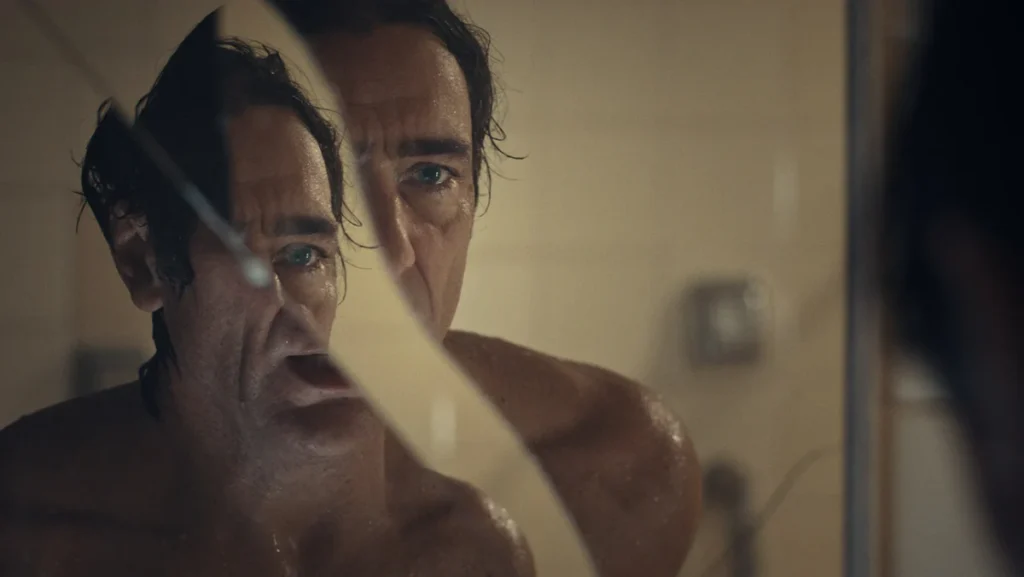
The narrative of Blue Heron, set in Vancouver, is artfully structured across two distinct timelines, weaving a tapestry of family drama, memory, and investigation. The first timeline presents an intimate portrayal of a family under strain, seen through the innocent yet observant eyes of young Sasha (Eylul Guven), Romvari’s stand-in. This section meticulously builds the growing tension between her mother (Iringó Réti) and her increasingly withdrawn and isolated brother, Jeremy (Edik Beddoes). Around the film’s midpoint, the narrative shifts abruptly, jumping forward in time to the aftermath of Jeremy’s death. Here, an adult Sasha (now played by Amy Zimmer) emerges as a filmmaker, driven by a compelling need to piece together the fragmented memories and understand the circumstances and reasons behind her brother’s passing. These two timelines converge in Blue Heron‘s moving and surprising climax, which seemingly recreates a core scene from Romvari’s childhood.
However, Romvari introduces a fascinating meta-layer to this recreation. "Watching this movie, someone would expect that this is the most dramatic thing that’s ever happened in my life — but this one occurrence, this conversation, I do not remember that happening," she revealed. This admission highlights the fluid and often reconstructive nature of memory, especially when filtered through an artistic lens. It challenges the audience’s perception of "truth" in autobiographical art and forces a consideration of how personal narratives are shaped, embellished, and understood over time. Romvari acknowledges the inherent vulnerability in this approach: "People might see this film beat by beat as my life, and I have to accept that as someone who’s made myself vulnerable as a filmmaker." This willingness to expose not just her past, but also the very mechanisms of memory and storytelling, is a hallmark of her unique artistic courage.
Crafting a Cinematic Vision: Influences and Artistic Precision
Blue Heron is far from a simple memoir; it is a complex enterprise, emotionally delicate yet rigorously controlled, especially for a debut feature. This precision was a deliberate choice, reflecting Romvari’s patience and her dedication to refining her visual style and narrative approach over years of short filmmaking. She meticulously developed her craft, ensuring that when she finally tackled a feature, she possessed the confidence and clarity to execute her vision exactly as intended.
Romvari draws from a rich wellspring of cinematic references, which, while not overtly apparent, subtly flow through her singular expression. When asked about her influences, she pulls out her phone, a testament to the digital age’s impact on cinephilia, and laughs, "I’m so grateful to Letterboxd. Letterboxd is my brain." This platform, a social network for film enthusiasts, serves as her personal cinematic archive and inspiration board. Among the touchstones she cited were the detailed master shots of Robert Altman’s Short Cuts, known for its sprawling ensemble and intricate narrative web, and the agonizing intimacy of Jonathan Caouette’s Tarnation, a groundbreaking autobiographical documentary made from home videos and archival material. These films, diverse in their approach, share a common thread of exploring complex human relationships and challenging narrative conventions.
Later, she revealed an email sent to her star, Amy Zimmer, with the subject line "Subtle Women’s Cinema." This curated list of influences included films like Mike Leigh’s Secrets & Lies and Joanna Hogg’s The Eternal Daughter, signaling a preference for nuanced character studies, emotional depth, and a less overtly dramatic style. This discerning taste underscores Romvari’s commitment to a particular kind of filmmaking – one that prioritizes emotional authenticity and psychological realism over spectacle.
However, beyond specific cinematic inspirations, Romvari believes that time itself had the most profound impact on Blue Heron. "First features are often very dense with ideas, and that can go many ways, but I feel like because I waited a little bit longer — a lot of people make their first feature earlier — I benefited from the confidence and the creative capacity to have more distance between myself and the narrative than if I’d made it in my 20s," she explained. This maturity allowed her to approach her deeply personal material with a critical distance and artistic control that might have been impossible earlier in her career. The decision to wait was also a strategic one, recognizing the immense effort and limited opportunities in independent filmmaking. "When you’re a filmmaker working with limited means, you never know if you’re going to get another chance. I really wanted to be sure that I was doing absolutely the most I could. I really did make exactly the movie I wanted to make." This patient, deliberate approach undoubtedly contributed to the film’s exceptional quality and its eventual success.
The Canadian Advantage: Funding Independent Art
A crucial element in the realization of Blue Heron was the robust Canadian arts-funding system, a resource Romvari now deeply appreciates. "When I started making work in Canada, I was not aware of the privilege of living in a country that has access to arts funding," she acknowledged. The Canadian system, distinct from the more commercially driven American model, often provides crucial support for independent artists through grants for various stages of development and production. Romvari directly benefited from this, receiving a research grant that sustained her during the writing of the Blue Heron script, followed by a production grant to actually make the movie.
This government backing provided a level of creative freedom that would be difficult to replicate elsewhere. "The version of this film that I would’ve made within the American system would be very, very different — and I don’t know if that one would’ve gotten distribution," she mused. In the U.S., independent filmmakers often rely heavily on private investors, crowd-funding, or self-financing, which can impose commercial pressures or limit artistic scope. The Canadian model, with its emphasis on cultural development and artistic merit, allowed Romvari to pursue a deeply personal and unconventional narrative without undue commercial compromise. This institutional support is a significant factor in the thriving independent film scene in Canada, enabling filmmakers to explore challenging themes and develop unique aesthetic styles.

Navigating Production and Post-Production: The Indie Hustle
Even with government backing, bringing Blue Heron to fruition required immense steadfastness and entrepreneurial spirit. Romvari demonstrated this resolve by beginning the casting process even before the production money was fully secured. "It was like, ‘We’ve got to go, I’m making this movie,’" she recalled, embodying the determined spirit often required in independent filmmaking. "That’s really half of the battle: Just saying, ‘I am a filmmaker and I’m making a movie.’" This declarative stance, a belief in one’s own artistic agency, is often the first and most critical step in overcoming the myriad obstacles of low-budget production.
Following a summer shoot, Romvari immersed herself in the demanding post-production phase, camping out in Blue Heron editor Kurt Walker’s living room throughout the Toronto winter. To make ends meet during this intensive period, she took a job as a supervisor at her local movie theater. "I obviously ran out of money, so I just was like, ‘Can I work here?’" This anecdote highlights the gritty reality of independent filmmaking, where passion often outweighs financial reward, and filmmakers frequently juggle multiple roles to sustain their artistic pursuits. Remarkably, Romvari still works part-time at the theater, a testament to her grounded nature. This unique connection to her community allowed for a special preview screening of Blue Heron at her workplace. She introduced the film, returned home for a quick meal and to walk her dog, and then came back for a Q&A session, embodying the hands-on, community-oriented spirit of true independent cinema.
Romvari embraces this "hustle," finding genuine joy in the challenging process of filmmaking. "A lot of filmmakers seem to hate filmmaking — or they seem to hate being on set, or maybe they hate post or whatever — and this is not something I could imagine doing unless I loved it as much as I do," she asserted. She acknowledged the intense demands, both emotional and intellectual, of the production. "Every day I was like, ‘Wow, you are exerting so much emotional and intellectual and social energy every single day.’ You have to be, every day, willing to solve problems, answer questions, and be on your most present game. I surprised myself that I was able to sustain that throughout the entire shoot and stay present and enjoy that process." This passion, coupled with an unwavering commitment to problem-solving, is the engine that drives successful independent productions. She even described the Blue Heron shoot as a "blast," a surprising sentiment given the heaviness of the material she had to conjure from her past. The process involved relaying painful recollections to her parents — who have since seen and loved the film — and navigating their sometimes differing versions of events. She also had to reimagine her late brother through the eyes of her childhood self, a complex act of empathy and artistic interpretation. All this rigorous work ultimately fed into a deeper, meta-question embedded within Blue Heron: "Why did I become a filmmaker?"
Critical Reception and Industry Impact: A Beacon for Indie Film
The overwhelmingly positive critical reception for Blue Heron marks a significant moment for independent cinema, especially in a landscape increasingly dominated by studio tentpoles and algorithm-driven streaming content. Its recognition by both Rotten Tomatoes and Metacritic as the year’s best-reviewed feature sends a powerful message that deeply personal, artistically ambitious dramas can still captivate critics and audiences alike. The acquisition by Janus Films is particularly noteworthy. Janus, with its legacy of distributing films by legendary directors like Ingmar Bergman, Federico Fellini, and Akira Kurosawa, rarely takes on debut features. Their decision to back Blue Heron not only validates Romvari’s talent but also signals a belief in the film’s potential for longevity and its contribution to the cinematic canon. This move challenges the industry narrative that such films are destined solely for niche streaming platforms, demonstrating that a carefully curated theatrical release can still be a viable and prestigious path for independent art.
The film’s success also shines a spotlight on Canadian filmmaking, often celebrated for its distinct voice and artistic integrity, partly thanks to its supportive funding ecosystem. Blue Heron serves as an example of how this system can nurture unique talents and stories that might struggle to find footing in more commercially focused environments. Its international festival circuit success, from Locarno to Toronto, further solidifies Canada’s reputation as a hub for cinematic innovation.
The Future of an Emerging Voice: Sustainability and Artistic Growth
Of course, the question "Why did I become a filmmaker?" is not posed with cynicism but with a profound sense of purpose and joy for Romvari. Filmmaking is what she loves, and this passion fuels her determination to continue creating. As she embarks on the next phase of her career, she remains committed to keeping her expectations manageable, her gaze fixed squarely on creating and improving her craft. "It was like I was trying to learn a language with my short films, and then I was finally fluent in that language by the time I got to this feature," she eloquently stated, highlighting her iterative process of artistic development.
Sophy Romvari’s Blue Heron is more than just a successful debut; it is a testament to the power of personal storytelling, the resilience of independent filmmaking, and the critical importance of artistic support systems. Her journey, from tempered expectations to unexpected triumph, serves as an inspiring narrative for emerging artists everywhere. As the interview concluded, Romvari looked down at her plate and smiled, "I ate three bites of my salad." It was a small, human moment, but entirely in character for a filmmaker who has so much to say, and whose voice is now resonating far beyond the confines of her initial hopes. Her focus remains on the work itself, ensuring that her artistic journey is sustainable, allowing her to continue enriching the cinematic landscape with her unique and vital perspective.