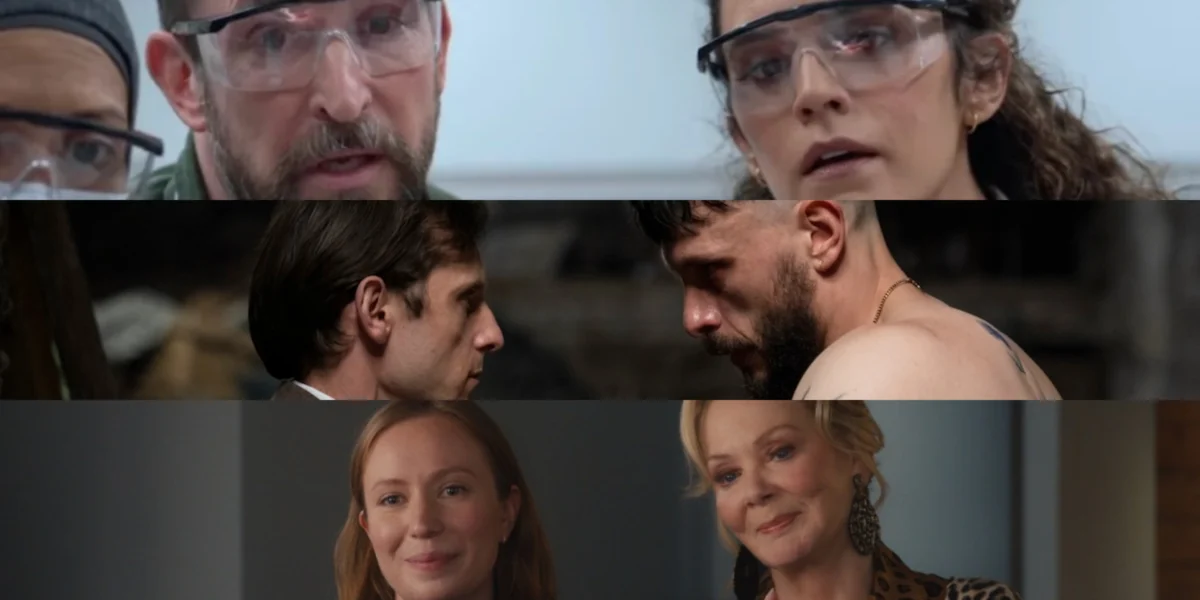
The Next Best Series Podcast has officially returned for a new installment featuring critics Alyssa Christian and Giovanni Lago, who joined host Matt Neglia to provide an in-depth analysis of the current television landscape and the burgeoning Emmy Awards season. This latest episode serves as a comprehensive briefing on the state of the industry, focusing specifically on the first set of Emmy nomination predictions published by the Next Best Picture editorial team. As the television medium continues to grapple with shifting distribution models and a congested release calendar, the podcast aims to distill the critical consensus surrounding high-profile dramas, comedies, and limited series that are currently vying for the attention of the Television Academy.
The Shift Toward Early Emmy Forecasting
The timing of this discussion coincides with a pivotal moment in the annual awards cycle. Traditionally, the Emmy race begins to take shape following the conclusion of the eligibility period on May 31, yet the modern era of "Peak TV" has necessitated year-round coverage. By releasing their first consensus picks early in the season, the Next Best Series team is tracking the momentum of series that have recently premiered or are slated for release within the current window. This analytical approach focuses on shows that have managed to generate significant critical heat despite a lack of traditional precursors, such as the Golden Globes or Screen Actors Guild (SAG) Awards, which often favor late-year releases.
The podcast highlights a unique subset of contenders this year—series that are competing in the Emmy race without the benefit of early-season awards momentum. This phenomenon is becoming increasingly common as streaming platforms like Apple TV+, HBO/Max, and Amazon Prime Video stagger their prestige releases to ensure a constant stream of high-quality content throughout the calendar year.
Critical Analysis of Key Contenders and New Releases
A significant portion of the episode is dedicated to evaluating specific titles that have recently entered the cultural zeitgeist. Among the most discussed is "Margo’s Got Money Troubles," a project that has garnered attention for its high-caliber creative team. Starring Elle Fanning, Nick Offerman, and Michelle Pfeiffer, the series is viewed as a formidable challenger in the acting categories. The panel notes that the involvement of David E. Kelley—a veteran showrunner with a prolific history of Emmy wins—provides the series with a level of institutional pedigree that Academy voters often reward.
In the realm of established hits, "The Boys" remains a central point of discussion. Now in its fourth season, the Amazon Prime Video series has transitioned from a cult favorite to a legitimate prestige drama contender. The podcast specifically highlights Antony Starr’s performance as Homelander, characterizing it as "god-tier" work that has consistently pushed the boundaries of the superhero genre. Despite the show’s graphic nature, its sharp political satire and character development have made it a recurring presence in the Emmy conversation, even as it enters its final stages of production.
The comedy landscape is also seeing a shift with the introduction of "Rooster," the new series from Bill Lawrence. Known for his success with "Ted Lasso" and "Shrinking," Lawrence’s collaboration with Steve Carell is being positioned as a "warm yet familiar" entry into the comedy race. The panel analyzes how Carell’s "reliable charm" serves as an anchor for the series, potentially making it a safe yet effective choice for voters looking for traditional half-hour excellence in an increasingly experimental genre.
Franchise Expansions and Legacy Returns
The discussion further extends to the evolution of major franchises. "A Knight Of The Seven Kingdoms," the latest expansion of the "Game of Thrones" universe, is noted for taking the typically grim Westeros setting in a "refreshingly comedic" direction. This tonal shift is viewed as a strategic move by HBO to diversify its portfolio while maintaining the high production values associated with the brand. Similarly, "The Madison"—a spin-off of the "Yellowstone" universe starring Michelle Pfeiffer—represents the continued dominance of Taylor Sheridan’s television empire and its ability to attract A-list talent to the small screen.
Perhaps most notably, the podcast addresses the return of "The Comeback," featuring Lisa Kudrow. The show’s enduring legacy and its ability to reinvent itself for a modern audience are cited as evidence of the "human connection" that remains a mainstay of successful television. The panel reflects on how Kudrow’s performance continues to resonate, even decades after the character’s debut, suggesting that the Academy may look toward established legends to anchor the nominations.

The Industry Context: "Industry" and the "Consensus Picks"
One of the most praised series in the current cycle is "Industry," which is currently airing its fourth season. The critics observe that the show "keeps reinventing itself," solidifying its status as "televisions sharpest prestige drama." The series, which explores the high-stakes world of international finance, has seen a steady rise in critical acclaim, moving from a niche favorite to a central pillar of HBO’s prestige lineup. Its inclusion in the "consensus picks" reflects a broader trend of "word-of-mouth" hits gaining traction as the voting period approaches.
The concept of "consensus picks" is a cornerstone of the Next Best Series methodology. By aggregating the opinions of multiple critics and industry observers, the podcast identifies early frontrunners who have established a baseline of support across the critical community. This data-driven approach allows for a more objective assessment of which shows are likely to break through the "noise" of a crowded marketplace.
The Business of Awards Coverage and the Podcast’s Role
The Next Best Series Podcast is a member of the Evergreen Podcasts Network, a partnership that underscores the growing importance of specialized media in the awards ecosystem. As the full version of the podcast is gated behind a Patreon subscription model—available for a nominal fee of $1 per month—it reflects the broader industry shift toward direct-to-consumer content. This model allows independent critics to maintain editorial autonomy while providing deep-dive analysis that is often missing from mainstream entertainment reporting.
The podcast also serves as a platform for audience engagement, encouraging listeners to review the show on platforms like Apple Podcasts and follow the hosts on social media. This "community-building" aspect is crucial for sustaining interest in the Emmy race during the "off-season," ensuring that shows released in the summer and fall are not forgotten when ballots are cast in the spring.
Chronology of the 77th Emmy Awards Season
To understand the context of this podcast episode, one must look at the timeline of the upcoming awards cycle. The 77th Primetime Emmy Awards will follow a strict schedule:
- June 1, 2024 – May 31, 2025: The official eligibility period for programs.
- Early June 2025: Nominations voting begins.
- Late June 2025: Nominations voting ends.
- July 2025: Official announcement of the Emmy nominations.
- August 2025: Final voting period for winners.
- September 2025: The 77th Primetime Emmy Awards ceremony.
By providing predictions and analysis months in advance, the Next Best Series team is attempting to forecast how the "narrative" of the season will evolve. History has shown that early frontrunners can either solidify their lead or be overtaken by late-breaking "dark horse" contenders.
Broader Implications for the Television Industry
The insights provided by Alyssa Christian, Giovanni Lago, and Matt Neglia suggest several broader implications for the television industry. First, the "prestige" label is no longer confined to traditional dramas; genre shows like "The Boys" and "A Knight Of The Seven Kingdoms" are now serious contenders for top honors. Second, the "star power" of actors like Nicole Kidman, Steve Carell, and Michelle Pfeiffer continues to be a primary driver for greenlighting new series, as their presence provides immediate "awards gravity."
Furthermore, the success of "Industry" and "The Comeback" indicates that audiences and critics alike are hungry for sophisticated writing that transcends simple genre tropes. As streaming services continue to consolidate and refine their content strategies, the Emmy Awards remain the ultimate arbiter of quality, influencing everything from subscription renewals to future production budgets.
In conclusion, the latest episode of the Next Best Series Podcast offers a vital snapshot of a medium in transition. Through a combination of critical expertise, industry data, and a deep understanding of the awards landscape, the hosts provide a roadmap for the months ahead. As the race for the 77th Emmy Awards intensifies, the consensus built by voices in the independent podcasting space will likely play a significant role in shaping the conversation that ultimately leads to the podium.