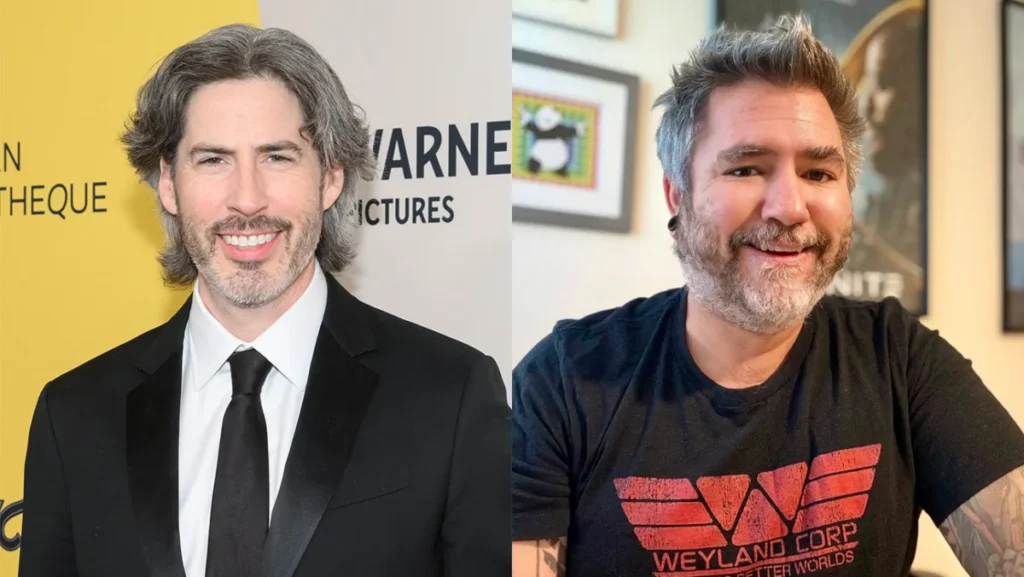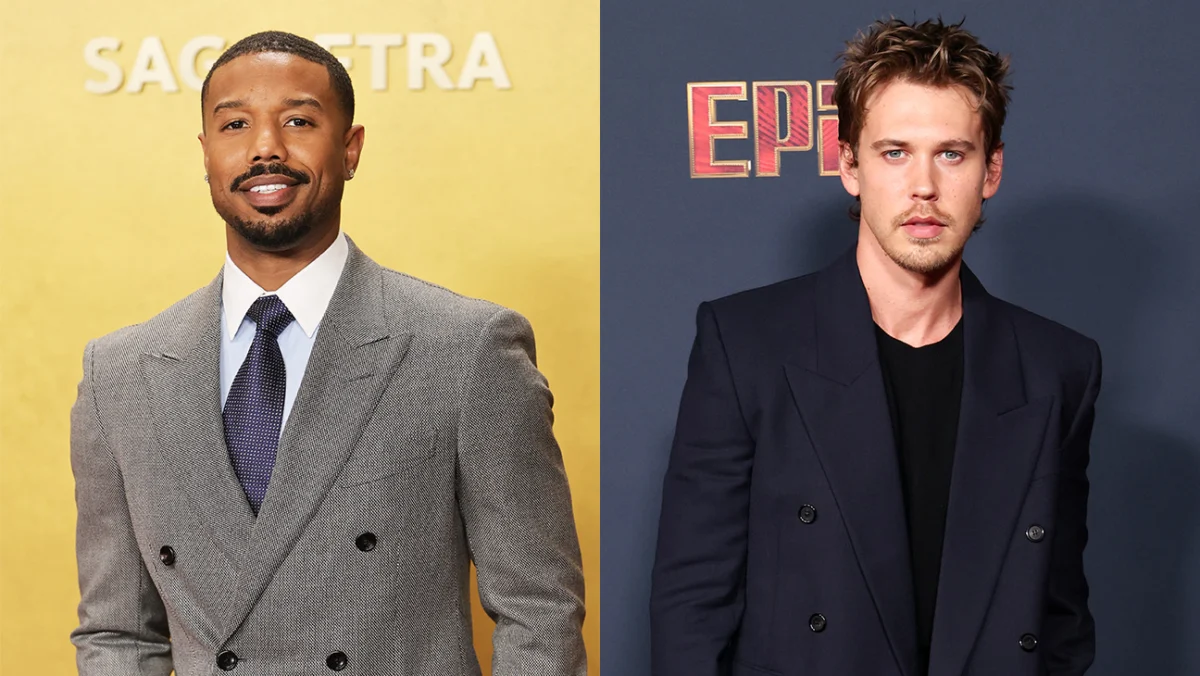
Universal Pictures has officially titled Joseph Kosinski’s highly anticipated Miami Vice movie as Miami Vice ’85, confirming a period setting that aims to transport audiences back to the vibrant, yet volatile, heart of the 1980s. The long-speculated casting of Michael B. Jordan as Ricardo "Rico" Tubbs and Austin Butler as James "Sonny" Crockett has been finalized, marking a significant development for one of Hollywood’s most iconic crime drama franchises. This announcement culminates months of negotiations and anticipation surrounding the project, setting the stage for a major cinematic event slated for release on August 6, 2027.
The film is poised to draw inspiration directly from the foundational narratives of the original 1980s NBC television series, specifically its groundbreaking pilot episode and inaugural season. This strategic decision to set the film firmly in 1985 differentiates it significantly from Michael Mann’s 2006 feature film adaptation, which starred Jamie Foxx and Colin Farrell in contemporary roles. Kosinski’s vision promises a deep dive into the specific cultural milieu, aesthetic, and socio-political climate of mid-eighties Miami, a period renowned for its distinctive fashion, burgeoning music scene, and simultaneous struggles with drug trafficking and organized crime. Production is slated to commence later this year, with Kosinski leveraging his signature use of IMAX cameras, a technique that proved instrumental in the immersive experiences of his recent blockbusters, Top Gun: Maverick and the upcoming F1: The Movie.
A Legacy of Style and Substance: The Original Miami Vice
To fully appreciate the significance of Miami Vice ’85, it is crucial to revisit the cultural phenomenon that was the original television series. Created by Anthony Yerkovich and executive produced by the legendary Michael Mann, Miami Vice premiered on NBC in 1984 and ran until 1990. The series was revolutionary for its time, transcending the conventional police procedural format to become a pop culture touchstone. Starring Don Johnson as the suave, enigmatic James "Sonny" Crockett and Philip Michael Thomas as the sharp, principled Ricardo Tubbs, the show redefined television aesthetics. Its distinctive visual style, characterized by pastel suits, T-shirts under Armani jackets, speedboats, and luxurious cars, set new trends in fashion and design.
Beyond its stylistic flair, Miami Vice was lauded for its innovative use of contemporary music, integrating chart-topping hits from artists like Phil Collins, Glenn Frey, and Jan Hammer’s iconic instrumental themes directly into the narrative. This fusion of visuals, fashion, and music created an immersive experience that mirrored the pulse of 1980s Miami, a city often depicted as a sun-drenched paradise grappling with a dark underbelly of crime, particularly the influx of narcotics. The series explored complex themes of morality, corruption, and the personal toll of undercover police work, earning critical acclaim and numerous awards, including several Emmys. Its influence extended globally, inspiring countless imitators and solidifying its place as one of the most influential television shows of all time.
The Previous Cinematic Attempt and the New Direction
The franchise’s first foray onto the big screen came in 2006 with Michael Mann’s Miami Vice, a film that, while visually striking and directed by one of the original series’ creative architects, opted for a starkly different approach. Mann’s film, starring Colin Farrell and Jamie Foxx, eschewed the vibrant, pastel-laden aesthetic of the original for a gritty, hyper-realistic, and contemporary portrayal of undercover operations. Set in the post-9/11 era, it leaned into the complexities of international crime syndicates, modern technology, and the psychological toll on its protagonists, offering a darker, more nihilistic vision. While it garnered a respectable box office, its critical reception was mixed, with some praising its stylistic audacity and others lamenting the departure from the original series’ iconic charm and vibrant energy.
The decision to title Kosinski’s film Miami Vice ’85 and explicitly set it as a period piece directly addresses this divergence. By returning to the year the original series truly hit its stride, the new adaptation signals a clear intent to honor and reinterpret the foundational elements that made the show a phenomenon. This approach allows Kosinski to explore the specific cultural zeitgeist of the mid-eighties, from its unique fashion and music to the socio-political dynamics that shaped Miami at that time, free from the constraints of updating it for a modern audience. It is a deliberate choice to lean into nostalgia while offering a fresh perspective on the characters and their world.
Joseph Kosinski’s Vision: Blending Spectacle with Narrative Depth
Joseph Kosinski, riding high on the critical and commercial success of Top Gun: Maverick — a film that masterfully blended nostalgic reverence with cutting-edge filmmaking — is an ideal choice to helm Miami Vice ’85. Known for his meticulous visual style, his commitment to practical effects where feasible, and his innovative use of IMAX cameras, Kosinski has demonstrated an ability to deliver immersive cinematic experiences that resonate with broad audiences. His work on Top Gun: Maverick proved he could take a beloved, dormant franchise and reinvigorate it with both thrilling action and genuine emotional depth, a skill set perfectly suited for the challenges and opportunities presented by Miami Vice.
Kosinski’s stated intention to "explore the glamour and corruption of mid-’80s Miami" suggests a nuanced approach. The film is expected to delve into the seductive allure of Miami’s high-stakes world, characterized by lavish parties, designer clothes, and fast cars, juxtaposed with the harsh realities of the drug trade, violence, and moral compromises faced by undercover detectives. His experience with high-octane sequences and character-driven narratives bodes well for a film that must balance explosive action with the subtle complexities of its protagonists’ lives. The use of IMAX cameras will undoubtedly enhance the visual splendor and gritty realism, allowing audiences to experience 1985 Miami in a truly immersive way, from its neon-lit nights to its sun-drenched days.
The Iconic Duo: Michael B. Jordan and Austin Butler
The casting of Michael B. Jordan as Ricardo Tubbs and Austin Butler as Sonny Crockett represents a formidable pairing of two of Hollywood’s most compelling actors. Both bring significant star power, critical acclaim, and a proven track record of delivering powerful performances.
Michael B. Jordan as Ricardo "Rico" Tubbs: Jordan has cemented his status as a leading man through a diverse range of roles. His portrayal of Adonis Creed in the Creed franchise showcased his athletic prowess, dramatic intensity, and ability to carry a major franchise, even stepping into the director’s chair for Creed III. His roles in films like Black Panther and the upcoming Sinners highlight his versatility and charisma. As Tubbs, Jordan is expected to bring a sophisticated blend of intellect, street smarts, and underlying intensity to the character, originally portrayed by Philip Michael Thomas. Tubbs, a New York City detective who comes to Miami seeking revenge for his brother’s murder, is the more grounded and methodical of the duo. Jordan’s ability to convey complex emotional states while maintaining a strong, authoritative presence makes him an exciting choice to redefine this iconic role for a new generation. Furthermore, Jordan is also set to direct, star, and produce a reimagining of The Thomas Crown Affair for Amazon MGM, underscoring his expanding influence in the industry.
Austin Butler as James "Sonny" Crockett: Butler’s career trajectory has been meteoric since his Oscar-nominated, transformative performance as Elvis Presley in Baz Luhrmann’s Elvis. His ability to fully embody an iconic figure, capturing both their outward charisma and inner turmoil, speaks volumes about his acting range. More recently, Butler has impressed audiences with his menacing turn as Feyd-Rautha Harkonnen in Dune: Part Two, further demonstrating his versatility. His upcoming roles in The Bikeriders, Masters of the Air, and the A24 crime thriller Enemies solidify his position as a highly sought-after talent. As Sonny Crockett, originally immortalized by Don Johnson, Butler faces the challenge of portraying a character defined by his cool demeanor, existential weariness, and a deep sense of moral ambiguity. Crockett is often seen as a lone wolf, deeply embedded in his undercover persona, blurring the lines between cop and criminal. Butler’s intense screen presence and capacity for embodying complex characters suggest he will bring a compelling new dimension to Crockett, balancing the character’s signature cool with the underlying vulnerability and psychological strain of his dangerous work.
The chemistry between Crockett and Tubbs is paramount to the success of Miami Vice. The original series thrived on the dynamic between Johnson and Thomas, a partnership built on mutual respect, contrasting styles, and an unspoken bond forged in the crucible of Miami’s criminal underworld. Jordan and Butler, both known for their strong screen presence, are anticipated to forge a similarly compelling on-screen relationship, bringing their own contemporary flair to the classic buddy-cop dynamic. Their differing acting styles—Jordan’s grounded intensity and Butler’s transformative magnetism—could create a fascinating interplay that drives the film’s narrative and emotional core.
The Creative Team and Production Timeline
The screenplay for Miami Vice ’85 has been penned by Dan Gilroy, known for his incisive and character-driven narratives in films like Nightcrawler. Gilroy’s involvement suggests a commitment to a story that is not just visually engaging but also psychologically rich and thematically resonant. An earlier draft of the screenplay was written by Eric Warren Singer, whose previous credits include American Hustle and Top Gun: Maverick. This evolution in screenwriters indicates a careful development process aimed at honing the narrative to perfectly capture Kosinski’s vision for the 1985 setting.
Producing the film are Dylan Clark, a veteran producer with a track record of successful blockbusters including The Batman and War for the Planet of the Apes, and Joseph Kosinski himself, underscoring his deep creative involvement beyond directing. This producing partnership suggests a strong commitment to both the artistic integrity and commercial viability of the project. The characters, of course, are based on Anthony Yerkovich’s original creations, ensuring a direct lineage to the beloved source material.
With production set to begin this year, the timeline allows for extensive pre-production to perfect the period aesthetic, from costume design and set dressing to vehicle acquisition, all crucial for authentically recreating 1985 Miami. The 2027 release date provides ample time for post-production, particularly given Kosinski’s penchant for intricate visual effects and his signature use of IMAX technology, which requires careful calibration and mastering.
Broader Implications and Industry Context
The announcement of Miami Vice ’85 fits squarely within a broader trend in Hollywood of revisiting beloved intellectual properties, particularly those from the 1980s, to capitalize on nostalgia while introducing them to new audiences. The success of Top Gun: Maverick highlighted the potency of this strategy when executed with reverence and innovation. Universal Pictures is clearly aiming for a similar blend of critical acclaim and box office triumph with this project.
Furthermore, the choice of a period setting for a major crime drama is notable. While many reboots opt for contemporary updates, films and television shows set in the 1980s continue to resonate culturally, tapping into a collective fascination with the era’s unique blend of optimism, excess, and burgeoning technological and social shifts. Miami Vice ’85 has the potential to become a definitive cinematic portrayal of this fascinating decade, much as the original series defined it for television.
The pairing of Michael B. Jordan and Austin Butler also carries significant weight. Both actors are at pivotal points in their careers, capable of drawing substantial audiences. Their collaboration under Kosinski’s direction for such an iconic franchise underscores Universal’s ambition for Miami Vice ’85 to be a tentpole release, a major cinematic event that will not only satisfy long-time fans but also captivate a new generation with its style, action, and compelling characters. As the production gears up, anticipation will only grow for what promises to be a vibrant and thrilling return to the neon-soaked streets of 1985 Miami.