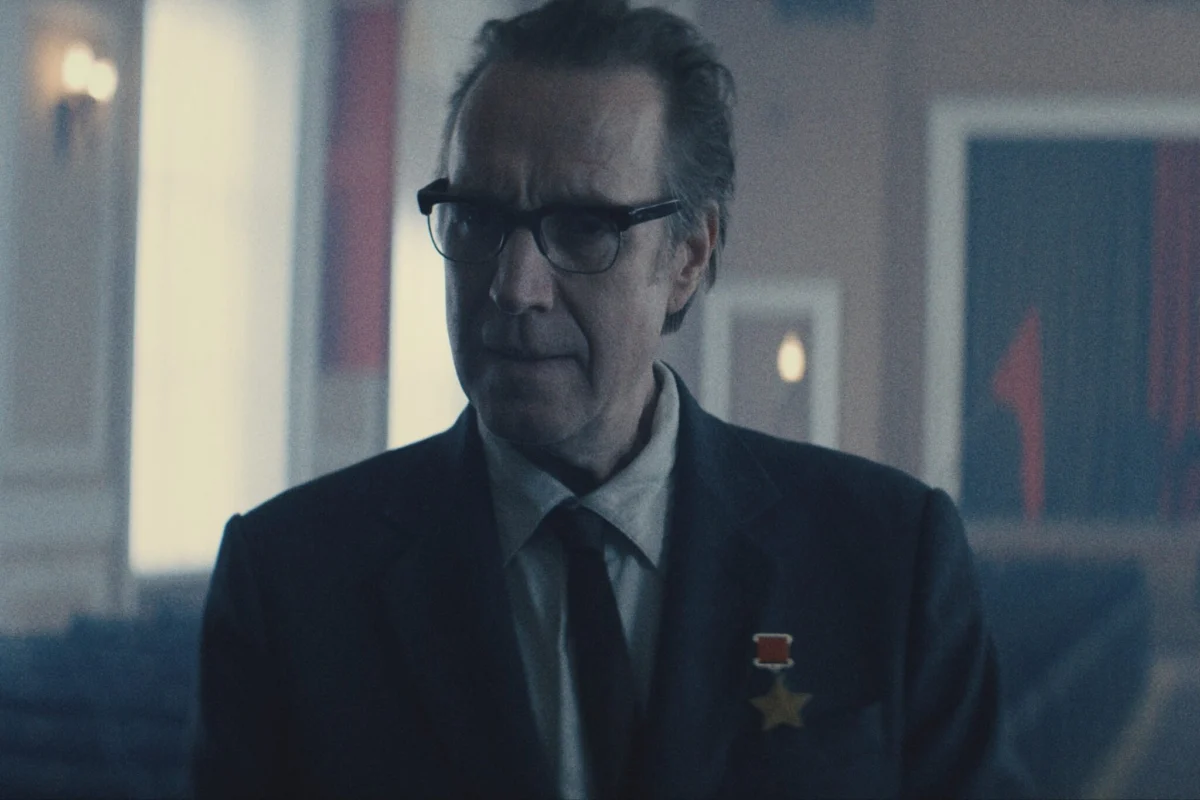
The alternate history landscape of For All Mankind has always been defined by the pivotal moment when the Soviet Union, not the United States, achieved the monumental feat of landing a human on the Moon. This singular divergence from our known timeline ignited a perpetual space race, pushing technological boundaries and geopolitical tensions to unprecedented heights. Now, the upcoming spinoff series, Star City, promises to plunge viewers into the heart of this intensified cosmic competition, shifting the focus behind the Iron Curtain to reveal the shadowy realities of the Soviet space program. The newly released trailer for Star City unequivocally signals that this altered reality did not usher in an era of peaceful exploration, but rather a tense and paranoid climate where betrayal lurks within the very corridors of power. At the epicenter of this internal struggle is Lyudmilla, a formidable figure determined to unmask a traitor, no matter the cost.
Apple TV+’s official synopsis for Star City offers a glimpse into the series’ thematic core, emphasizing a departure from the more outwardly focused narrative of its predecessor. It describes the series as a "propulsive, paranoid thriller" that revisits the crucial juncture of the Soviet lunar triumph. This time, however, the narrative will be told from the perspective of those operating within the Soviet Union, illuminating the lives of cosmonauts, engineers, and intelligence officers embedded within their space program. The synopsis underscores the immense risks undertaken by these individuals to advance humanity’s reach into the cosmos.
Rhys Ifans is slated to star as a character who appears to prioritize the safety of the cosmonauts above all else, a stark contrast to the likely punitive measures against any individual leaking sensitive information. The ensemble cast further boasts a roster of talented actors, including Agnes O’Casey, Alice Englert, Solly McLeod, Adam Nagaitis, Ruby Ashbourne Serkis, Josef Davies, and Priya Kansara. This assembly of talent suggests a rich tapestry of character-driven narratives set against the backdrop of high-stakes espionage and scientific endeavor.
Showrunners Matt Wolpert and Ben Nedivi, who also co-created For All Mankind with Ronald D. Moore, have indicated that Star City will diverge significantly from its parent series. A key distinction highlighted by the showrunners is the absence of time jumps, suggesting a more immediate and continuous unfolding of events, allowing for a deeper exploration of the characters and the pervasive atmosphere of suspicion within the Soviet program.
The strategic release date for Star City is Friday, May 29th, which coincides with the finale of For All Mankind‘s fifth season. This scheduling suggests a deliberate effort by Apple TV+ to capitalize on the existing fanbase and potentially create a narrative bridge or thematic resonance between the two series. While For All Mankind has already secured a sixth and final season, the future of Star City beyond its initial season remains unconfirmed.
The Divergence: A World Reshaped by Soviet Lunar Supremacy
The foundational premise of For All Mankind, and by extension Star City, hinges on a pivotal moment in July 1969. In our reality, Neil Armstrong and Buzz Aldrin planted the American flag on the lunar surface, a defining moment of the Cold War space race. However, in this alternate timeline, the Soviet cosmonaut Alexei Leonov achieved this historic feat months earlier, in April 1969. This early Soviet victory sent shockwaves through the United States, fueling a desperate and intensified effort to not only catch up but to surpass the Soviet Union in every facet of space exploration.
The implications of this divergence are profound. The perpetual space race depicted in For All Mankind has led to accelerated technological advancements in rocketry, computing, and life support systems. It has also fostered a climate of constant competition, with both superpowers pouring immense resources into their space programs, often at the expense of domestic priorities. This has reshaped global politics, with space achievements becoming potent symbols of national prestige and ideological superiority. The narrative of Star City delves into the internal ramifications of this intense pressure cooker within the Soviet Union.
Behind the Iron Curtain: A Glimpse into the Soviet Space Program
Star City, the fictionalized center of the Soviet space program, becomes the primary stage for the unfolding drama. This implies a deep dive into the organizational structure, internal politics, and the human cost of such a monumental undertaking. The series aims to offer a perspective rarely seen in Western media, showcasing the lives of the individuals tasked with maintaining Soviet dominance in space.
Key aspects of the Soviet space program that Star City is likely to explore include:
- The Korolev Legacy: Sergei Korolev, the chief designer of the Soviet space program, was a monumental figure. His genius and leadership were instrumental in many early Soviet successes, including Sputnik and the Vostok program. His death in 1966, in our timeline, was a significant blow. In the For All Mankind universe, his extended influence or the continued efforts of his successor would be crucial. Star City might explore the challenges of leadership and succession within such a critical and secretive organization.
- Cosmonaut Culture: The cosmonauts were national heroes, symbols of Soviet prowess. Their lives were meticulously managed, their training rigorous, and their public personas carefully curated. Star City will likely portray the immense pressure and isolation these individuals faced, as well as their personal sacrifices. The trailer hints at a deep camaraderie, but also the potential for deep-seated distrust.
- Engineering and Scientific Innovation: The Soviet Union’s space program was characterized by its ingenuity and resourcefulness, often working with fewer resources than its American counterpart. The series could highlight the brilliance of Soviet engineers and scientists as they pushed the boundaries of what was considered possible.
- Intelligence and Espionage: The intense geopolitical rivalry of the Cold War meant that every advancement in space technology was viewed through a lens of national security. The presence of intelligence officers within the space program, as indicated by the synopsis, suggests a constant battle against espionage, both internal and external. This is where the "paranoid thriller" aspect of Star City comes into play.
Unmasking the Traitor: A Paranoia-Fueled Thriller
The central conflict of Star City revolves around the discovery of a traitor within the program. This element promises to imbue the series with a palpable sense of suspense and psychological tension. The trailer suggests that Lyudmilla is the driving force behind this investigation, a character who will stop at nothing to identify the leak.
The implications of a traitor within the Soviet space program are vast:
- Compromised Missions: Leaked information could jeopardize future missions, leading to potential catastrophic failures and loss of life. This would not only be a scientific setback but also a devastating blow to Soviet national pride and their standing on the global stage.
- Geopolitical Ramifications: In the context of the Cold War, any intelligence advantage gained by the opposing superpower could have far-reaching consequences. A leak could tip the scales in the arms race, economic competition, or even influence diplomatic relations.
- Internal Purges: Historically, the Soviet Union was known for its harsh responses to perceived disloyalty, especially in matters of national security. The search for a traitor could lead to widespread investigations, interrogations, and potentially severe repercussions for those caught in the crossfire, even if innocent.
The Cast and Creative Team: A Foundation for Success
The casting of Rhys Ifans as a character focused on cosmonaut safety is a significant indicator of the show’s thematic direction. His presence suggests a moral compass within the shadowy world of espionage, a character who might represent the human element caught between the demands of the state and the well-being of its citizens.
The involvement of showrunners Matt Wolpert and Ben Nedivi, who have successfully navigated the complex narrative of For All Mankind, provides a strong foundation for Star City. Their decision to forgo time jumps indicates a commitment to a more character-focused and immediate storytelling approach, allowing for a deeper immersion into the paranoia and psychological pressures faced by those within the Soviet space program. This granular focus can amplify the thriller aspects of the narrative, making the audience feel the claustrophobia and suspicion alongside the characters.
A Strategic Release and Uncertain Future
The premiere of Star City on May 29th, the same day as the season finale of For All Mankind, is a calculated move by Apple TV+. This synchronicity suggests a desire to engage viewers with the For All Mankind universe during a peak moment of its current season, potentially drawing them into the new spinoff. The parallel release could also be intended to highlight the thematic connections between the two series, showcasing different facets of the same altered history.
The question of Star City‘s longevity remains open. While For All Mankind has been renewed for its sixth and final season, the future of its spinoff is yet to be determined. The success of Star City will likely depend on its ability to capture the audience’s imagination with its unique blend of historical revisionism, espionage, and character drama, carving out its own distinct identity within the established universe. The series has the potential to offer a compelling and thought-provoking exploration of a world where the space race never cooled, and the stakes of international competition reached new, perilous heights.