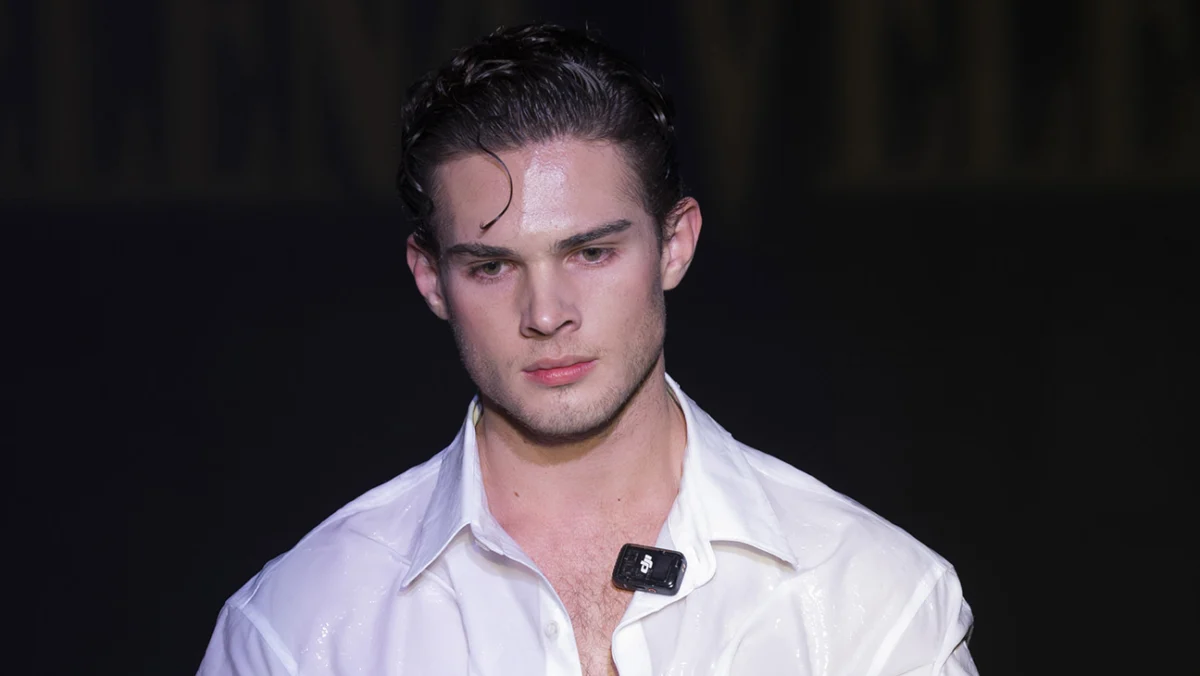
The global video-sharing platform YouTube has officially terminated the primary and secondary accounts of Braden Peters, a controversial digital creator known online as Clavicular. The removal of the channels, identified as @LiveWithClav and @ClavLooksmax, marks a definitive enforcement action by the Google-owned service following what it described as severe or repeated violations of its Community Guidelines. This development follows a period of heightened scrutiny surrounding Peters, whose content focused on the "looksmaxxing" subculture—a niche dedicated to the extreme optimization of physical appearance—and whose recent personal conduct during live broadcasts has sparked significant public concern and internal platform reviews.
The termination was confirmed through automated notices sent to Peters and a subsequent statement provided by a YouTube spokesperson to members of the press. According to the platform, the decision was not based solely on a single instance of misconduct but was rooted in a history of non-compliance. YouTube revealed that Peters’ original channel had been shuttered in late 2023 for "facilitating access to websites that violate our Illegal or regulated goods or services policies." The recent removal of his two active channels was categorized as an enforcement of YouTube’s "Terms of Service," which strictly prohibit creators from establishing new channels to circumvent an existing ban.
The Nature of the Content and the "Looksmaxxing" Subculture
Braden Peters rose to prominence within a specific segment of the "manosphere" known as looksmaxxing. This movement, which has gained substantial traction on platforms like TikTok and YouTube, encourages men to maximize their physical attractiveness through various means, ranging from basic skincare and fitness to more controversial practices like "bonesmashing" or seeking unregulated aesthetic procedures. Peters positioned his content as a form of "empowerment," offering what he described as free courses and livestreamed video-on-demand (VOD) sessions designed to help young men reach their perceived physical potential.
However, the looksmaxxing community has frequently drawn criticism for promoting body dysmorphia and providing a gateway to more radicalized online ideologies. While Peters maintained that his team worked diligently to adhere to YouTube’s Terms of Service (TOS)—claiming to blur inappropriate language and avoid sensitive topics—the platform’s moderation systems and human reviewers determined that the content crossed the threshold of acceptable conduct. The specific citation of "illegal or regulated goods or services" suggests that the channels may have been involved in the promotion of substances or procedures that fall outside of legal or safety guidelines, a common issue within fitness and aesthetic-focused influencer circles.
Chronology of Recent Events and the Miami Incident
The termination of Peters’ YouTube presence follows a turbulent several weeks for the creator, characterized by a high-profile medical emergency and professional fallout. On a recent evening in Miami, Peters was engaged in an "In Real Life" (IRL) stream on the platform Kick, a competitor to YouTube known for its more relaxed moderation policies. During the broadcast, which took place in public settings including a local mall and a restaurant, Peters appeared to suffer a severe health crisis.
Observers of the stream witnessed Peters in a state of physical distress, leading to his emergency hospitalization for a suspected substance overdose. The incident was captured live, documenting the moment medical professionals intervened. Following the event, Peters addressed the situation on X (formerly Twitter), admitting to using substances as a "cope" to handle the pressures of being in public while attempting to "feel neurotypical." He described the experience as "brutal" and expressed regret over the physical toll the event took on him, specifically noting the discomfort of being placed on life support.
The immediate aftermath of the hospitalization saw a rapid deterioration of Peters’ professional support structure. His public relations representative resigned shortly after the incident, citing the volatility of the situation and the risks associated with Peters’ ongoing conduct. This loss of professional representation coincided with the final review of his YouTube accounts, leaving the creator without a formal communication channel to contest the platform’s decision beyond his personal social media accounts.
YouTube’s Enforcement Policy and Ban Evasion
YouTube’s decision to terminate Peters’ accounts highlights the platform’s rigorous stance on "ban evasion." Under the company’s current policy, if a user’s channel is terminated, they are prohibited from using, owning, or creating any other YouTube channels. This policy is designed to prevent bad actors from simply migrating their audience to a new handle after a violation.
In the statement provided by a YouTube spokesperson, it was clarified that Peters had been flagged as a "repeat violator." His original channel termination in November 2023 had already placed him on a permanent blacklist. The creation of @LiveWithClav and @ClavLooksmax was viewed by the platform as a direct violation of the terms agreed upon by all users during account creation. While Peters argued on social media that he received "no warning or explanation," the platform’s internal logs indicated that the reasons—community guideline violations and circumvention—were communicated through the standard electronic notification process.
Data and Trends: The High Risk of IRL Streaming
The downfall of Clavicular serves as a case study for the growing concerns regarding IRL streaming and the mental health of digital creators. Data from various digital safety organizations suggest that the pressure to maintain high viewership numbers during unscripted, live broadcasts often leads creators to engage in increasingly risky behavior. The "manosphere" and "looksmaxxing" niches, in particular, are noted for their high levels of peer pressure and the promotion of unrealistic standards, which can exacerbate pre-existing mental health struggles.
Furthermore, the shift of controversial creators from YouTube to platforms like Kick has created a complex landscape for content moderation. While YouTube maintains a stricter "three-strikes" system and a low tolerance for the promotion of regulated goods, newer platforms often prioritize "creator freedom," which some critics argue can lead to dangerous situations like the one witnessed in Miami. The cross-platform nature of these incidents—where a violation occurs on one platform (Kick) but leads to increased scrutiny and enforcement on another (YouTube)—reflects a more integrated approach to safety by major tech companies.
Official Responses and Public Reaction
Following the loss of his channels, Peters took to X to appeal to his followers and the YouTube support team. He characterized the move as an unfair targeting of content that was intended to be helpful. "The channels consisted of livestream VODs and free courses created by me to help empower young men to be the best versions of themselves," Peters wrote in a post that garnered significant engagement from both supporters and critics.
The reaction from the broader streaming community has been divided. Supporters of Peters argue that "looksmaxxing" is a legitimate form of self-improvement and that his termination represents a "de-platforming" of male-centric content. Conversely, safety advocates and digital ethics experts have praised YouTube’s move, citing the potential harm of unregulated medical advice and the dangers of promoting substance use as a coping mechanism to a largely young and impressionable audience.
YouTube has remained firm in its stance, indicating that the termination is permanent and that any subsequent attempts by Peters to return to the platform under different aliases will be met with similar enforcement actions. The platform’s spokesperson emphasized that these policies are essential for maintaining a safe environment for all users and advertisers.
Broader Impact and Implications for the Creator Economy
The permanent removal of Clavicular from YouTube signals a tightening of the reigns on niche subcultures that skirt the boundaries of safety and legality. For the creator economy, this incident underscores the importance of platform diversification and the fragility of an audience built on a single service. Peters, who had invested significant time into building his "free courses" and VOD library, now finds himself without access to his primary revenue stream and distribution network.
Moreover, the incident raises questions about the "duty of care" that platforms owe to their creators. While YouTube’s termination was a reaction to policy violations, the preceding mental health crisis in Miami highlights a gap in how platforms monitor the well-being of those who generate content for them. As IRL streaming continues to grow, the industry may face increased pressure to implement "cooldown" periods or wellness checks for creators who exhibit signs of distress during live broadcasts.
For now, the case of Braden "Clavicular" Peters remains a stark reminder of the consequences of violating platform terms and the volatile nature of internet fame. As he attempts to rebuild his brand on alternative platforms, the digital footprint of his "looksmaxxing" empire on YouTube has been effectively erased, leaving a void in a community that remains under the watchful eye of regulators and platform moderators alike.