Following a successful year for Bangladeshi cinema on the international stage, marked by three acclaimed titles finding their way into the program at the prestigious International Film Festival Rotterdam, a distinct and thought-provoking work by director Asif Islam, "King in the Land of Princess," has garnered significant attention. This film offers a unique examination of traditional jatra theatre, a vibrant folk art form from Bengal and Bangladesh, presented through a lens that blends documentary realism with dramatic narrative. Its premiere in Moscow, following the screening of Islam’s previous acclaimed work, "Nirvana," underscores the director’s consistent engagement with culturally rich subjects and his growing international profile. Starring one of Bangladesh’s most popular actresses, Ashna Habib Bhabna, the film was meticulously shot across seven consecutive nights in front of live audiences, imbuing it with an authentic, immersive quality that is central to its powerful commentary on cultural evolution.
Unveiling Jatra: The Soul of Bengali Folk Theatre
To fully appreciate the nuanced layers of "King in the Land of Princess," an understanding of jatra theatre is paramount. Jatra, literally meaning "journey" or "procession," is an ancient and enduring form of folk theatre that originated in the Bengal region, encompassing both present-day Bangladesh and the Indian state of West Bengal. Its roots can be traced back to devotional performances and religious processions, particularly those associated with the Bhakti movement, which emphasized ecstatic singing and storytelling to convey spiritual messages.
-
Historical Roots and Cultural Significance: Over centuries, jatra evolved from primarily religious themes to incorporate historical narratives, mythological tales, and eventually, social commentary. In its golden age, jatra served as a vital medium of mass communication and entertainment, particularly in rural areas where it often was the sole source of public performance. It played a crucial role in shaping public opinion, disseminating moral lessons, and preserving cultural heritage through generations. Its open-air settings, often in village squares or temple grounds, made it accessible to all strata of society, fostering a strong sense of community engagement. The performances were not merely entertainment; they were cultural events, drawing large crowds and creating a festive atmosphere that could last for entire nights.
-
Defining Characteristics of Jatra Performance: Jatra is characterized by its exuberant, music-driven, and highly dramatic performances. Unlike Western proscenium theatre, jatra traditionally features a minimalist set, placing emphasis on the performers’ expressive acting, singing, and dancing. The costumes are often elaborate and vibrant, reflecting the mythological or historical characters portrayed, while makeup is bold and theatrical, designed to be visible from a distance in open-air settings. Music is integral, with live orchestras (often featuring harmonium, tabla, dhol, and clarinet) providing a constant backdrop of melodies, rhythmic beats, and dramatic flourishes that underscore emotional shifts and narrative developments. Dialogues are typically loud, declamatory, and often delivered in a sing-song manner, ensuring they carry across large crowds. Direct audience interaction, including spontaneous reactions, cheers, and even interjections, is a hallmark of jatra, blurring the lines between performers and spectators and creating a dynamic, participatory experience.
-
Modern Challenges to Jatra’s Legacy: In the contemporary era, jatra faces significant challenges to its survival. The advent of modern entertainment forms—cinema, television, and more recently, digital streaming platforms and social media—has profoundly impacted its audience base. Urbanization has drawn people away from traditional rural entertainment, and changing lifestyles have reduced the leisure time available for all-night performances. Many jatra troupes struggle financially, and the younger generation is often less inclined to pursue it as a profession due to dwindling opportunities and prestige. Despite these challenges, there are ongoing efforts by cultural organizations, government bodies, and dedicated artists to preserve and revitalize jatra, recognizing its irreplaceable value as a living cultural heritage. These efforts include workshops, festivals, and attempts to adapt jatra to modern contexts without losing its essence.
The Vision Behind "King in the Land of Princess": Asif Islam’s Filmmaking Approach
Director Asif Islam, known for his nuanced storytelling and ability to capture the essence of Bangladeshi culture, embarks on a compelling cinematic journey with "King in the Land of Princess." His previous work, "Nirvana," which also screened at international festivals, demonstrated his capacity to explore complex human emotions and societal themes with a distinct visual style. With "King in the Land of Princess," Islam turns his gaze to the often-overlooked world of traditional jatra, not merely as a subject but as a dynamic backdrop against which universal themes of change, identity, and the relentless march of modernity unfold.
-
Director’s Previous Works and Thematic Interests: Islam’s filmography often delves into the socio-cultural fabric of Bangladesh, exploring the struggles and triumphs of individuals against larger societal forces. His work is characterized by a commitment to authenticity and a keen eye for detail, which serves him well in depicting the intricate world of jatra. His choice of subject matter often reflects a desire to preserve or highlight aspects of Bangladeshi heritage that might be fading or undergoing transformation.
-
Conception and Production: The inspiration behind "King in the Land of Princess" appears to stem from a desire to document and critically examine the current state of jatra. Islam’s decision to shoot the film in a traditional 4:3 aspect ratio is a deliberate aesthetic choice, mirroring the historical aspect ratio of early cinema and perhaps even the enclosed, focused view of a stage. This choice lends a timeless quality to the visuals and reinforces the film’s engagement with tradition. The most striking aspect of the production, however, is the immersive filming strategy: "seven consecutive nights in front of live audiences." This approach was not merely a logistical choice but a profound artistic one, aiming to capture the raw, unscripted energy, the spontaneous interactions, and the authentic atmosphere of live jatra performance. By filming over several nights, Islam could observe the natural ebb and flow of audience engagement, the performers’ endurance, and the subtle shifts in the dynamic between tradition and expectation. This method blurs the lines between documentary and fiction, lending the film an almost ethnographic quality while still telling a compelling dramatic story.
Narrative Weave: A Dual Perspective on Performance and Reality
"King in the Land of Princess" masterfully employs a dual narrative structure, weaving together two parallel arcs that provide a comprehensive and often poignant look at the world of jatra. This structural choice is key to the film’s ability to function both as a documentary-like recording and a compelling drama.
-
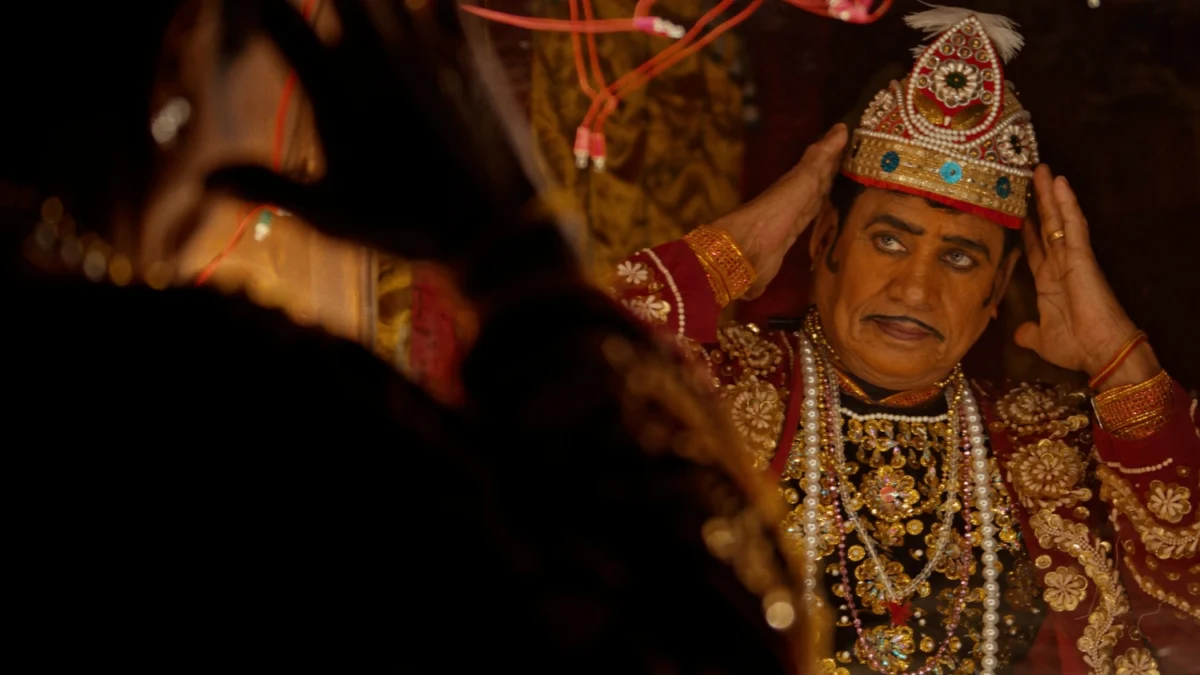
The Unfolding Drama: Onstage vs. Backstage: The film’s story begins with the familiar sounds of preparation: a sound check for the opera, an announcer calling the crowd, and backstage footage revealing the meticulous process of performers dressing and applying their elaborate makeup. However, the initial harmony is immediately disrupted by a crucial backstage problem: Princess Rosie, the star of the play "Nawab Siraj-ud-Doula" and a performer who has traveled from Dhaka, has not received her payment. This immediate introduction of a very real, contemporary issue sets the tone for the film’s exploration of the economic realities faced by traditional artists. Despite this significant financial hurdle, the show, as they say, must go on. The announcer, after completing the sound check, continues to urge people to attend the performance, even later singing to the crowd during intermission, highlighting the tireless efforts to draw and engage audiences in an increasingly competitive entertainment landscape.
From this point, the narrative consistently unfolds through its two parallel arcs. One arc meticulously presents what is happening on stage, capturing the theatrical grandeur and dramatic intensity of the jatra performance itself. This segment often adheres to documentary rules, functioning as an authentic recording of the play "Nawab Siraj-ud-Doula" and showcasing the traditional form in action. The other arc delves into the intricate and often turbulent world behind the curtains—the backstage activities, the personal struggles, and the logistical challenges that profoundly impact the onstage unfolding. This interplay between the idealized performance and the gritty reality forms the core tension of the film.
-
The Clash of Eras: Tradition Meets Modernity: As the narrative progresses, a central conflict emerges, articulating the film’s eloquent comment on the inevitable clash between modernity and tradition. It becomes increasingly evident that the audience’s preferences are shifting; they are drawn more to the vibrant "singing and dancing" elements of jatra rather than the intricate dramatic narratives and classical storytelling. This tendency is further intensified by the presence of Princess Rosie, who, in addition to being a jatra performer, has also emerged as an "Instagram celebrity." Her modern fame and appeal inadvertently highlight the audience’s growing appetite for contemporary forms of entertainment and celebrity culture, even within a traditional setting. The film subtly suggests that Rosie’s dual identity—as both a traditional artist and a digital influencer—symbolizes the complex bridge (or chasm) between the past and the present.
This shift in audience preference creates immense pressure on Nawab, the jatra master, who embodies the spirit of traditional jatra. He faces the agonizing possibility of not even being able to finish the traditional play "Nawab Siraj-ud-Doula" due to the crowd’s reactions, which are increasingly swayed by the more immediate, song-and-dance oriented segments. This struggle of Nawab becomes a powerful metaphor for the broader challenges faced by traditional art forms globally—the struggle to maintain authenticity and artistic integrity in the face of evolving tastes and the pervasive influence of mass media. The film’s narrative, therefore, becomes a poignant observation of how modernity gradually encroaches upon and potentially overcomes tradition, a historical tendency that resonates across various cultures and eras.
Cinematic Craftsmanship: Visuals, Sound, and Pace
Asif Islam’s directorial prowess is evident not only in his thematic exploration but also in the sophisticated cinematic techniques employed to bring "King in the Land of Princess" to life. The film’s visual style, sound design, and editing choices are meticulously crafted to enhance its dual narrative and underscore its central commentary.
-
Cinematography: Delineating Worlds: Islam’s cinematography plays a crucial role in differentiating between the two parallel worlds of the film: the vibrant, public stage and the intimate, often tumultuous backstage. While the emphasis on "intense colors" permeates the visuals throughout—evident in the elaborate costumes, bold makeup, glittering accessories, the makeshift tent, and even the tickets sold—it serves a dual purpose. On stage, these colors contribute to the spectacle of jatra, an art form inherently designed for visual flamboyance. Backstage, they highlight the contrast between the performers’ glamorous facades and their raw, unadorned realities.
The backstage segments are composed almost exclusively of close-ups. This deliberate choice creates a sense of intimacy and claustrophobia, drawing the viewer into the personal spaces and emotional states of the performers. It allows for a detailed observation of their expressions, their anxieties, and their human vulnerabilities, often stripped of their theatrical personas. However, this intense focus, as noted by some critics, can become "somewhat tiring after a point," demanding a sustained engagement with individual faces and their immediate surroundings. In stark contrast, the onstage sequences predominantly utilize medium and long shots. This wider perspective captures the grandeur of the jatra performance, the interaction between multiple characters, and the overall dynamic of the stage. The occasional zoom on the audience serves to emphasize their reactions and their integral role in the jatra experience, reinforcing the participatory nature of this folk art. This distinct visual strategy effectively delineates the public and private spheres, enhancing the film’s documentary-like authenticity and dramatic impact.
-
Sound Design: An Auditory Tapestry: The film’s sound design is a remarkable achievement, skillfully blending the vibrant music of jatra with the natural sounds of the crowd and the bustling backstage activity. This appealing approach creates an auditory tapestry that immerses the audience in the film’s world. The constant presence of the live orchestra, the rhythmic clapping of the audience, the calls of the announcer, and the murmurs of backstage conversations all contribute to a rich, authentic soundscape. This blend is crucial for conveying the energy of a live performance and the constant interplay between the staged and the real. However, the "rather prima musical style" of jatra, with its distinct melodies, vocalizations, and instrumentation, does demand "some familiarity with its particularities" from the viewer. For those unaccustomed to Bengali folk music, it might require an adjustment, yet it is precisely this authenticity that strengthens the film’s cultural immersion. The excellent work in sound design ensures that the auditory experience is as compelling and informative as the visual one.
-
Editing: Pacing the Narrative: Asif Islam’s role as editor for his own film results in a "relatively slow tempo." This deliberate pacing is not a flaw but a stylistic choice that allows many scenes to "linger," giving the audience time to absorb the emotions, observe the details, and reflect on the unfolding commentary. The lingering shots, particularly in the backstage segments, contribute to the documentary feel, allowing moments of unvarnished reality to breathe. Despite this measured pace, the thoughtful "alternation" between the onstage performances and the backstage drama still provides the narrative with a crucial "sense of movement." This rhythmic interplay ensures that the film never feels stagnant, even as it takes its time to develop its themes and characters. The editing skillfully balances the need for contemplation with the imperative of narrative progression, creating a rhythm that mirrors the extended duration of a jatra performance itself.
Performances: Anchoring the Emotional Core
The emotional resonance and thematic depth of "King in the Land of Princess" are powerfully anchored by its compelling performances, particularly from its two lead actors who embody the film’s central conflict.
-
Arabinda Majumdar as Nawab: Arabinda Majumdar delivers a particularly "impactful performance" as Nawab, the jatra master. His portrayal is a masterclass in subtlety and gravitas. Nawab is the custodian of tradition, a figure who represents the enduring spirit of jatra, yet also its vulnerability in the face of change. Majumdar conveys this complex character with profound depth, his "silences proving as eloquent as his words." Through his measured expressions, his weary resolve, and the quiet dignity he brings to the role, Majumdar articulates the struggle of an artist watching his cherished art form potentially become obsolete before his very eyes. His performance evokes a strong sense of drama and nostalgia, carrying the narrative’s emotional weight for much of its duration. He embodies the internal conflict of preserving heritage while confronting the realities of a changing world, making his character deeply sympathetic and memorable.
-
Ashna Habib Bhabna as Princess Rosie: Equally convincing in her role is Ashna Habib Bhabna, who portrays Princess Rosie. Bhabna masterfully navigates the dual identity of her character: a talented jatra performer and a modern "Instagram celebrity." She convincingly embodies the celebrity persona, exuding a contemporary allure that contrasts sharply with the traditional setting. Her character is pivotal in illustrating the film’s central thesis about modernity’s impact on tradition. Rosie represents the potential bridge—or perhaps the divide—between the old and the new, her popularity drawing from both traditional performance and digital fame. Bhabna’s performance highlights the challenges and opportunities faced by artists attempting to reconcile these two worlds. The dynamic tension created by her presence, both as a traditional artist and a modern influencer, is a driving force in the narrative.
-
Ensemble Cast and Authenticity: The performances of both Majumdar and Bhabna on stage stand among the strongest elements of the work, capturing the theatricality and emotional intensity required for jatra. Beyond the leads, the ensemble cast, comprised of other jatra performers, contributes significantly to the film’s documentary-like authenticity. Their collective performances, whether in their onstage roles or in their candid backstage moments, enrich the film’s portrayal of the jatra troupe as a microcosm of a larger cultural struggle.
Broader Implications and Cultural Discourse
"King in the Land of Princess" transcends its immediate narrative to spark a broader discourse on critical cultural and societal issues. Its astute observations have far-reaching implications for the future of traditional arts, the role of Bangladeshi cinema, and the global impact of cultural shifts.
-
The Future of Folk Arts in a Digital Age: The film serves as a poignant case study for the universal struggle faced by traditional art forms in an increasingly globalized and digitally driven world. Jatra, like many indigenous performing arts, finds itself at a crossroads, contending with declining audiences, economic pressures, and the pervasive influence of easily accessible, contemporary entertainment. The film implicitly asks: How do traditional arts adapt without losing their essence? Can modern platforms like Instagram, which fuel Princess Rosie’s celebrity, be leveraged to revitalize ancient forms, or do they inevitably dilute them? "King in the Land of Princess" doesn’t offer easy answers but rather presents a nuanced reflection on these complex questions, urging viewers to consider the value of preserving cultural heritage against the relentless tide of technological advancement and shifting consumer tastes. It contributes significantly to the ongoing global conversation about cultural preservation and the sustainability of intangible cultural heritage.
-
Bangladesh on the Global Cinematic Map: The film’s success at international festivals, alongside other Bangladeshi titles, signifies a growing recognition of Bangladeshi cinema on the global stage. Directors like Asif Islam are demonstrating that culturally specific stories, rooted in local traditions and socio-political realities, possess universal appeal and can resonate with diverse international audiences. This trend positions Bangladesh as an increasingly important voice in world cinema, capable of telling compelling narratives that offer unique perspectives on human experience, cultural identity, and societal change. The film’s ability to tackle a subject as specific as jatra theatre while addressing universally understood themes of tradition versus modernity underscores the maturity and sophistication of contemporary Bangladeshi filmmaking.
-
Engaging Audiences with Authenticity: By presenting an authentic, unvarnished look at a traditional art form, "King in the Land of Princess" challenges its audience while simultaneously rewarding them. The film demands a certain level of engagement and openness, particularly with its "prima musical style" and slower pace. However, this commitment to authenticity is precisely what gives the film its power and lasting impression. It encourages viewers to step outside their comfort zones, to learn about a different cultural expression, and to reflect on their own relationship with tradition and modernity. The film’s effectiveness in sparking dialogue about cultural heritage, the responsibilities of artists, and the evolving nature of entertainment cannot be overstated. It reminds us that art, in all its forms, continues to be a vital mirror reflecting our past, present, and potential futures.
Conclusion: A Lasting Impression of Art and Change
"King in the Land of Princess" stands as a commendable achievement, succeeding both as a deeply observational, documentary-like piece and as a compelling drama. Its central comment on the gradual triumph of modernity over tradition is presented in a clear, effective, and profoundly moving manner, resonating with audiences far beyond the cultural context of jatra. The film’s strength is undeniably amplified by the exceptional performances, particularly those of Arabinda Majumdar as the beleaguered jatra master and Ashna Habib Bhabna as the celebrity performer bridging two worlds. While the combination of its two narrative approaches occasionally falters, particularly in the onstage segments which, as noted, demand a certain familiarity with the musical and performative style of jatra, the overall result is overwhelmingly positive. Asif Islam’s film leaves a lasting impression, prompting viewers to reflect on the fragility of cultural heritage, the relentless march of change, and the enduring power of art to both reflect and shape our world. It is a vital contribution to contemporary Bangladeshi cinema and a powerful cinematic testament to a vanishing art form.