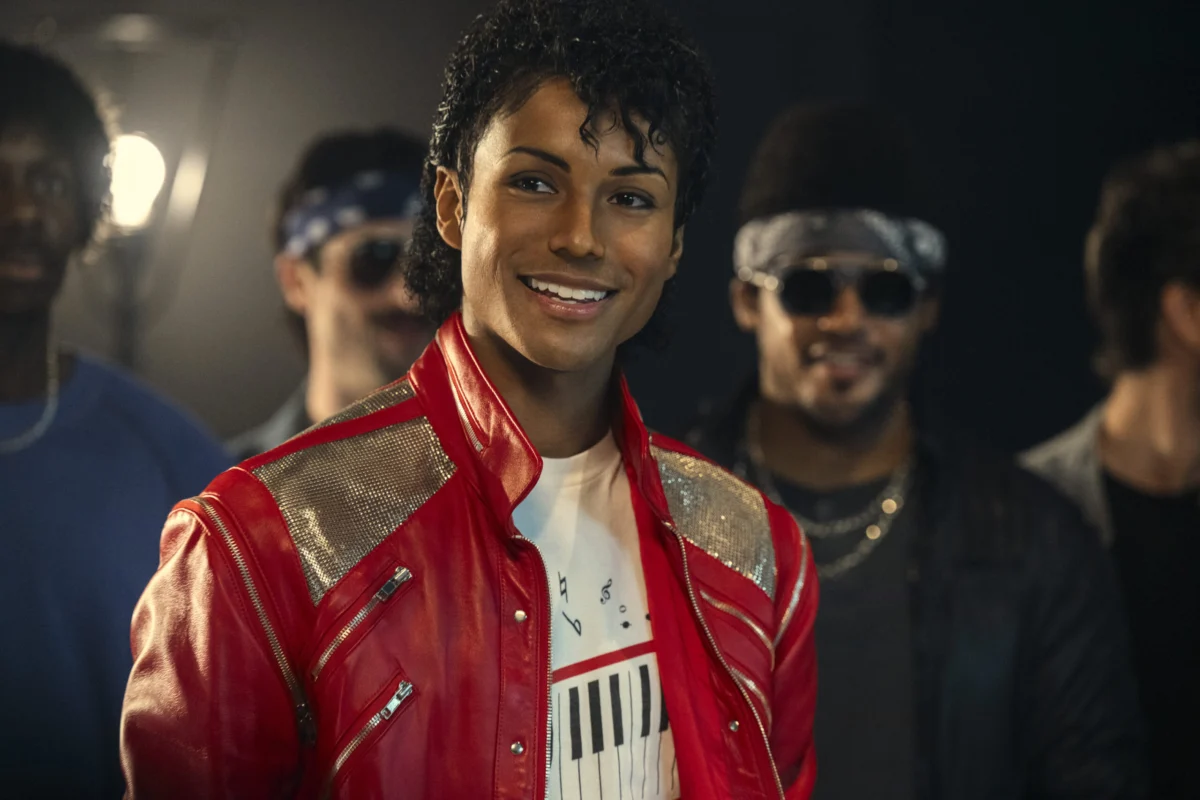
The highly anticipated Michael Jackson biopic, Michael, produced by Lionsgate, nearly presented a significantly different narrative on screen, a transformation that led to substantial additional compensation for its director, Antoine Fuqua, and producer, Graham King. The film, which debuted in April 2026, underwent extensive reshoots to overhaul its third act, a decision driven primarily by complex legal considerations stemming from a prior settlement involving one of Jackson’s accusers. This strategic pivot not only altered the film’s content but also added tens of millions to the project’s budget, primarily funded by the Michael Jackson Estate.
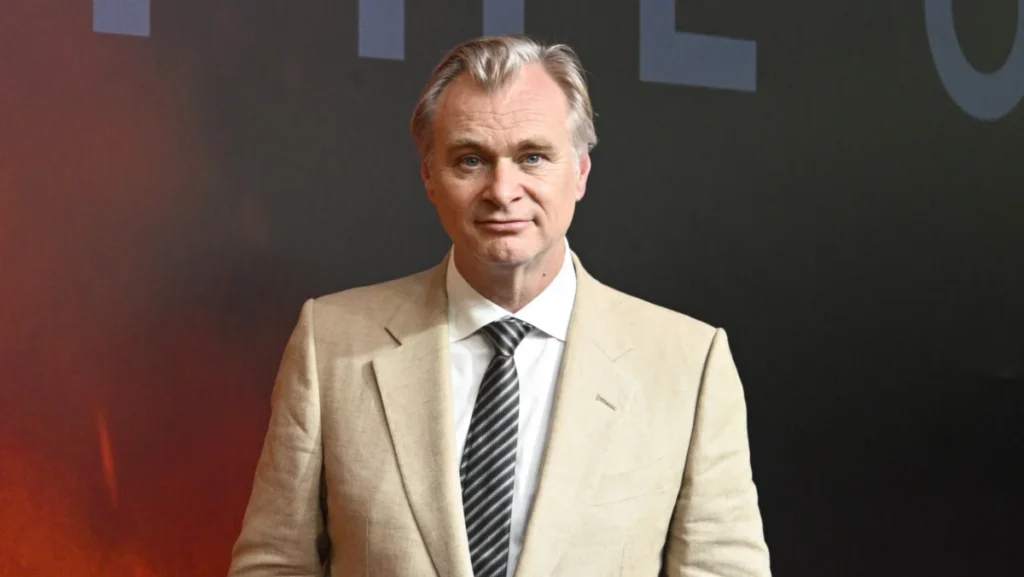
A comprehensive report by Bloomberg, published as Michael premiered in theaters, detailed the financial restructuring. Director Antoine Fuqua, initially slated to earn $10 million for his directorial efforts, secured an additional $15 million for overseeing the extensive reshoots, bringing his total earnings to $25 million. Similarly, producer Graham King, whose initial compensation was set at $6 million, received an extra $10 million, elevating his total to $16 million. These figures underscore the significant cost and logistical complexities involved in reshaping a major motion picture, particularly one grappling with sensitive biographical details and legal mandates.
A Shifting Narrative and Escalating Costs
The initial vision for Michael reportedly included a more comprehensive portrayal of the King of Pop’s life, encompassing the child sexual abuse allegations that emerged against him during his career. These allegations were intended to form a substantial part of the film’s third act. However, the production encountered a critical legal hurdle: a prior settlement between the Jackson estate and an accuser stipulated that this individual could not be depicted in future commercial projects. This legal constraint necessitated a radical re-evaluation of the film’s concluding segment, leading to its complete overhaul.
A spokesperson for Graham King clarified the rationale behind the increased paydays, stating, "Graham King worked on the Michael film for seven years. Because the film needed to go back into production and a new budget developed, King and Antoine Fuqua had to postpone other projects and commitments. This was part of the newly formed budget and an advance against the film." This statement highlights the opportunity cost incurred by key creatives when a production’s timeline extends dramatically, forcing them to defer or abandon other lucrative engagements. The "advance against the film" suggests that these additional payments were a combination of compensation for extended work and a front-loaded share of potential future profits, reflecting the high stakes and commercial expectations surrounding the biopic.
The Legal Imperative: Reshaping the Third Act
The decision to scrap the original third act and remove references to the child sexual abuse allegations was a pivotal moment in the film’s production. While the legal settlement was the primary catalyst, industry observers also noted concerns that including such contentious elements could significantly damage the film’s box office performance. Biopics, especially those about iconic but controversial figures, often walk a tightrope between artistic integrity, historical accuracy, and commercial viability. In this instance, the latter two factors, heavily influenced by legal constraints, seemingly dictated the final narrative.
The extensive reshoots involved an additional 22 days of filming, which took place in June 2025. This significant undertaking pushed the film’s release date back by a full year, from its original target of April 2025 to April 2026. The revised narrative now concludes in 1988, a strategic cutoff point that avoids the most prominent period of the allegations, which largely surfaced in the early 1990s and later, notably with the Leaving Neverland documentary in 2019. This decision leaves a considerable portion of Jackson’s life, including his later career, personal struggles, and eventual death in 2009, unexplored within the current film’s scope. This narrative truncation has led filmmakers to openly consider a sequel to continue telling more of Jackson’s complex story, a move that could potentially capitalize on the initial film’s success while allowing for a more controlled, segmented approach to his contentious later years.
Financial Windfall and Production Challenges
The additional $25 million in combined payments for Fuqua and King represents a substantial financial commitment, especially when considering the overall budget of a major studio production. While specific budget figures for Michael have not been widely disclosed, such significant adjustments for director and producer compensation alone indicate a project with a substantial financial backing, likely exceeding $100 million before marketing. The Michael Jackson Estate’s willingness to fund these extensive reshoots underscores its profound interest in shaping Jackson’s posthumous public image and controlling the narrative presented in this high-profile biopic.
Reshoots, while common in Hollywood, are typically costly and complex, often necessitated by poor test screenings, creative disagreements, or, as in this case, unforeseen legal challenges. They involve re-assembling cast and crew, re-securing locations, and often re-writing significant portions of the script. For a film of Michael‘s scale, with a lead actor (Jaafar Jackson) portraying an iconic figure, the logistical hurdles would have been immense. The fact that Fuqua and King were compensated handsomely for these additional commitments reflects the industry standard for securing top-tier talent for extended periods and acknowledging the disruption to their professional schedules.
Navigating Controversy: Critical and Public Reception
Despite the extensive efforts to refine its narrative and avoid direct engagement with the most contentious aspects of Jackson’s life, Michael has faced a mixed reception. Critics, as evidenced by its 38 percent rating on Rotten Tomatoes, have largely offered negative reviews. Common criticisms often revolve around the film’s perceived reluctance to address Jackson’s controversies head-on, its narrative choices, or its overall artistic merit.
However, the film has defied critical expectations at the box office. Initial projections indicate a domestic gross between $94 million and $100 million, with a global launch nearing $200 million. This commercial success highlights a common dichotomy in the film industry: critical acclaim does not always correlate with audience turnout, especially for biopics of beloved cultural figures. The enduring global fascination with Michael Jackson, coupled with the casting of his real-life nephew, Jaafar Jackson, likely played a significant role in drawing audiences despite the lukewarm critical response. The film’s focus on Jackson’s rise to fame, from his childhood in the Jackson 5 during the 1960s to his emergence as the King of Pop, appears to resonate with fans eager for a celebratory portrayal of his musical genius.
Beyond critical reviews, the film continues to generate discussion surrounding the very controversies it sought to sidestep. James Safechuck, one of the two men whose allegations of childhood sexual abuse by Jackson were central to HBO’s 2019 documentary Leaving Neverland, released a video message addressed to other survivors of childhood sexual abuse shortly after the film’s release. This act underscores the ongoing societal conversation surrounding Jackson’s legacy and the challenges inherent in crafting a biopic that satisfies all stakeholders – the estate, fans, critics, and those impacted by the allegations.
Broader Implications for Biopics and Legacy
The production saga of Michael offers valuable insights into the complexities of creating biopics, particularly those about figures with deeply contested legacies. It illustrates the immense pressure from legal teams, the estates of subjects, and commercial interests to shape a narrative that is both palatable to a wide audience and legally defensible. The decision to conclude the film in 1988, while legally pragmatic, inevitably presents an incomplete picture of Jackson’s life and career. This choice raises questions about the responsibility of biopics to portray the full spectrum of their subjects’ lives, including their flaws and controversies, or whether they can legitimately choose a specific period or angle.
The cutting of scenes featuring actress Kat Graham as Diana Ross, also attributed to "legal considerations," further highlights the meticulous and often difficult process of clearing rights and managing potential liabilities when depicting real individuals in commercial projects. Such instances reveal the intricate web of intellectual property, personality rights, and defamation laws that filmmakers must navigate.
The potential for a sequel to Michael is a significant implication of the current film’s narrative choices. By ending in 1988, the filmmakers have effectively created a narrative vacuum that can be filled by subsequent installments. This strategy could allow for a more nuanced or, conversely, a more selective approach to later periods of Jackson’s life, potentially addressing controversies in a controlled manner or continuing to focus on his artistic achievements. This multi-part approach is not unprecedented in biopics, offering studios a way to manage risk and maximize franchise potential.
Looking Ahead: Sequels and Legacy
The commercial success of Michael, despite its critical reception and the controversies surrounding its narrative omissions, suggests a strong audience demand for content about Michael Jackson. This bodes well for the prospect of a sequel, which could further explore his life from the late 1980s up to his untimely death in 2009. Such a project would inevitably face renewed scrutiny regarding how it chooses to address the numerous challenges and allegations that plagued Jackson in his later years.
The Michael biopic, in its current form, stands as a testament to the immense power of an artist’s legacy, capable of driving substantial box office revenue even when artistic and narrative compromises are made under legal and commercial pressures. It also underscores the ongoing debate within the entertainment industry about the role of biopics: are they celebratory tributes, comprehensive historical documents, or a complex blend of both, shaped by the realities of production and the sensitivities of a divided public? The journey of Michael from its initial conception through extensive reshoots and its eventual theatrical release serves as a compelling case study in the art and commerce of biographical filmmaking in the 21st century.