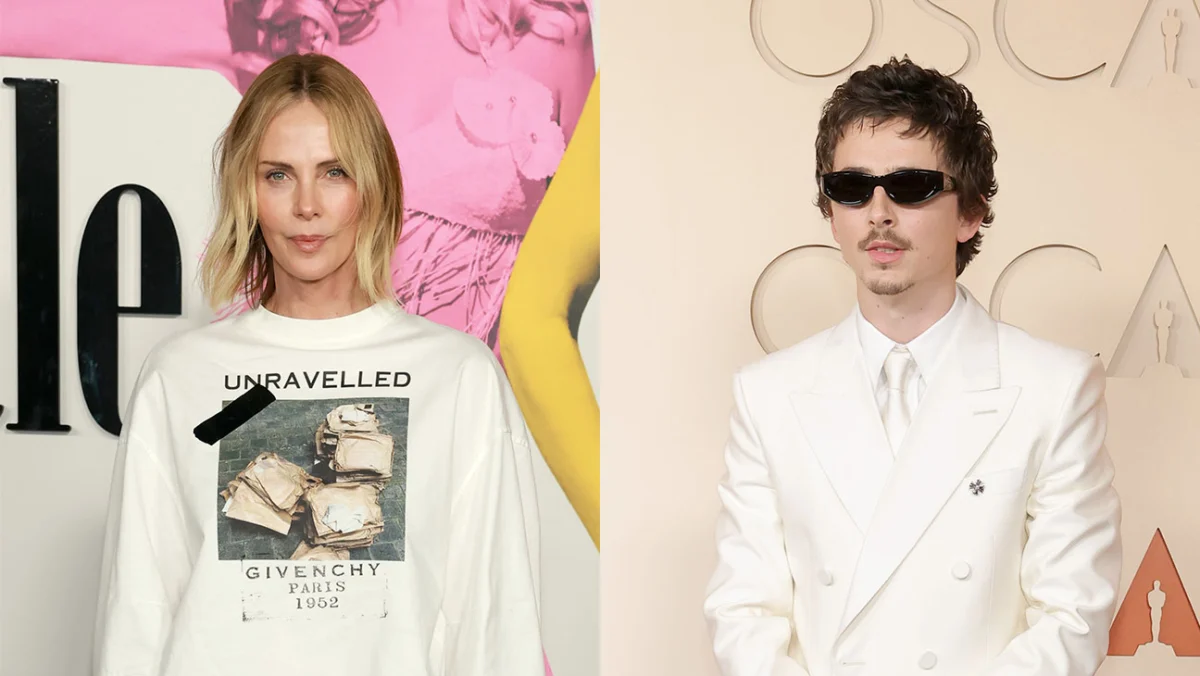
Academy Award-winning actress Charlize Theron has publicly criticized fellow acclaimed actor Timothée Chalamet’s earlier remarks regarding ballet and opera, labeling them "very reckless" and passionately defending the enduring value and intense demands of these traditional art forms. Her comments, made in a recent interview with The New York Times, have reignited a broader conversation within the entertainment industry and among arts communities about the perception, relevance, and future of live performance in an increasingly digital and AI-influenced world.
Theron’s Passionate Defense of Live Arts
In her New York Times interview, published on a Saturday in mid-April, Theron did not mince words when addressing Chalamet’s controversial statements. The discussion initially revolved around her own experiences with dance, a discipline she pursued rigorously in her youth before a knee injury shifted her career path towards acting. It was during this reflection on the physical and mental demands of dance that the conversation pivoted to Chalamet.
"Dance is probably one of the hardest things I ever did. Dancers are superheroes. What they put their bodies through in complete silence," the star of Mad Max: Fury Road stated, her voice imbued with a deep respect for the art form. This prompted the reporter to jokingly interject, "Sorry, Timothée Chalamet," a direct reference to Chalamet’s earlier dismissive comments about ballet.
Theron’s response was immediate and resolute. "Oh, boy, I hope I run into him one day," she replied with a wry edge. "That was a very reckless comment on an art form, two art forms, that we need to lift up constantly because, yes, they do have a hard time." She then introduced a critical perspective on the future of creative industries, directly challenging Chalamet’s perceived notion of relevance: "But in 10 years, AI is going to be able to do Timothée’s job, but it will not be able to replace a person on a stage dancing live. And we shouldn’t [expletive] on other art forms." This sharp rebuke underscored not only her defense of ballet and opera but also her conviction about the unique, irreplaceable human element inherent in live performance, especially in an era contemplating advanced artificial intelligence.
A Personal History: The Demands of Dance
Theron’s staunch advocacy for dance stems from a profound personal understanding of its rigorous nature. Born and raised in Benoni, South Africa, she began ballet training at an early age, eventually attending the Joffrey Ballet School in New York City. Her recollections from that period paint a vivid picture of extreme dedication and physical sacrifice.
"Dance taught me discipline. It taught structure. It taught hard work. It taught me to be tough. It’s borderline abusive," she continued, detailing the sheer brutality her body endured. "There were several times that I had blood infections from blisters that just never healed. And you don’t get a day off. I’m literally talking about bleeding through your shoes. And that’s something that you have to practice every single day, the mindset of just, you don’t give up, there’s no other option, you keep going."
Her testimony serves as a powerful counter-narrative to any suggestion that ballet or opera are less demanding or less relevant art forms. It highlights the immense physical and mental fortitude required, equating dancers to elite athletes who push their bodies to the absolute limits of human capability, often in silence and without the widespread public recognition afforded to other entertainment figures.
The Genesis of Controversy: Chalamet’s Initial Comments
The remarks that ignited this debate were made by Timothée Chalamet in February during a Variety and CNN town hall event featuring actor Matthew McConaughey. The discussion touched upon the evolving landscape of cinema and audience engagement, particularly concerning slower-paced films.
During the conversation, Chalamet, known for his roles in films like Dune and Wonka, was asked about audience interest in movies that don’t rely on rapid-fire pacing or immediate gratification. His response, intended perhaps as a self-deprecating jest or a commentary on the pressures of contemporary filmmaking, quickly drew fire.
He stated that he wouldn’t want to be involved in an art form that "no one cares about," explicitly citing ballet and opera as examples. "I don’t want to be working in ballet or opera where it’s like, ‘Hey! Keep this thing alive, even though no one cares about this anymore,’" Chalamet said, reportedly with a laugh. He then added, "All respect to the ballet and opera people out there… I just lost 14 cents in viewership. I’m taking shots for no reason." While perhaps an attempt at levity, the comments were widely interpreted as dismissive and disrespectful towards centuries-old art forms that continue to thrive globally, albeit often facing unique challenges in audience development and funding.
Immediate Fallout and Industry Reactions
Chalamet’s remarks swiftly sparked a wave of criticism from various corners of the performing arts world. Representatives from major opera companies, ballet troupes, and educational institutions were quick to voice their dismay and offer rebuttals.
The general sentiment among these organizations was one of disappointment and a robust defense of their cultural contributions. Several prominent figures in the ballet and opera communities issued statements, often via social media or official channels, highlighting the vibrancy, innovation, and global appeal of their respective art forms. Artistic directors emphasized the continuous evolution of repertoire, the commitment to diverse storytelling, and the dedicated efforts to engage new and younger audiences through outreach programs, digital initiatives, and accessible performances.
One notable response came from a spokesperson for a renowned ballet company, who reportedly countered, "Ballet and opera are far from forgotten; they are living, breathing art forms that captivate millions worldwide. The passion, athleticism, and vocal prowess displayed by our artists are unparalleled, and their dedication is a testament to the enduring power of live performance." Another opera house representative highlighted the genre’s capacity for emotional depth and its ability to reflect contemporary issues through timeless narratives.
Beyond institutional responses, individual dancers, musicians, and singers took to platforms like Instagram and X (formerly Twitter) to share their experiences, showcasing the arduous training, the profound emotional impact of their work, and the enthusiastic reception they receive from diverse audiences globally. Many shared videos of packed houses, innovative productions, and testimonials from new fans, effectively challenging Chalamet’s assertion that "no one cares." Several celebrities with ties to the performing arts also weighed in, expressing support for ballet and opera and gently reminding Chalamet of their cultural significance.
The Broader Cultural Conversation: From Social Media to the Oscars Stage
The controversy surrounding Chalamet’s comments transcended the immediate reactions, becoming a topic of broader cultural discussion and even a punchline at one of Hollywood’s most prestigious events.
The dialogue on social media continued for weeks, with hashtags related to ballet and opera gaining traction as fans and professionals alike shared their appreciation and defended the art forms. This online discourse inadvertently served as a powerful, organic marketing campaign for these traditional arts, bringing them into conversations they might not otherwise have reached.
The issue even made its way to the Academy Awards ceremony held last month, underscoring its prominence in popular culture. Host Conan O’Brien, known for his quick wit, seized the opportunity to poke fun at the controversy. During a segment, he quipped, "I’m told there are concerns about attacks from both the opera and ballet community," before turning to Chalamet, who was present, and adding with a smile, "They’re just mad you left out jazz." The joke, delivered in good humor, confirmed that Chalamet’s remarks had resonated widely enough to become a recognizable cultural reference point, even if delivered as a lighthearted jab.
The Enduring Value and Economic Impact of Ballet and Opera
Contrary to Chalamet’s implication, ballet and opera are not stagnant or irrelevant art forms; they represent vibrant, dynamic sectors of the global cultural economy. Globally, the performing arts industry, including ballet and opera, contributes billions of dollars annually to national economies, supporting a vast ecosystem of artists, technicians, administrators, educators, and ancillary businesses.
In the United States alone, the non-profit arts and culture industry is a significant economic driver, generating billions in economic activity and supporting millions of jobs, according to reports from organizations like Americans for the Arts. Opera companies and ballet troupes, while often operating on non-profit models and relying on philanthropy, are integral components of this economic engine. They attract tourists, stimulate local economies through ticket sales, hospitality, and related services, and invest heavily in their communities through educational outreach programs.
Audience demographics for these art forms are also more diverse and robust than often perceived. While challenges exist in attracting younger audiences, many companies report consistent attendance figures, with millions worldwide attending live performances each year. Moreover, efforts to modernize productions, commission new works from diverse composers and choreographers, and embrace digital platforms have expanded their reach beyond traditional venues. For example, live cinema broadcasts of opera and ballet performances now reach audiences in thousands of theaters globally, introducing these arts to new demographics and geographic regions.
Culturally, ballet and opera remain foundational pillars of human expression, offering profound narratives, emotional depth, and unparalleled artistic virtuosity. They preserve rich historical traditions while simultaneously evolving through contemporary interpretations and new creations, ensuring their continued relevance and appeal across generations.
Navigating the Digital Age: Audience Engagement and Innovation
The performing arts, including ballet and opera, have been actively adapting to the digital age, seeking innovative ways to engage audiences and sustain their art forms. Far from being passive recipients of cultural decline, many institutions are pioneering new approaches. This includes developing immersive digital experiences, streaming performances online, creating interactive educational content, and collaborating with artists from diverse genres.
For instance, major opera houses worldwide have invested heavily in high-definition broadcasts that bring the live experience to cinemas globally, making performances accessible and affordable for a broader public. Ballet companies are experimenting with digital choreography, virtual reality, and social media campaigns to connect with younger audiences. These initiatives demonstrate a proactive engagement with contemporary technology and media, directly refuting the notion of an art form struggling to find an audience. The challenge is not a lack of interest, but rather the ongoing evolution of how audiences discover and consume cultural content.
The AI Conundrum: Live Performance’s Irreplaceable Core
Charlize Theron’s specific mention of AI’s potential impact on acting versus its inability to replicate live dance strikes at the heart of a burgeoning debate across creative industries. Her argument posits that while artificial intelligence might eventually master the nuances of screen acting, replicating the raw, ephemeral, and deeply human experience of a live performance—where a dancer’s sweat, breath, and physical vulnerability are palpable—is fundamentally impossible.
The unique value of live performance lies in its immediacy and authenticity. There is no second take, no digital manipulation, no post-production polish. The connection between performer and audience is a singular, unrepeatable event, imbued with a shared sense of presence and humanity. This intrinsic quality, Theron suggests, is what makes live ballet and opera enduringly irreplaceable, especially when contrasted with potentially AI-generated or enhanced cinematic experiences. Her comments align with a growing sentiment among artists and cultural commentators who believe that in a world increasingly dominated by artificial intelligence and virtual realities, the value of authentic human connection and live, unmediated artistic expression will only grow.
Celebrity Influence and Artistic Discourse
The exchange between Theron and Chalamet also highlights the significant role celebrities play in shaping public discourse around various cultural topics. While Chalamet’s initial comments were arguably made in jest, their wide dissemination and subsequent reactions underscore the profound impact of a public figure’s statements, particularly concerning less mainstream art forms.
Theron, with her considerable platform and personal connection to dance, has effectively used her voice to champion an art form that often struggles for broader recognition and financial support. Her intervention serves as a reminder of the responsibility that comes with celebrity and the power it holds to either uplift or inadvertently diminish cultural endeavors. This public dialogue, while sparked by a celebrity interaction, ultimately serves to draw attention to the vital discussions about the future, funding, and appreciation of all artistic disciplines.
Looking Ahead: Sustaining the Performing Arts
The debate initiated by Timothée Chalamet’s comments and emphatically countered by Charlize Theron’s passionate defense illuminates the ongoing challenges and profound resilience of traditional performing arts. While ballet and opera face perennial issues such as securing funding, cultivating new audiences, and adapting to technological shifts, they also possess an inherent power to move, inspire, and connect people in ways that are uniquely human.
The arts community, rather than being disheartened by such public commentary, often uses it as an opportunity to reiterate their value and showcase their ongoing innovation. As Theron eloquently articulated, these are art forms that require constant "lifting up" and support. The conversation serves as a potent reminder that the performing arts are not relics of the past but vibrant, evolving expressions of human creativity, athleticism, and emotion that continue to enrich lives and contribute significantly to global culture. The industry awaits any potential response or clarification from Chalamet’s representatives, who The Hollywood Reporter had previously reached out to for comment but did not receive a reply by the time of initial publication. Meanwhile, the spotlight remains firmly on the power and perseverance of live performance.