The conclusion of the 2025 Academy Awards marked the end of a grueling seven-month campaign cycle, yet for several of the season’s most prominent figures, the transition from the red carpet to the small screen has been nearly instantaneous. As the industry recalibrates following the Oscars, a significant cohort of nominees and breakout stars has immediately pivoted to high-profile television projects, positioning themselves as early frontrunners for the 78th Primetime Emmy Awards. This rapid succession of performances highlights an evolving trend in Hollywood where the traditional boundaries between cinema and prestige television have become almost entirely porous, allowing talent to maintain cultural momentum across different mediums within a single calendar year.
The Immediate Pivot: April’s Television Landscape
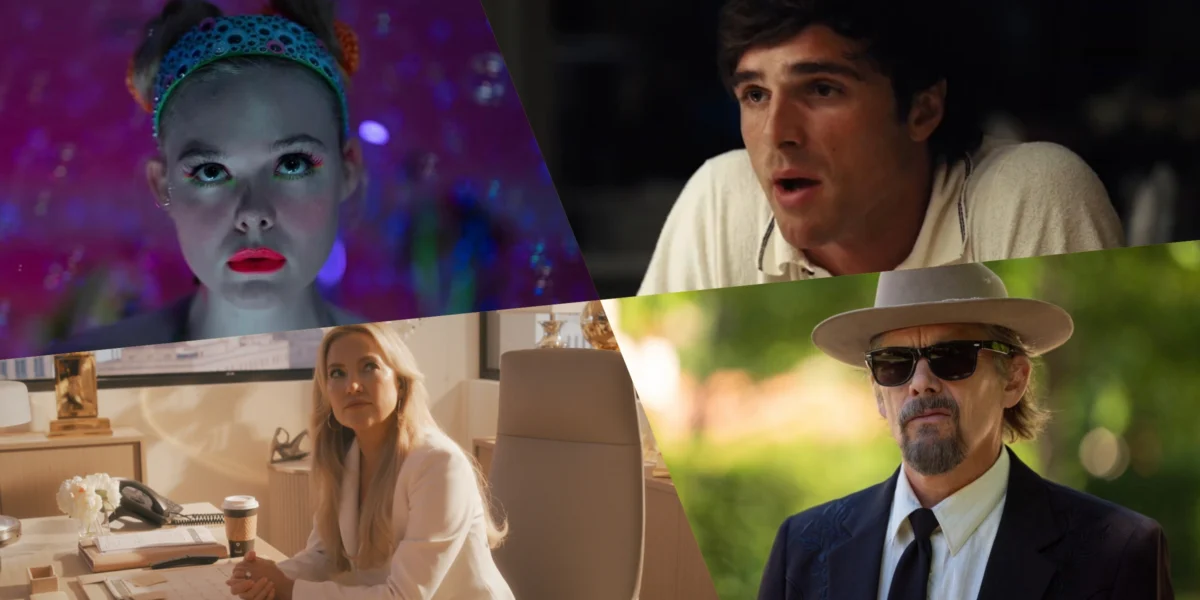
The month of April has served as a strategic launchpad for several actors who were, until very recently, central figures in the Oscar race. Among the most notable is Elle Fanning, who earned critical acclaim and a Best Supporting Actress nomination for her role in Sentimental Value. Fanning has returned to the television space in the Apple TV+ series Margo’s Got Money Troubles. The production, helmed by veteran showrunner David E. Kelley, represents a significant investment for the streaming platform and places Fanning back in the conversation for the Best Actress in a Comedy Series category—a space she previously occupied in 2022 for her work in The Great.
Simultaneously, Jacob Elordi, who garnered a Best Supporting Actor nomination for his portrayal in Frankenstein, has returned to the HBO series that served as his professional breakthrough, Euphoria. His return to the role of Nate Jacobs comes just as his film career has reached a new zenith, creating a unique synergy between his prestige film credentials and his established television presence.
The streaming giant Netflix has also capitalized on this timing. Oscar Isaac, the headliner of the Best Picture-nominated Frankenstein, has transitioned into the lead role for the second season of the anthology series Beef. This follows a successful film season where Isaac secured a Golden Globe nomination, further cementing his status as a versatile lead capable of anchoring both blockbuster cinema and limited series. Joining the Netflix slate is Kate Hudson, who recently celebrated her first Oscar nomination in twenty-five years for Song Sung Blue. Hudson is starring in the second season of Running Point, a move that industry analysts suggest is intended to leverage her renewed awards-season visibility to boost the series’ viewership and critical standing.
Historical Context and the Double-Nomination Phenomenon
The prospect of an actor receiving both an Oscar and an Emmy nomination in the same calendar year is a rare feat, yet it has become increasingly common in the current "Peak TV" era. This "elite company" represents the pinnacle of industry recognition, signaling a performer’s ability to navigate different storytelling formats with equal proficiency.
Recent history provides several precedents for this crossover. In 2024, Colman Domingo achieved a Best Supporting Actor Emmy nomination for The Four Seasons just months after his Best Actor Oscar nomination for Sing Sing. Domingo’s trajectory was bolstered by his existing relationship with the Television Academy, having previously won an Emmy for his guest role in Euphoria.
Similarly, the 2021-2023 period saw several notable double-threats:
- Robert Downey Jr. and Lily Gladstone: Both received Emmy nominations for supporting roles in limited series (The Sympathizer and Under the Bridge, respectively) shortly after their 2023 Oscar campaigns.
- Andrew Garfield: Earned a Lead Actor in a Limited Series nomination for Under the Banner of Heaven in the same year he was nominated for a Best Actor Oscar for tick, tick…BOOM!
- Olivia Colman: Won a Best Actress Emmy for The Crown just months after her Supporting Actress Oscar nomination for The Father.
- Emerald Fennell: Achieved the rare distinction of winning a Screenwriting Oscar for Promising Young Woman while simultaneously being nominated for an Emmy for her acting work in The Crown.
For Elle Fanning and Ethan Hawke—the latter of whom is currently starring in the renewed FX series The Lowdown following his Best Actor nomination for Blue Moon—the path to the 2026 Emmys is paved by previous Academy recognition. Hawke’s early-season release provides him with a "head start" in terms of voter awareness, a critical factor in the crowded Emmy landscape.
Analysis of Competitive Categories and Strategic Hurdles
Despite the momentum gained from the Oscar circuit, the path to an Emmy nomination is fraught with systemic challenges. The Television Academy often exhibits a "loyalty" to established hits, which can make it difficult for new performances—even those by recent Oscar nominees—to break through.
In the Lead Actress in a Comedy Series category, Elle Fanning faces a formidable opponent in Jean Smart. Smart’s performance in Hacks has become a perennial favorite, creating what some critics describe as a "buzzsaw" that consistently cuts through the competition. For Fanning to succeed, Margo’s Got Money Troubles will need to sustain high critical marks and viewership numbers throughout the spring and summer.
The drama categories present even stiffer competition. Chase Infiniti, the breakout star of One Battle After Another, is currently headlining The Testaments, a sequel to the Emmy-winning The Handmaid’s Tale. While Infiniti was a close contender for an Oscar nomination, she enters a television field dominated by heavyweights. The Best Actress in a Drama category is expected to include Zendaya (Euphoria), Rhea Seehorn (Better Call Saul), and Keri Russell (The Diplomat). Furthermore, the Television Academy’s interest in the Handmaid’s universe has waned in recent seasons, with the exception of lead Elisabeth Moss, potentially complicating Infiniti’s path to a nomination.
Jacob Elordi faces a different set of obstacles. While his film career has provided him with newfound validation, the third season of Euphoria has met with a more divisive critical reception than its predecessors. There is a risk that Emmy voters may choose to stick with previous nominees from the show, such as Zendaya or Sydney Sweeney, rather than expanding their recognition to Elordi, despite his recent cinematic success.
The Production Timeline and Industry Implications
The timing of these television releases is rarely coincidental. Major studios and streaming platforms frequently coordinate release schedules to ensure that their stars are "in the conversation" during key voting windows. The Emmy eligibility period typically runs from June 1 to May 31. By releasing projects in March and April, networks ensure their talent is fresh in the minds of voters just as the nomination ballots are distributed in June.
This strategy also serves as a hedge against "awards burnout." While the public and pundits may feel exhausted by the lengthy Oscar season, industry data suggests that high-quality content continues to find an audience if the talent involved is perceived as being at the top of their game. The "prestige pivot" allows actors to capitalize on the media saturation of the Oscars to drive interest in their television work, effectively extending their period of cultural relevance.
From a broader industry perspective, this trend underscores the shifting economics of acting. With fewer mid-budget "prestige" films being produced for theatrical release, many A-list actors are looking to limited series and high-end streaming dramas to find complex, character-driven roles. This migration of talent has resulted in a "golden age" for television, but it has also made the Emmy race arguably as competitive, if not more so, than the Oscars.
Future Outlook: From July Nominations to the 2026 Season
As the industry moves toward the mid-July announcement of the Emmy nominations, the narrative of the 2025 Oscar season will begin to fade, replaced by the burgeoning excitement of the 2026 film cycle. By the time the Emmy ceremony takes place, the film world will already be looking toward festivals in Venice, Telluride, and Toronto.
However, for the actors currently navigating this transition, the work done in the immediate aftermath of the Oscars will define their professional standing for the next year. If Fanning, Hawke, Isaac, or Elordi manage to secure Emmy nominations, they will validate the strategy of the "continuous campaign"—a model where the work never truly stops, and the transition between film and television is a seamless progression of a singular, high-prestige brand.
The 2025-2026 awards bridge demonstrates that while the "season" may have an official end, the machinery of celebrity and critical recognition is a year-round operation. For fans and critics alike, the presence of Oscar-caliber talent on television provides a continuity of high-quality storytelling that persists long after the final statuette has been handed out at the Dolby Theatre. Whether these stars can translate their cinematic momentum into television gold remains to be seen, but their immediate return to the screen ensures that the debate over their craft will continue well into the summer.